CRISPR: Mechanisms, gRNA & Clinical Delivery
Learning Goal: Master the mechanics and applications of CRISPR-Cas9 gene editing, focusing on guide RNA design, double-strand break repair pathways, and clinical therapeutic delivery.
- Prerequisites: None (the curriculum builds up from foundational molecular biology).
- Estimated Study Time: 15 Hours
Module 1: Molecular Biology Foundations
Module Overview
To understand CRISPR-Cas9 gene editing, you must first master the central dogma of molecular biology. This module establishes a strong scientific foundation in DNA structure, the semi-conservative replication process, and the mechanisms of transcription and translation that translate genetic codes into functional cellular proteins.
Recommended Videos
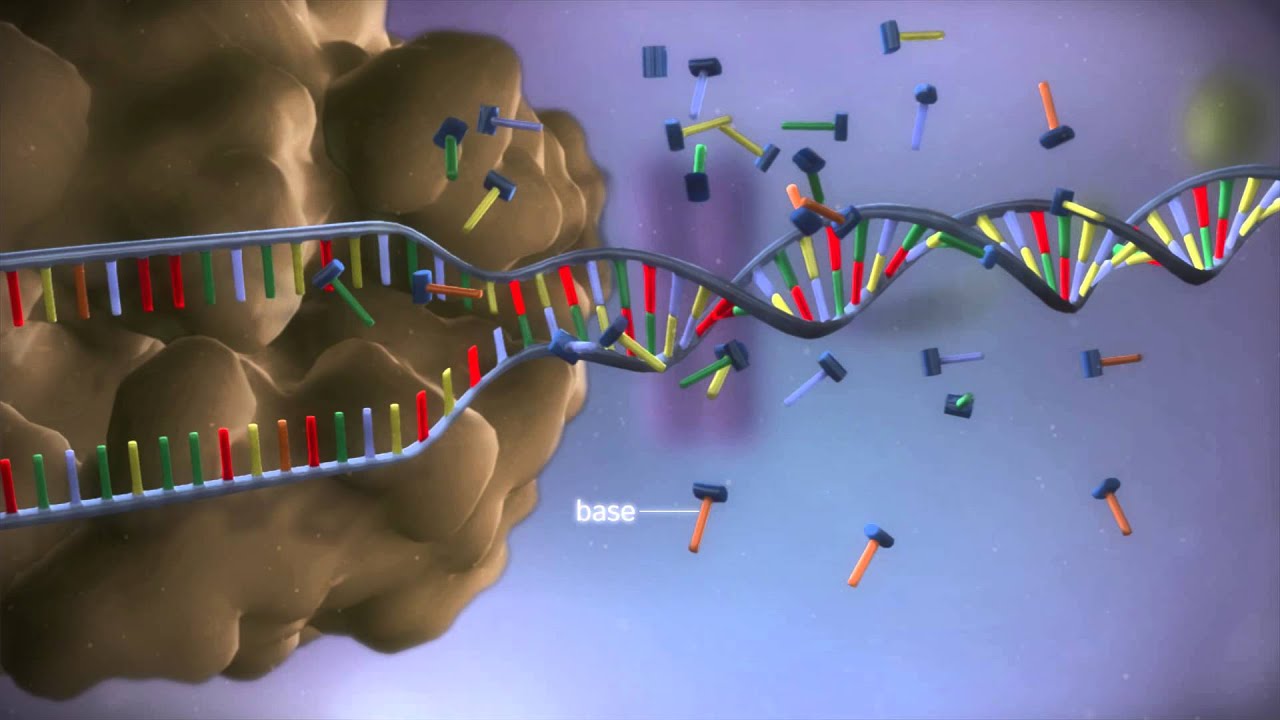
Why this video
This industry-standard 3D molecular animation provides an unparalleled visual of transcription and translation in real-time. It reveals how RNA polymerase physically unwinds DNA to synthesize mRNA, and how ribosomes coordinate with tRNAs to link amino acids. This physical understanding is essential before introducing molecular "scissors" like Cas9.
Knowledge Checkpoint
- Explain how RNA polymerase matches complementary RNA bases to the antisense DNA template strand.
- Detail the physical role of ribosomal subunits and transfer RNA (tRNA) in reading mRNA codons during translation.
- Explain the structural and chemical differences between a double-stranded DNA molecule and a single-stranded messenger RNA (mRNA) molecule.

Why this video
This video explains the molecular machinery of DNA replication. Understanding DNA replication enzymes (helicase, primase, DNA polymerase, and ligase) provides the context required to understand how cellular repair machinery mends broken DNA strands during CRISPR editing.
Knowledge Checkpoint
- Differentiate between leading and lagging strand synthesis, noting the purpose of Okazaki fragments.
- Define "semi-conservative replication" and explain how the Meselson-Stahl experiment proved this mechanism.
- Identify the function of DNA ligase in sealing phosphodiester backbones, which is crucial for downstream gene-insertion pathways.
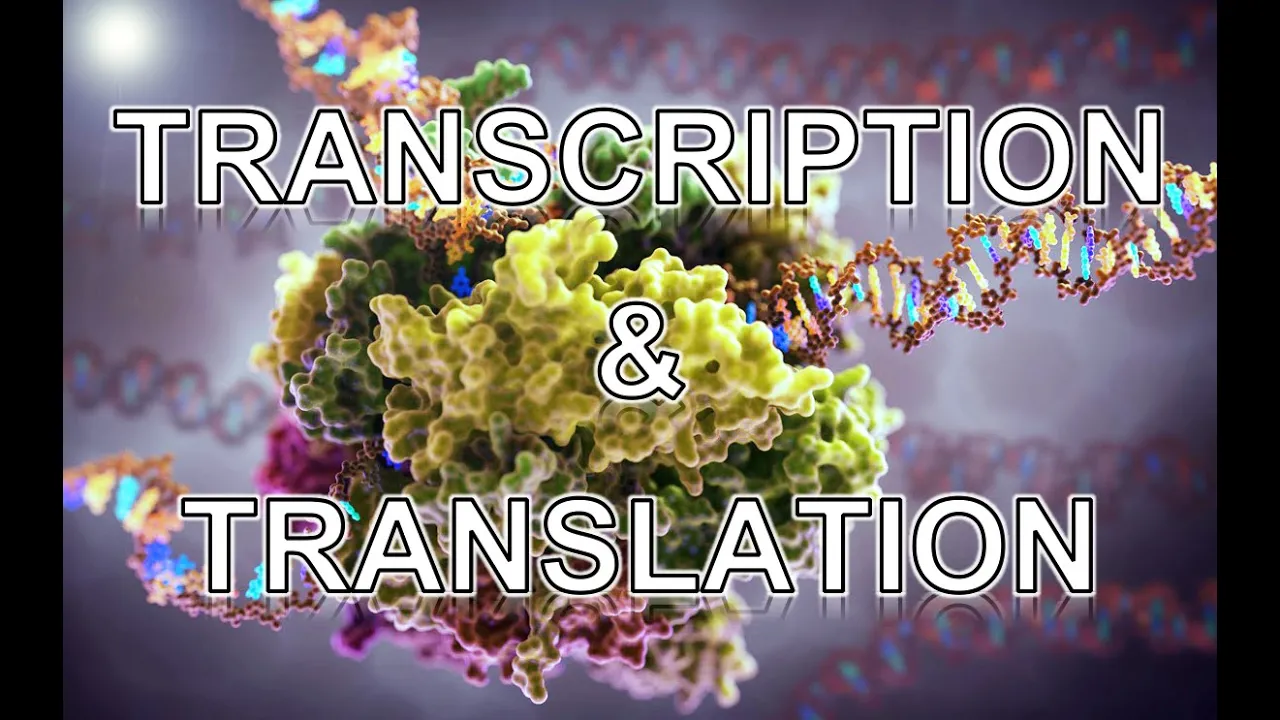
Why this video
This lecture simplifies the multi-step transcription and translation pathway into clear, logical steps. It emphasizes the roles of transcription factors, promoters, and RNA processing, helping you understand how cells regulate gene expression before we attempt to manipulate it.
Knowledge Checkpoint
- Describe the initiation phase of transcription, specifically the role of promoters and transcription factors.
- Explain how ribosomes recognize the start codon (AUG) and terminate peptide assembly at stop codons.
Module 2: Introduction to the CRISPR-Cas9 System
Module Overview
CRISPR-Cas9 was not invented from scratch; it was adapted from a natural bacterial immune system. In this module, you will explore the evolutionary origins of CRISPR as an adaptive immune defense in bacteria and archaea against bacteriophage invaders, and learn how scientists transformed this defense mechanism into a programmable gene-editing technology.
Recommended Videos
Why this video
This highly detailed, animated video explains the history of CRISPR. It details how bacteria store genetic "mugshots" of bacteriophages in spacer sequences and use those templates to destroy future viral invaders, serving as an engaging high-level introduction.
Knowledge Checkpoint
- Explain how bacteria acquire viral DNA segments and integrate them into their CRISPR array as "spacers."
- Describe how the Cas9 nuclease acts as programmable molecular scissors when paired with matching RNA guides.
- Identify the difference between natural bacterial CRISPR function and engineered CRISPR-Cas9 target gene knockouts.
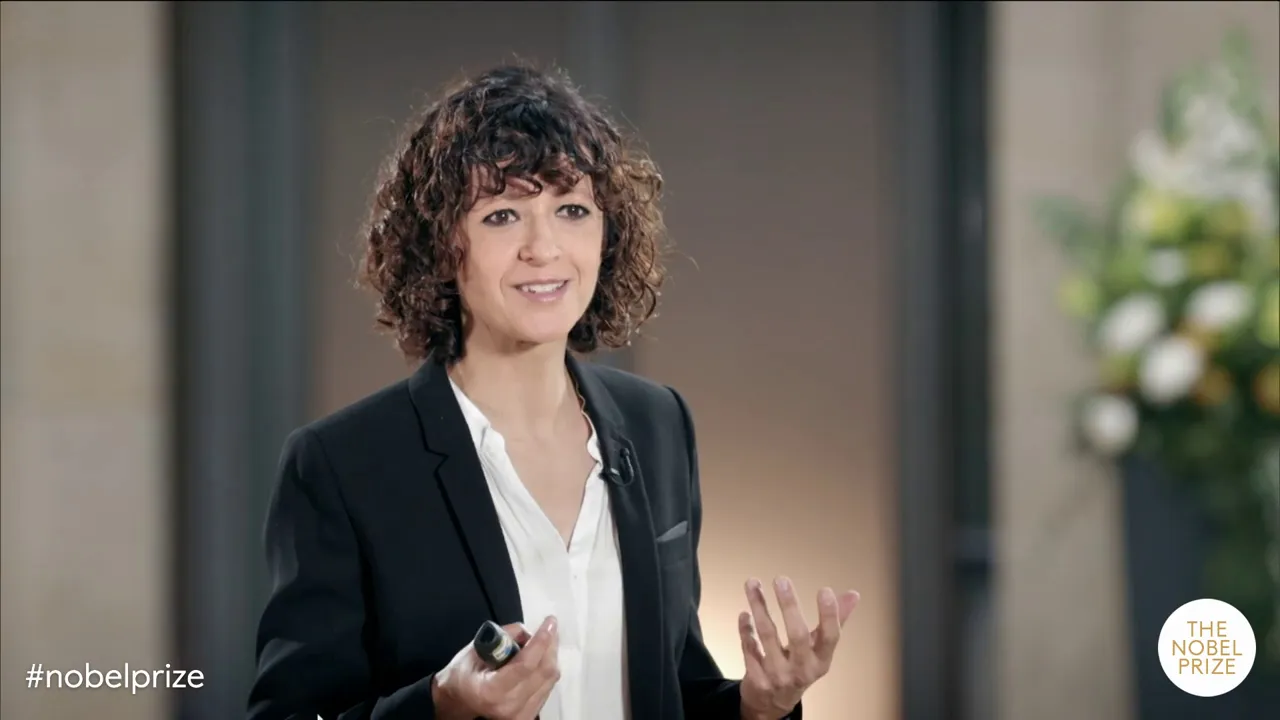
Why this video
Delivered by Nobel Laureate Emmanuelle Charpentier herself, this historical and technical lecture explains the discovery of the dual-RNA guided system (crRNA and tracrRNA). It offers deep scientific authority on how the molecular machinery was isolated and simplified for biotechnology.
Knowledge Checkpoint
- Explain the original biological roles of CRISPR RNA (crRNA) and trans-activating CRISPR RNA (tracrRNA) in wild-type bacteria.
- Explain how Charpentier and Doudna engineered these two separate RNA strands into a single-guide RNA (sgRNA).
- Define "adaptive immunity" in the context of prokaryotes, contrasting it with eukaryotic immunity.

Why this video
This technical lecture focuses on Streptococcus pyogenes (the source organism for the standard SpCas9 enzyme). It provides a close look at the genetic locus of CRISPR arrays, the Cas genes, and the exact steps of transcription and processing that yield mature functional defense complexes.
Knowledge Checkpoint
- Map the layout of a native CRISPR locus, identifying the promoter, Cas genes, leader sequence, repeat elements, and spacers.
- Explain the role of Endonuclease/RNase III in processing long pre-crRNA transcripts into mature, individual target-seeking crRNAs.
Module 3: CRISPR-Cas9 Biochemistry & guide RNA Design
Module Overview
To target a specific gene, you must design a guide RNA that brings the Cas9 enzyme to the correct genomic location without causing off-target cuts. This module covers the structural biochemistry of Cas9, the absolute requirement of the Protospacer Adjacent Motif (PAM) sequence, and the bioinformatic step-by-step workflow required to design high-specificity single-guide RNAs (sgRNAs).
Recommended Videos

Why this video
This lecture addresses a common gap in CRISPR education: the physical, structural conformational changes of the Cas9 protein. It explains the molecular transition of Cas9 from an inactive, unbound Apo state to a bound, active complex that scans and cleaves target DNA.
Knowledge Checkpoint
- Identify the structural domains of the Cas9 protein (including the HNH and RuvC nuclease domains) and match them to the DNA strand they cut.
- Describe the conformational shifts that occur when Cas9 binds first to its guide RNA, and then to its target double-stranded DNA sequence.
- Explain why Cas9 remains inactive in the cell when it is not bound to a guide RNA.

Why this video
This practical bioinformatics presentation outlines how to design guides with high editing efficiency and minimal off-target activity. It explains GC content optimization, secondary structure prediction, and how to select the right genomic target sites.
Knowledge Checkpoint
- Detail the exact bioinformatic steps to design an sgRNA, beginning with extracting a target gene's FASTA sequence from NCBI.
- Explain the correlation between the "on-target score" (editing efficiency) and "off-target score" (unwanted cuts elsewhere in the genome).
- Why should guide RNAs target early exons of protein-coding genes when designing knockout experiments?
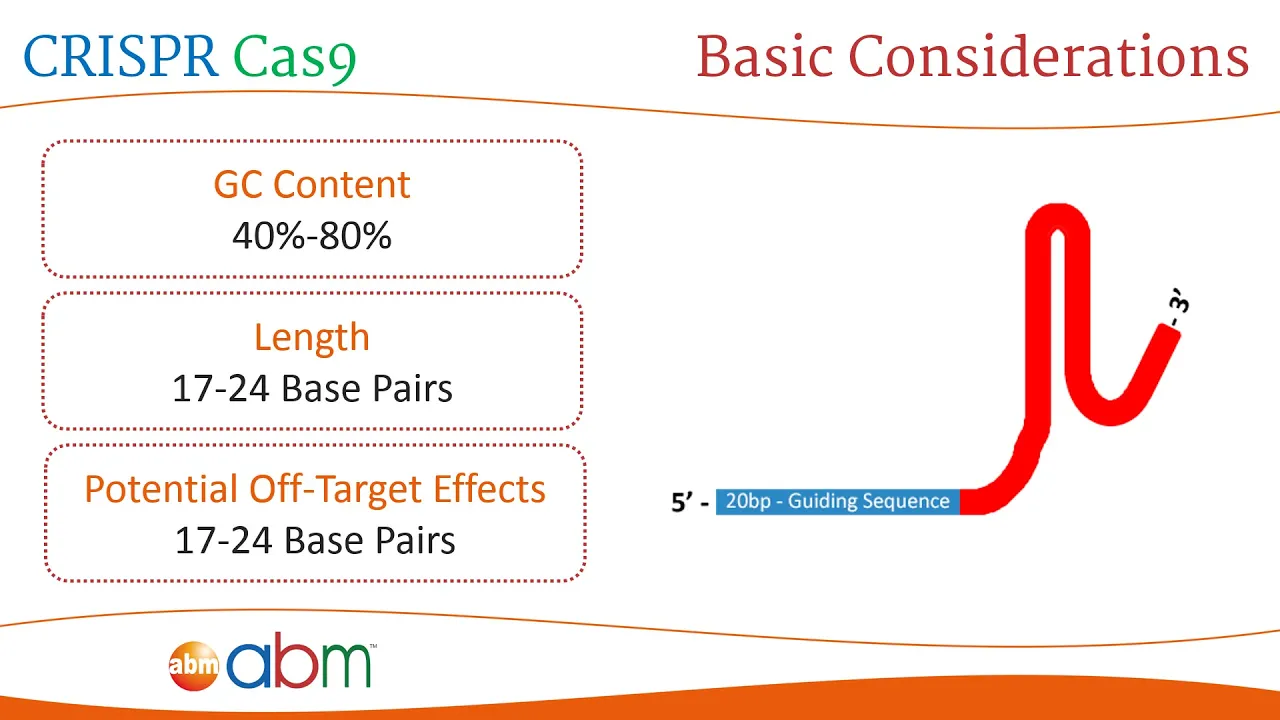
Why this video
This concise guide focuses on the Protospacer Adjacent Motif (PAM). It explains the absolute requirement of this 2-6 base pair sequence for Cas9 binding, clarifying how the enzyme distinguishes between foreign target DNA and its own bacterial genome.
Knowledge Checkpoint
- Identify the canonical PAM sequence for Streptococcus pyogenes Cas9 (SpCas9) and its exact position relative to the 20bp target protospacer.
- Describe how Cas9 scans DNA for a PAM sequence before attempting to hybridize the target DNA with its guide RNA.
- What would happen if a target DNA locus has a 100% complementary sequence to the sgRNA but lacks a neighboring PAM sequence?
Curriculum Gap Tip: Video 99 provides excellent details on protein conformational changes, but finding high-resolution 3D atomic structures showing the exact rotation of the HNH domain upon PAM binding is rare in standard video formats. For advanced study, we highly recommend searching independent repositories for structural biology animations such as "Cryo-EM structures of SpCas9-sgRNA-DNA complex in structural databases (PDB)."
Module 4: Double-Strand Break Repair Pathways
Module Overview
CRISPR-Cas9 does not actually edit genes; it simply cuts them. The actual editing is performed by the host cell's internal DNA repair systems. In this module, you will examine the competing pathways that mend double-strand breaks (DSBs): the error-prone Non-Homologous End Joining (NHEJ) pathway used to disrupt genes (knockouts), and the precise Homology-Directed Repair (HDR) pathway used to insert new genetic sequences (knockins). You will also learn about next-generation base and prime editors that bypass double-strand breaks entirely.
Recommended Videos

Why this video
This clear molecular animation explains the Non-Homologous End Joining (NHEJ) pathway. It demonstrates the multi-protein assembly (Ku heterodimer, DNA-PKcs, Artemis, and DNA Ligase IV) that quickly reunites severed DNA ends, explaining how insertions and deletions (indels) are introduced in the process.
Knowledge Checkpoint
- Explain how Ku70 and Ku80 proteins identify and bind to severed DNA ends after a Cas9 cut.
- Detail the enzymatic trimming function of Artemis and why this step often introduces frame-shift mutations (indels).
- Explain why cells default to using NHEJ over homologous recombination in most phases of the cell cycle.

Why this video
This technical seminar covers the molecular mechanics of Homology-Directed Repair (HDR). It teaches researchers how to design successful donor templates (plasmids vs. single-stranded DNA) and optimize homology arm lengths to introduce precise gene knockins.
Knowledge Checkpoint
- Explain how the HDR pathway utilizes a homologous template to synthesize error-free repaired DNA strands.
- Identify key design requirements for an HDR donor template, including the optimal length of homology arms flanking the cut site.
- Why is HDR efficiency highly dependent on the cell cycle phase, and why is it restricted to the S and G2 phases?
Why this video
This industry segment highlights modern biochemical strategies used to shift the cell's repair balance away from NHEJ and toward precise HDR. It introduces the application of small-molecule inhibitors to temporarily block the NHEJ pathway, increasing the likelihood of successful gene knockins.
Knowledge Checkpoint
- Explain how suppressing DNA Ligase IV or Ku proteins with small molecules (such as SCR7) improves gene knockin efficiency.
- Describe how delivering pre-assembled Cas9-gRNA Ribonucleoproteins (RNPs) instead of plasmid DNA improves repair kinetics.
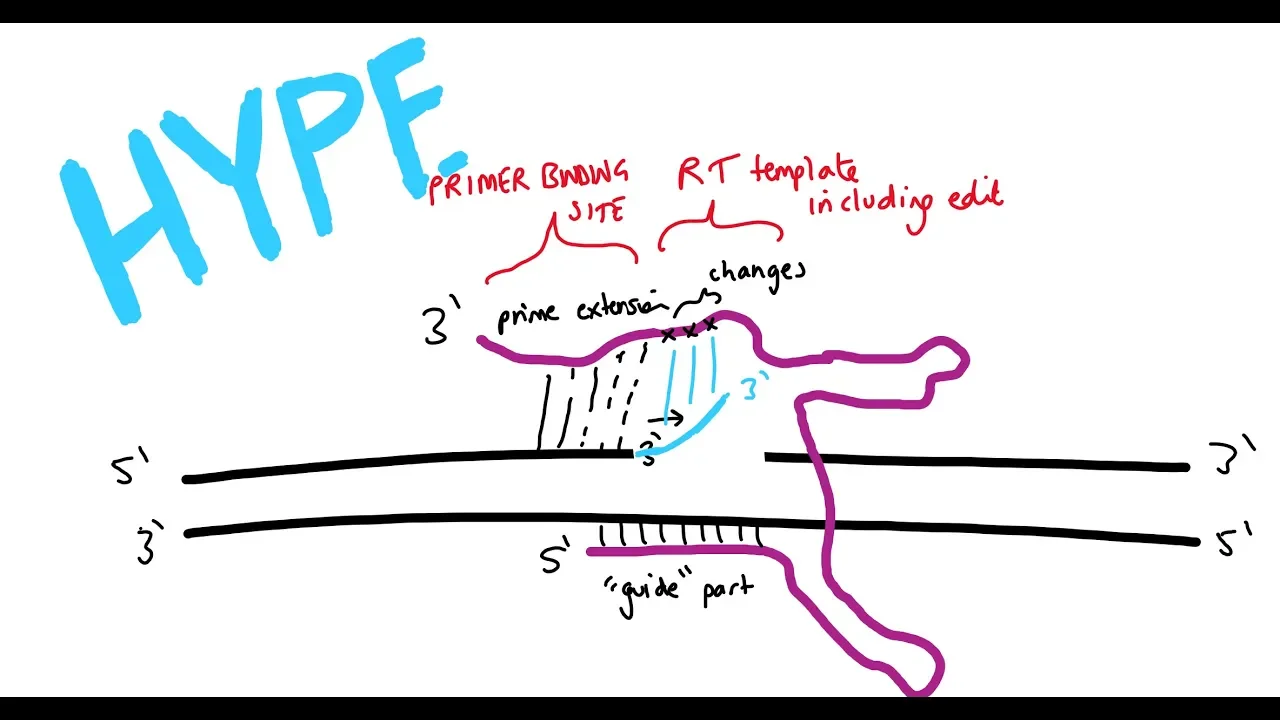
Why this video
This video introduces "Prime Editing"—a next-generation gene editing tool developed to bypass the cellular double-strand break repair pathway altogether. It outlines how fusing a catalytically impaired Cas9 nickase to a reverse transcriptase enables precise edits without double-strand cuts.
Knowledge Checkpoint
- Explain how a Prime Editor differs from standard Cas9, specifically noting its use of a pegRNA (prime editing guide RNA) and a reverse transcriptase enzyme.
- Explain why editing DNA without creating double-strand breaks significantly reduces the risk of unwanted genomic indels and large deletions.
Module 5: Clinical Delivery & Therapeutic Applications
Module Overview
Designing a perfect gene-editing system is pointless if you cannot deliver it to the patient's target tissues. This module addresses the engineering challenges of CRISPR therapeutics, comparing physical delivery, viral vectors, and non-viral lipid nanoparticles (LNPs). You will also learn about the differences between ex vivo and in vivo gene therapies, and review the clinical milestones of real-world CRISPR therapeutics.
Recommended Videos
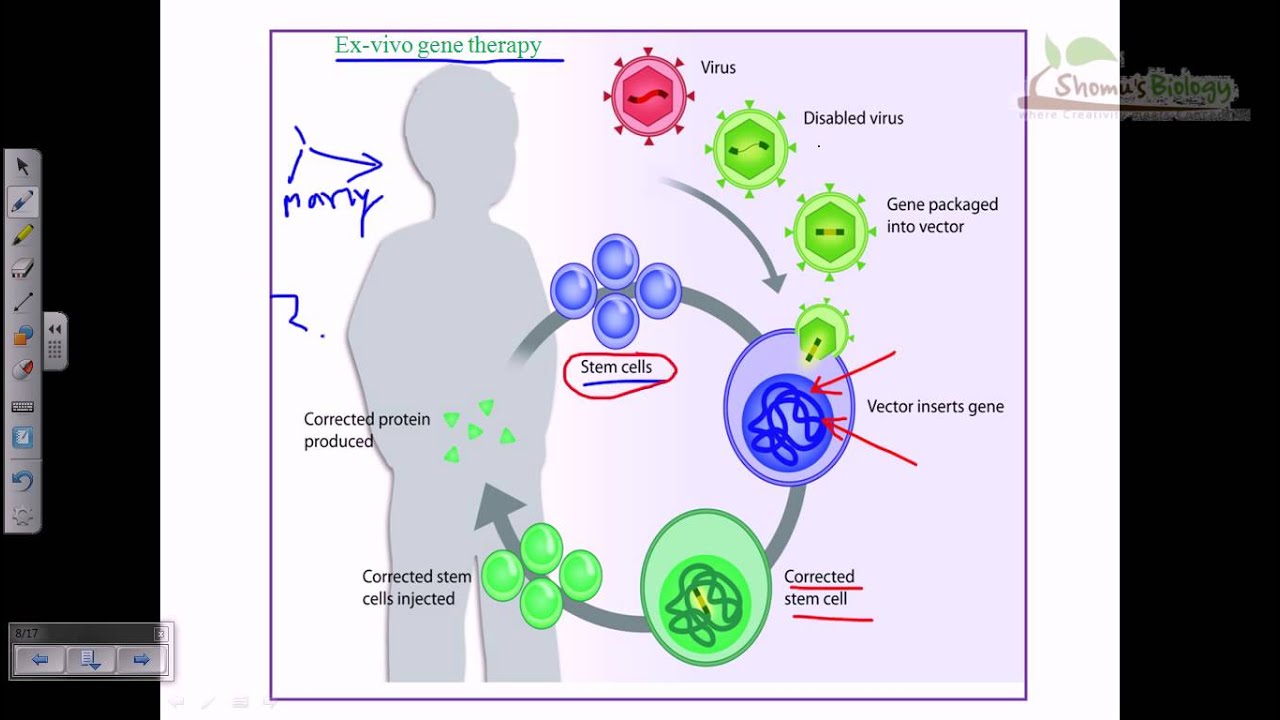
Why this video
This comparative lecture explains the differences between in vivo and ex vivo gene delivery workflows. Using real clinical examples, it illustrates why ex vivo engineering of hematopoetic stem cells is safer and easier to control than injecting vectors directly into a patient's bloodstream.
Knowledge Checkpoint
- Diagram an ex vivo gene therapy workflow, noting the extraction, laboratory modification, expansion, and re-implantation of patient cells.
- Diagram an in vivo delivery workflow, identifying the key anatomical barriers the therapeutic vehicle must cross.
- List two genetic diseases that are prime candidates for ex vivo therapies (e.g., sickle cell disease) versus those requiring in vivo delivery (e.g., genetic blindness).

Why this video
This laboratory-focused video compares physical and biological delivery formats. It covers why delivering transient Cas9-gRNA Ribonucleoprotein (RNP) complexes via electroporation is often preferred in clinical settings over delivering long-lasting plasmids or viral delivery systems.
Knowledge Checkpoint
- Explain the physical mechanism of electroporation and how it temporary permeabilizes cell membranes to allow Cas9 RNP entry.
- Explain why transient delivery of Cas9 protein (RNP) minimizes the risk of off-target edits compared to continuous plasmid or viral expression.
Why this video
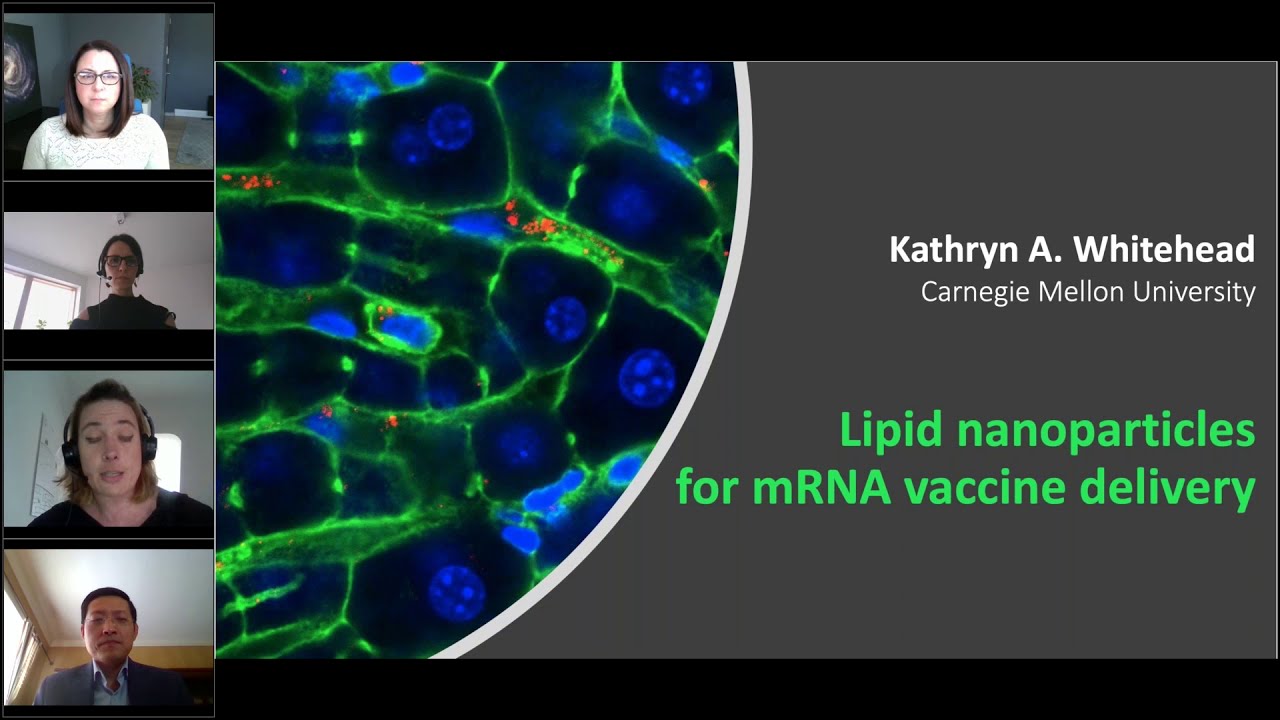
This in-depth lecture by Nature reviews the structural engineering of lipid nanoparticles (LNPs). LNPs are the primary non-viral delivery vehicle used to deliver CRISPR mRNA/gRNA into human liver tissues, making this foundational nanomedicine lecture essential.
Knowledge Checkpoint
- Describe the structural composition of a lipid nanoparticle (LNP), including ionizable lipids, cholesterol, and PEGylated lipids.
- Explain how the pH-sensitive charge of ionizable lipids protects genetic cargo during circulation and assists in endosomal escape inside target cells.
Why this video
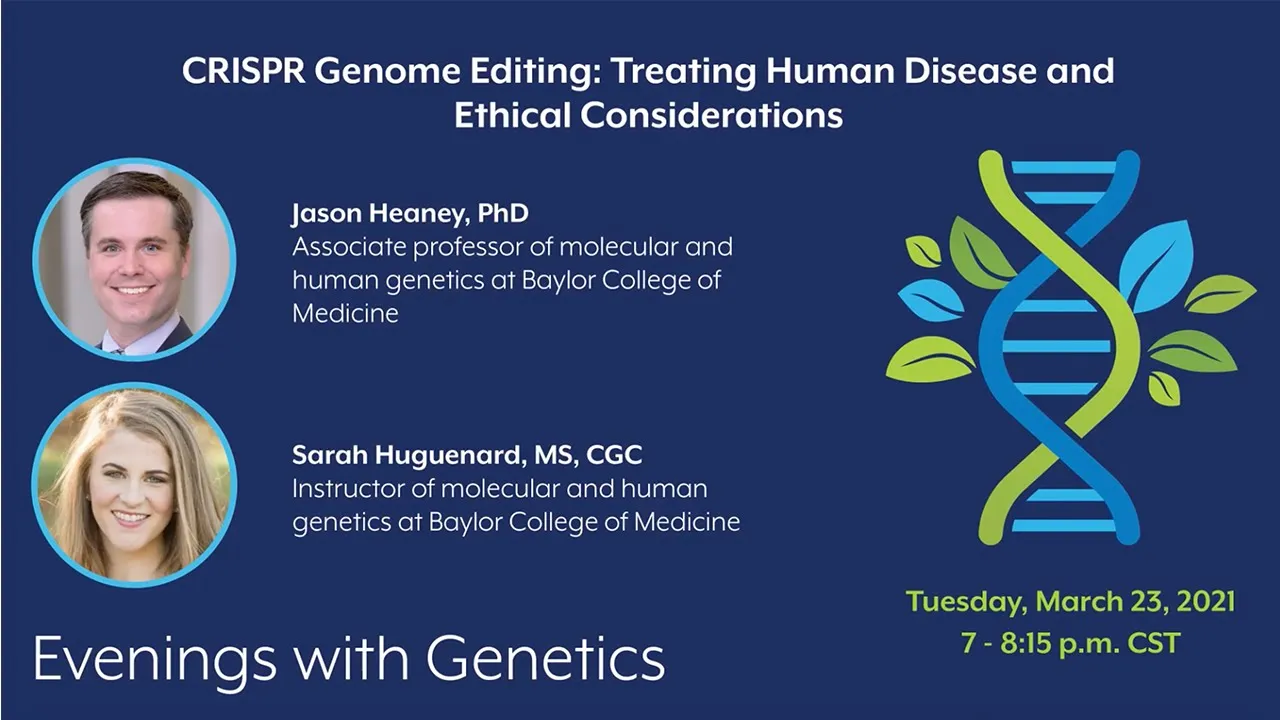
This medical brief covers the clinical and ethical milestones of CRISPR-based treatments. It details early human trials, such as the landmark ex vivo treatment of sickle cell disease, and introduces key safety considerations and off-target risks that clinicians must monitor.
Knowledge Checkpoint
- Describe how the first approved CRISPR therapy (Casgevy) treats sickle cell disease by knocking out the BCL11A erythroid enhancer.
- Explain the ethical and safety distinction between somatic cell gene editing and germline editing.
Curriculum Gap Tip: The engineering comparison between Adeno-Associated Viruses (AAV) and LNPs is a rapidly evolving field. For detailed viral engineering protocols (such as serotype tropism), we recommend independently searching for: "Adeno-Associated Virus (AAV) vector production protocols and tissue tropism engineering."
Course Map
This map outlines the recommended learning progression through the five modules. Note that Module 5 requires understanding both CRISPR Biochemistry (Module 3) and DNA Repair Pathways (Module 4) to evaluate clinical delivery options.
Key People Index
| Scientist / Researcher | Foundational Contribution | Curriculum Context |
|---|---|---|
| Dr. Jennifer Doudna | Co-discovered that Cas9 is programmable via guide RNA; co-awarded the 2020 Nobel Prize in Chemistry. | Featured in Modules 2 & 3 (foundational biochemistry). |
| Dr. Emmanuelle Charpentier | Discovered the role of tracrRNA in processing pre-crRNA arrays; co-awarded the 2020 Nobel Prize in Chemistry. | Featured in Module 2 (Nobel Lecture video). |
| Dr. Francisco Mojica | Identified that CRISPR arrays consist of captured bacteriophage spacer sequences (first to recognize adaptive immunity). | Featured in Module 2 (evolutionary history). |
| Dr. David R. Liu | Pioneered next-generation precision editing, inventing both base editors and prime editors. | Featured in Module 4 (alternative repair pathways). |
| John Schiel | Biotech lead focused on optimizing and characterizing CRISPR-Cas9 donor templates for high-efficiency HDR. | Featured in Module 4 (repair pathway optimization). |
Final Self-Assessment
Test your understanding of the material. You should be able to check every box below before concluding your studies.
- 1. Can you write the complete Central Dogma path from memory, including all enzymes and intermediate transcripts?
- 2. Can you explain how Cas9 targets DNA, highlighting the difference between base-pairing complementary matching and the PAM sequence requirement?
- 3. Can you explain the functional differences between crRNA, tracrRNA, and an engineered single-guide RNA (sgRNA)?
- 4. Can you outline the exact step-by-step bioinformatic process for designing a guide RNA with low off-target risk?
- 5. Can you compare NHEJ and HDR pathways, noting their key protein complexes and editing outcomes (knockout vs. knockin)?
- 6. Can you explain how to chemically or biologically suppress NHEJ to improve HDR rates in laboratory settings?
- 7. Can you describe how Prime Editing inserts genetic material without causing double-strand breaks?
- 8. Can you contrast the advantages and disadvantages of delivering CRISPR machinery via plasmids, viral vectors (AAV), and non-viral LNPs?
- 9. Can you list the regulatory, scientific, and anatomical steps required to execute an ex vivo CRISPR clinical trial?
- 10. Can you explain the genetic mechanism of BCL11A knockout used to cure sickle cell disease in modern medicine?