Audio Recording: Phonograph to Digital Stream
Learning Goal: Examine the scientific development of audio recording and reproduction technologies—from Thomas Edison's phonograph and magnetic tape to digital MP3s—and their impact on global music consumption and cultural preservation.
- Prerequisites: Basic high school physics (wave mechanics, electromagnetism) and introductory digital concepts (binary numbers).
- Estimated Total Study Time: 12 Hours
Module 1: Acoustic Origins: The Physics of Sound and the Phonograph
In this module, you will master the fundamental mechanics of acoustic audio capture. Before the discovery of electricity-driven systems, capturing sound required translating sound waves directly into physical, mechanical variations. You will explore the physics of sound waves, the physiological pathway of human hearing, and how early instruments like Thomas Edison's phonograph and wax cylinders captured acoustic pressure variations to store and reproduce audio.
Recommended Videos
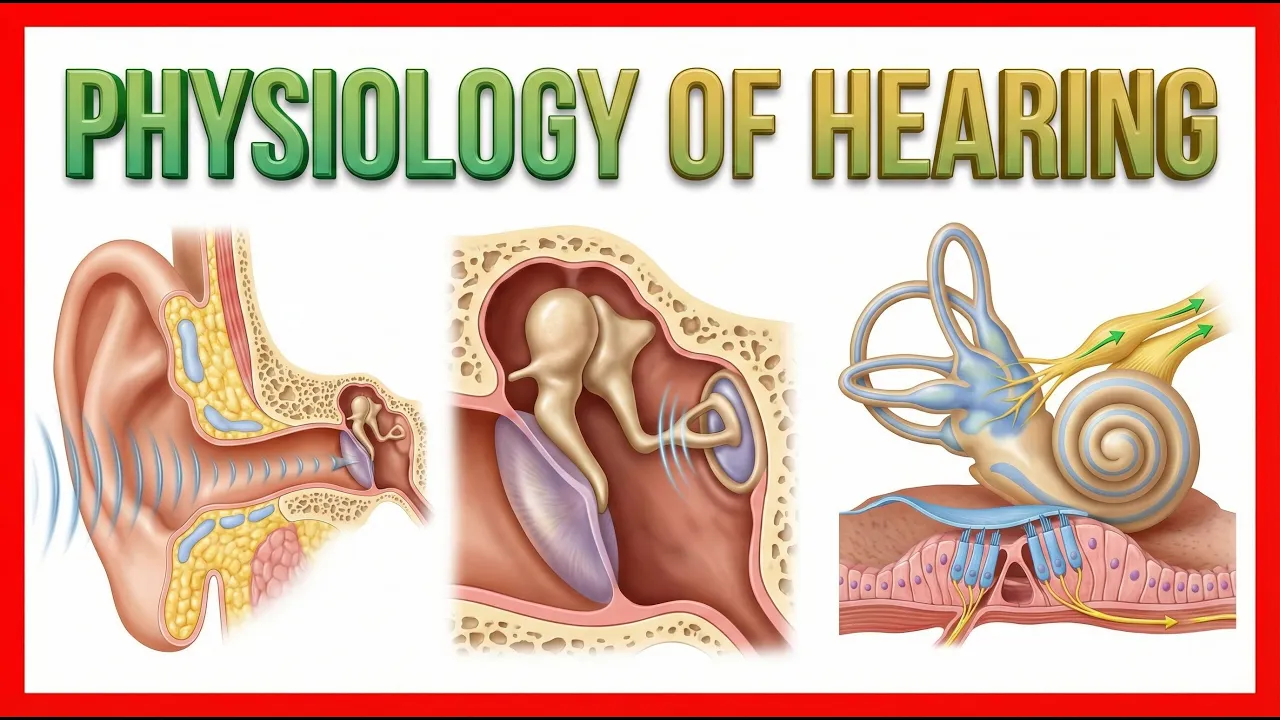
Why this video: Understanding how physical waves translate into biological signals is crucial to understanding the foundations of sound reproduction. This video provides a detailed biological and physical look at how sound pressure waves propagate through the outer ear, resonate across the tympanic membrane, amplify via middle-ear ossicles, and finally stimulate mechanical receptors in the cochlea's basilar membrane.

Why this video: This video breaks down the mechanical engineering principles behind Thomas Edison's 1877 phonograph. It shows how acoustic pressure waves collected by a horn force a thin diaphragm to vibrate, pushing a sharp recording stylus into a soft, rotating medium (initially tin foil or wax) to physicalize sound as varying groove depths.
Why this video: A practical, living-history demonstration of how physical grooves are cut onto a rotating soft wax cylinder. This video displays the real-world acoustic requirements and structural limitations of recording sound without any electrical amplification or microphones.
Knowledge Checkpoint
- Understand how physical air pressure waves are converted to mechanical movement via diaphragms.
- Describe the difference between "hill-and-dale" mechanical recording grooves and lateral grooves.
- Map the physical pathway of human hearing from mechanical outer ear collection to electrical signal generation in the cochlea.
Module 2: The Electrical Era: Microphones and Magnetic Tape
The transition from purely acoustic systems to electro-acoustic ones allowed sound levels to be boosted and edited dynamically. This module breaks down the physics of converting sound waves into electrical currents using dynamic and condenser microphones, the transition from wire recording to polymer magnetic tape, and the invention of multitrack recording and overdubbing by pioneers like Les Paul.
Recommended Videos

Why this video: This video bridges the gap highlighted in the curriculum review. It provides a technical breakdown of the electrical engineering differences between dynamic and condenser microphones. It clearly contrasts the electromagnetic induction mechanism (moving a wire coil within a magnetic field) with electrostatic capacitance changes (a moving diaphragm modifying distance to a charged backplate, requiring phantom power).
Why this video: This video reinforces the foundational physics of transduction. It demonstrates how acoustic sound waves are captured and converted into electric voltage signals across different early microphone formats.
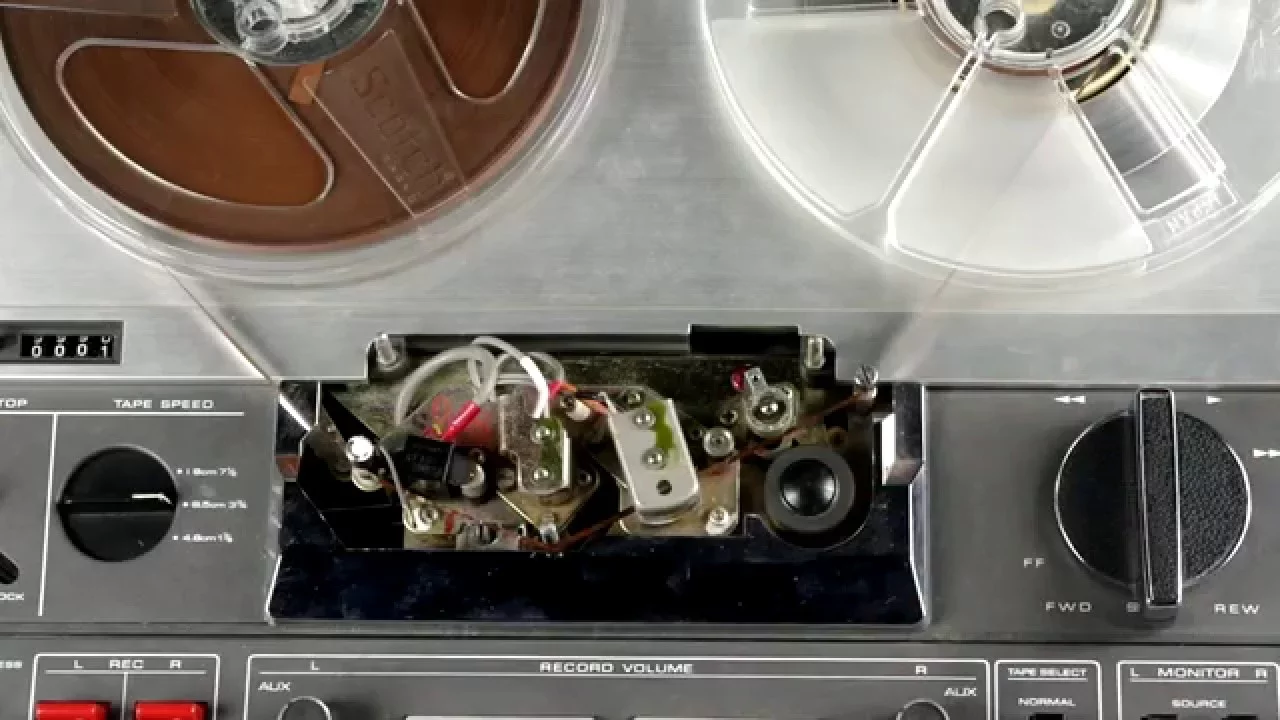
Why this video: A deep dive into electromagnetic tape storage. This video details how recording tape (plastic coated with magnetic iron oxide particles) is physically manipulated by a recording head's electromagnetic field, and how the discovery of high-frequency AC bias enabled true high-fidelity recording.

Why this video: Les Paul discusses and demonstrates the creative explosion of overdubbing and multitrack magnetic tape recording. This technical advancement changed recording from capturing a live performance to constructing complex, multi-layered acoustic arrangements over time.
Knowledge Checkpoint
- Explain the physics behind electromagnetic induction in a dynamic microphone vs. variable capacitance in a condenser microphone.
- Explain how iron oxide particles on magnetic tape store sound waves using varying polarization patterns.
- Define the process of multitrack recording and overdubbing, explaining how independent audio tracks are written to a single tape.
Module 3: The Digital Transition: Sampling, Bits, and the Compact Disc
This module details how continuous, variable analog electrical signals are converted into discrete binary code (zeros and ones). You will explore the mathematical foundations of the digital transition, including the Nyquist-Shannon sampling theorem, the role of bit depth in determining dynamic range, and the engineering behind reading digital information optically from compact discs (CDs).
Recommended Videos

Why this video: This video provides a detailed breakdown of the Nyquist-Shannon Sampling Theorem. It explains why a digital recording system must sample a sound wave at a frequency at least double that of the highest target audio frequency to avoid aliasing (distortion), and how this mathematical reality set the standard 44.1 kHz sampling rate.
Why this video: This video simplifies the relationship between sample rate (horizontal axis resolution representing time/frequency) and bit depth (vertical axis resolution representing amplitude/volume). It explains how quantization mapping determines dynamic range and signal-to-noise ratios.
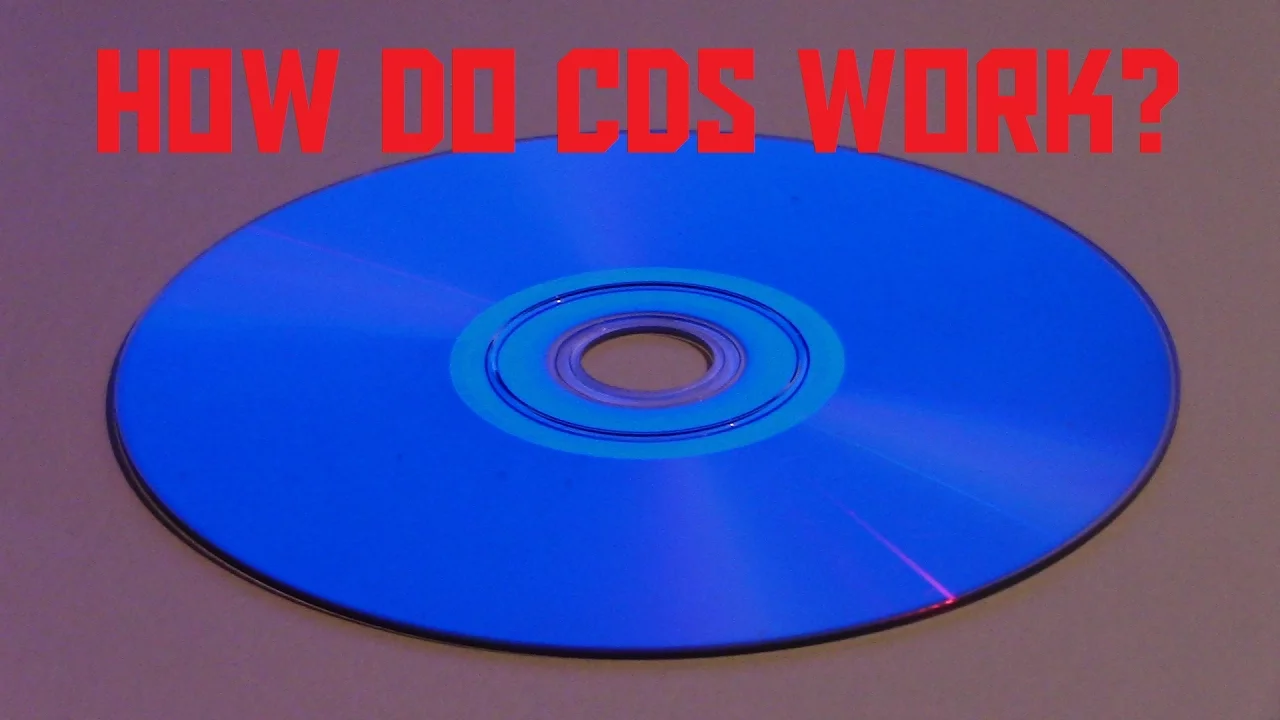
Why this video: Focuses on the physical and optical side of the digital transition. This video explains how binary data (zeros and ones) is etched as sub-micron physical pits and lands onto a polycarbonate CD and read using a high-precision optical laser.
Knowledge Checkpoint
- Formulate the Nyquist-Shannon theorem and state why the minimum sampling rate for human audio must be at least 40 kHz.
- Detail the difference in dynamic range limits between a 16-bit (CD quality) and a 24-bit audio signal.
- Describe how a CD player's optical pickup reads data based on laser light scattering off pits and reflecting off flat lands.
Module 4: Compression and the MP3: The Internet Music Revolution
Uncompressed digital audio (PCM/.WAV) requires massive storage capacity and high transmission bandwidth. This module explores the science of psychoacoustic compression that allowed digital music to scale across the internet. You will learn about how MP3 algorithms discard audio information based on the physical limits of human hearing, and how peer-to-peer (P2P) file-sharing software like Napster upended the global record industry.
Recommended Videos
Why this video: This video addresses the gap concerning psychoacoustic principles. It details how the biology of our inner ear's basilar membrane makes certain sound frequencies physically imperceptible in the presence of others, creating the foundation for lossy compression.

Why this video: A computer science breakdown of the MP3 codec's psychoacoustic model. The video details auditory masking: how the ear fails to register quieter sounds that occur immediately after or alongside louder sounds at adjacent frequencies, allowing those data blocks to be discarded entirely without perceived quality loss.
Why this video: An analytical comparison of modern audio file wrappers. It details the structural differences between uncompressed formats (.WAV), lossless compression formats (.FLAC, .ALAC), and lossy compression algorithms (.MP3, .AAC).

Why this video: A historical deep dive into the cultural and economic implications of the MP3 format. This documentary traces how P2P file-sharing platforms bypassed traditional physical retail networks, forcing the entire music industry to shift towards digital streaming.
Knowledge Checkpoint
- Define psychoacoustics and explain how auditory frequency and temporal masking are used in lossy compression.
- Explain the storage differences between a typical uncompressed WAV track and a compressed 128 kbps MP3 track.
- Define the architectural difference between centralized physical server hosting and decentralized peer-to-peer (P2P) file sharing.
Module 5: Cultural Preservation and Globalized Consumption
Recording technology has done more than reshape how music is commodified; it has preserved human cultural heritage. This module analyzes the historical development of ethnomusicology, focusing on the work of folklorists like John and Alan Lomax. You will learn how portable recording rigs made it possible to preserve regional music traditions and how digital storage archives now safeguard globally diverse acoustic expressions.
Recommended Videos

Why this video: Resolving the ethnomusicology gap, this video details how early regional preservation campaigns worked. It highlights how the Lomax family used early recording tools to capture, document, and study traditional field songs, oral histories, and spirituals that commercial record labels ignored.
Why this video: Discusses the 1934 field trips conducted by John and Alan Lomax in Southwest Louisiana. It details their goal of building non-commercial archives for the Library of Congress to safeguard regional dialects and minority musical traditions before they were homogenized by radio.

Why this video: A look inside the modern efforts of the Library of Congress Sound Archive. This video details how archivists systematically digitize, clean, and preserve historic fields recordings, highlighting the physical decay issues that threaten magnetic tape and wax cylinders.

Why this video: Highlights the massive preservation institutions working to store physical and digital sounds. This profile of the Archive of Contemporary Music (ARC) showcases the storage, cataloging, and preservation of millions of music releases, tracking globalized pop culture trends across a century of physical formats.
Knowledge Checkpoint
- Define the discipline of ethnomusicology and explain how recording technology transformed it from an observational field to a preservationist science.
- Analyze how John and Alan Lomax’s field-recording equipment enabled the preservation of non-commercial folk genres.
- Contrast the physical decay risks of analog storage media (such as magnetic tape sticky-shed syndrome or wax degradation) with the preservation challenges of digital media formats.
Course Map
Key People Index
- Thomas Alva Edison (1847–1931): Inventor of the mechanical phonograph in 1877. He established that acoustic vibrations could be recorded into and read from physical grooves on tin foil or wax.
- Valdemar Poulsen (1869–1942): Danish engineer who patented the Telegraphone in 1898, pioneering magnetic recording on steel wire.
- Les Paul (1915–2009): Celebrated guitarist and inventor who designed early multitrack tape recorders, introducing overdubbing, delay effects, and multi-layered tracking.
- Harry Nyquist (1889–1976) & Claude Shannon (1916–2001): Mathematicians who formulated the sampling theorem, showing how to perfectly reconstruct a continuous analog signal from discrete periodic samples.
- John Lomax (1867–1948) & Alan Lomax (1915–2002): Folklorists who traveled the US and Europe with portable recording setups, building a large-scale acoustic catalog of regional folk, blues, and traditional music for the Library of Congress.
Final Self-Assessment
- Explain how sound pressure changes move from mechanical vibrations in air to physical grooves in a wax cylinder.
- Distinguish between dynamic and condenser microphones based on their design, power requirements, and mechanical components.
- Detail the physical and chemical process of storing sound on magnetic tape using AC bias.
- State the mathematical requirements of the Nyquist-Shannon Sampling Theorem.
- Define quantizing and explain how bit depth affects the total dynamic range and signal noise of a digital recording.
- Explain how CD players use optical lasers to read physical pits and lands as digital bits.
- Describe the physiological basis of auditory frequency masking and temporal masking.
- Explain how lossy MP3 compression uses psychoacoustic properties to reduce file sizes by up to 90% without audible quality loss.
- Outline the history of the Napster file-sharing network and how it changed music distribution.
- Contrast the physical decay issues of analog formats with the digital obsolescence challenges facing modern preservationists.
- Explain the contributions of John and Alan Lomax to ethnomusicology and cultural preservation.