Pax Mongolica — Trade, Technology & Culture
Learning Goal: Examine how the Pax Mongolica facilitated unprecedented cultural, economic, and technological exchange across the Silk Road network during the 13th and 14th centuries.
- Prerequisites: None (an open-minded historical perspective on the medieval world is recommended).
- Estimated Study Time: 12 Hours
Module 1: Foundations of Empire: Genghis Khan and Unification
This module introduces the historical backdrop of the Mongol Empire. You will learn how fragmented, warring nomadic tribes of the Mongolian Steppe were unified under Temüjin (Genghis Khan) in 1206. This political consolidation laid the foundation for the largest contiguous land empire in human history, paving the way for the security and expansion of trans-Eurasian trade.
Recommended Videos
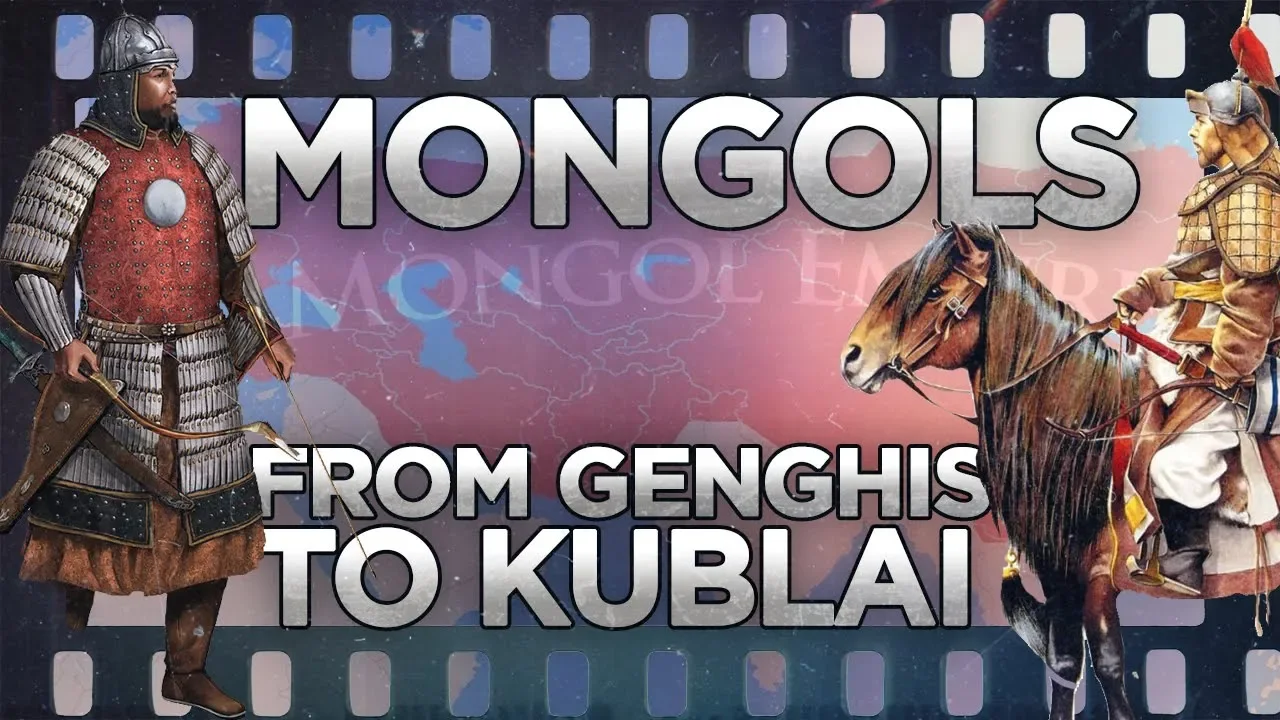
Why this video: This epic, feature-length documentary offers a highly detailed operational and political overview of the Mongol Empire's rise. It traces the military innovations, meritocratic reforms, and organizational restructuring executed by Genghis Khan and his successors, leading up to the reign of Kublai Khan.
Knowledge Checkpoint
- Explain how Genghis Khan abolished the traditional tribal aristocratic hierarchy in favor of a merit-based military decimal system.
- Describe the geographical extent of the Mongol Empire from its origins on the East Asian steppe to its expansion into Eastern Europe and the Middle East.
- Identify the core tactical advantages (e.g., horse archery, psychological warfare) that allowed the Mongol armies to defeat numerically superior sedentary forces.
Why this video: This animated, trial-style format engages with the complex, dual legacy of Genghis Khan. It contrasts his brutal military campaigns with his forward-thinking administrative achievements, such as religious tolerance, civil codes, and the stabilization of global trade networks.
Knowledge Checkpoint
- Analyze the tension between the severe human cost of the Mongol conquests and the administrative benefits of the Pax Mongolica.
- Discuss how Genghis Khan's civil reforms, such as the census and universal law, supported the long-term stabilization of conquered territories.
Module 2: Administrative Peace: The Infrastructure of Pax Mongolica
This module examines the structural logistics, administrative tools, and communication networks that preserved order and guaranteed security across thousands of miles. You will explore how the Mongol state transformed a military communications system into a secured transit corridor for diplomats, merchants, and ideas.
⚠️ Curriculum Note (Coverage Gap): Video media details on the specific administrative and legal codes of the Yassa (the customary code of law decreed by Genghis Khan) are brief in general coverage. To master this module, independently research how the Yassa penalized banditry and standardized legal responsibilities across different Khanates.
Recommended Videos

Why this video: This targeted segment provides a concise visualization of the Yam (or Ortoo) postal system, explaining how strategically placed stations enabled rapid message transmission and reliable continental logistics.
Knowledge Checkpoint
- Diagram the operational mechanism of the Yam relay network, noting station spacing and horse exchanges.
- Explain how local sedentary and nomadic populations were structurally integrated to supply and support these imperial stations.
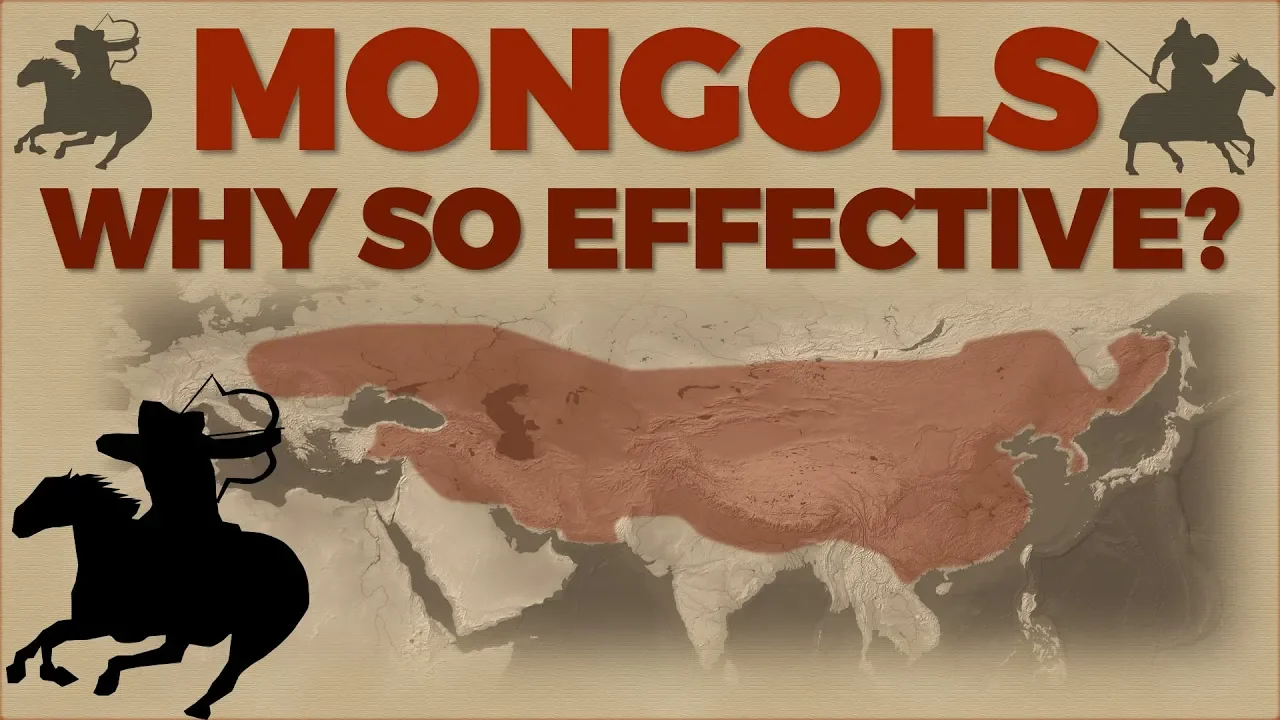
Why this video: This structural analysis details the sophisticated communication and intelligence operations of the Mongol state, highlighting how the infrastructure of conquest became the infrastructure of peace.
Knowledge Checkpoint
- Explain how a system designed for military mobilization transitioned into an administrative asset for trade and diplomacy.
- Assess how centralized command structures preserved imperial cohesiveness across the distinct regional Khanates.

Why this video: This short historical profile explains the Paiza—the official passport of the Mongol Empire—which granted its bearer diplomatic immunity, authorization to utilize the Yam network, and access to resources.
Knowledge Checkpoint
- Identify the material grading of Paizas (wood, bronze, silver, gold) and what they indicated about the holder's authority.
- Describe the legal privileges and responsibilities associated with possessing a Paiza.
Module 3: Economic Integration: Commercial Revolution on the Silk Road
This module looks at the economic policies of the Mongol courts. You will examine the creation of caravanserais, tax incentives for international merchants, and the development and administration of paper currency.
⚠️ Curriculum Note (Coverage Gap): Comprehensive visual resources on the fiscal mechanics of the Chao (paper currency under Kublai Khan) are rare. We recommend supplementing your learning by reading academic articles on how the Yuan Dynasty backed its paper money with silver reserves to manage inflation.
Recommended Videos

Why this video: This educational audio-documentary segment explains how the Pax Mongolica transformed the Silk Road from a highly dangerous, disjointed network of regional trails into the largest protected free-trade zone in premodern history.
Knowledge Checkpoint
- Explain how the removal of localized tariffs and tolls affected the price and movement of commodities across Eurasia.
- Identify key commercial luxury goods that experienced unprecedented movement during the 13th and 14th centuries.
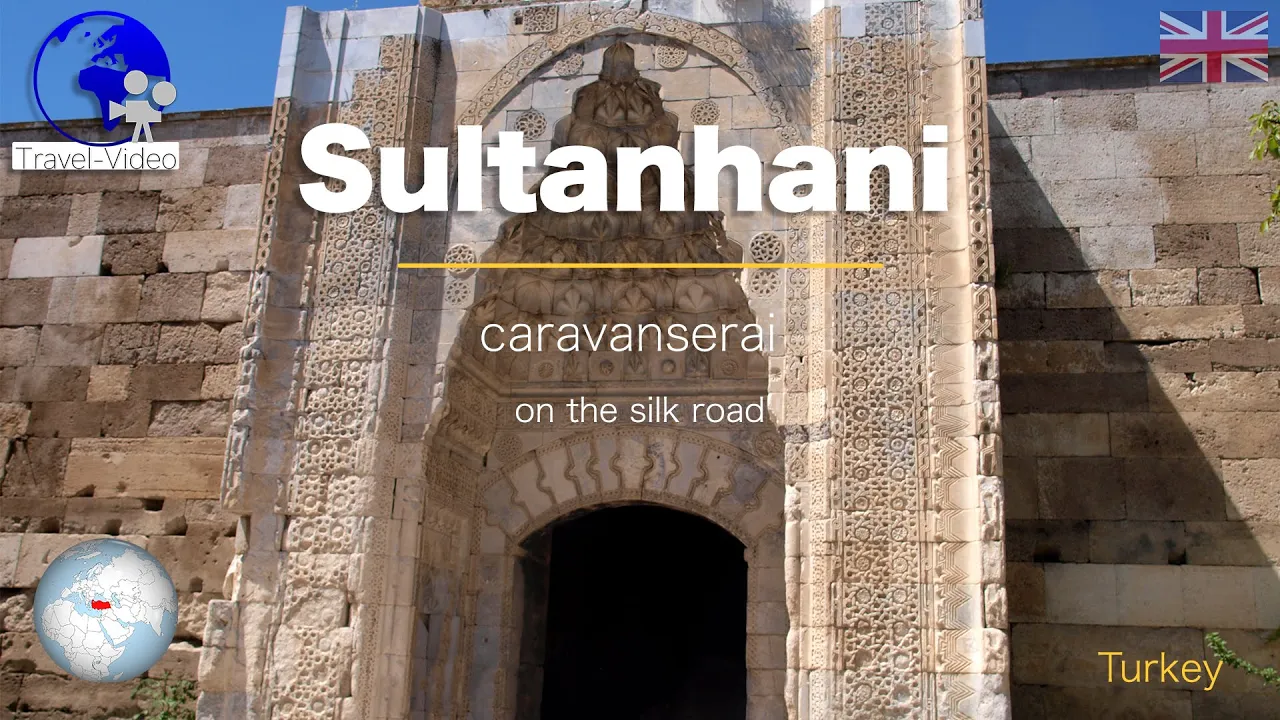
Why this video: This visual journey through Turkey's Sultanhani caravanserai shows the physical nodes of Silk Road commerce. It demonstrates how these fortified structures served as secure overnight shelters, marketplaces, and cross-cultural gathering places.
Knowledge Checkpoint
- Describe the physical security architecture of a standard caravanserai.
- Detail the services (e.g., stables, baths, medical care, markets) that caravanserais provided to transient merchants.

Why this video: This brief extract explains the economic logic behind the Mongol state's protective relationship with merchants. It outlines why securing the Silk Road was a deliberate fiscal strategy to generate tax revenue.
Knowledge Checkpoint
- Discuss the transition of the Mongol elite from wealth acquisition via direct raiding to wealth acquisition via merchant taxation.
- Define the role of the Ortogh (merchant associations partner-funded by Mongol elites) in early venture capital and commercial risk sharing.
Module 4: Technological Transfer: East to West Knowledge Flow
This module examines how the Pax Mongolica facilitated the transmission of critical technologies—most notably gunpowder, papermaking, block printing, and maritime navigational aids—from East Asia to the Middle East and Europe.
⚠️ Curriculum Note (Coverage Gap): While excellent videos exist on gunpowder, long-form videos showing the specific transmission routes of Chinese block printing and papermaking through the Ilkhanate are limited. Supplement this module by researching the role of the Mongol courts in Tabriz as key hubs of East-West intellectual exchange.
Recommended Videos

Why this video: This video offers a detailed history of how the Mongol military adopted Chinese chemical formulas and mechanical engineering, and subsequently dispersed gunpowder technology across Central Asia, Persia, and into European battlefields.
Knowledge Checkpoint
- Identify the primary mechanisms by which the Mongol armies acquired Chinese gunpowder expertise.
- Name the earliest confirmed military engagements where Europeans encountered gunpowder-based projectile weapons or siege devices.

Why this video: This lecture excerpt details the westward migration of paper technology along the Silk Road, illustrating how the physical medium of bureaucracy, literature, and finance reached the Islamic world and beyond.
Knowledge Checkpoint
- Outline the historical stages of paper’s geographic expansion from East Asia to the Abbasid administrative center of Baghdad.
- Analyze the administrative impact of cheap, durable paper on the governance of expansive medieval empires.
Why this video: This short video outlines the global importance of the printing and paper revolution, explaining how cross-cultural contacts along the Silk Road created the conditions for Europe's later print revolution.
Knowledge Checkpoint
- Contrast the speed and scale of information transmission before and after the widespread adoption of printing and paper technology in the Middle East and Europe.
Module 5: Cosmopolitan Courts: Cultural Exchange & Famous Travelers
This module covers the cultural and intellectual exchanges in the courts of the Mongol Khans. You will study their official policies of religious tolerance and trace the journeys of legendary travelers like Marco Polo and Ibn Battuta, whose journeys were made possible by the Pax Mongolica.
Recommended Videos
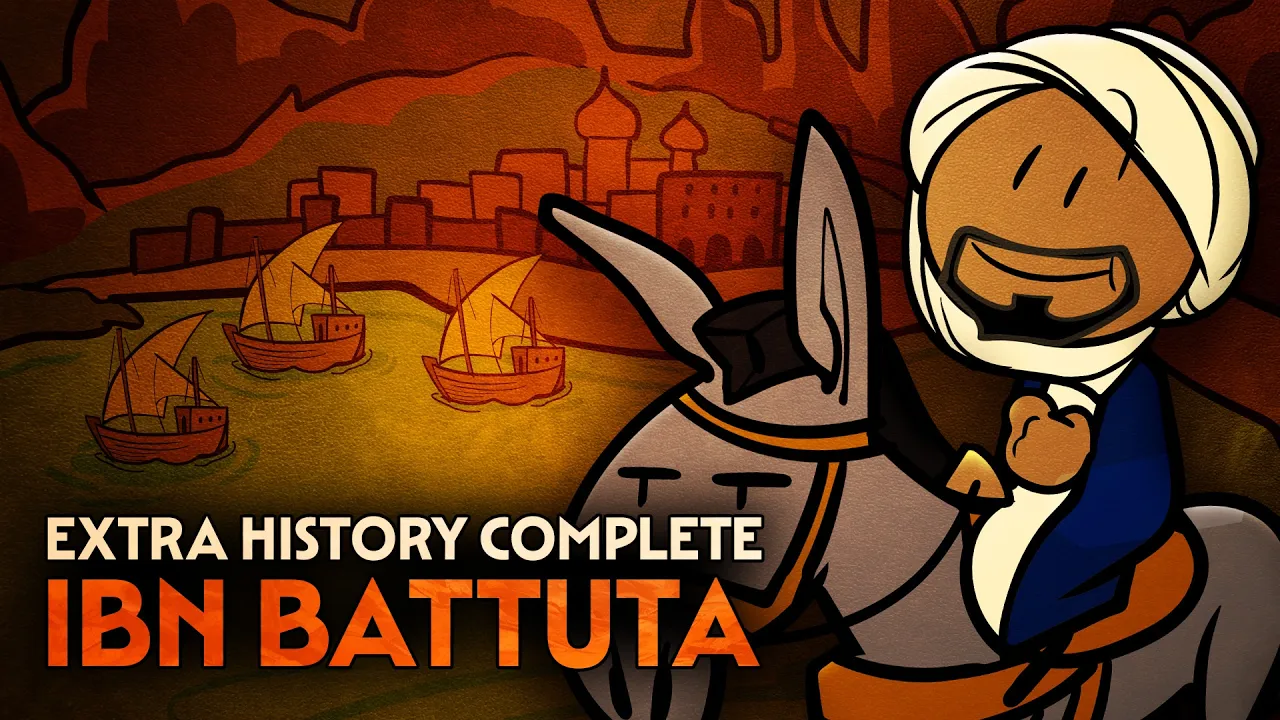
Why this video: This animated series traces the 24-year journey of the Moroccan scholar Ibn Battuta. It illustrates how the Pax Mongolica and shared Islamic networks allowed him to travel across North Africa, the Middle East, Central Asia, India, China, and Southeast Asia.
Knowledge Checkpoint
- Identify the political and religious conditions that enabled Ibn Battuta to find consistent employment as a judge (qadi) across diverse regions.
- Explain how Mongol conversion to Islam affected the administration and culture of the Golden Horde and the Ilkhanate.
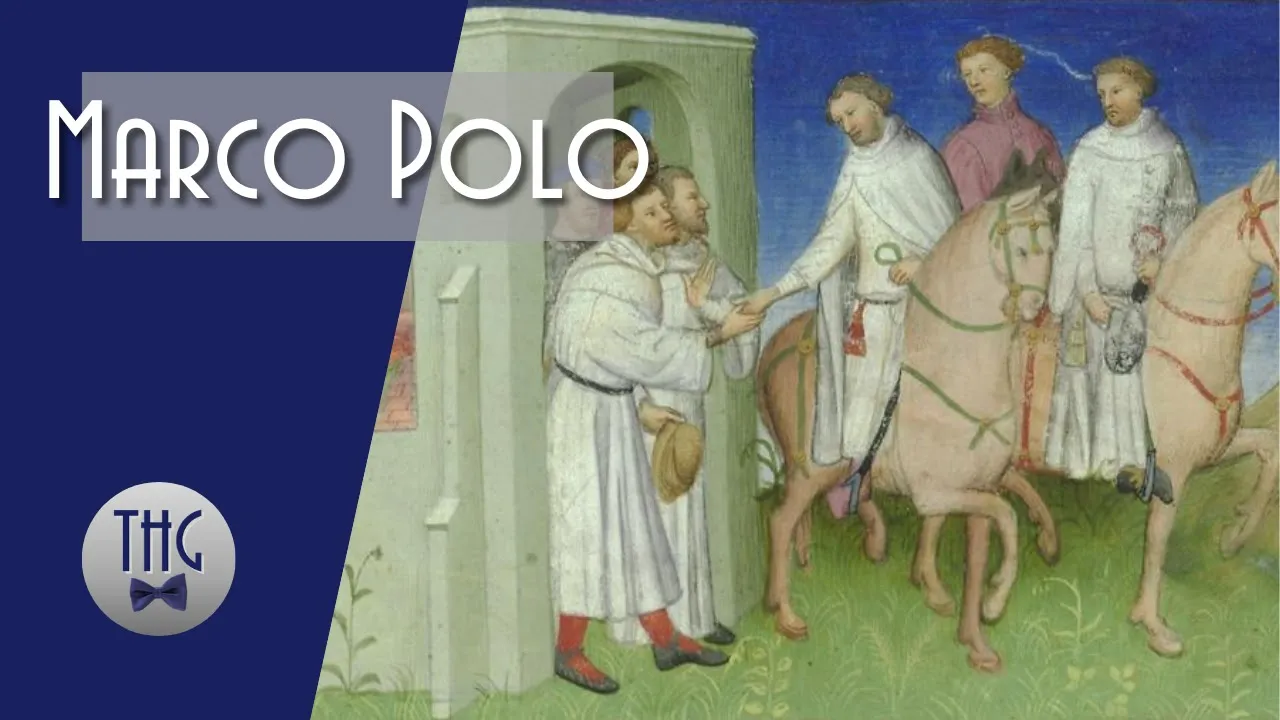
Why this video: This documentary reviews Marco Polo's journey from Venice to Khanbaliq, his 17 years in service to Kublai Khan, and how his written travelogue reshaped Europe's understanding of Asian economies.
Knowledge Checkpoint
- Explain why Kublai Khan employed foreign administrators like Marco Polo instead of relying solely on traditional Chinese elites.
- Discuss the impact of Polo's descriptions of paper currency, coal, and scale of trade on the European mercantile imagination.
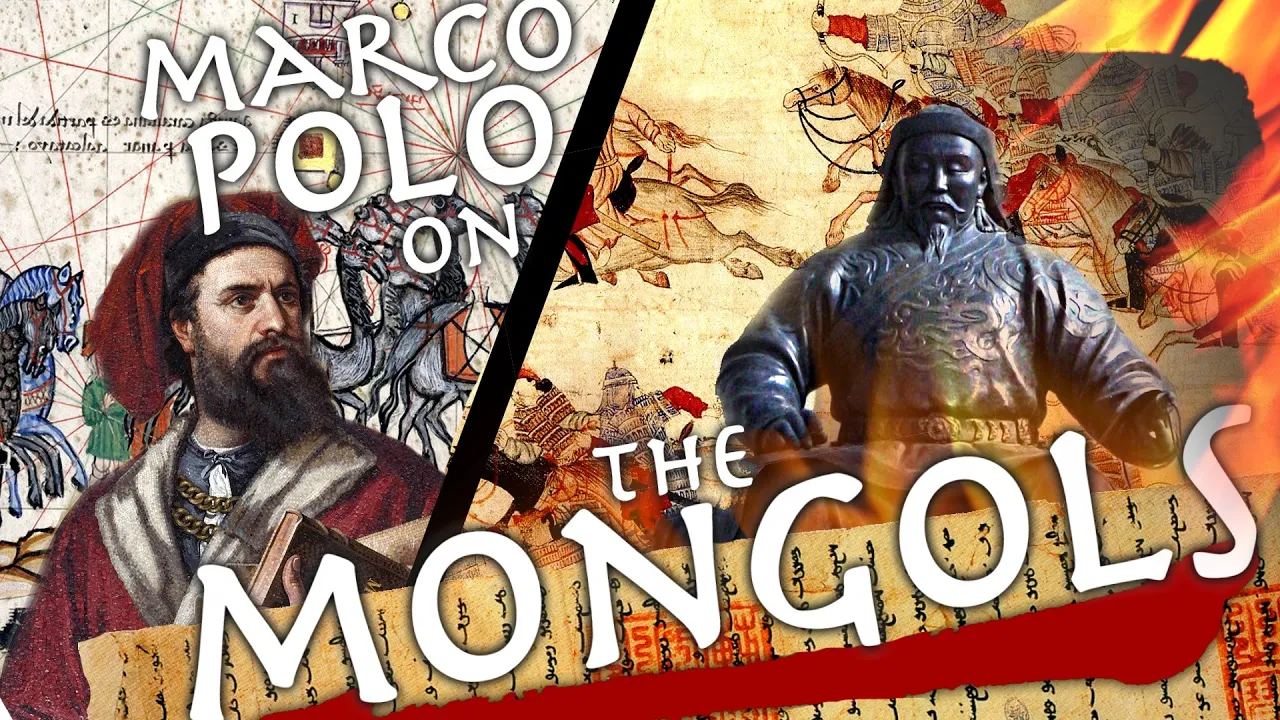
Why this video: This reading of Marco Polo’s original 13th-century manuscript provides direct access to primary-source observations of Mongol military discipline, court rituals, and resource management.
Knowledge Checkpoint
- Analyze Polo’s perspective on the social status, labor, and economic contributions of Mongol women.
- Describe how the Great Khan managed resource logistics and communication within his royal court.
Why this video: This short historical explainer focuses on the Mongol Empire's policy of religious freedom. It details how the Khans sponsored and protected diverse religious communities (Buddhists, Nestorian Christians, Muslims, and Daoists) to ensure imperial stability.
Knowledge Checkpoint
- Explain why Mongol rulers actively supported multiple religions instead of imposing a single state religion.
- Describe the exemptions from taxes and corvée labor that the Khans granted to religious leaders of various faiths.
Module 6: The Dark Side of Connectivity: Plague and the Empire's End
This final module examines the epidemiological consequences of early globalization. You will explore how the secure, rapid trade routes of the Pax Mongolica also served as an ideal vector for the transmission of Yersinia pestis (the Black Death), causing massive population loss and the economic and political collapse of the empire.
Recommended Videos
Why this video: This animation traces the transmission path of the Black Death from East Asia, through the Mongol Khanates, to Europe. It shows how the connectivity of the Silk Road directly accelerated the pandemic.
Knowledge Checkpoint
- Map the path of the plague bacterium from its endemic reservoirs in Central/East Asia through the trade nodes of the Pax Mongolica.
- Detail how the demographic losses of the Black Death weakened administrative control in the Ilkhanate and the Yuan Dynasty.
Why this video: This video focuses on the 1347 Siege of Kaffa in Crimea, illustrating how military operations and Genoese maritime trade networks introduced the plague into the Mediterranean basin.
Knowledge Checkpoint
- Explain the strategic importance of Kaffa as a transition point between the Mongol land routes and Genoese maritime routes.
- Evaluate the historical consensus regarding the Mongol siege of Kaffa and its role in spreading the plague.

Why this video: This short video addresses the historical paradox of the Pax Mongolica: how peace, open borders, and efficient logistics created the conditions for a devastating pandemic.
Knowledge Checkpoint
- Explain how rapid overland transit systems, like the Yam network, reduced the natural quarantine time of travelers and traders.
Course Map
This flowchart outlines the module sequence, showing how political foundations led to administrative structure, which enabled economic, technological, and cultural exchange before ending with the pandemic and the empire's collapse.
Key People Index
- Genghis Khan (Temüjin) (1162–1227): The visionary leader who unified the nomadic tribes of the Mongolian plateau, established the basic legal codes of the Yassa, and designed the Yam postal network.
- Kublai Khan (1215–1294): The grandson of Genghis Khan who founded the Yuan Dynasty in China, established the cosmopolitan capital of Khanbaliq, and served as patron to global travelers and merchants.
- Marco Polo (1254–1324): A Venetian merchant and diplomat who spent seventeen years in China under Kublai Khan's patronage, recording the economic and administrative scale of East Asia.
- Ibn Battuta (1304–1369): A Moroccan legal scholar who traveled more than 75,000 miles, crossing several Mongol Khanates and documenting the integration of Islam and Mongol statecraft.
- Börte (c. 1161–1230): The grand empress and wife of Genghis Khan, who played an essential role in managing the administrative core of the Mongolian homeland.
Final Self-Assessment
Use this checklist to evaluate your understanding of the Pax Mongolica.
- I can explain how Genghis Khan unified the nomadic tribes of Mongolia and built the military foundation of the empire.
- I can describe the logistical operations of the Yam (or Ortoo) communication system and its importance to imperial administration.
- I can explain the legal purpose of a Paiza and how it guaranteed secure travel for merchants and diplomats along the Silk Road.
- I can discuss the role of caravanserais in securing trans-Eurasian trade routes and supporting cross-cultural interactions.
- I can explain the fiscal strategy behind the Mongol elite's protection and partnership with merchants, including the Ortogh coalitions.
- I can trace the westward transmission of gunpowder from China to the Islamic world and Europe through Mongol military networks.
- I can describe the spread of paper-making and block-printing technologies along Mongol-controlled trade routes.
- I can analyze how the official policy of religious tolerance practiced by the Mongol Khans supported the stability of their vast empire.
- I can compare and contrast the travel experiences and observations of Marco Polo and Ibn Battuta.
- I can explain how the efficient transit networks of the Pax Mongolica facilitated the rapid spread of the Black Death (Yersinia pestis) in the 14th century.
- I can evaluate how the demographic, economic, and administrative impacts of the Black Death contributed to the fracturing and collapse of the Mongol Empire.