Stream of Consciousness in Modernist Literature (Modernism & Narrative)
Learning Goal: Trace the development of the Stream of Consciousness technique in early 20th-century Modernist literature, analyzing how writers disrupt traditional syntax and narrative time to represent the fluid nature of human thought.
- Prerequisites: Basic familiarity with 19th-century realism, narrative voice, and introductory literary analysis.
- Estimated Total Study Time: 12 hours (including video lectures, textual analysis, and conceptual exercises).
Module 1: Foundations of Modernism and Psychological Time
This module explores the shift from late Victorian realism to Modernism. It focuses on the crucial transition from objective, external reporting to radical subjectivity. You will examine the psychological theories of William James—who coined the term "stream of consciousness"—alongside Henri Bergson’s revolutionary philosophy of la durée (subjective time vs. mechanical clock time). This foundation explains why the formal shifts of Modernism became necessary.
Recommended Videos
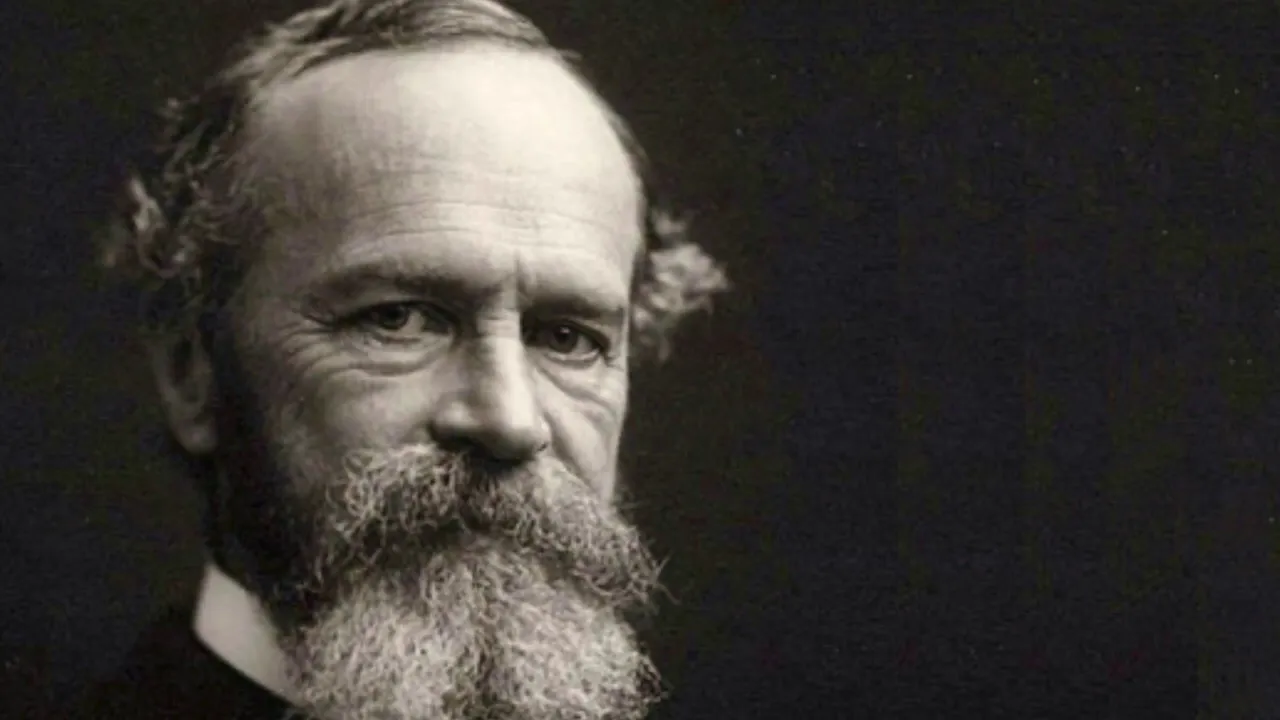
- Why this video: This video provides an in-depth philosophical and psychological analysis of William James's seminal chapter from The Principles of Psychology (1890). It explains why James rejected the "building block" theory of the mind in favor of an uninterrupted, continuous flow of thoughts, memories, and sensory data, which is crucial for understanding the literary mimicry of this mental phenomenon.

- Why this video: Henri Bergson's concept of la durée (duration) is the bedrock of Modernist temporal structures. This lecture explains Bergson's view of time as a continuous, qualitative, and deeply personal experience that cannot be measured by discrete clock ticks. This philosophy directly influenced how writers like Woolf and Joyce structured their non-linear narratives.
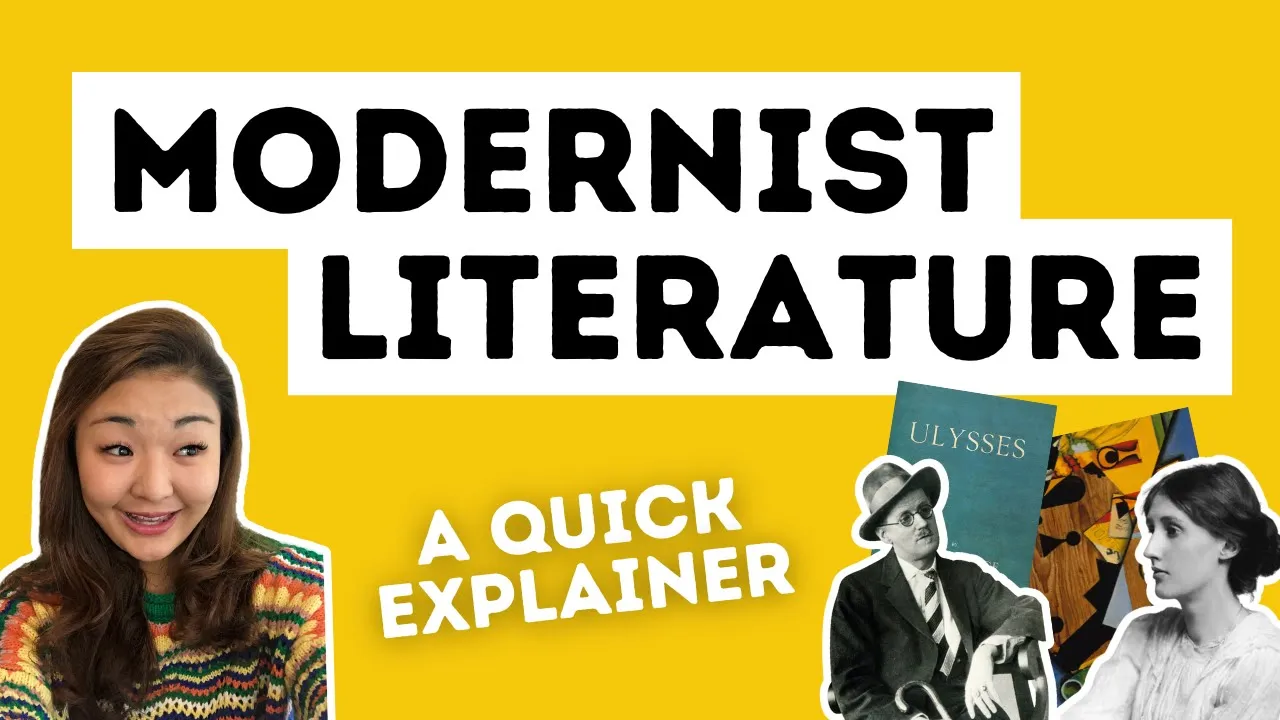
- Why this video: This lecture places these psychological and philosophical shifts within the broader cultural landscape of early 20th-century Europe. It highlights how rapid industrialization, urbanization, and the horrors of World War I shattered traditional, linear modes of storytelling and necessitated avant-garde narrative experimentation.
Knowledge Checkpoint
- Contrast William James’s concept of a continuous "stream" with the associationist psychology that preceded it.
- Define la durée according to Henri Bergson and explain how it differs from objective, spatialized clock time.
- Identify three historical and cultural catalysts that led early 20th-century Modernist writers to reject Victorian realist conventions.
Module 2: The Birth of the Literary Technique: Richardson and Sinclair
This module traces how the stream of consciousness transitioned from a psychological term to a formal literary method. You will investigate May Sinclair's pioneering 1918 review of Dorothy Richardson’s Pilgrimage, where Sinclair first applied the term to literary criticism. Additionally, you will clarify the formal distinctions between the chaos of stream of consciousness and the structured nature of traditional interior monologue.
Note on Video Coverage: Because Dorothy Richardson’s work has historically received less mainstream coverage, academic lectures are rare. The selected videos provide critical context on the history of the term, Richardson's status as a pioneer, and the formal boundaries of the technique.
Recommended Videos
- Why this video: This concise explainer outlines the historical origins of the term's application to fiction, noting May Sinclair’s 1915/1918 critique of Dorothy Richardson's novel Pointed Roofs (the first volume of Pilgrimage). It establishes the direct historical link between psychological theory and literary craft.
- Why this video: In this short clip, Richardson’s role as an intimate of avant-garde thinkers and a true, under-appreciated pioneer of the stream of consciousness technique is affirmed, serving as a reminder of her foundational role in the movement before Joyce and Woolf popularized it.

- Why this video: This video clarifies a common point of confusion in narrative theory. By contrasting the chaotic, sensory, and pre-verbal nature of stream of consciousness with the more grammatically coherent, logically ordered "interior monologue," it equips you with the precise vocabulary needed for formal analysis.
Knowledge Checkpoint
- Explain how May Sinclair utilized William James's psychological concept to critique Dorothy Richardson’s Pilgrimage in 1918.
- List two defining features of Dorothy Richardson's narrative style that marked a departure from standard late-Victorian third-person narratives.
- Distinguish between stream of consciousness and interior monologue based on grammar, punctuation, and association.
Module 3: Disrupting Syntax and Association: James Joyce
This module focuses on the formal innovations of James Joyce in Ulysses (1922). You will analyze how Joyce systematically dismantled traditional sentence structures, discarded punctuation, and relied on sensory associative leaps to present the pre-verbal mechanisms of human thought. Special attention is dedicated to Leopold Bloom's daily perceptions and the unpunctuated prose of Molly Bloom's closing monologue.
Recommended Videos
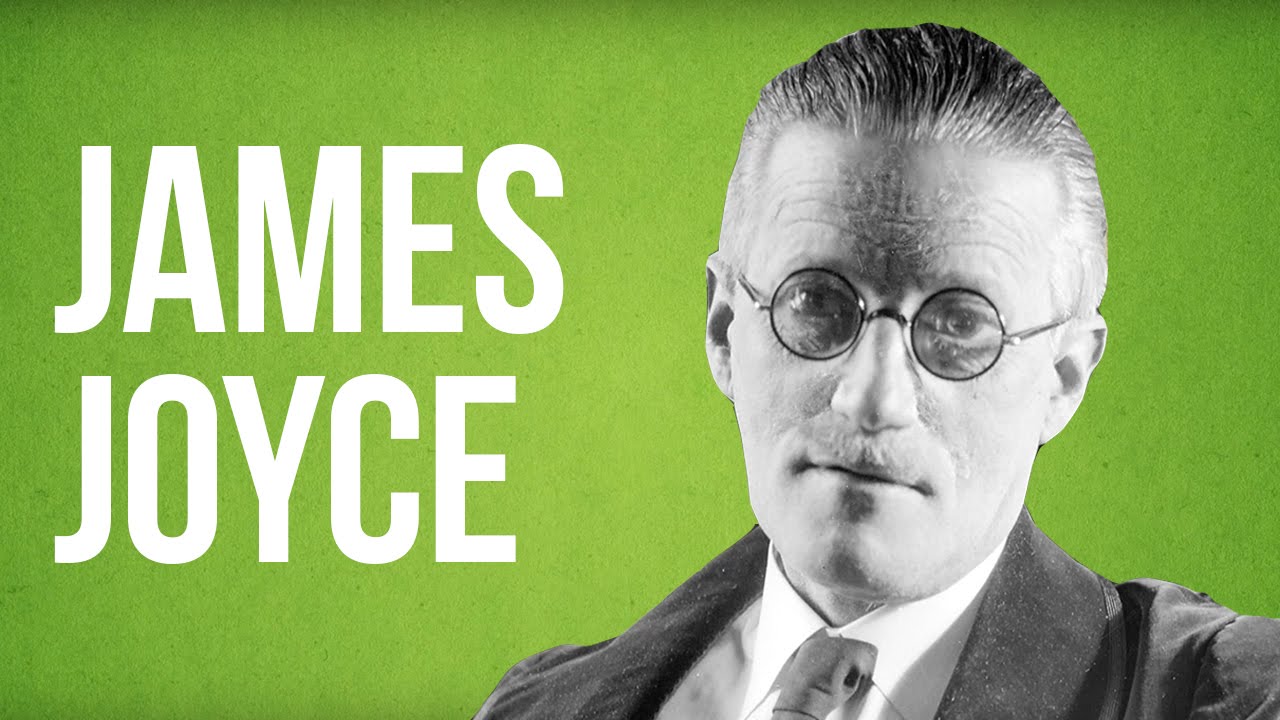
- Why this video: This video offers an excellent overview of Joyce's philosophy, demonstrating why he believed traditional realism failed to capture the truth of human experience. It details how his stylistic changes in Ulysses elevated everyday thoughts to the level of mythic art.
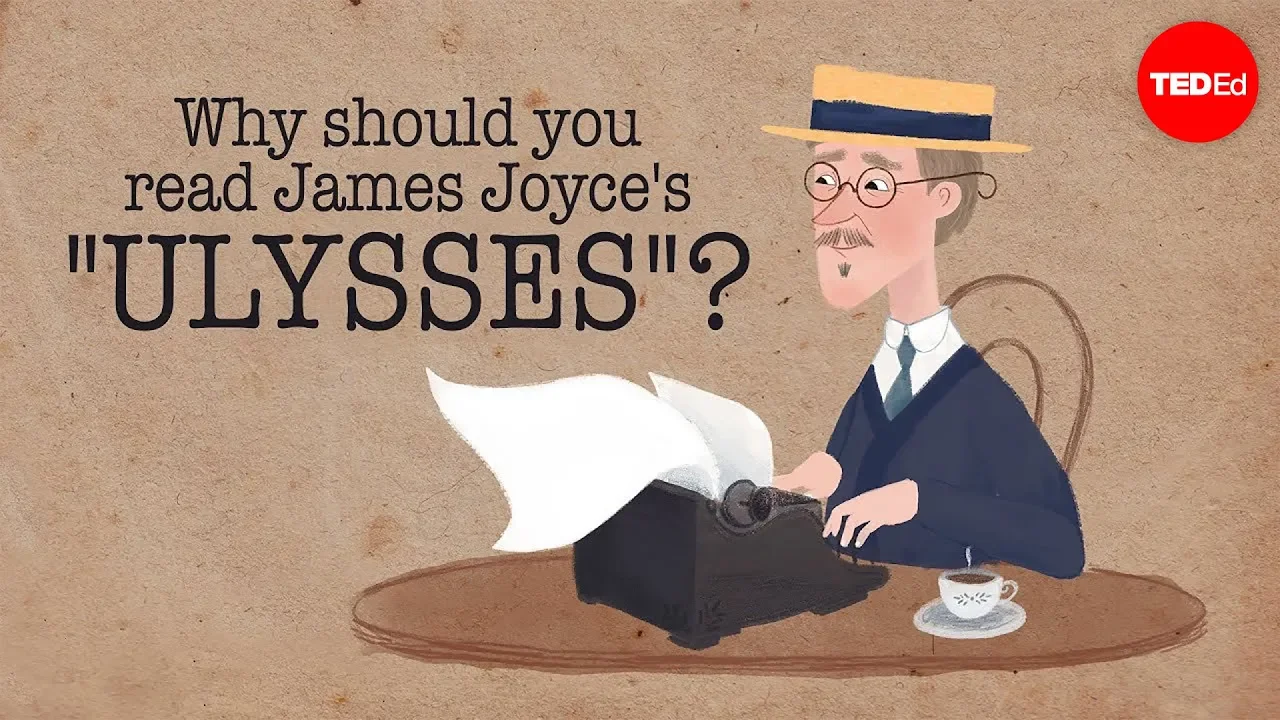
- Why this video: Animated and analytically sharp, this video explains the formal structures of Ulysses, emphasizing how each of its 18 chapters employs a unique stylistic variation of the interior monologue and stream of consciousness to fit the specific psychological states of its characters.
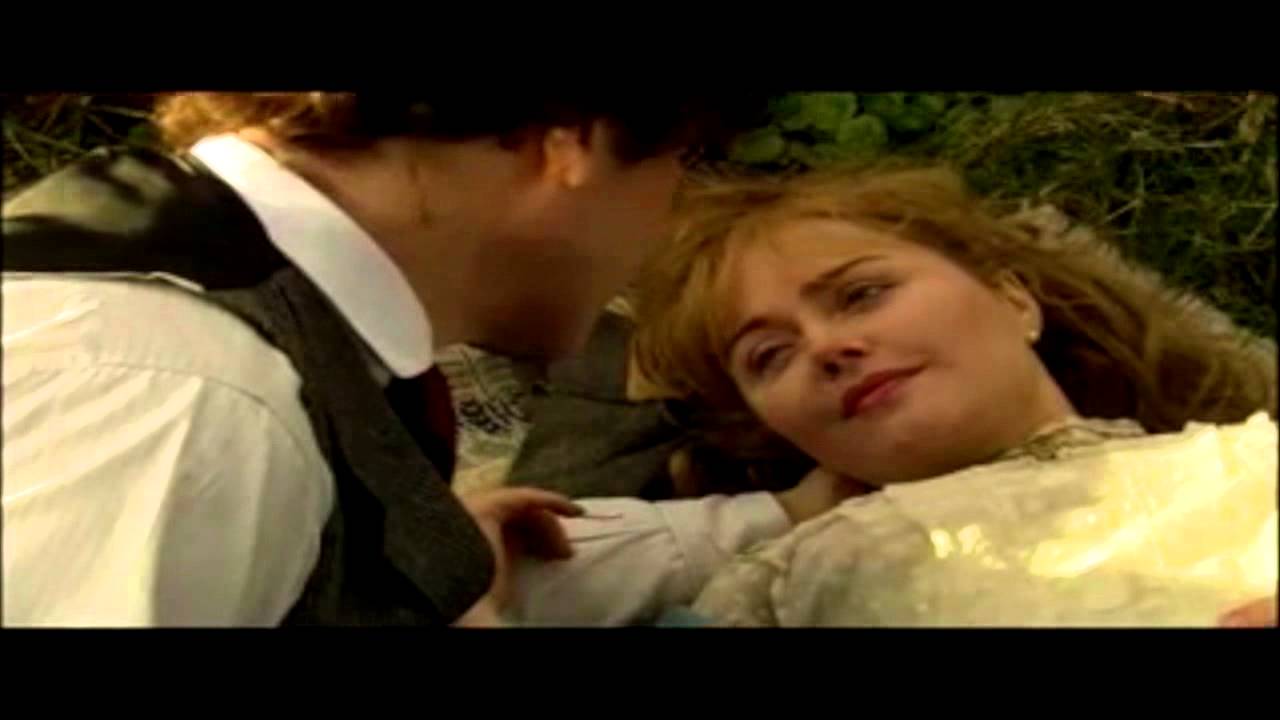
- Why this video: Molly Bloom's "Penelope" episode is the ultimate expression of unpunctuated stream of consciousness. This dramatic reading of the final fifty lines illustrates how the lack of punctuation and the rapid flow of associative memories recreate the state of mind between waking and sleeping.

- Why this video: This documentary clip explains Joyce's goal: to capture the human mind at the preverbal level before thoughts are organized into grammatically correct sentences. This provides a clear link to the psychological theories introduced in Module 1.
Knowledge Checkpoint
- Explain how Joyce uses "associative leaps" rather than logical or narrative transitions to guide Leopold Bloom's thoughts in Ulysses.
- Analyze how the absence of punctuation in the "Penelope" episode (Molly Bloom's soliloquy) alters the reader's experience of narrative time and syntax.
- What did Joyce mean by wanting to capture thoughts at a "preverbal" level? Give an example of how this is achieved grammatically.
Module 4: Impressionism and Subjective Time: Virginia Woolf
This module investigates Virginia Woolf’s poetic approach to interiority in Mrs. Dalloway (1925) and To the Lighthouse (1927). Unlike Joyce's coarse, unfiltered associative leaps, Woolf's style relies on Free Indirect Discourse—a method that seamlessly blends a third-person narrator with the distinct inner voice of a character. You will analyze how Woolf uses this technique to contrast the public chiming of clock time (Big Ben) with her characters' rich psychological duration.
Recommended Videos
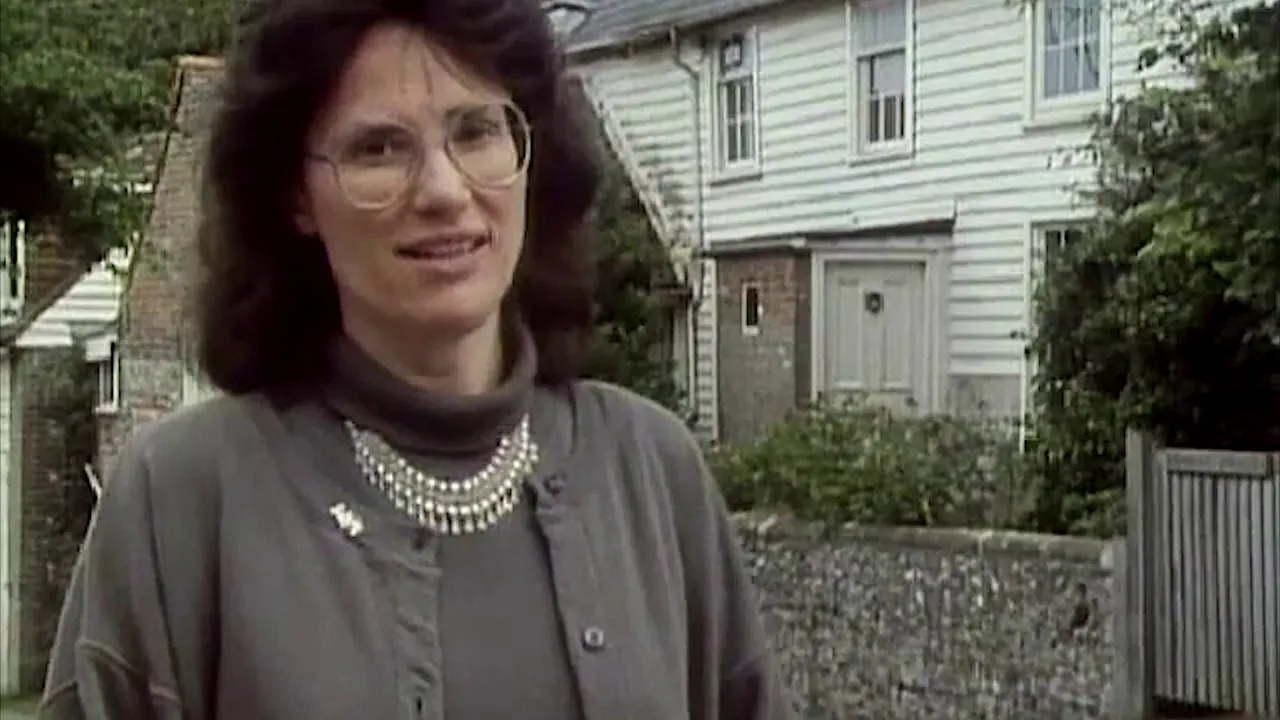
- Why this video: This vintage, high-quality archival documentary features academic discussions on Woolf's revolution in narrative style. It explores how she dissolved traditional narrative boundaries to show that human identity is a continuous wave of impressions rather than a static entity.

- Why this video: This short lecture breaks down Woolf's dual depiction of time in Mrs. Dalloway: "clock time" (represented by Big Ben's physical, authoritative chimes) and "psychological time" (the internal expansion where a single second can contain years of memory). This serves as a literary application of Bergson's theories.

- Why this video: To understand how Woolf revolutionized Free Indirect Discourse, one must understand how the technique functions. This video provides a clear, technical explanation of Direct, Indirect, and Free Indirect Discourse, helping you trace how the modernists adapted this tool to convey subjective thoughts.
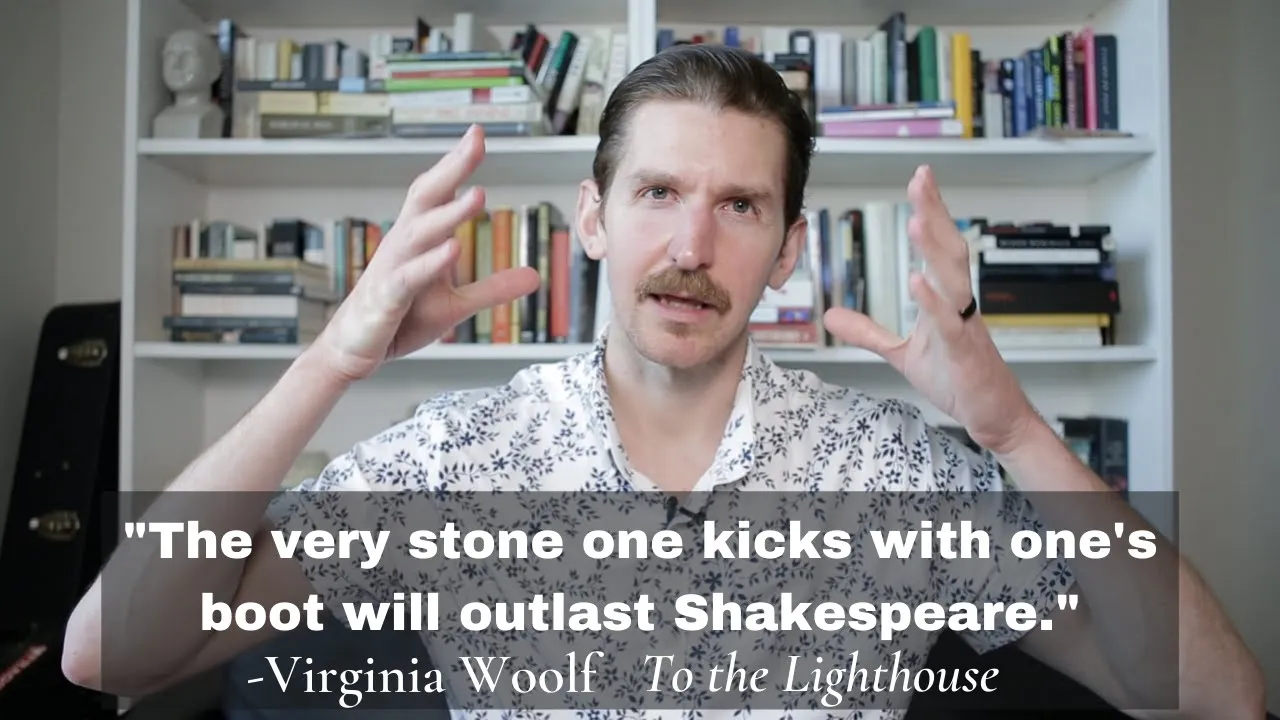
- Why this video: This review analyzes the formal structure of To the Lighthouse, focusing on how Woolf uses a collective, shifting stream of consciousness to explore the passing of time, loss, and the subjective reconstruction of memory.
Knowledge Checkpoint
- Define Free Indirect Discourse and contrast it with traditional third-person omniscient narration.
- Explain how Big Ben’s chimes in Mrs. Dalloway serve as a narrative anchor, shifting the reader from one character's internal thoughts to another's.
- Analyze the difference between Joyce's and Woolf's stream of consciousness styles, focusing on their differing uses of poetic language and punctuation.
Module 5: Fragmentation and Perspectives: William Faulkner
This final module focuses on William Faulkner’s radical adaptation of the stream of consciousness in the American South, particularly in The Sound and the Fury (1929). You will study how Faulkner used fragmented syntax, unannounced temporal shifts, and multiple narrators to explore trauma, memory lapses, and subjective truth. This analysis focuses on the challenges of reading the non-linear, highly associative opening section narrated by Benjy Compson.
Recommended Videos

- Why this video: Part of Yale's open courses, this lecture on The Sound and the Fury is a masterclass in analyzing Modernist form. Professor Wadlington explains how Benjy's section lacks a concept of time, forcing readers to piece together a fragmented narrative puzzle.

- Why this video: This comprehensive reading guide offers practical strategies for navigating Faulkner's deliberate narrative difficulty. It explains why Faulkner shifts between characters (Benjy, Quentin, and Jason) and how these shifts reflect their psychological states.
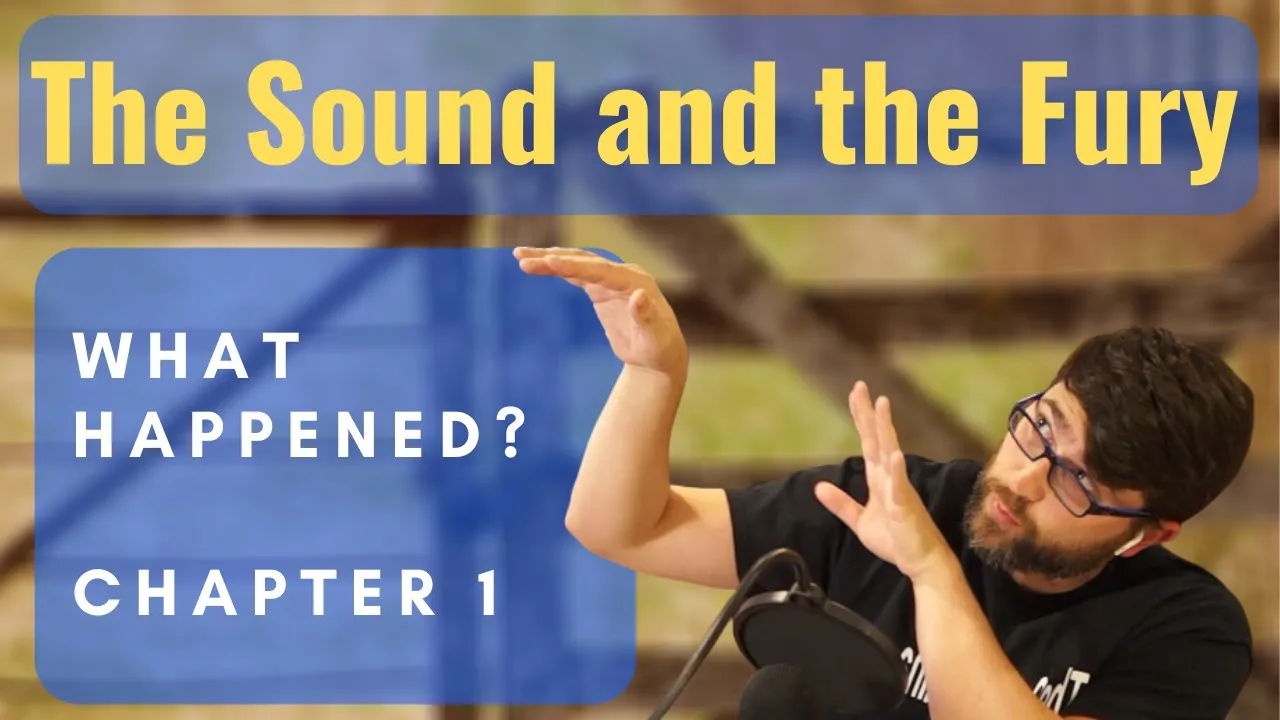
- Why this video: This video provides a close-reading analysis of the infamously difficult Benjy section. It demonstrates how sensory triggers (like the word "caddy") cause Benjy's thoughts to jump across three decades without transitions, illustrating the chaotic flow of human memory.

- Why this video: This excerpt from As I Lay Dying highlights Vardaman’s famously brief, fragmented chapter ("My mother is a fish"). It shows how Faulkner used minimalist stream of consciousness to represent a child's psychological trauma and confusion.
Knowledge Checkpoint
- Explain how Faulkner signals shifts across different decades in Benjy Compson’s section of The Sound and the Fury (e.g., italics, sensory triggers).
- Describe the narrative purpose of using multiple, conflicting first-person stream of consciousness viewpoints to tell a single story.
- How does Vardaman's chapter ("My mother is a fish") use fragmented syntax to convey trauma and grief?
Course Map
Below is the recommended pathway through the modules. Note how the philosophical foundation established in Module 1 feeds directly into the stylistic developments of the subsequent modules.
Key People Index
- William James (1842–1910): American psychologist and philosopher. In The Principles of Psychology (1890), he coined "stream of consciousness" to argue that human awareness is a continuous flow rather than a series of fragmented ideas.
- Henri Bergson (1859–1941): French philosopher who formulated the concept of la durée (duration). He argued that time is a subjective, qualitative experience, which deeply influenced Modernist experiments with non-linear narratives.
- Dorothy Richardson (1873–1957): British novelist who pioneered stream of consciousness in her multi-volume novel Pilgrimage. Her work focused on capturing the internal experience of her female protagonist.
- May Sinclair (1863–1946): British writer and critic. In 1918, she became the first person to apply the term "stream of consciousness" to literature when reviewing Dorothy Richardson's work.
- James Joyce (1882–1941): Irish novelist who pushed the stream of consciousness technique to its syntactic and associative limits in Ulysses (1922).
- Virginia Woolf (1882–1941): English writer who refined stream of consciousness through poetic language and Free Indirect Discourse, exploring the tension between public clock time and private subjective time.
- William Faulkner (1897–1962): American novelist who adapted Modernist stream of consciousness to the American South, utilizing fragmented perspectives, non-linear timelines, and traumatized voices.
Final Self-Assessment
Review this checklist to assess your understanding of the stream of consciousness technique and its historical development:
- Can you define the transition from Victorian realism to Modernist subjectivity, citing at least two historical or cultural causes?
- Can you explain the psychological origins of the term "stream of consciousness" as coined by William James?
- Can you explain Henri Bergson's concept of la durée and contrast it with objective "clock time"?
- Can you explain May Sinclair's role in introducing "stream of consciousness" to literary criticism in 1918?
- Can you distinguish between the formal properties of stream of consciousness and interior monologue?
- Can you analyze how James Joyce disrupts standard syntax and punctuation to represent pre-verbal thought patterns?
- Can you define Free Indirect Discourse and identify an example of it in Virginia Woolf's writing?
- Can you explain how Woolf uses clock chimes to shift between different characters' internal thoughts?
- Can you explain how William Faulkner uses sensory triggers to shift between different time periods in The Sound and the Fury?
- Can you explain how Faulkner uses fragmented, non-linear narration to represent psychological trauma?