Clinical Toxicology: Overdose & Poisoning
Learning Goal: This curriculum aims to equip medical professionals, emergency responders, and advanced healthcare students with the clinical reasoning and practical protocols needed to accurately diagnose and safely manage acute poisonings, common drug overdoses, and toxicological emergencies.
- Prerequisites: Basic biology and general chemistry.
- Estimated Total Study Time: 18 Hours
Module 1: Foundations of Pharmacology and Physiology
Before diagnosing complex toxic states, you must master how substances interact with human systems. This module establishes the core principles of pharmacokinetics (how the body processes a substance) and pharmacodynamics (how the substance alters physiology), with a deep dive into the autonomic nervous system—the clinical target for many classic toxidromes.
Recommended Videos
- Why this video: This video provides a structured entry point into pharmacology, clarifying the difference between exogenous drugs and endogenous molecules, and laying out the basic taxonomy of drug actions. It establishes the vocabulary required for all subsequent clinical lectures.
- Knowledge Checkpoint:
- Define the primary difference between a drug's therapeutic effect and its toxicological profile.
- Explain how molecular structure dictates a drug's target binding affinity.
- Why this video: Mastering the ADME framework (Absorption, Distribution, Metabolism, and Excretion) is crucial to predicting how long a toxin will persist in a poisoned patient. This video clearly contrasts ADME with receptor-mediated pharmacodynamics, which is vital for understanding why certain antidotes work at the receptor level.
- Knowledge Checkpoint:
- Sketch out the ADME pathway and identify how hepatic first-pass metabolism alters bioavailability.
- Describe the difference between agonist and antagonist actions at the cellular level.
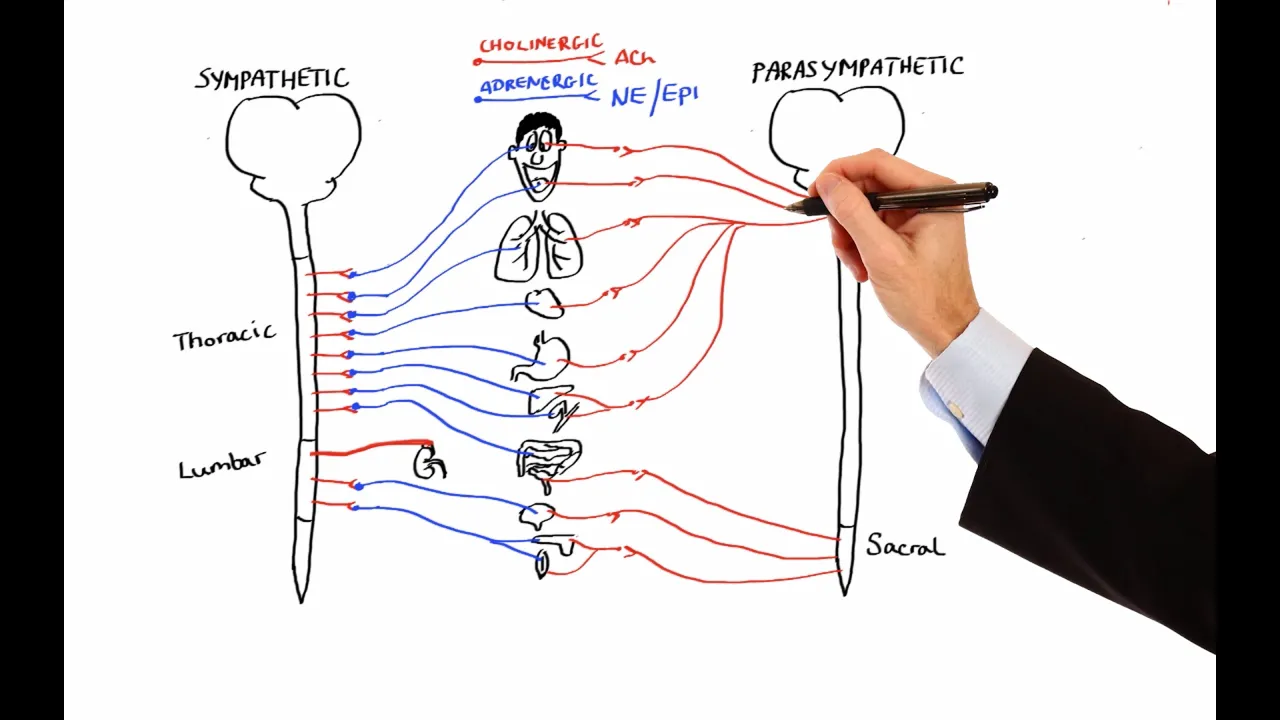
- Why this video: The autonomic nervous system (ANS) controls the involuntary functions commonly disrupted in acute poisonings (pupil size, heart rate, sweating). This video clarifies the anatomical divisions, neurotransmitters (acetylcholine and norepinephrine), and receptors (muscarinic, nicotinic, alpha, and beta) that dictate toxidrome presentation.
- Knowledge Checkpoint:
- Differentiate between the sympathetic (thoracolumbar) and parasympathetic (craniosacral) pathways.
- List the primary receptors targeted by norepinephrine and acetylcholine, along with their physiological responses in target organs.
Module 2: Introduction to Toxicology and Toxidromes
This module transitions from basic pharmacology to active emergency triage. You will learn to recognize "toxidromes"—constellations of clinical signs that point to specific drug classes—and master the foundational triage priorities of clinical toxicology.
Recommended Videos
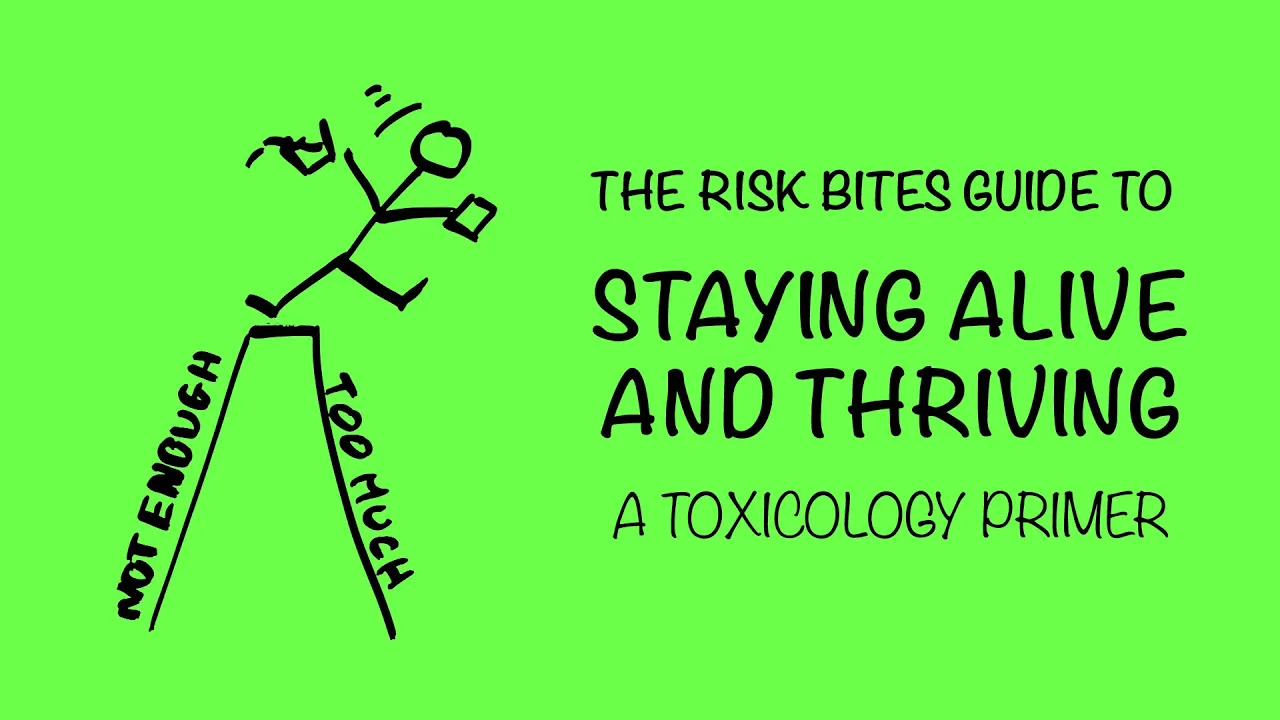
- Why this video: This video introduces the core toxicological tenet: "the dose makes the poison." It frames how acute exposure profiles shape systemic cellular damage, helping you build a conceptual foundation before studying clinical presentations.
- Knowledge Checkpoint:
- Explain how exposure duration (acute vs. chronic) alters toxicity presentation.
- Describe how individual patient biological variation shifts the toxic threshold curve.

- Why this video: To address the need for a practical emergency department framework, this video details how to clinically approach a poisoned patient. It stresses prioritizing the airway, breathing, and circulation (ABCs) and emphasizes that most toxicology management centers on high-quality supportive care.
- Knowledge Checkpoint:
- Explain the sequential steps of the ABC assessment during initial emergency resuscitation of an overdose patient.
- State why empiric supportive care often takes priority over chasing a definitive toxicology screen.
- Why this video: This high-yield clinical lecture uses mnemonics and clear physiological groupings to break down major toxidromes (anticholinergic, cholinergic, sympathomimetic, and opioid). It helps you quickly identify toxidromes using key vital signs and physical exam findings like pupil diameter and skin moisture.
- Knowledge Checkpoint:
- Contrast the clinical presentation of a sympathomimetic toxidrome with an anticholinergic toxidrome based on diaphoresis (sweating).
- List the classic symptoms of cholinergic toxicity using the SLUDGE or DUMBBELS mnemonic.
Module 3: Managing Common Analgesic and Opioid Overdoses
Analgesics (acetaminophen, aspirin) and opioids represent the most common and dangerous intentional and accidental toxic exposures. This module covers the complex pathophysiology, diagnostic timelines, and life-saving antidotal therapies for these overdoses.
Recommended Videos
- Why this video: Acetaminophen (paracetamol) is highly hepatotoxic in overdose due to the depletion of glutathione and the accumulation of the reactive metabolite NAPQI. This clinical video provides an in-depth breakdown of paracetamol metabolism and details the exact administration protocol for the antidote, N-acetylcysteine (NAC).
- Knowledge Checkpoint:
- Draw the pathway of acetaminophen metabolism, noting the roles of glutathione and the toxic metabolite NAPQI.
- Explain how to use the Rumack-Matthew nomogram to guide the timing and administration of NAC.

- Why this video: Salicylate (aspirin) toxicity is uniquely dangerous, presenting with a mixed acid-base disorder (respiratory alkalosis and metabolic acidosis). This rapid, high-yield guide explains the complex physiology of aspirin overdose and covers key management strategies, including urinary alkalinization and indications for emergent hemodialysis.
- Knowledge Checkpoint:
- Explain why salicylate toxicity causes both hyperventilation (respiratory alkalosis) and a widened anion gap metabolic acidosis.
- Describe the physiological mechanism behind urinary alkalinization with sodium bicarbonate to promote salicylate excretion.

- Why this video: Opioid overdose primarily kills by depressing the respiratory drive in the brainstem. This clinical training video demonstrates how to recognize severe opioid toxicity and safely administer naloxone (Narcan) via the nasal route to restore respiration.
- Knowledge Checkpoint:
- Identify the clinical triad of acute opioid overdose.
- Describe how naloxone acts at the receptor level to reverse respiratory depression and state the parameters for administering repeat doses.
Module 4: Cardiovascular, Psychotropic, and Stimulant Toxicity
This module addresses some of the most hemodynamically unstable patients in toxicology. You will study how to recognize and treat toxicities from key cardiovascular medications (beta-blockers and calcium channel blockers), cyclic antidepressants, and acute sympathomimetic stimulant use.
Recommended Videos
- Why this video: Beta-blocker and calcium channel blocker overdoses cause profound, life-threatening bradycardia and shock. This video explains the physiological mechanisms of these overdoses and outlines step-by-step critical therapies, including the use of intravenous calcium and high-dose insulin euglycemia therapy (HIET).
- Knowledge Checkpoint:
- Contrast how beta-blockers and calcium channel blockers impair intracellular calcium availability in cardiac myocytes.
- Explain the therapeutic rationale for using high-dose insulin therapy in severe calcium channel blocker toxicity.
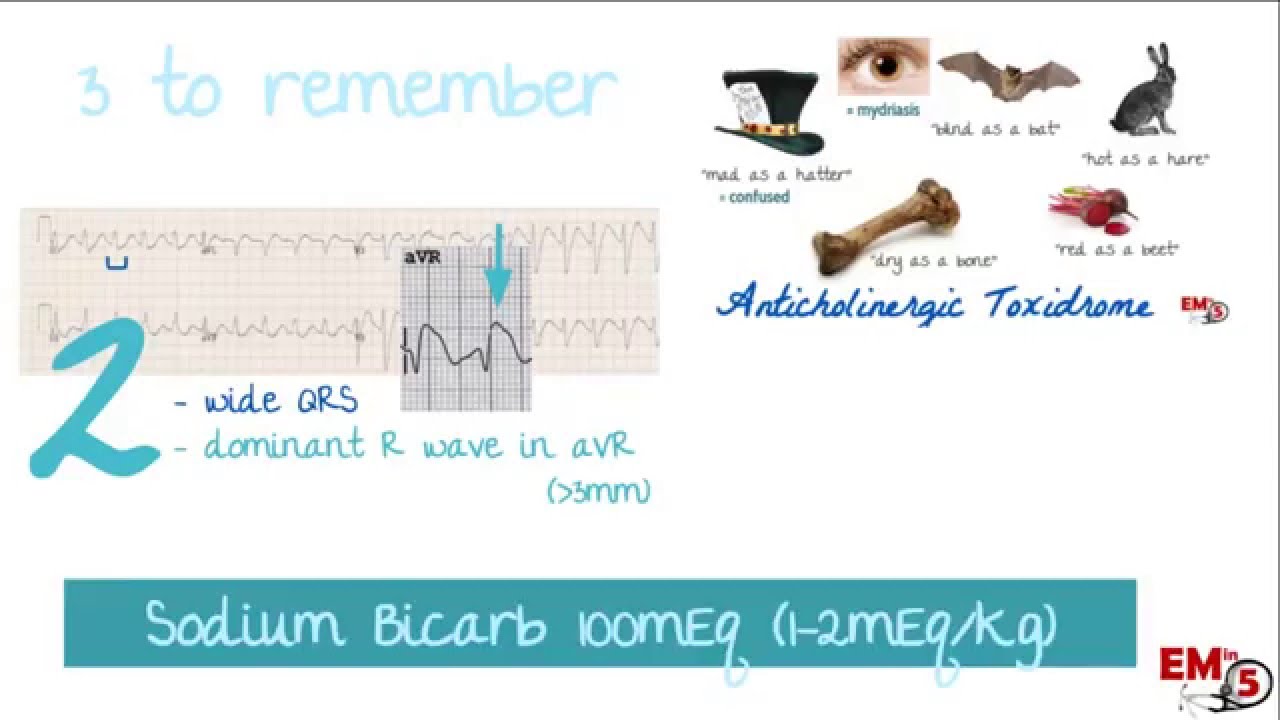
- Why this video: Tricyclic antidepressant (TCA) toxicity causes rapid clinical deterioration through three main pathways: cardiotoxicity, seizures, and severe anticholinergic effects. This guide demonstrates how to detect TCA cardiotoxicity on an ECG and outlines the critical, immediate use of sodium bicarbonate to prevent lethal ventricular arrhythmias.
- Knowledge Checkpoint:
- State the "three Cs" of TCA toxicity.
- Identify the classic ECG signs of TCA toxicity, focusing on QRS duration and the terminal R wave in lead aVR.
- Describe how sodium bicarbonate therapy reverses TCA-induced sodium channel blockade.

- Why this video: Serotonin Syndrome and Neuroleptic Malignant Syndrome (NMS) are life-threatening psychiatric emergencies that present with overlapping symptoms like hyperthermia and altered mental status. This clinical video contrasts their different pathophysiologies, physical exam signs, and distinct medical management.
- Knowledge Checkpoint:
- Differentiate Serotonin Syndrome from NMS using neuromuscular physical exam findings (e.g., clonus vs. "lead-pipe" rigidity).
- List the primary causative agents for both syndromes and their respective targeted antidotal treatments.
- Why this video: This medical review details acute cocaine and stimulant toxicity. It highlights how sympathomimetic overdoses present, notes the risk of severe coronary vasospasm, and reviews why benzodiazepines are the first-line treatment for managing these hyperadrenergic states.
- Knowledge Checkpoint:
- Describe the physiological mechanism of cocaine-induced sympathomimetic crisis.
- Explain why beta-blockers must be avoided or used with extreme caution in acute cocaine toxicity due to "unopposed alpha-stimulation."
Module 5: Environmental Toxins, Alcohols, and Antidotes
This module covers complex, biochemically-driven toxicology, focusing on toxic alcohols (methanol and ethylene glycol), metabolic cellular poisons (cyanide), and the practical procedures of gastrointestinal decontamination in the acute setting.
Recommended Videos
- Why this video: This clinical lecture covers the cellular biochemistry of alcohol metabolism. It explains why methanol and ethylene glycol are relatively non-toxic until they are metabolized by alcohol dehydrogenase into formic acid and glycolic/oxalic acids, and details how the antidote fomepizole stops this toxic transformation.
- Knowledge Checkpoint:
- Diagram the metabolism of methanol and ethylene glycol, naming the toxic intermediate acids that cause metabolic acidosis.
- Explain how fomepizole works at the molecular level to treat toxic alcohol poisonings.

- Why this video: This clinical case study presents a clear, narrative breakdown of ethylene glycol toxicity. It traces how antifreeze ingestion leads to profound anion-gap metabolic acidosis, calcium oxalate crystal deposition in renal tubules, and acute kidney injury, emphasizing how quickly clinical parameters can deteriorate.
- Knowledge Checkpoint:
- Describe the classic urinary microscopy finding associated with ethylene glycol poisoning.
- Explain why hypocalcemia occurs in ethylene glycol ingestion and how it relates to oxalate precipitation.

- Why this video: Cyanide is a highly lethal metabolic poison that shuts down cellular respiration. This clinical presentation details how cyanide binds to the mitochondrial electron transport chain and reviews the standard antidotal options (hydroxocobalamin and the sodium thiosulfate/nitrite regimen) used in emergency treatment.
- Knowledge Checkpoint:
- Identify which specific mitochondrial enzyme complex cyanide inhibits, and explain how this causes severe lactic acidosis.
- Contrast how hydroxocobalamin and sodium thiosulfate work differently as antidotes for cyanide poisoning.
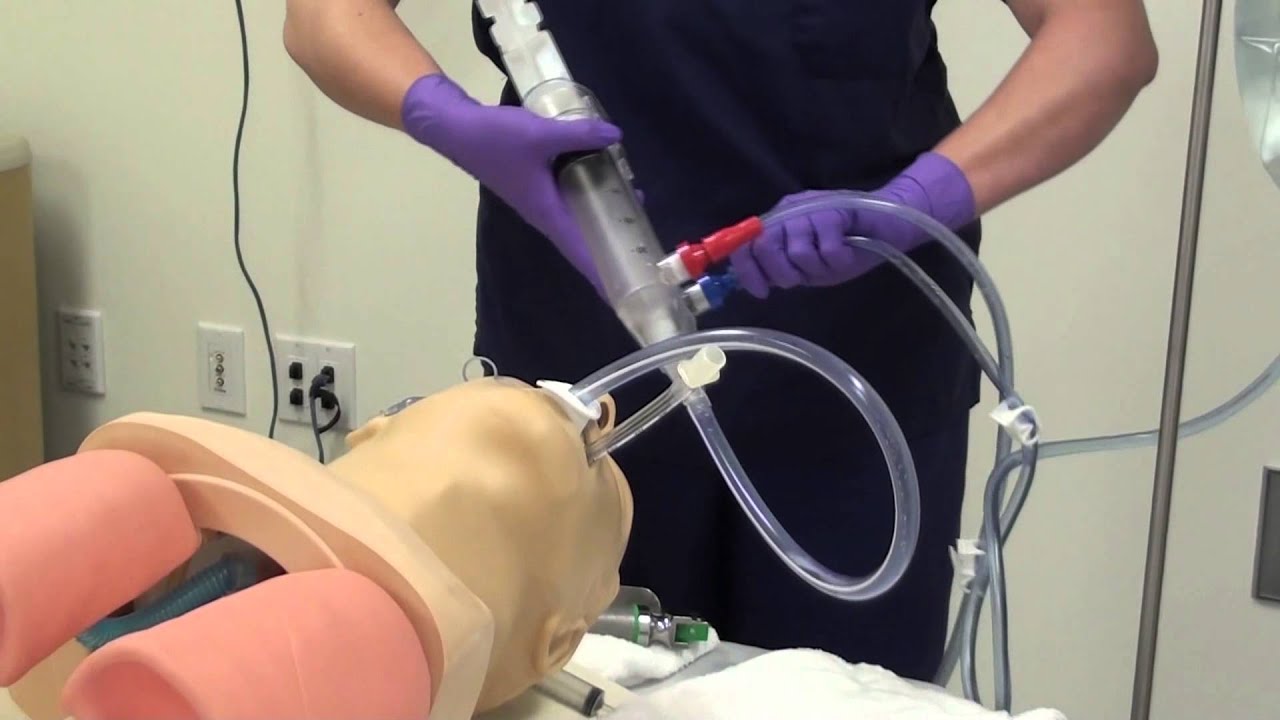
- Why this video: This video provides a quick demonstration of gastric lavage and highlights the critical timing of clinical gastrointestinal decontamination. It shows how administering activated charcoal alongside lavage can absorb remaining toxins before they pass into the duodenum.
- Knowledge Checkpoint:
- State the primary contraindications for gastric lavage (e.g., airway protection status, corrosive ingestions).
- Explain the optimal time window post-ingestion for administering activated charcoal to a patient in the emergency department.
Independent Study Alert (GI Decontamination Guidelines): The video pool lacks a comprehensive clinical lecture on whole-bowel irrigation (WBI) protocols. To master this topic, independently search for the AACT/EAPCCT Position Statements on Gastrointestinal Decontamination. Be sure to learn the specific indications for WBI, such as ingestions of heavy metals (lead, iron), lithium, or enteric-coated/sustained-release medications.
Course Map
This map outlines the recommended progression through the curriculum. Modules build on each other, moving from fundamental physiological principles to clinical toxidromes, and finally to specific drug classes and toxicological interventions.
Key People Index
The following clinicians, emergency educators, and toxicologists are highlighted for their high-yield contributions to the lectures in this curriculum:
- Dr. Brad Raetzke, MD (Ohio EMS Conference): An emergency physician specializing in clinical triage protocols and pre-hospital management of street drugs and acute toxidrome presentations.
- Dr. Rodrigo Cavallazzi, MD (UofL Medicine): A critical care specialist who provides clear teaching on toxic inhalation, cyanide poisoning, and mechanical ventilation strategies for poisoned patients.
- Dr. Tom Rogers, MD (Performance Medicine): A preventive medicine specialist and clinical educator who reviews clinical protocols for administering N-acetylcysteine (NAC) in acute hepatic injury.
- Chubbyemu (Dr. Bernard Hsu, PharmD): A clinical pharmacist and medical educator who uses detailed case studies to explain metabolic biochemistry, toxin pathophysiology, and multi-system organ failure.
Final Self-Assessment
Complete this comprehensive self-assessment to verify your clinical mastery of the curriculum material.
- M1: Explain how a drug's volume of distribution () impacts its clearance rate and dictates whether it can be removed via emergency hemodialysis.
- M1: Map out the physiological changes that occur during a sympathomimetic surge, noting changes in heart rate, blood pressure, pupillary response, and sweating.
- M2: Correctly classify a patient presenting with hyperthermia, dry skin, urinary retention, delirium, and dilated pupils into their correct toxidrome.
- M2: State the sequential steps of the initial "resus" assessment (ABCs) for an unresponsive patient suspected of ingestion.
- M3: Determine if a patient requires N-acetylcysteine (NAC) therapy by plotting a timed 4-hour serum paracetamol concentration on the Rumack-Matthew nomogram.
- M3: Explain the physiological mechanisms behind respiratory alkalosis and metabolic acidosis in salicylate toxicity, and detail how to safely alkalinize urine.
- M3: State the proper clinical indications, dosing, and administration routes for naloxone (Narcan) in an acute opioid overdose emergency.
- M4: Explain why high-dose insulin is used as an inotropic support agent in severe calcium channel blocker overdoses.
- M4: Identify a wide QRS complex on an ECG in the context of an antidepressant overdose, and explain how to treat it with sodium bicarbonate.
- M4: Contrast the neuromotor presentations of Serotonin Syndrome and Neuroleptic Malignant Syndrome (NMS), and state the target therapies for each.
- M5: Explain the biochemical mechanism of fomepizole in treating methanol or ethylene glycol poisoning.
- M5: Describe how cyanide impairs mitochondrial cellular ATP production, and outline the emergency management protocol for cyanide toxicity.
- M5: Identify the key contraindications and time windows for gastrointestinal decontamination techniques, including activated charcoal and gastric lavage.