Pediatrics: Milestones & Childhood Illnesses
Learning Goal: "Evaluating Pediatric Developmental Milestones and Managing Common Childhood Illnesses"
This comprehensive curriculum equips medical students, nursing professionals, and pediatric educators with the foundational knowledge and practical skills required to assess pediatric patients. Throughout this course, you will learn to recognize critical developmental milestones (ages 0-5), differentiate pediatric physiological systems from adults, grade and manage dehydration, visually identify common rashes, administer vaccine guidelines, and execute emergency first aid for choking infants and children.
- Estimated Total Study Time: 15 hours
- Prerequisites: Basic knowledge of human biology, anatomy, and standard clinical terminology.
Module 1: Foundations of Pediatric Health and Anatomy
This module establishes the anatomical and physiological differences that set pediatric patients apart from adults. It also covers the clinical measurement of vital signs across age groups and explains how to read and apply CDC/WHO growth charts.
Recommended Videos

Why this video is valuable:
This comprehensive lecture addresses a key anatomical gap by providing a deep dive into how pediatric organ systems differ from adult equivalents. It specifically details pediatric airway architecture—noting why the cricoid cartilage serves as the narrowest point—the high compliance of the pediatric chest wall, and the clinical implications of rapid oxygen desaturation in infants.
Knowledge Checkpoint:
- Explain why the pediatric airway is more prone to obstruction, identifying the narrowest anatomical landmark.
- Contrast adult and pediatric respiratory compliance and functional residual capacity.
- Understand the physiological reasons behind rapid pediatric desaturation during respiratory stress.

Why this video is valuable:
This vital clinical tutorial outlines the appropriate age-dependent techniques for assessing pediatric vitals. It reviews how normal temperature, respiratory rate, blood pressure, and pulse fluctuate as a child grows, providing a baseline for emergency triage and routine checkups.
Knowledge Checkpoint:
- Identify the most accurate clinical methods for temperature collection (rectal for under 2, axillary/oral up to age 5).
- Recite normal resting heart and respiratory rates for neonates, infants, and toddlers.
- State how blood pressure ranges adjust from infancy through school-aged childhood.

Why this video is valuable:
This video introduces the two gold-standard sets of growth charts: the World Health Organization (WHO) and the Centers for Disease Control (CDC). It explains when to apply each and addresses the limitations of relying solely on BMI percentiles during developmental evaluations.
Knowledge Checkpoint:
- Differentiate between the WHO growth charts (used for ages 0-2 years) and CDC growth charts (used for ages 2+).
- Outline why clinical decisions should not be based solely on BMI-for-age metrics in developing children.
Module 2: Pediatric Developmental Milestones (Ages 0-5) and Delays
This consolidated module brings together physical, cognitive, language, and social-emotional milestone milestones from infancy through age five. Learners will also study standardized developmental screening tools and clinical indicators of developmental delay.
Recommended Videos

Why this video is valuable:
This highly viewed board-review presentation teaches developmental milestones spanning the critical 0-2 age bracket. Utilizing clear mnemonics, it helps clinicians categorize social, language, cognitive, and physical indicators (such as tracking faces at 2 months, rolling front-to-back at 4 months, and sitting independently at 8 months).
Knowledge Checkpoint:
- Memorize the month-by-month gross and fine motor developmental trajectory for infants up to 12 months.
- Identify early language milestones (cooing, babbling, single words) and social milestones (social smile, stranger anxiety).
- Use memory-assisting mnemonics to accurately trace 2, 4, 6, and 12-month progress.

Why this video is valuable:
This presentation focuses on the 3-to-5-year developmental bracket. It explains how preschool-age milestones evolve, outlining the expected progression of social play, speech complexity, fine-motor coordination (drawing shapes, stacking blocks), and gross motor abilities (riding a tricycle).
Knowledge Checkpoint:
- Identify physical, cognitive, and verbal milestones for 3, 4, and 5-year-olds (e.g., drawing circles, telling stories, counting).
- Describe the progression from solitary or parallel play to cooperative and imaginative group play.

Why this video is valuable:
This video introduces developmental assessment, specifically explaining the Denver Developmental Screening Tool. This screen is used to systematically evaluate at-risk children from birth to age 6.
Knowledge Checkpoint:
- Detail the four domains assessed by the Denver Developmental Screening Tool (personal-social, fine motor-adaptive, language, gross motor).
- Recognize the clinical value of utilizing validated screening metrics rather than unstructured observations.

Why this video is valuable:
Created by the CDC, this clinical case study shows how early childhood educators and healthcare professionals monitor milestones, identify potential delays, and coordinate care using "Learn the Signs. Act Early." materials.
Knowledge Checkpoint:
- Apply objective checklist markers to real-world developmental observations of young children.
- Define optimal workflow pathways for communicating developmental delays to parents and arranging specialist referrals.
Module 3: Managing Common Respiratory & Gastrointestinal Illnesses
This module covers the diagnosis, physical assessment, and home/clinical management of respiratory conditions (RSV, croup) and gastrointestinal distress (gastroenteritis, dehydration classification, and oral rehydration therapy).
Recommended Videos

Why this video is valuable:
This clinical guide presents croup (laryngotracheobronchitis) in clear detail, demonstrating the hallmark "barking" cough, explaining parainfluenza virus etiology, and outlining home care strategies (cool mist, hydration) alongside emergency clinical indicators (inspiratory stridor at rest).
Knowledge Checkpoint:
- Describe the classic presentation of croup and differentiate its barking cough from other respiratory infections.
- Explain standard home care measures for mild croup and the clinical indications for medical steroids or nebulized epinephrine.

Why this video is valuable:
A concise, high-yield clinical visual reference showing real indicators of pediatric respiratory distress. This video teaches how to spot physiological compensation signs before they progress to respiratory failure.
Knowledge Checkpoint:
- Visually identify nasal flaring, grunting, and intercostal, subcostal, or suprasternal retractions.
- Contrast clinical markers of simple respiratory distress with the signs of respiratory failure (e.g., lethargy, cyanosis, head bobbing).

Why this video is valuable:
Addresses the clinical dehydration assessment gap with a professional case study. This discussion details the clinical presentation of acute gastroenteritis, teaches systematic dehydration grading, and maps out targeted treatment pathways.
Knowledge Checkpoint:
- Perform a systematic clinical assessment of dehydration using mucosal, skin turgor, and mental status indicators.
- Choose between Oral Rehydration Therapy (ORT) and intravenous (IV) fluids based on clinical grading.

Why this video is valuable:
This concise clinical summary reinforces the exact physical markers used to grade dehydration (No Dehydration, Some Dehydration, and Severe Dehydration) based on patient alertness, skin pinch return, and thirst.
Knowledge Checkpoint:
- State the three WHO classification criteria for pediatric dehydration grading.
- Describe the clinical presentation of "some dehydration" versus "severe dehydration" (such as skin pinch return >2 seconds).
Module 4: Infectious Diseases, Fevers, and Immunizations
This module provides clear guidance on managing childhood fevers, identifying common pediatric rashes, and understanding standard immunization schedules and vaccine safety.
Recommended Videos

Why this video is valuable:
This guide addresses the fever management gap by detailing safe, evidence-based home and clinical care. It explains weight-based dosing intervals for common antipyretics (paracetamol/ibuprofen) and covers proper physical cooling methods.
Knowledge Checkpoint:
- Calculate correct weight-based dosing of common pediatric antipyretics.
- Describe proper physical cooling techniques, including tepid water sponging, and explain why cold water and alcohol rubs are contraindicated.
- Identify clinical red flags that require immediate evaluation for pediatric fevers (e.g., neonates under 3 months).

Why this video is valuable:
A highly visual guide that teaches diagnostic pattern recognition for 17 common pediatric skin conditions. It is an excellent clinical resource for visually identifying rashes like hand-foot-mouth disease, eczema, chickenpox, impetigo, and hives.
Knowledge Checkpoint:
- Visually identify childhood rashes, including slapped cheek syndrome, chickenpox, and hand-foot-mouth disease.
- Differentiate benign infant rashes (like milia or heat rash) from conditions requiring prescription therapies or isolation.
- Recognize the signs of emergency dermatological rashes, such as non-blanching purpuric spots.

Why this video is valuable:
This official video from the American Academy of Pediatrics addresses the vaccine schedule gap, detailing the timing, administration rationales, and safety profile of pediatric vaccines from birth through age 6.
Knowledge Checkpoint:
- Memorize the standard immunization milestones (Hepatitis B at birth; DTaP, Hib, PCV, IPV, Rotavirus at 2, 4, and 6 months).
- Explain the immunological reasons why specific vaccines are timed to match the development of a child's immune system.
Module 5: Pediatric Emergencies, Choking, and First Aid
This module covers critical pediatric first aid, choking interventions, and emergency department triage indicators. It teaches learners how to act quickly to resolve airway obstructions in infants and children.
Recommended Videos

Why this video is valuable:
This comprehensive safety guide provides clear instructions on how to prevent, spot, and respond to choking in babies and children. It demonstrates exactly how to clear an airway obstruction using realistic models.
Knowledge Checkpoint:
- Identify common choking hazards and explain the visual signs of complete airway obstruction.
- Explain how choking recovery techniques differ for infants (under 1 year) compared to children over age one.
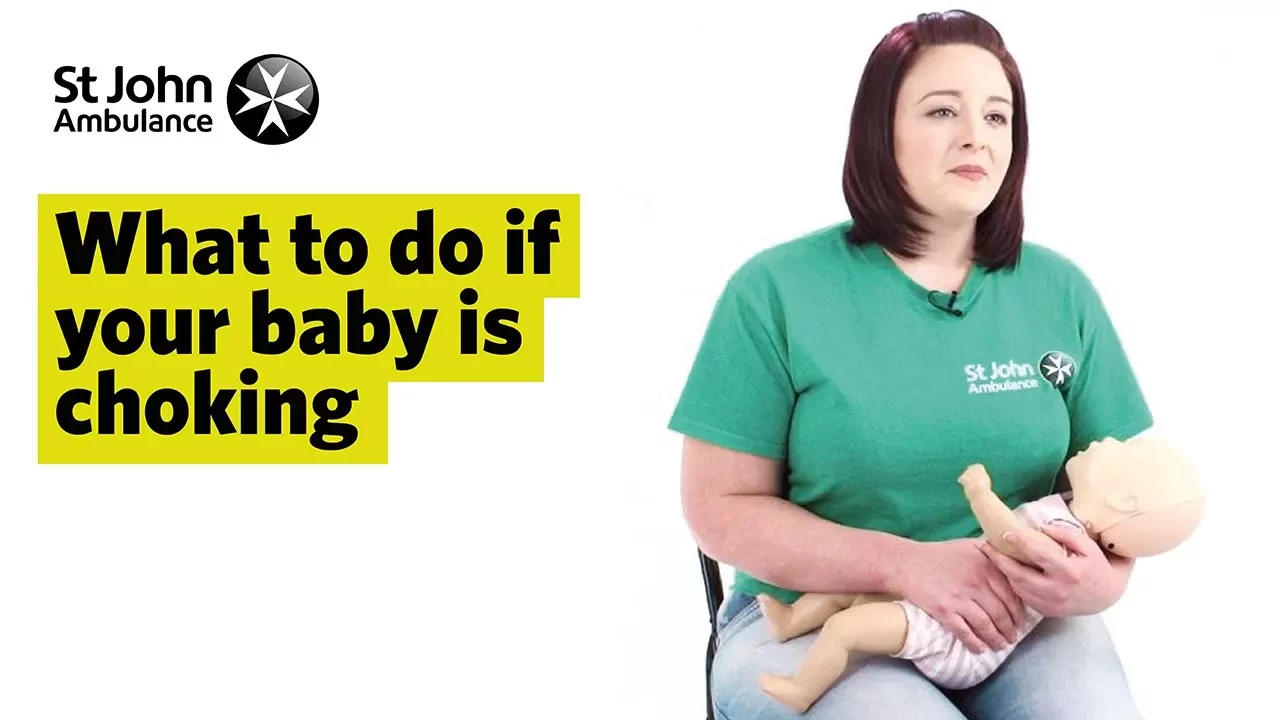
Why this video is valuable:
A focused, step-by-step demonstration of the physical maneuvers required to clear a choking infant's airway (under age one), highlighting proper head-down support angles.
Knowledge Checkpoint:
- Demonstrate the correct hand, arm, and body positions for performing back blows on an infant.
- Perform chest thrusts using the two-finger technique on an infant model.
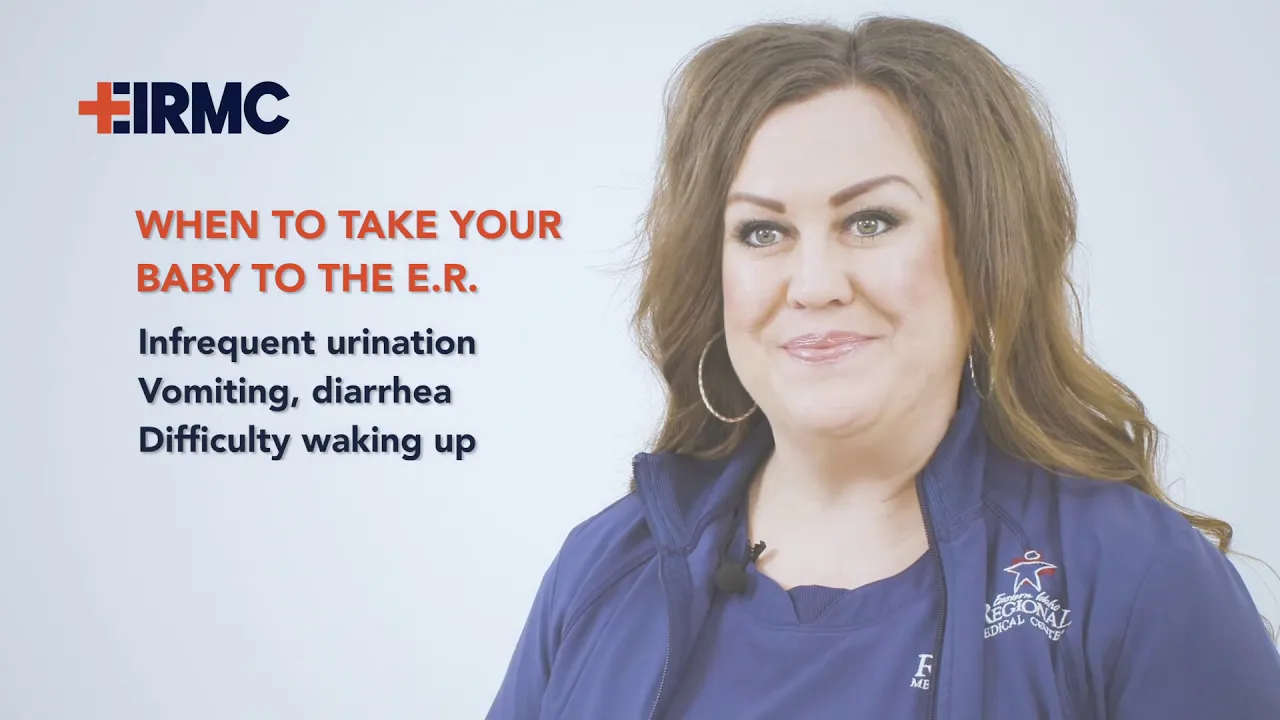
Why this video is valuable:
This guide explains institutional ER triage parameters for pediatric patients. It helps parents and clinicians identify clear red flags—such as high fevers in neonates or severe dehydration—that require immediate emergency care.
Knowledge Checkpoint:
- List the fever thresholds that require an emergency department evaluation for infants under 3 months, 3-12 months, and older children.
- Identify physical triage red flags, including lethargy, rapid breathing, and decreased wet diapers.
Special Assessment Gap Coverage
The current video pool does not contain a dedicated clinical training video for the Pediatric Assessment Triangle (PAT).
Recommended Independent Search Queries:
To master the Pediatric Assessment Triangle framework, please search independently for:
pediatric assessment triangle PAT clinical tutorialpediatric assessment triangle training video nursing
Additionally, for a broader clinical view of emergency assessment, watch:
 EMT 7-1: Pediatric (32:35) by
 @WCTCEMS, which covers age-dependent pre-hospital triage and emergency physical checks.
Course Map
This flowchart maps out the module sequence and prerequisites.
Key People Index
- Dr. Meenakshi Bothra (PrepLadder) — Celebrated pediatric educator who simplifies complex pediatric clinical concepts, dehydration tables, and WHO guidelines for professional board exams.
- Dr. Paul Thomas (Dr. Paul) — Pediatrician who shares clinical examinations of childhood illnesses to help providers and parents recognize worsening trends early.
- Dr. preeti sharma — Clinical educator specializing in pediatric nursing care, weight-based calculations, and safe fever management techniques.
- M. Kleinman (OPENPediatrics) — Critical care specialist featured in training modules focusing on recognizing pediatric respiratory distress and airway failures.
Final Self-Assessment
Evaluate your understanding of the curriculum by completing this comprehensive self-assessment checklist:
- Explain how pediatric airway anatomy (e.g., cricoid cartilage diameter) affects intubation choices and airway support compared to adults.
- List the physiological mechanisms that make pediatric patients more susceptible to rapid desaturation during respiratory events.
- Correctly interpret a pediatric growth chart, explaining when to use WHO versus CDC metrics.
- Recite the normal ranges for heart rate, respiratory rate, and blood pressure in neonates, infants, and toddlers.
- Identify key motor, language, cognitive, and social milestones at ages 2 months, 6 months, 1 year, 3 years, and 5 years.
- Describe how the Denver Developmental Screening Tool is used to identify early childhood developmental delays.
- Differentiate between croup (laryngotracheobronchitis) and other respiratory infections using hallmark diagnostic symptoms.
- Identify the physical indicators of pediatric respiratory distress, including nasal flaring, accessory muscle use, and grunting.
- Systematically grade a patient's dehydration status as No, Some, or Severe based on mucosal condition, level of consciousness, and skin pinch return times.
- Detail the oral rehydration therapy (ORT) approach for mild-to-moderate dehydration, as well as the indications for intravenous fluid resuscitation.
- Calculate the correct weight-based dosage for pediatric paracetamol, and explain how to apply physical cooling techniques safely.
- Outline the standard CDC/AAP immunization schedule for a child from birth up to age six.
- Demonstrate the correct choking rescue sequence (back blows, chest thrusts, and abdominal thrusts) for infants versus older children.