Arranging Vocal Harmonies: Pop & R&B Guide
Learning Goal: Crafting Vocal Harmonies: Applying Diatonic Harmonization, Voice Leading, and Descant Writing to Contemporary Pop and R&B Vocal Arrangements.
- Prerequisites: Basic pitch accuracy, foundational singing ability, and a rudimentary understanding of keyboard layouts or a Digital Audio Workstation (DAW) environment.
- Estimated Total Study Time: 26 Hours
Module 1: Vocal Music Theory: Intervals and Triads
To build beautiful vocal arrangements, you must first understand the fundamental raw materials of pitch. This module establishes a solid music theory foundation, focusing on intervals (the distance between notes) and triads (three-note chords) and how they relate directly to the human voice.
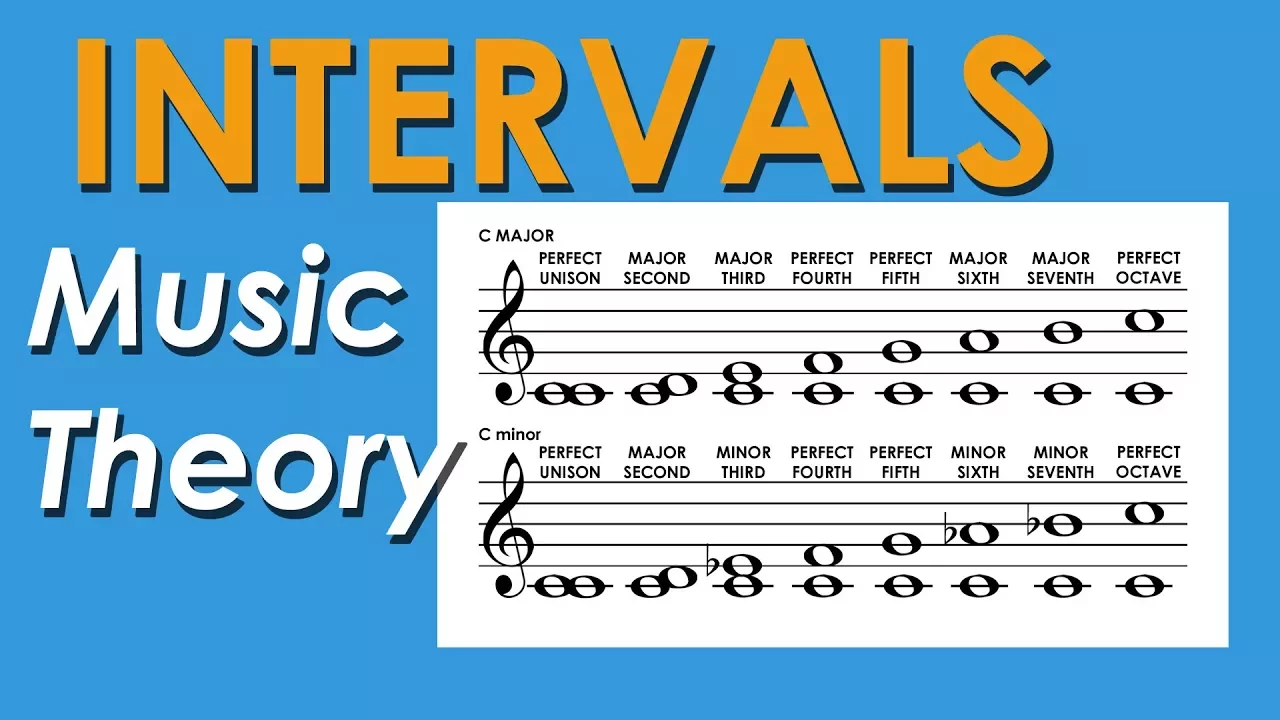
Why this video
This animated crash course offers a highly visual, intuitive introduction to intervals. For vocalists, intervals are the mental "maps" used to jump from a lead vocal note to a harmony note. Understanding how to calculate interval distance and type (major, minor, perfect) is critical before trying to sing or arrange them.
Knowledge Checkpoint
- Understand how to calculate basic interval numbers on a musical staff.
- Define the difference between a major, minor, and perfect interval.
- Sing or audiate a minor 3rd vs. a major 3rd above a root pitch.

Why this video
Gracie Terzian’s approach is incredibly singer-friendly, breaking down how interval numbers are derived from counting alphabet letters. She bridges the gap between abstract music notation and real-world pitch intervals, which helps vocal arrangers quickly identify intervals without needing a piano in front of them.
Knowledge Checkpoint
- Count letters in the musical alphabet to determine interval numbers.
- Distinguish melodic intervals (notes sung in sequence) from harmonic intervals (notes sung at the same time).
- Recognize common vocal interval leaps (such as perfect 4ths and 5ths) by ear.

Why this video
Once you master intervals, you must learn how they stack to form chords. This video explains the anatomy of major and minor triads (root, third, and fifth). Since 3-part vocal arrangements are fundamentally moving triads, understanding this structure is non-negotiable for writing background vocals.
Knowledge Checkpoint
- Identify a triad’s root, third, and fifth on a musical staff.
- Explain the interval stack of a major triad (Major 3rd + minor 3rd) vs. a minor triad (minor 3rd + Major 3rd).
- Build a basic major and minor triad starting on any given note.
Why this video
Diatonic scales provide the "key signature playground" for most pop and R&B music. This video defines the 7-note diatonic framework (five whole steps, two half steps) so you understand which notes are "in key" when arranging parallel vocal harmonies.
Knowledge Checkpoint
- Define the whole-step and half-step formula of a major scale.
- Explain what makes a chord or melody "diatonic" to a specific key.
- List the seven scale degrees of a standard major scale.
Module 2: Diatonic Harmonization & Finding the Harmony
In this module, you will transition from theory to practice by learning how to find vocal harmonies for any melody. You will master building parallel harmonies (such as thirds and fifths) above or below a lead vocal while staying firmly within the song's diatonic key.

Why this video
Brad Carl provides a highly practical, step-by-step vocal methodology for finding harmonies. He teaches you how to map the chord progression of the song, isolate the lead vocal melody note, and pick adjacent chord tones to construct instantly pleasing, stable harmonies.
Knowledge Checkpoint
- Identify the underlying chord progression of a pop verse or chorus.
- Locate the nearest stable chord tones directly above or below a lead melody note.
- Sing a basic harmony part along with a simple lead vocal line.

Why this video
Saher Galt focuses specifically on the most common and powerful harmony interval in pop and R&B: the third. He demonstrates how to take a lead melody line and shift it up or down by a diatonic third, creating a tight, cohesive harmony line that perfectly shadows the lead.
Knowledge Checkpoint
- Take a simple 3-note melody and transpose it a diatonic third higher within the key.
- Identify when a third interval is major versus minor based on scale position.
- Sing a parallel third harmony while holding pitch against a lead vocal recording.
Why this video
While framed around worship music, this tutorial's 7-step scale-degree numbering method is universally applicable to any 3-part vocal arrangement. It teaches you how to assign numeric scale positions to voices, ensuring that your three-voice stack (e.g., Soprano, Alto, Tenor equivalent) forms clean, non-clashing triads.
Knowledge Checkpoint
- Assign scale degrees (1 through 7) to a vocal melody line.
- Construct a balanced three-part stack using a lead, a high-harmony, and a low-harmony line.
- Maintain vocal stability when singing the middle or lower voice in a three-part stack.
Module 3: Voice Leading for Smooth Vocal Transitions
Voice leading is the art of moving individual vocal lines smoothly from chord to chord with minimal leaping. In keyboard or string writing, large jumps are easy to execute; however, human singers require step-wise motion (whole or half steps) or common tones to sing accurately and comfortably in tune. This module adapts classical voice leading concepts to vocal arranging, highlighting range limits (SATB) and how to avoid "voice crossing."

Why this video
This video explains that voice leading is about treating every note in a chord progression as an independent, linear singer. Rather than moving block chords up and down, you must construct horizontal paths for individual voices that possess their own logical, melodic contour.
Knowledge Checkpoint
- Explain why vocal harmony should be written as horizontal, independent melodies rather than vertical block chords.
- Identify a voice leading path that minimizes unnecessary pitch leaps.
- Keep a common tone fixed between two changing chords to anchor a vocal arrangement.
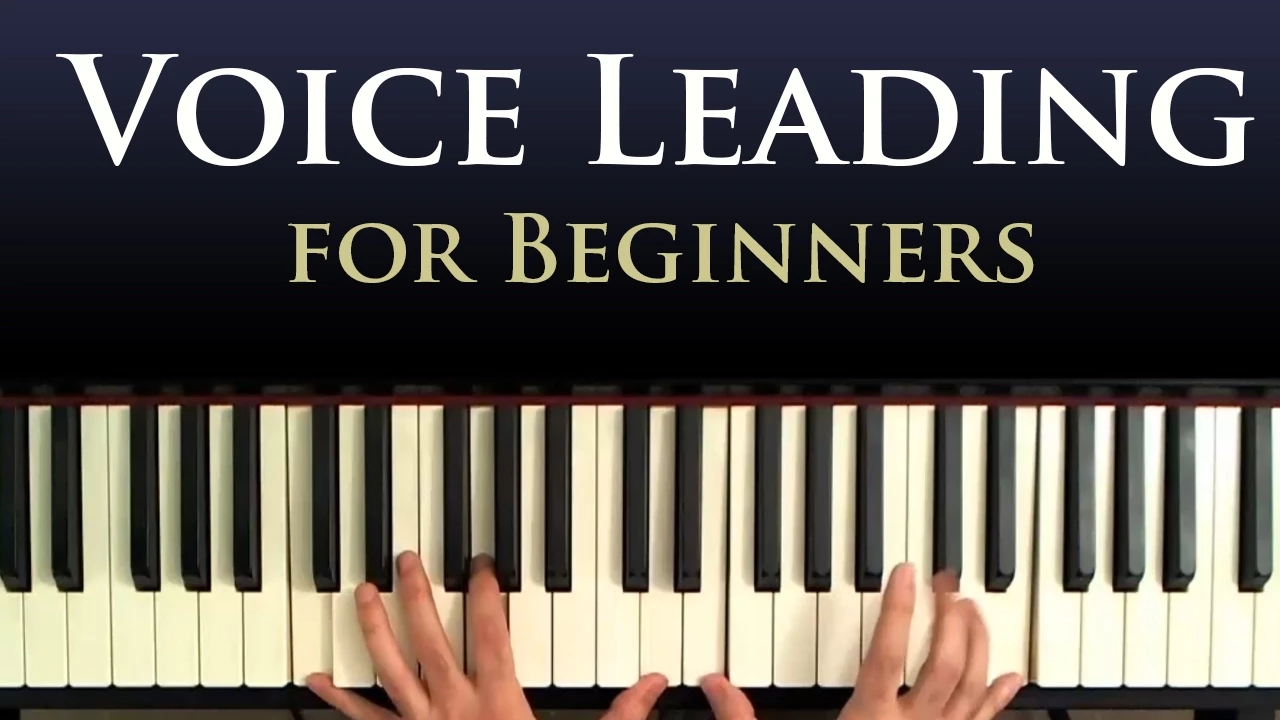
Why this video
A quick, punchy visualization of the two gold standards of smooth voice leading: (1) Keep common notes in place, and (2) Move other voices by step (half or whole steps) wherever possible. Translating this directly to vocal tracks makes harmonies exponentially easier for vocalists to perform live.
Knowledge Checkpoint
- Apply the "minimum movement" rule when connecting two chord transitions in a vocal stack.
- Locate shared scale degrees between consecutive chords to use as stationary vocal anchors.
- Modify a jumpy vocal line into a smooth, step-wise vocal part.
![How To Arrange Chords into BEAUTIFUL 4-PART HARMONIES [Music Theory - Voice Leading]](https://i.ytimg.com/vi/UkatcvIuF4U/maxresdefault.jpg)
Why this video
This deep dive explores how to map out four distinct parts (Soprano, Alto, Tenor, Bass) using leading tones, neighbor tones, and contrary motion. For R&B arranging, understanding 4-part writing is key to building rich vocal pads and avoiding voice crossing (where a lower voice accidentally sings higher than an upper voice, muddying the arrangement).
Knowledge Checkpoint
- Map a basic chord progression across four distinct vocal ranges (SATB).
- Identify and resolve voice-crossing errors in a multi-part vocal sheet/MIDI project.
- Use contrary motion (e.g., lower voices moving down while upper voices move up) to create a spacious, dynamic vocal sound.
Module 4: Vocal Countermelodies and Descants
Curriculum Note: Traditional choral curriculums often focus on classical "descant" and strict orchestral counterpoint. In modern pop and R&B, we pivot to vocal countermelodies—independent, soaring, high-register lines that interact dynamically with the lead vocal. This module teaches you how to write these lines by finding "rhythmic gaps" in the main melody so the parts never compete.
Why this video
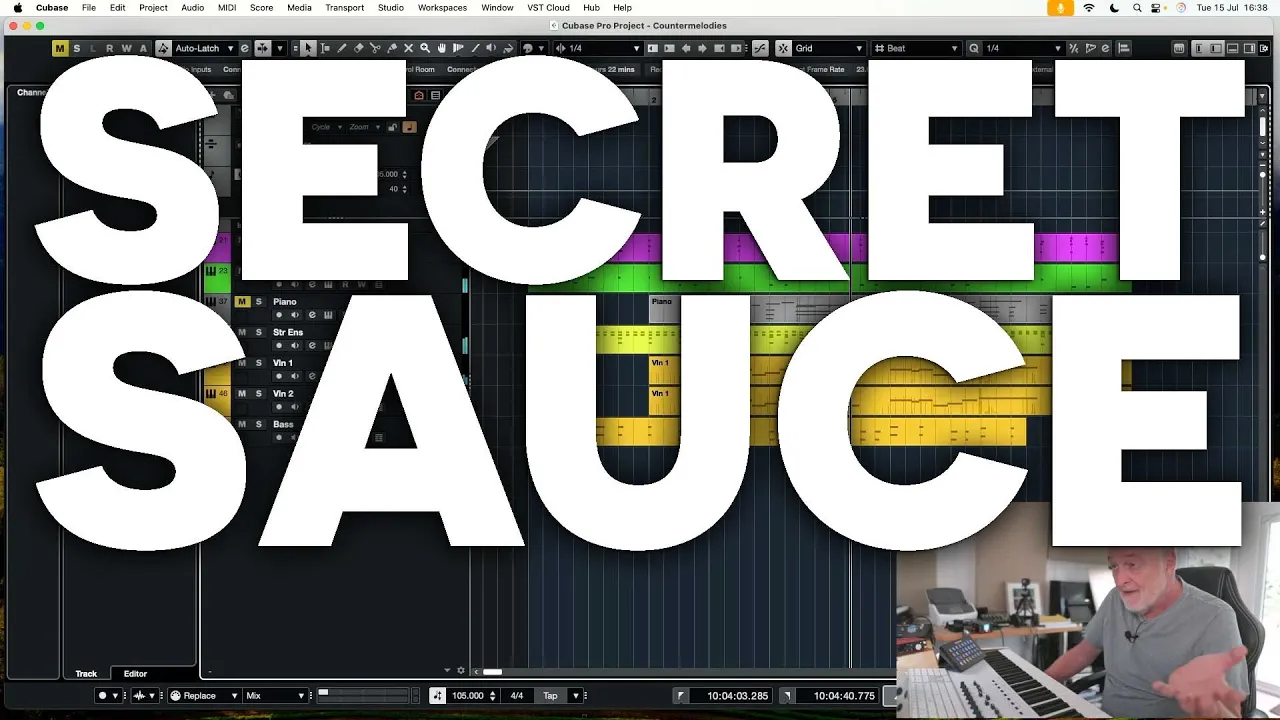
This video details how to construct secondary melodies that weave around the main theme. Key takeaways include identifying "question and answer" phrasing and ensuring the countermelody stays simpler than the lead line to avoid cluttering the listener's focus.
Knowledge Checkpoint
- Identify the rhythmic "pockets" or pauses in a lead vocal line where a countermelody can safely interject.
- Apply the "question and answer" technique to a vocal line.
- Ensure a countermelody has a distinct melodic shape that contrasts with the lead vocal.

Why this video
This quick guide focuses on the rhythmic interplay of countermelodies. It emphasizes working out the rhythm of your secondary line before locking in the pitches. This rhythmic contrast is vital in pop and R&B, where syncopation keeps vocal layers engaging.
Knowledge Checkpoint
- Draft a rhythmic pattern for a countermelody that actively complements (rather than mimics) the lead vocal's rhythm.
- Avoid overlapping rhythmic spikes between competing vocal parts.
- Keep vocal countermelodies memorable by employing simple, repetitive motifs.
Why this video
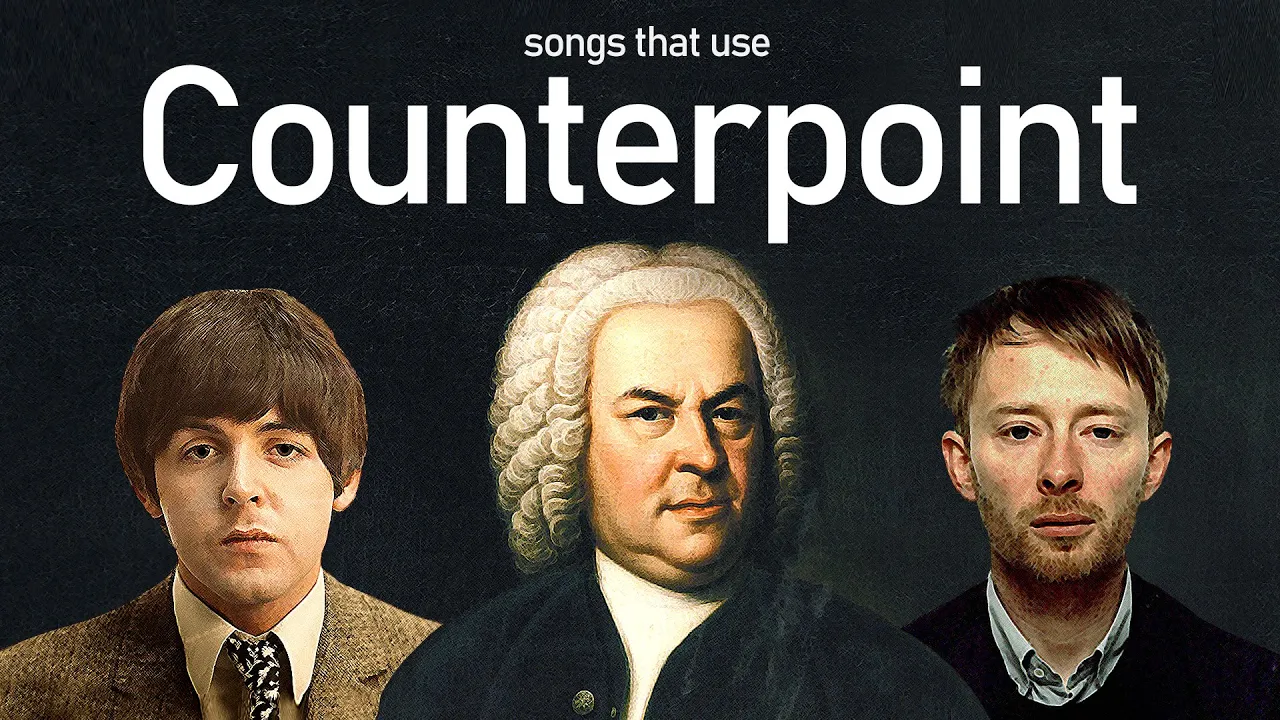
David Bennett analyzes practical examples of counterpoint within pop and rock contexts. By analyzing how famous artists introduce vocal melodies separately and then stack them together, you will learn how to write vocal lines that are strong enough to stand alone but sound magical when combined.
Knowledge Checkpoint
- Explain how classical counterpoint rules are applied in contemporary music arrangements.
- Arrange a vocal section where a countermelody is introduced in isolation before layering with the lead.
- Evaluate the harmonic compatibility of two independent melodies running simultaneously.

Why this video
This lecture demonstrates how descant lines function by deliberately identifying open slots or static notes in a primary melody and filling them. This provides an excellent practical guide for vocal arrangers looking to create high-register vocal "halos" (descants) that sit on top of choruses.
Knowledge Checkpoint
- Locate the "gaps" in a lead vocal where a high-register descant can resolve.
- Structure a descant line to move slowly and smoothly when the lead vocal is moving quickly.
- Write a high-register vocal harmony line that floats above the melody without competing.
💡 Independent Study Tip: To build further on pop/R&B vocal descants, search YouTube for
"how to write vocal countermelody pop"or"R&B countermelody vocals stacking". This will help you transition classical counterpoint rules directly into modern DAW arrangement templates.
Module 5: Contemporary Pop & R&B Vocal Arranging Techniques
This final module synthesizes everything you’ve learned, taking your arrangements into the realm of modern pop/R&B production. You will learn to construct thick "vocal stacks," use advanced chords with extensions (9ths, 11ths), apply professional vocal processing, and explore boundary-pushing arrangements inspired by artists like Jacob Collier.

Why this video
This video is a complete roadmap for arranging background vocals based on the emotional and sonic landscape of a song. It teaches you how to map out lush backing pads, determine where to transition from simple unisons to full three-part stacks, and establish a clear boundary between lead and background vocal textures.
Knowledge Checkpoint
- Match the complexity of a background vocal arrangement to the emotional arc of a song.
- Design vocal "pads" (sustained harmony chords) to fill out the mid-range frequency spectrum.
- Differentiate background vocal textures (soft, airy, blended) from the more aggressive, forward tone of the lead vocal.

Why this video
An essential quick-guide on how modern pop/R&B vocal stacks are physically tracked and processed. Learn why recording every vocal layer twice (doubling) and panning them hard left and right is the industry secret to obtaining a massive, wide, radio-ready chorus sound.
Knowledge Checkpoint
- Execute a standard double-tracking scheme (recording a part twice and panning Left and Right).
- Understand basic R&B background vocal processing (low-end high-pass filtering and subtle tuning).
- Blend panned vocal doubles so they support rather than drown out the lead vocal.

Why this video
Grammy-winner Jacob Collier is famous for breaking modern boundaries in vocal harmony. In this comprehensive masterclass, he demonstrates advanced vocal arrangement techniques, specifically how contrary motion and wide vocal spreads create deep, dramatic emotional tension.
Knowledge Checkpoint
- Explain how contrary motion creates dynamic tension in a vocal arrangement.
- Implement wide vocal voicing (unorthodox octave gaps between chord tones) to create an epic, airy sound stage.
- Analyze how modern pitch systems and creative voicings can be manipulated in vocal groups.
Why this video
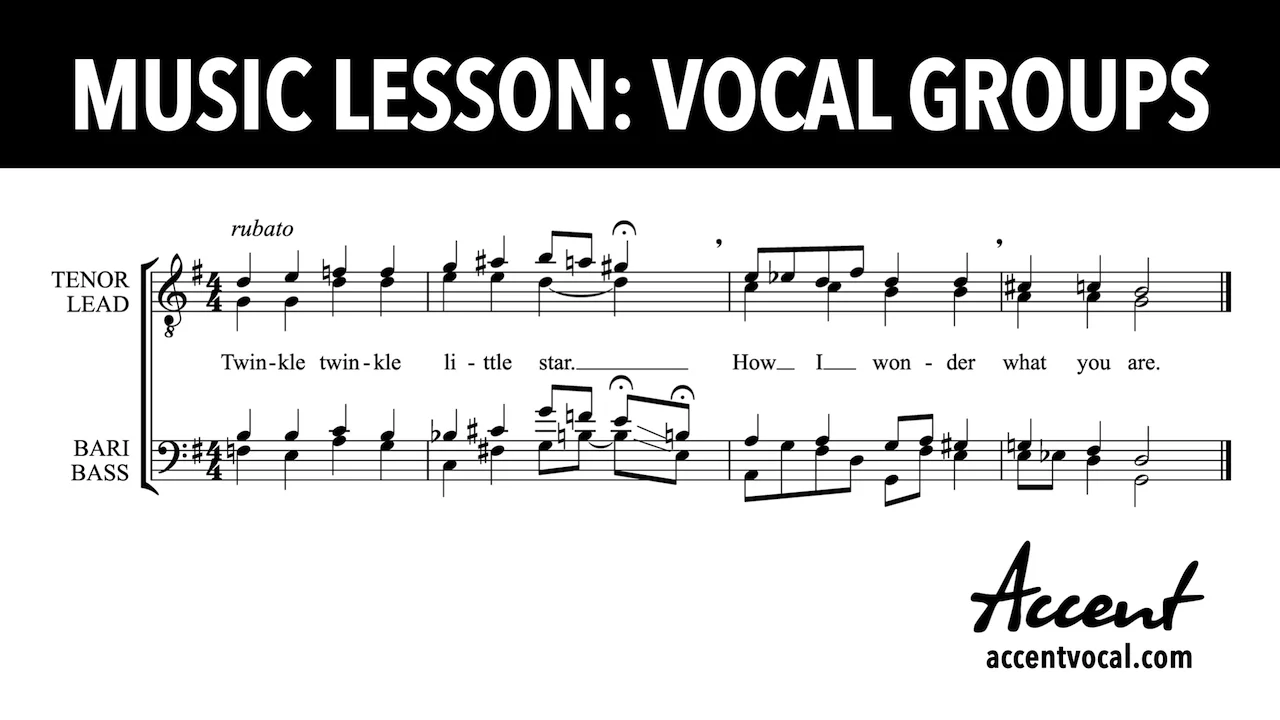
The world-renowned vocal group Accent provides a masterclass on how to blend complex close harmonies. They explain how R&B close-harmony setups rely on tight intervals (such as minor seconds and major sevenths) and immaculate, uniform vocal styling to achieve a sleek, luxurious R&B blend.
Knowledge Checkpoint
- Define "close harmony" and its role in classic R&B and jazz-pop vocal stacks.
- Incorporate harmonic extensions (such as 9ths and 11ths) into vocal group arrangements.
- Maintain a unified, matched vowel shape across all background vocalists to ensure seamless acoustic blending.
Course Map
Key People Index
- Gracie Terzian (@GracieTerzian): Music educator and singer-songwriter famous for translating complex harmonic concepts into accessible, vocalist-friendly visual exercises.
- Saher Galt (@SaherGalt): Renowned online vocal coach and arranger specialized in intuitive methods for teaching singers to audiate and execute complex interval harmonies instantly.
- Jacob Collier (@jacobcollier): Multi-Grammy award winning composer and arranger. He is globally recognized for redefining modern vocal arrangements through microtonal modulation, massive multi-part vocal stacks, and advanced jazz harmony.
- Accent (@AccentVocal): An elite, international 6-part a cappella group celebrated for their complex, close-harmony jazz and R&B arrangements, showcasing world-class voice leading.
Final Self-Assessment
Complete this comprehensive, practical self-assessment to verify your mastery of contemporary vocal arranging.
- Acoustic Identification: You can listen to a pop or R&B song and immediately identify whether a background vocal layer is singing a parallel 3rd, a 5th, or an octave relative to the lead.
- Scale Mapping: Given any major key, you can write out or sing the 7 diatonic triads without relying on a pitch-correction tool.
- Chord Tone Placement: You can write a 3-part vocal stack where each voice stays perfectly within its respective range (e.g., Alto voice staying in the mid-alto range) without any awkward voice crossing.
- Step-Wise Voice Leading: When connecting a I chord to a IV chord in a vocal pad, you can transition all parts using movements of no more than a whole-step, or by keeping common tones completely stationary.
- Rhythmic Interplay: You can draft a 4-bar vocal countermelody where the notes are sung almost exclusively in the rhythmic pauses (the "gaps") of the lead vocal.
- High Descant Design: You can construct a soaring, high-register vocal descant that adds epic scale to a final chorus without muddying the lead vocal's lyrics.
- Stereo Doubling Technique: You can record and process a vocal stack in your DAW, implementing hard-left and hard-right panning of matching takes to create a professional, wide stereo image.
- Close Harmony Extension: You can arrange and record a 4-part close harmony R&B stack that safely incorporates a major 9th or an 11th chord extension, maintaining a pristine, balanced vocal blend.