Personal Identity: Bodies, Minds & Parfit
Learning Goal: Deconstruct the philosophical problem of personal identity, analyzing bodily continuity, psychological connectedness, narrative identity, and Derek Parfit's reductionist bundle theory of the self.
- Prerequisites: None (an open mind and a passion for metaphysical puzzles are highly recommended).
- Estimated Total Study Time: 10 Hours
Module 1: Introduction to the Problem of Identity over Time
This module establishes the foundational metaphysical framework of identity. You will explore what it means for something to persist as the "same" entity over time despite undergoing change, using the classic ancient thought experiment of the Ship of Theseus.

Why this video
This lecture from Oxford University clarifies the foundational linguistic and metaphysical tools needed to discuss identity. It introduces the crucial distinction between qualitative similarity (sharing the same properties) and numerical identity (being one and the very same object). Understanding this difference is essential before analyzing how a person can persist over decades of change.
Knowledge Checkpoint
- Define the difference between qualitative similarity and numerical identity.
- Explain the metaphysical problem of "persistence over time."
- Articulate why a change in parts (e.g., cell replacement) challenges numerical identity.
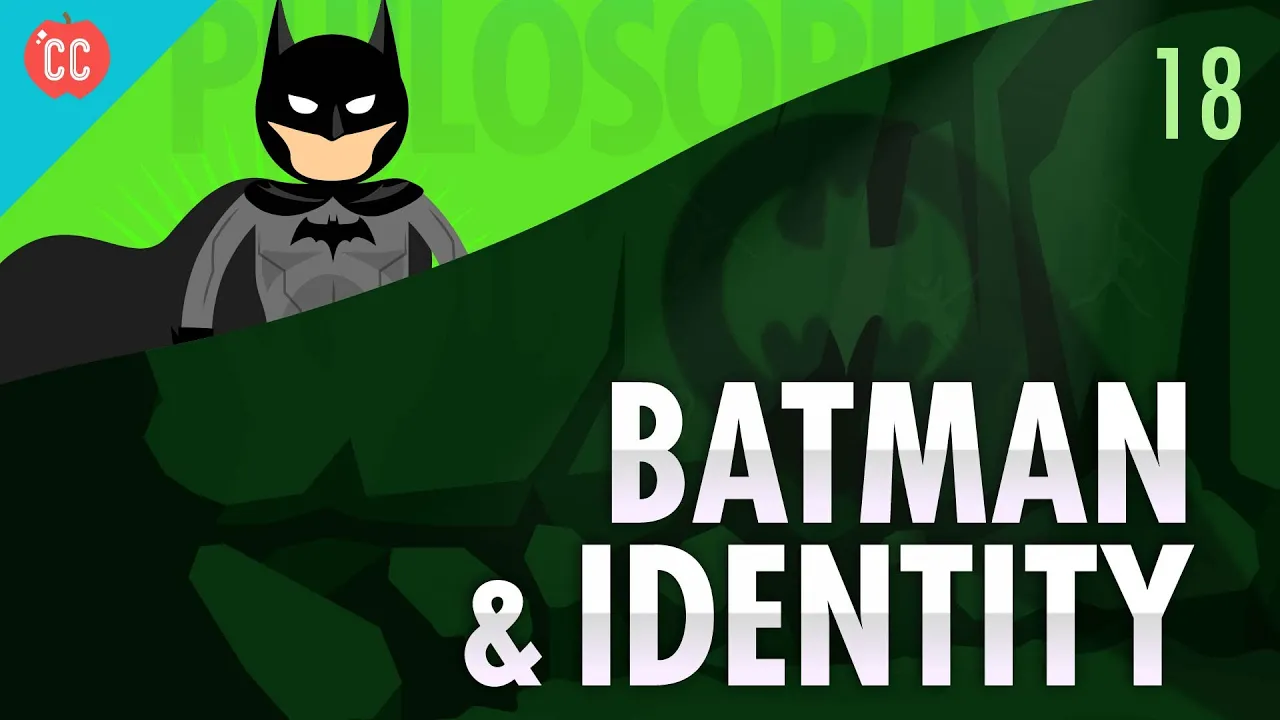
Why this video
This highly engaging Crash Course episode uses Batman to dissect how physical objects persist through space and time. It introduces essential vs. accidental properties, laying the groundwork for how we determine whether a changing entity retains its identity.
Knowledge Checkpoint
- Distinguish between essential properties and accidental properties.
- Explain how spatial-temporal continuity tracks physical objects.
- Analyze how changes in accidental properties affect our perception of personal identity.

Why this video
Using a popular cultural reference from Marvel's WandaVision, this short clip illustrates the classic "Ship of Theseus" thought experiment. It poses the fundamental question: if every plank of a ship is gradually replaced, is it still the same ship? And if the old planks are gathered and rebuilt, which ship is the "real" one?
Knowledge Checkpoint
- Describe the classic formulation of the Ship of Theseus paradox.
- Contrast the argument of "gradual continuous repair" with "original material composition."
Module 2: The Bodily Criterion & Physical Continuity
This module shifts the focus from general objects to human beings. You will examine the Bodily Criterion—the theory that personal identity consists of physical or organic survival—and analyze "animalism" alongside classic thought experiments designed to challenge physical continuity.
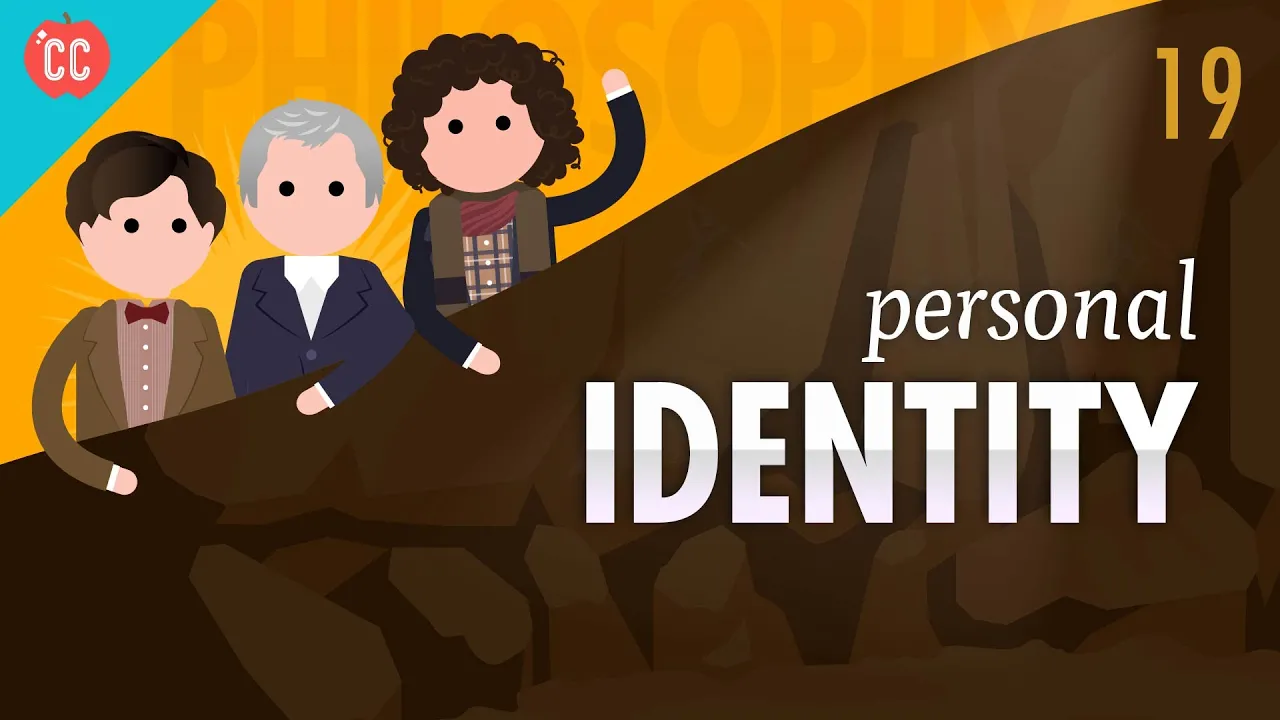
Why this video
This video provides a direct, side-by-side comparison of the Bodily Criterion (Body Theory) and the Psychological Criterion (Memory Theory). It serves as an ideal bridge, outlining why many common-sense intuitions default to physical continuity, while exposing the major problems these theories face when we consider brain transplants or cognitive disruption.
Knowledge Checkpoint
- Define the Bodily Criterion (or Body Theory) of personal identity.
- Explain why the preservation of the brain is typically prioritized over other bodily organs within physicalist theories.
- Pinpoint the core vulnerability of the physicalist view when presented with brain-swap scenarios.
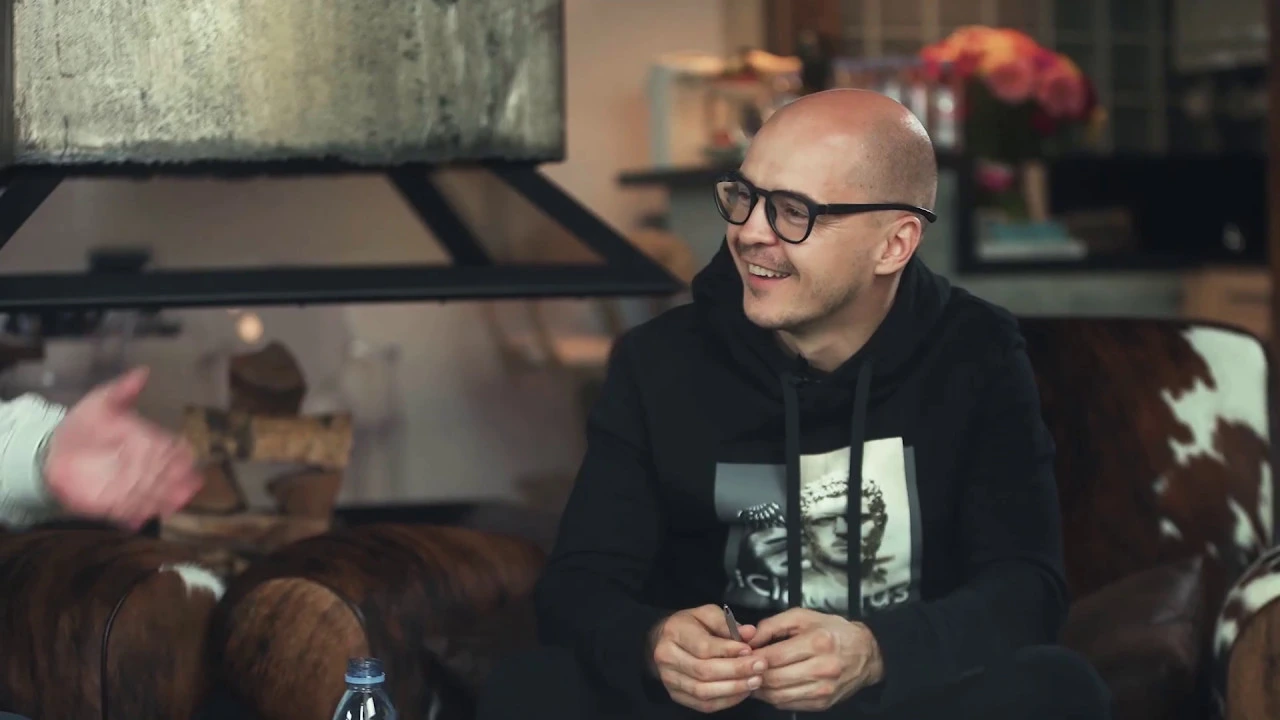
Why this video
Eric Olson is the world's leading champion of Animalism—the philosophical view that human persons are, fundamentally, biological organisms. In this interview, Olson challenges the mainstream psychological view of identity, arguing that our persistence conditions are identical to those of any other living animal.
Knowledge Checkpoint
- Explain the thesis of Animalism as presented by Eric Olson.
- Contrast Animalism with person-essentialism (the view that you are fundamentally a mind/person).
- Summarize Olson's "Thinking Animal Argument."

Why this video
This lecture segment from Yale University outlines Bernard Williams' famous "mad scientist" mind-transfer thought experiment. Williams' experiment is designed to challenge our psychological intuitions, suggesting that when threatened with future physical torture, we naturally worry about our biological body's fate, regardless of whose mind occupies it.
Knowledge Checkpoint
- Reconstruct Bernard Williams' two-part mind-swap thought experiment.
- Explain why the second presentation of Williams' scenario shifts our intuitions back toward the Bodily Criterion.
- Critique the psychological view of identity using Williams' torture argument.
Module 3: John Locke & The Psychological Criterion
Explore the historical shift toward the mind. You will analyze John Locke's pioneering memory-based theory of personal identity, the crucial difference between psychological connectedness and continuity, and the mind-bending paradoxes raised by replication technologies.

Why this video
This Oxford lecture unpacks John Locke's argument in An Essay Concerning Human Understanding. It details Locke’s revolutionary move to separate biological "man" from conscious "person," establishing that personal identity is constituted purely by a continuous chain of conscious memory.
Knowledge Checkpoint
- Distinguish between Locke's concepts of "substance," "man" (biological organism), and "person" (rational agent).
- Explain why Locke locates personal identity in "consciousness" (memory) rather than material or immaterial substance.
- Describe the legal and moral implications of Locke's memory-based identity theory (e.g., accountability for forgotten acts).
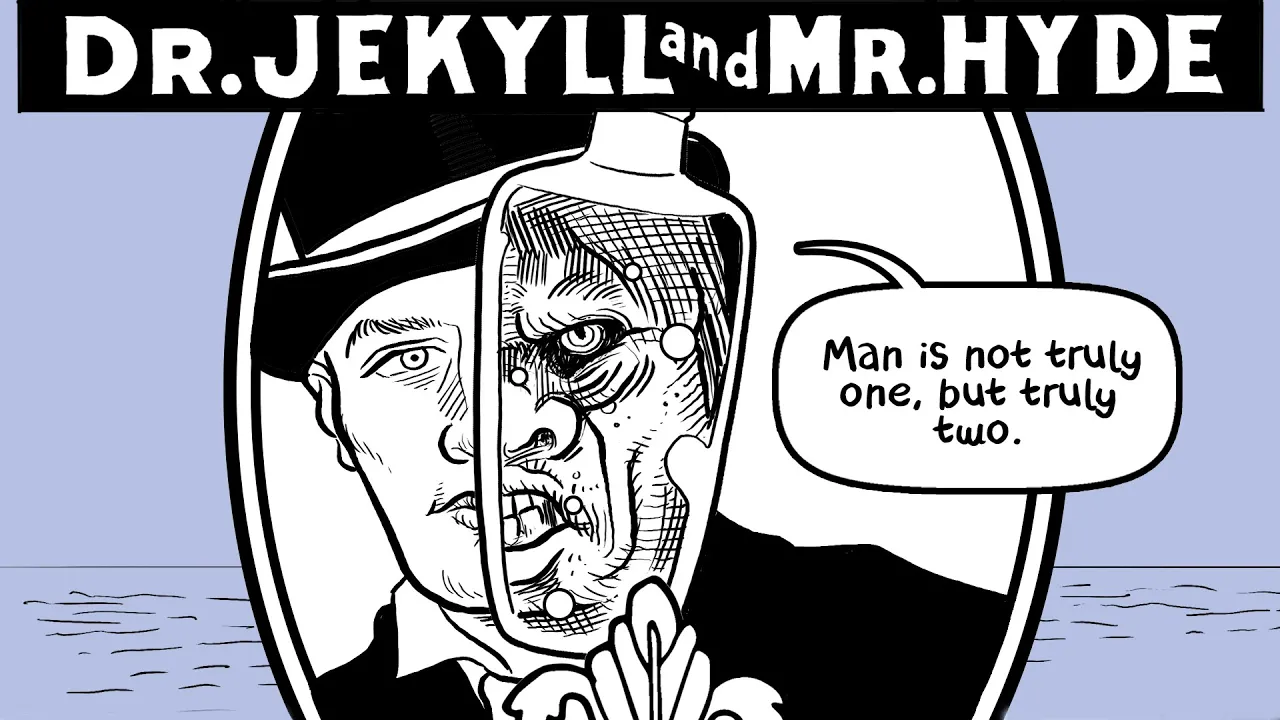
Why this video
This animated BBC short visualizes John Locke's famous "Prince and the Cobbler" thought experiment. It serves as an intuitive demonstration of why we naturally associate our identity with our conscious mind rather than our physical body.
Knowledge Checkpoint
- Reconstruct the "Prince and the Cobbler" thought experiment.
- Explain why this case supports the Psychological Criterion over the Bodily Criterion.
Why this video
This video introduces Derek Parfit's iconic Teletransportation Paradox. This thought experiment challenges the Psychological Criterion by analyzing a device that destroys your body on Earth and reconstructs an exact atomic duplicate (with all your memories intact) on Mars.
Knowledge Checkpoint
- Explain how a standard teleporter functions in Parfit's thought experiment.
- Contrast the "Simple" Teleporter with the "Branch-Line" Teleporter (where the original copy on Earth survives).
- Identify why duplication cases pose a severe logical challenge to the Psychological Criterion.
Why this video
This fast-paced, high-impact short from Vsauce3 isolates the raw logic of the teletransportation paradox. It forces you to confront the distinction between qualitative similarity (an exact atomic clone) and numerical identity, illustrating the psychological discomfort of replication.
Knowledge Checkpoint
- Explain the metaphysical problem of "multiple occupancy" (i.e., if two clones exist, which one is you?).
- Define why transitivity of identity ( and implies ) breaks down in duplication cases.
Module 4: Narrative Identity & The Social Self
This module explores Narrative Identity Theory, analyzing how we construct our sense of self through narrative synthesis, memory selection, and our social environment.
⚠️ Note on Video Coverage: Video content explicitly detailing the formal academic mechanics of Narrative Identity Theory is sparse in the public pool. To supplement these short selections, it is highly recommended to independently read Marya Schechtman's The Constitution of Selves and Paul Ricoeur's Oneself as Another.

Why this video
Using pop culture to explain high philosophy, Wisecrack provides a brilliant introduction to Paul Ricoeur’s Narrative Identity Theory. It outlines how our identities are not fixed biological or psychological facts, but rather a dynamic, ongoing process of narrative creation we construct over our lifetimes.
Knowledge Checkpoint
- Define "narrative identity" according to Paul Ricoeur.
- Explain how "narrativization" bridges the gap between different periods of a person's life.
- Discuss how external cultural myths and structures shape our internal self-narratives.

Why this video
This brief clip targets the core conceptual vocabulary of Ricoeur’s philosophy, specifically the distinction between Idem and Ipse identity. This is a critical distinction that traditional analytic philosophers of personal identity often overlook.
Knowledge Checkpoint
- Distinguish between Idem identity (sameness/numerical identity) and Ipse identity (selfhood/existential continuity).
- Explain why Ricoeur believes the self cannot be reduced to mere Idem (material sameness).
Why this video
This clip introduces Marya Schechtman, one of the most prominent contemporary voices in narrative selfhood. Schechtman challenges traditional Lockean memory theories by showing that a simple mechanical chain of memory is insufficient; instead, memories must be integrated into a coherent self-narrative.
Knowledge Checkpoint
- Explain Marya Schechtman’s main objection to John Locke’s memory theory.
- Define the "self-constitution view" of personal identity.
- Describe how unconscious narratives and psychological organization influence our personhood.
Module 5: Derek Parfit's Bundle Theory and Reductionism
Deconstruct the radical philosophy of Derek Parfit. In this module, you will analyze his reductionist "Bundle Theory" of the self, explore real-world split-brain neurological cases, and understand his revolutionary thesis: identity is not what matters in survival.

Why this video
This academic lecture provides a deep dive into Parfit’s reductionism. It contrasts the "Ego Theory" (that we have a unified, permanent self) with the "Bundle Theory" (that we are just bundles of changing mental states). It specifically details how split-brain patients provide real empirical evidence for the Bundle Theory.
Knowledge Checkpoint
- Contrast the "Ego Theory" with Parfit's "Bundle Theory."
- Explain the medical reality of corpus callosotomy (split-brain surgery).
- Analyze how split-brain experiments (e.g., showing different images to left and right visual fields) challenge the concept of a unified, singular self.

Why this video
An invaluable historical document, this clip features Derek Parfit himself explaining his theories in a documentary. Parfit walks through his reductionism, his views on death, and why the dissolution of the "myth of the self" is actually a liberating, deeply comforting realization.
Knowledge Checkpoint
- Define Parfit's "Relation R" (psychological connectedness and psychological continuity).
- Explain Parfit's argument that "identity is not what matters" in survival.
- Discuss how Parfit's reductionist view changes our perspective on aging, future planning, and death.
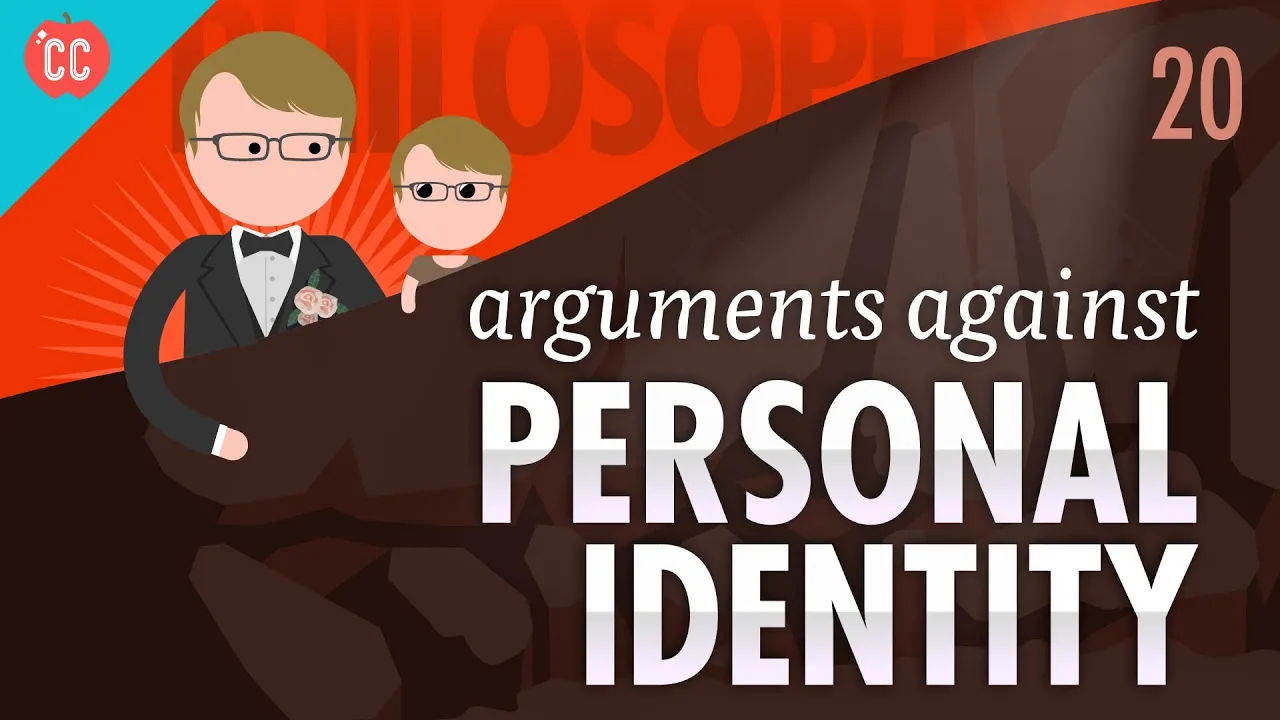
Why this video
This video connects Parfit’s modern analytic reductionism to its historical and spiritual predecessors. It introduces David Hume's original "bundle of perceptions" argument and outlines the striking structural parallels to the Buddhist concept of Anatta (non-self).
Knowledge Checkpoint
- Explain David Hume's classic "theater of the mind" metaphor and his bundle theory.
- Define the Buddhist concept of Anatta (or no-self).
- Analyze how Hume's and Parfit's theories challenge the concept of a soul or a Cartesian Ego.
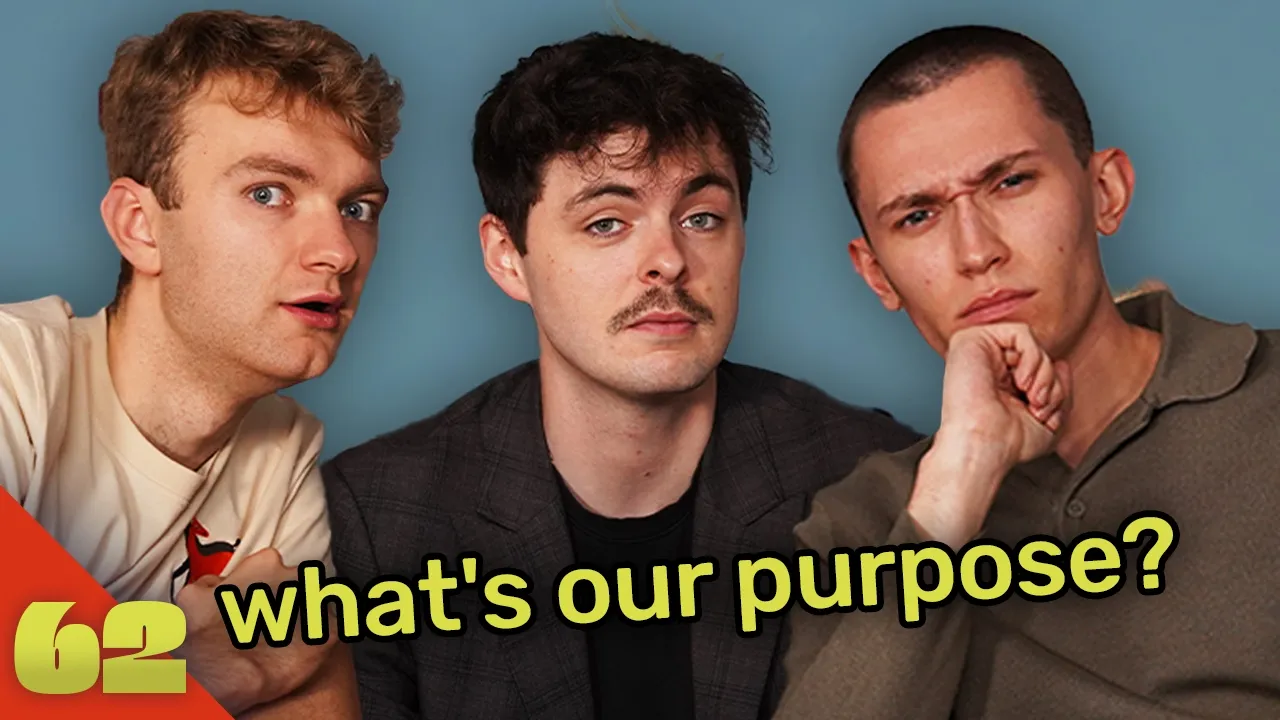
Why this video
This interview with philosopher/broadcaster Alex O'Connor details the neurological reality of split-brain cases and links it directly to Parfit's reductionist conclusions. It is an excellent summary of how modern science validates ancient metaphysical arguments against the existence of a single, unified "soul."
Knowledge Checkpoint
- Describe how the left and right hemispheres can harbor different desires, beliefs, or opinions in split-brain patients.
- Explain how this empirical neural division supports Parfit's claim that there is no singular coordinator (Ego) inside the brain.
- Connect the material science of neurobiology to the metaphysical rejection of personal identity.
Course Map
Key People Index
- John Locke (1632–1704): English Enlightenment philosopher who founded the Psychological Criterion of identity. He famously argued that a person's identity extends only as far as their conscious memory can reach back.
- Bernard Williams (1929–2003): British moral philosopher who used brilliant thought experiments (like the mad scientist mind-swap and torture case) to critique psychological reductionism and champion physical/bodily intuitions.
- Eric Olson (1963–present): Contemporary American philosopher and prime champion of "Animalism." Olson rejects psychological views of identity, asserting that we are biological organisms and our persistence conditions are purely physical/organic.
- Paul Ricoeur (1913–2005): French hermeneutic philosopher who pioneered "Narrative Identity." He resolved the tension between change and sameness by introducing the concepts of Idem (numerical sameness) and Ipse (existential self-narrative).
- Marya Schechtman: Prominent contemporary philosopher who developed the "Self-Constitution View." She argues that a person is defined by their ability to consciously organize their life, memories, and actions into a cohesive narrative structure.
- David Hume (1711–1776): Scottish skeptic who declared that when he looked closely inside his mind, he found no "self"—only a constantly changing "bundle of perceptions."
- Derek Parfit (1942–2017): Widely considered one of the most important moral philosophers of the 20th century. His book Reasons and Persons dismantled the traditional concept of personal identity, arguing for reductionist "Bundle Theory," and showing that psychological connectedness (Relation R) is what actually matters for survival.
Final Self-Assessment
Test your mastery of the philosophy of personal identity by checking off each of these core conceptual competencies:
- I can clearly define the difference between qualitative similarity and numerical identity.
- I can articulate the core paradox of the Ship of Theseus and apply it to physical human identity.
- I can explain the philosophy of Animalism and reconstruct Eric Olson’s "Thinking Animal Argument."
- I can detail Bernard Williams' "mad scientist" thought experiment and explain why it poses an objection to pure psychological theories.
- I can explain John Locke’s distinction between "man" and "person," and describe his memory-based criterion of identity.
- I can construct the Teletransportation Paradox and explain why replication devices break down the classical transitivity of identity.
- I can contrast Paul Ricoeur's concepts of Idem (sameness) and Ipse (selfhood).
- I can summarize Marya Schechtman’s self-constitution view and explain why she rejects Locke’s mechanical memory criterion.
- I can define Derek Parfit’s "Bundle Theory of Self" and explain how it differs from the "Ego Theory."
- I can explain the cognitive and philosophical implications of split-brain surgeries (corpus callosotomy) on the concept of a unified self.
- I can defend Parfit’s thesis that "identity is not what matters" in survival, outlining why "Relation R" (connectedness/continuity) is the true metric of concern.