Mass Incarceration: Drivers, Pipeline & Bias
Learning Goal: Analyze the sociological structural drivers of mass incarceration and the carceral state, examining labeling theory, the school-to-prison pipeline, and the racialized impacts of penal policy.
- Prerequisites: None (an introductory understanding of basic sociological concepts is helpful but not required).
- Estimated Total Study Time: 15 Hours
Module 1: Foundations of the Carceral State & Mass Incarceration
This module establishes the foundational historical, numerical, and structural reality of the American carceral state. Learners will examine how the United States became the global leader in incarceration rates and explore the transition from rehabilitative theories to a highly punitive model of social control.
- Why this video: Michelle Alexander delivers a cornerstone academic analysis of how the modern criminal justice system functions as a comprehensive system of racialized social control. This lecture is critical for understanding mass incarceration not as a collection of bad policies, but as a structural successor to Jim Crow.
- Knowledge checkpoint:
- Explain the concept of a "racial caste system" in the context of modern American jurisprudence.
- Describe how the label of "felon" legally permits discrimination in housing, employment, and voting rights.
- Contrast historical Jim Crow laws with the systemic outcomes of the War on Drugs.

- Why this video: Bryan Stevenson of the Equal Justice Initiative provides a profound legal and humanitarian examination of the rise in jail and prison populations since the 1970s. This lecture explains how the legal system evolved to systematically deprioritize rehabilitation and mercy, leading to extreme sentencing disparities.
- Knowledge checkpoint:
- Quantify the growth of the U.S. incarcerated population from 1972 (approx. 300,000) to the 21st century (over 2 million).
- Identify how poverty and race intersect to influence legal representation and sentencing outcomes.
- Analyze the psychological and social impacts of extreme punitive policies on marginalized communities.
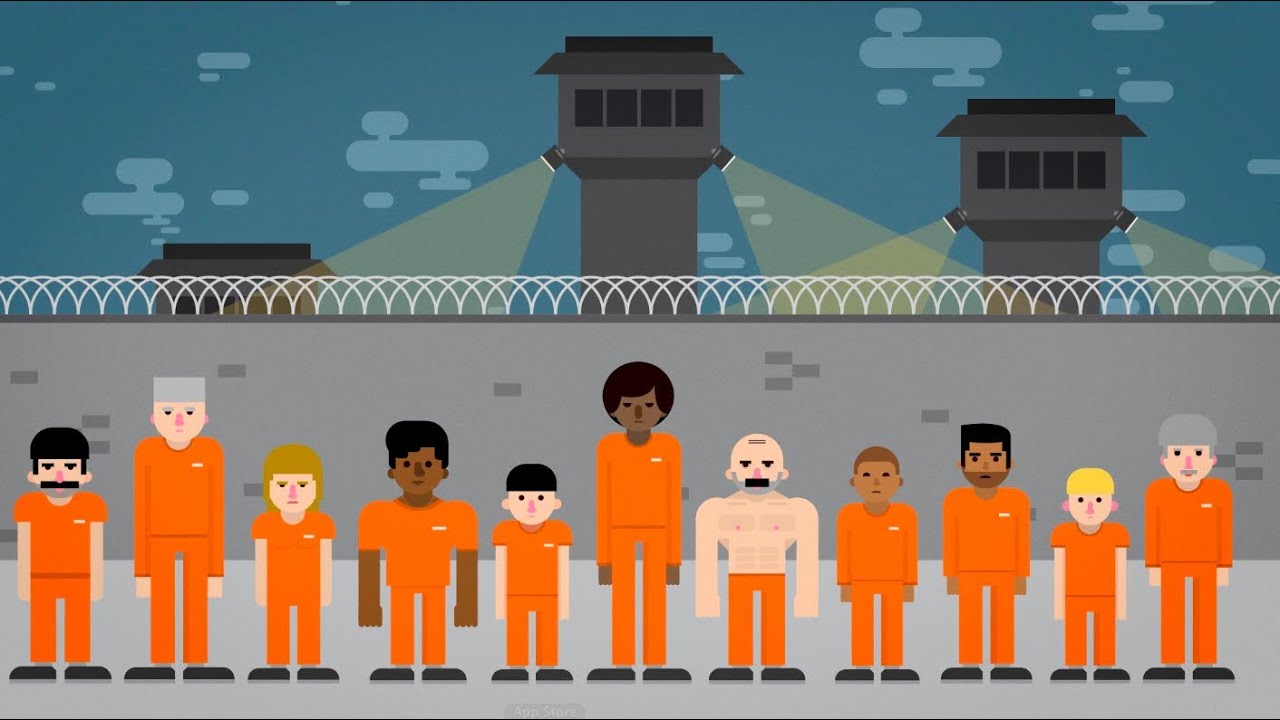
- Why this video: This video offers a highly visual, data-driven primer on the disproportionate scale of the American carceral system. It provides the essential macro-level metrics that define the scope of mass incarceration globally.
- Knowledge checkpoint:
- State the percentage of the world's prisoners housed in the United States relative to its share of the global population.
- Evaluate the relationship between rising incarceration rates and actual violent crime rates during the late 20th century.
- Why this video: This documentary traces the historical roots of American prisons from Quaker reform principles of reflection and penitence to the modern, industrial-scale punitive network, contextualizing the shifts that occurred in the mid-to-late 20th century.
- Knowledge checkpoint:
- Detail the stable incarceration trend in the U.S. between 1920 and 1970 and describe what caused the subsequent explosive rise.
- Explain how Quaker-era philosophies of penitence evolved into modern administrative segregation and punitive detention.
Module 2: Labeling Theory and the Sociology of Deviancy
This module introduces key sociological concepts of social control, deviance, and interactionist perspectives. Learners will analyze how societal reactions, police interventions, and institutional labels construct "criminal" identities and foster secondary deviance.

- Why this video: This segment offers a concise overview of Labeling Theory, explaining that deviance is not inherent in an act but is created by the reactions of society and the application of social rules.
- Knowledge checkpoint:
- Define "labeling theory" and distinguish it from functionalist or strain theories of deviance.
- Describe how the application of a formal legal label influences an individual's self-concept and opportunities.

- Why this video: This video breaks down the crucial mechanism of recidivism and persistent criminalization by detailing the transition from an initial norm violation to an internalized identity.
- Knowledge checkpoint:
- Distinguish between primary deviance and secondary deviance.
- Explain how social stigmatization and marginalization block conventional pathways, forcing individuals to adopt a "deviant career."
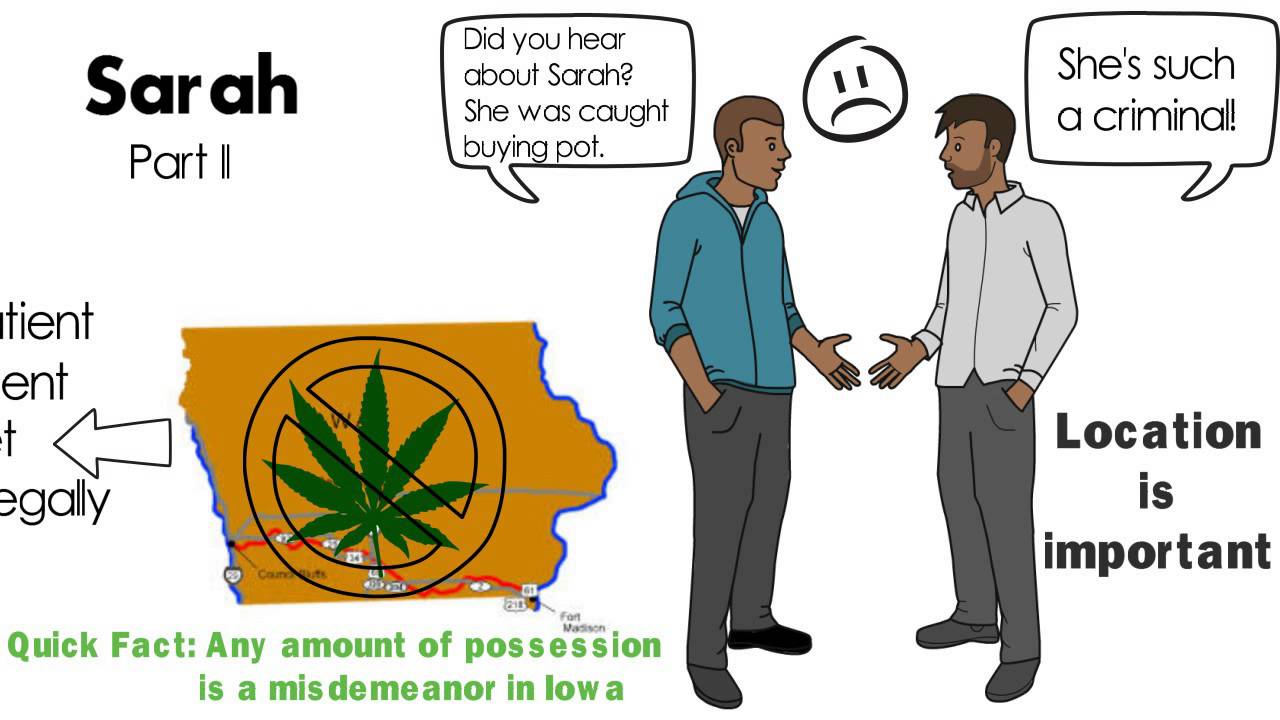
- Why this video: This video grounds labeling theory in its symbolic interactionist origins, illustrating how labels function as master statuses that override all other social identities.
- Knowledge checkpoint:
- Explain what a "master status" is and how the label of "criminal" acts as one.
- Discuss the role of moral entrepreneurs and institutions in defining and enforcing labels.

- Why this video: Dr. Fitzwater Gonzales delivers a structured academic lecture on how societies establish, monitor, and enforce boundaries of deviance through both formal and informal mechanisms of social control.
- Knowledge checkpoint:
- Differentiate between formal and informal deviance, providing clear examples of each.
- Explain how deviance is highly situational, relative, and socially constructed across different cultures and timelines.
Module 3: The School-to-Prison Pipeline
This module analyzes the systemic transition of youth, particularly Black and Brown students, from educational systems into the criminal justice system. We dissect the rise of zero-tolerance policies, police presence in schools (School Resource Officers), and the criminalization of normative adolescent behavior.
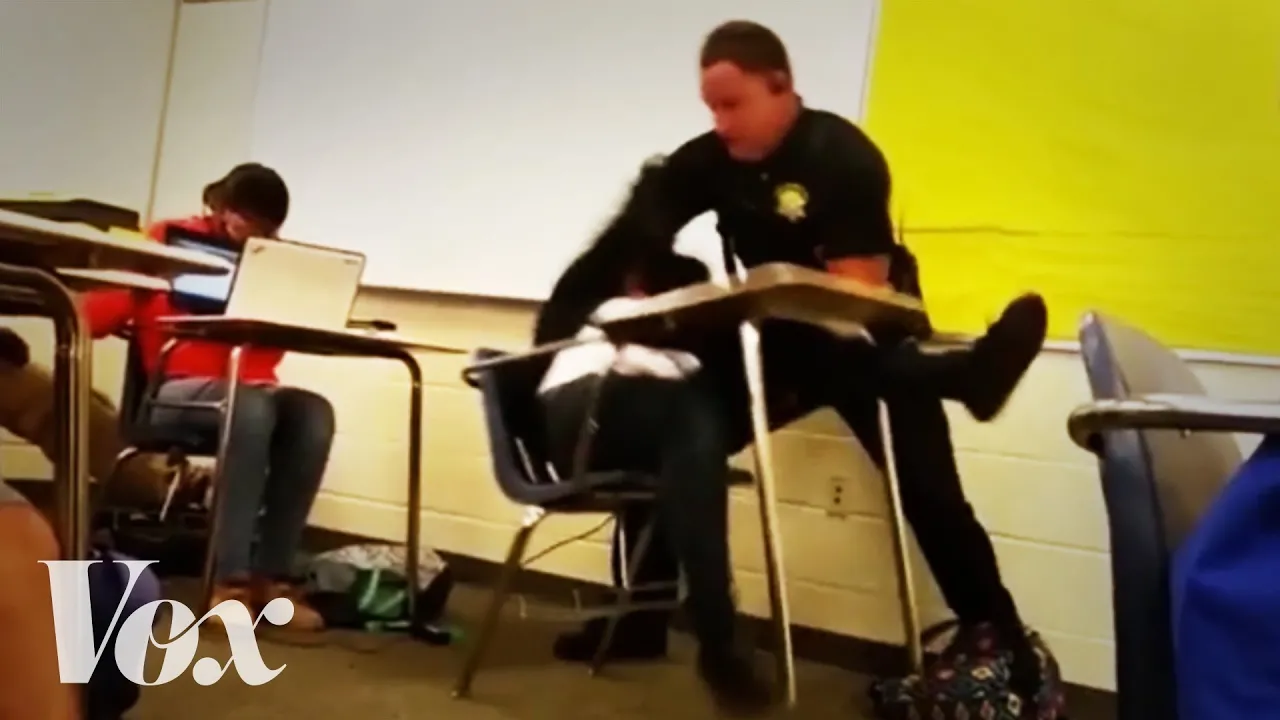
- Why this video: Vox provides a visually engaging and clear structural breakdown of how zero-tolerance policies and the direct introduction of police officers into public school hallways funnel students directly into courtrooms.
- Knowledge checkpoint:
- Define the school-to-prison pipeline.
- Analyze how racial disparities manifest in school suspension rates and subsequent arrests.
- Describe the historical policy shift that replaced administrative discipline with police intervention in educational settings.
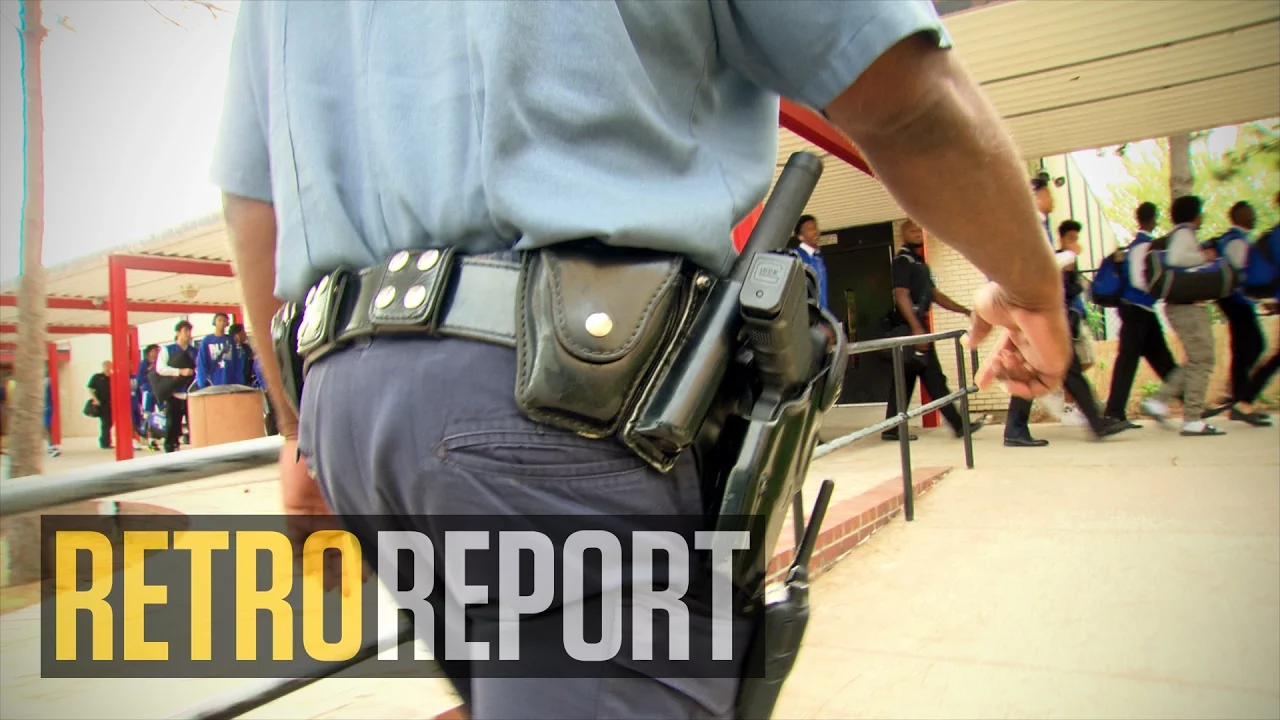
- Why this video: This investigative piece details the historical policy push toward "zero-tolerance" rules in schools in the late 1990s and analyzes the extreme unintended consequences of applying rigid federal gun policies to minor student behaviors.
- Knowledge checkpoint:
- Identify the historical events (e.g., the Gun-Free Schools Act of 1994, Columbine) that catalyzed the widespread adoption of school zero-tolerance policies.
- Explain how non-violent, minor infractions (e.g., dress code violations, minor non-compliance) became grounds for suspension and arrest.
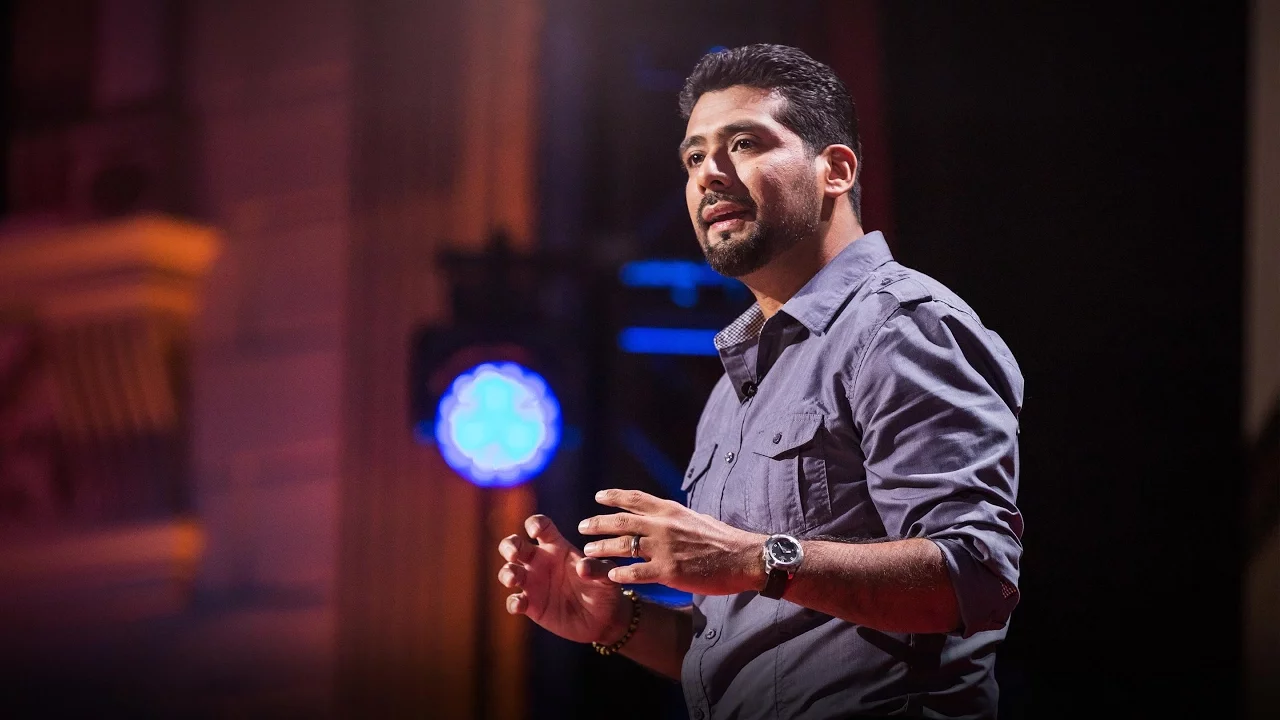
- Why this video: Sociologist Victor Rios shares critical insights on the "youth control complex," examining how marginalized kids are constantly policed, labeled, and funneled out of supportive social systems.
- Knowledge checkpoint:
- Explain how a student's institutional exclusion (suspension or expulsion) heightens their vulnerability to the street-level criminal justice system.
- Analyze the psychological shift from being an "at-risk" student to being treated as an "at-promise" youth, as advocated by Rios.

- Why this video: This documentary shows actual case studies of elementary and secondary school students arrested for routine behavior, illustrating the real-world execution of zero-tolerance policies and the severe legal stakes involved.
- Knowledge checkpoint:
- Critique the assertion that zero-tolerance policies improve school safety.
- Discuss the systemic long-term economic and educational impacts of a juvenile arrest record on young students.
Module 4: Racialized Penal Policy and Structural Inequality
This module focuses on the historical policy levers of the late 20th century that systematically drove racial disparities. We investigate the targeted origins of the War on Drugs, the introduction of mandatory minimum sentencing, and the long-term impact of the federal 1994 Crime Bill.
Note on coverage: In alignment with the curriculum review, this module explicitly integrates structural, federal-level policies (such as crack/powder cocaine disparities and statutory judicial restrictions) to bridge gaps in typical high-level summaries.
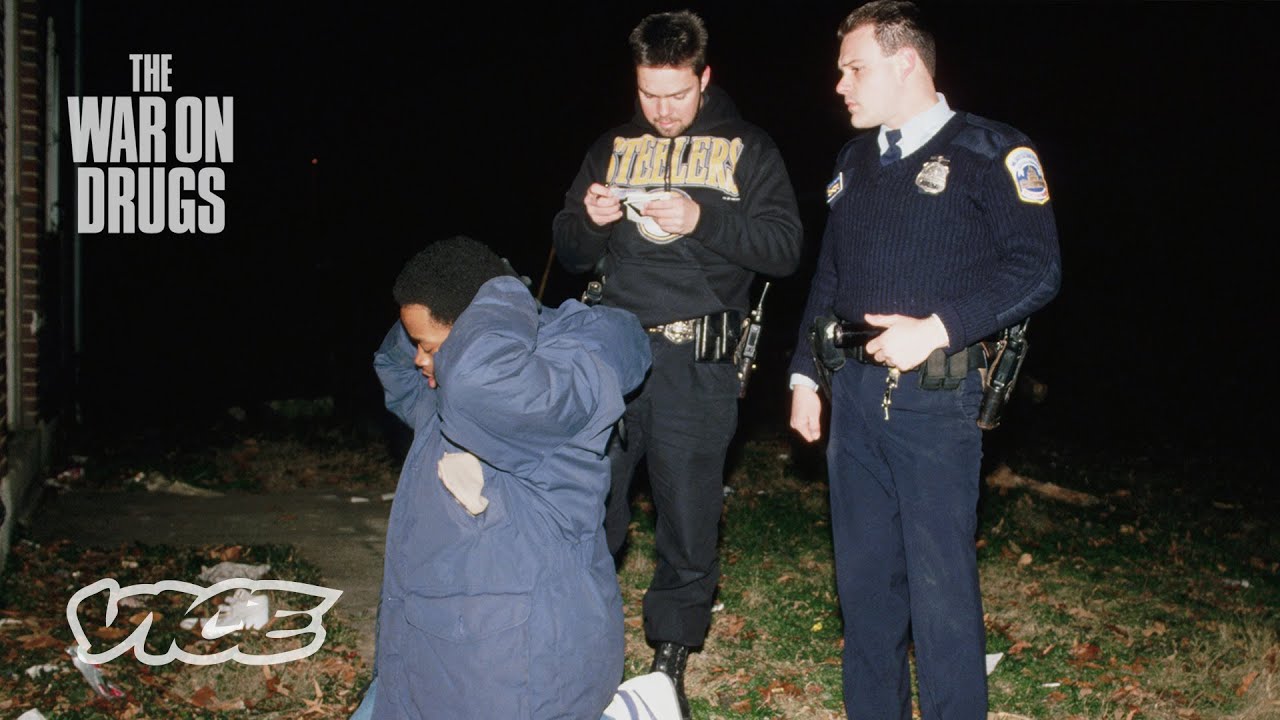
- Why this video: This segment traces the explicit history of American drug laws back to racial scapegoating and exclusionary policies in the late 19th and early 20th centuries, proving that drug criminalization has historically targeted specific ethnic minority demographics.
- Knowledge checkpoint:
- Explain the relationship between historical anti-Chinese sentiment in the 1880s and early opium legislation.
- Analyze how racial anxiety has historically been weaponized by politicians to pass strict prohibition laws.
- Why this video: This video targets a primary policy gap by illustrating how statutory mandatory minimum sentences stripped judges of their discretion, leading to highly inflated and racially disproportionate prison terms.
- Knowledge checkpoint:
- Define "mandatory minimum sentencing" and describe its impact on judicial discretion.
- Analyze the structural effects of the 100-to-1 sentencing disparity between crack cocaine (more prevalent in Black urban communities) and powder cocaine (more prevalent in affluent white communities).
- Why this video: This video examines the Violent Crime Control and Law Enforcement Act of 1994 (the 1994 Crime Bill). It explains how federal funding was leveraged to incentivize states to expand their prison systems and pass punitive "Truth-in-Sentencing" laws.
- Knowledge checkpoint:
- Detail the financial mechanisms the 1994 Crime Bill used to encourage states to construct more prisons.
- Explain the concept and consequences of "Truth-in-Sentencing" laws (e.g., requiring inmates to serve at least 85% of their sentences).

- Why this video: This university lecture delivers a rigorous academic analysis of the concrete policy tools that produce systemic racial disparities in the criminal justice system, explicitly reviewing habitual offender laws and sentencing metrics.
- Knowledge checkpoint:
- Explain how "habitual offender" or "three-strikes" laws compound minor infractions into life sentences.
- Discuss the empirical evidence indicating how race influences prosecutor decisions and plea bargaining dynamics.
Module 5: The Political Economy of Mass Incarceration
This module deconstructs the financial structures, corporate lobbying forces, and systemic profit incentives behind the "prison-industrial complex." We examine private prison contracts, corporate lobbying (such as ALEC), and the direct economic exploitation of prison labor.
Note on coverage: In direct response to the critical feedback, this module utilizes robust investigative, academic, and policy-focused videos to detail the economic mechanisms of prison labor and corporate legislation, bypassing superficial analyses.

- Why this video: This deep-dive investigation systematically details the perverse economic incentives inherent to private, for-profit prisons, highlighting how their business models directly depend on high incarceration rates.
- Knowledge checkpoint:
- Explain how "occupancy guarantee" clauses in private prison contracts force state taxpayers to pay for empty beds, disincentivizing criminal justice reform.
- Analyze why the profit-maximizing motives of private prison operators directly conflict with safety, rehabilitation, and recidivism-reduction goals.

- Why this video: This PBS investigative segment unmasks how the corporate-funded American Legislative Exchange Council (ALEC) draft policies that directly expand the incarcerated population, serving as a classic case study of corporate-state collusion.
- Knowledge checkpoint:
- Define the role of the American Legislative Exchange Council (ALEC) in drafting "model legislation" for state lawmakers.
- Describe the historical link between ALEC, private prison companies, and the passage of strict sentencing policies like "Three-Strikes" and "Truth-in-Sentencing."
- Why this video: Utilizing corporate shareholder filings, this brief explainer demonstrates how private prisons explicitly cite systemic reform, drug decriminalization, and reduced sentencing guidelines as direct financial risks to their business models.
- Knowledge checkpoint:
- Identify how private prison corporations represent policy changes (like decriminalization) in their annual SEC shareholder filings.
- Discuss how lobbying expenditures are deployed by the corrections industry to influence federal and state criminal justice policies.
- Why this video: This video focuses on the internal economic structure of prison labor, examining how both public and private entities extract profits from incarcerated laborers who are paid sub-minimum wages.
- Knowledge checkpoint:
- Outline the average wage scale for incarcerated labor in the United States (typically ranging from 2.00 per hour).
- Explain how the 13th Amendment's exception clause ("except as a punishment for crime whereof the party shall have been duly convicted") legally permits the extraction of involuntary or underpaid labor in modern prisons.
Course Map
This map outlines the ideal progress through the course, indicating how the structural, theoretical, educational, political, and economic models build upon one another.
Key People Index
- Michelle Alexander: Legal scholar, advocate, and author of The New Jim Crow: Mass Incarceration in the Age of Colorblindness. Her work frames mass incarceration as a modern caste system operating under the guise of race-neutral law.
- Bryan Stevenson: Human rights lawyer, founder of the Equal Justice Initiative (EJI), and author of Just Mercy. He has spent decades legally contesting systemic bias, juvenile life-without-parole sentences, and death penalty errors.
- Victor Rios: Sociologist, author, and professor whose research centers on the "youth control complex" and the criminalization of young, marginalized boys within the educational system.
- Howard Becker: Key 20th-century sociologist who formalized Labeling Theory within symbolic interactionism, shifting the analytical focus of deviance from the actor to the social audience.
Final Self-Assessment
Complete this comprehensive self-assessment to verify your mastery of the curriculum's core concepts.
- Explain the structural and historical parallels between the legal mechanics of Jim Crow laws and the post-conviction civic exclusions experienced by modern felons.
- Diagram the progressive relationship between primary deviance, external labeling, the establishment of a "master status," and the ultimate manifestation of secondary deviance.
- Pinpoint the core legislative origins of the school-to-prison pipeline, specifically tracing the influence of federal education laws and gun-free acts from the mid-1990s.
- Articulate the racial implications of the 100-to-1 federal sentencing disparity regarding crack versus powder cocaine, and identify how subsequent policy adjusted this ratio.
- Outline the core provisions of the 1994 Crime Bill, showing how federal grants were structured to drive "Truth-in-Sentencing" initiatives at the state level.
- Explain the constitutional basis for underpaid or involuntary prison labor under the loophole of the 13th Amendment.
- Analyze how a private prison corporation's fiduciary duty to its shareholders creates systemic lobbying incentives that oppose criminal justice and drug law reforms.
- Define the role of the American Legislative Exchange Council (ALEC) in bringing corporate interests and state legislators together to author highly punitive model legislation.