Solar Physics: Magnetic Cycles, Flares & CMEs
Learning Goal: Understand the solar magnetic cycle, the physics of solar flares and coronal mass ejections (CMEs), and how space weather dynamically interacts with and impacts Earth's magnetosphere and modern technological infrastructure.
- Prerequisites: Basic high school physics (electromagnetism, thermodynamics)
- Estimated Total Study Time: 12 Hours
Module 1: Introduction to the Sun and Plasma Physics
This module establishes a baseline understanding of solar anatomy. You will explore the concentric interior zones of the Sun, the fundamental mechanism of hydrogen-to-helium nuclear fusion, and the properties of plasma—the electrified fourth state of matter that drives solar magnetism.
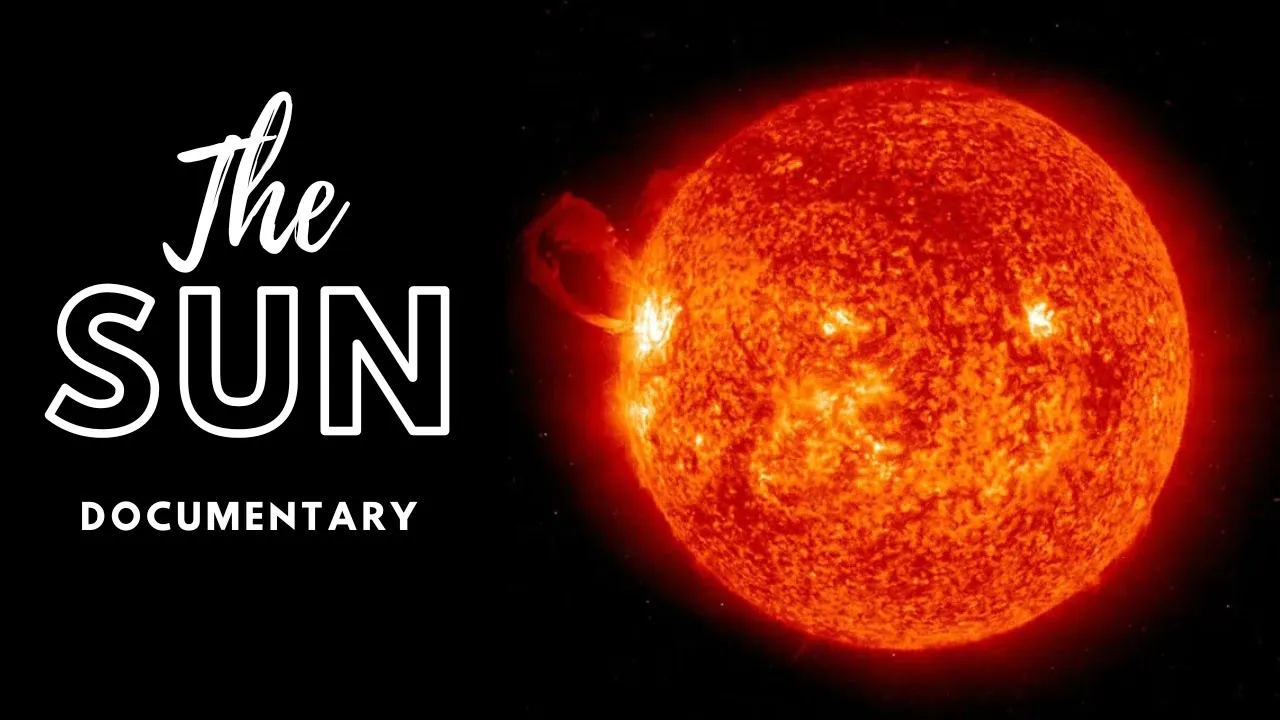
Why this video
This documentary provides an essential, visually descriptive breakdown of the Sun's core parameters, including its intense temperatures (reaching 15 million degrees Fahrenheit at the core) and its physical composition. It clearly introduces the concept of plasma as a superheated, highly ionized gas, laying the foundation for why the Sun does not rotate or behave like a solid object.
Knowledge Checkpoint
- Name the concentric layers of the Sun's interior and outline how energy transfers through the radiative and convection zones.
- Define plasma and explain how it differs from a neutral gas in terms of electrical charge and magnetic susceptibility.
- Understand the role of core pressure and temperatures in sustaining solar energy output.

Why this video
To understand solar dynamics, you must master the fundamental energy source driving them. This video uses high-quality conceptual animations to compare nuclear fission and nuclear fusion, showing how hydrogen isotopes fuse under extreme gravitational pressures to release immense energy through mass-to-light conversion.
Knowledge Checkpoint
- Detail the physical steps of hydrogen nuclei fusing to form helium in the solar core.
- Explain why nuclear fusion requires extreme temperature and pressure parameters (overcoming the Coulomb barrier).
- Differentiate between the processes of nuclear fission and solar nuclear fusion.

Why this video
For a technically rigorous understanding of the solar medium, this lecture snippet introduces Magnetohydrodynamics (MHD). It mathematically defines plasma parameters, specifically the Debye number and Debye sphere, establishing why self-consistent electromagnetic fields govern plasma behavior rather than simple collision dynamics.
Knowledge Checkpoint
- State the formal physical definition of a plasma in terms of ionization and collective behavior.
- Explain the significance of the Debye length and the "Debye sphere" criterion.
- Describe how magnetohydrodynamics (MHD) bridges fluid dynamics and electromagnetism.
Module 2: The Solar Dynamo and the 11-Year Cycle
This module investigates how the Sun generates and alters its magnetic field. You will analyze differential rotation—where the equator spins faster than the poles—and convective currents to understand how the 11-year solar cycle, sunspots, and polarity reversals are formed.
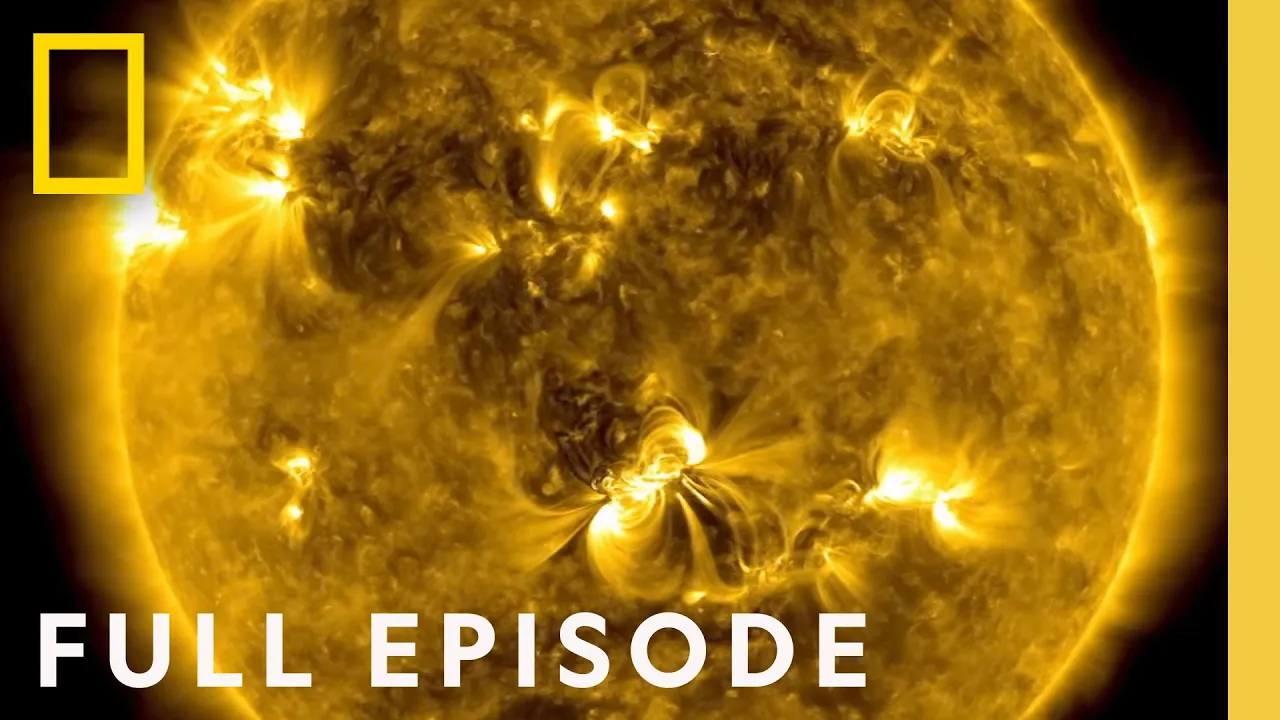
Why this video
National Geographic delivers a visual deep-dive into the solar dynamo. It demonstrates how differential rotation under the photosphere stretches and wraps magnetic field lines around the Sun, turning a simple poloidal field into a complex, coiled toroidal field that gives rise to highly active regions.
Knowledge Checkpoint
- Explain how the solar dynamo converts kinetic energy from plasma rotation into magnetic energy.
- Identify the differences in rotation speeds between the solar equator and the polar regions.
- Describe the mechanical steps that cause sunspots to form at mid-latitudes and migrate toward the equator.

Why this video
Neil deGrasse Tyson breaks down the non-rigid rotation of gaseous bodies. He explains why the Sun’s fluid nature allows the equator to complete revolutions faster than higher latitudes, directly connecting this behavior to the twisting of the magnetic lines of force.
Knowledge Checkpoint
- Explain why a solid body cannot rotate differentially, whereas a gaseous plasma sphere can.
- Describe the visual effect of differential rotation on magnetic lines of force over a multi-year period.

Why this video
This concise NASA visualization explains the difference between the 11-year sunspot cycle and the broader 22-year magnetic (Hale) cycle. It clearly details how and when the Sun’s magnetic poles flip polarity.
Knowledge Checkpoint
- Distinguish between the 11-year sunspot cycle and the 22-year Hale magnetic cycle.
- Define the physical meaning of "polar reversal" in the context of solar maximum.
Curriculum Gap Alert: Because introductory public videos rarely cover the mathematical derivations of the Babcock-Leighton dynamo model (which describes how poloidal fields transition to toroidal fields and back via tilted active regions), you are highly encouraged to independently search academic journals for "Babcock-Leighton flux transport dynamo equations" to supplement this module.
Module 3: Solar Eruptions: Flares, CMEs, and Magnetic Reconnection
This module covers the physics of extreme solar eruptions. You will analyze magnetic reconnection, which releases energy in solar flares and launches billions of tons of plasma as Coronal Mass Ejections (CMEs).
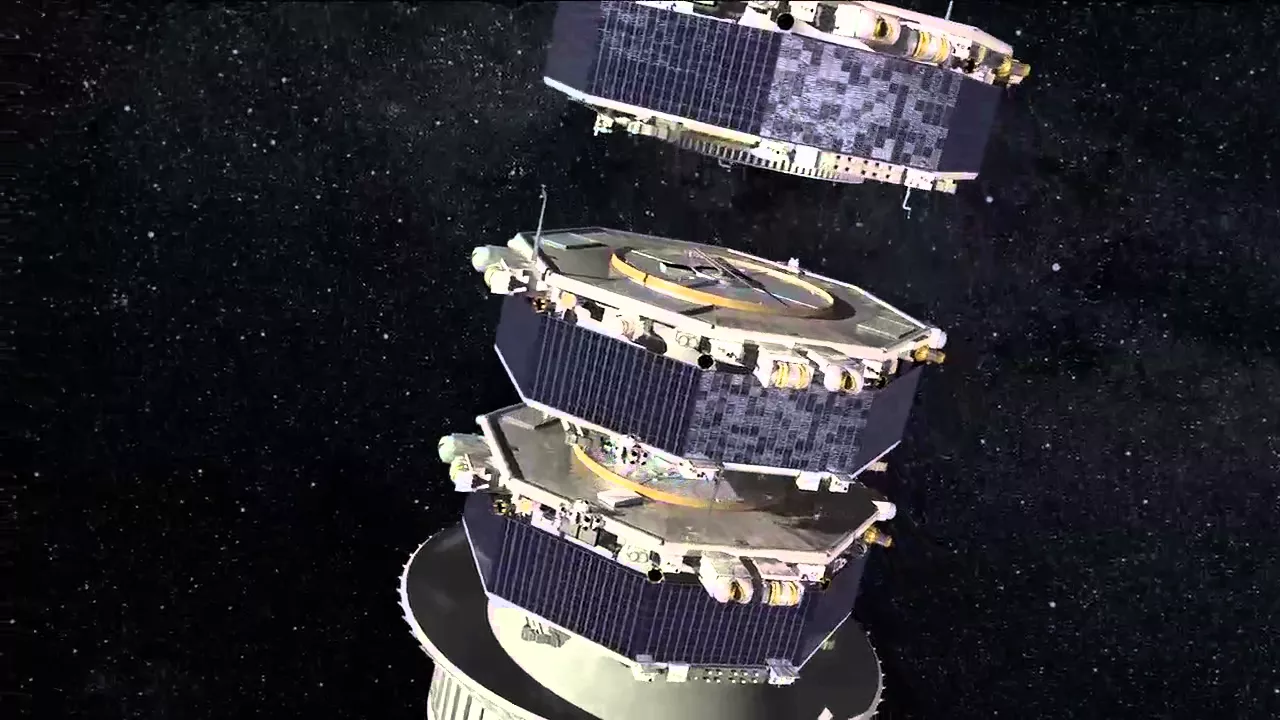
Why this video
This animation demonstrates how oppositely directed magnetic field lines approach, break, and reconnect. This process converts magnetic energy into kinetic and thermal energy, driving major solar events.
Knowledge Checkpoint
- Describe the structural configuration of magnetic field lines before, during, and after magnetic reconnection.
- Explain how magnetic reconnection accelerates charged particles.

Why this video
This video explains the logarithmic classification scale of solar flares (B, C, M, and X-classes). It breaks down the math behind flare ratings, helping you understand how a minor flare compares to a major, high-energy event.
Knowledge Checkpoint
- Explain the logarithmic scale used to classify solar flares.
- Calculate the relative difference in X-ray flux between a C-class, M-class, and X-class flare.
- Identify which instruments monitor these X-ray fluxes.
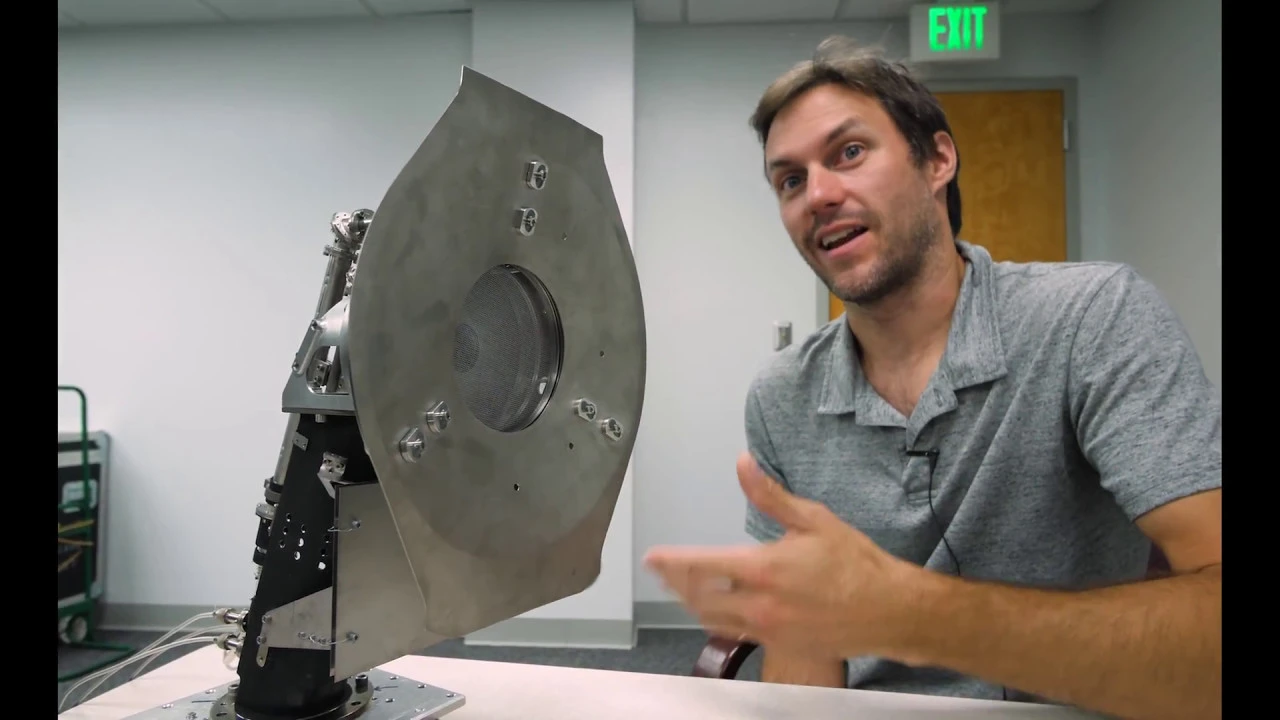
Why this video
Dr. Tony Case clarifies a common point of confusion: the physical difference between a solar flare and a Coronal Mass Ejection (CME). This video details how flares release high-energy light across the spectrum, while CMEs physically launch massive bubbles of plasma and magnetic fields into interplanetary space.
Knowledge Checkpoint
- Contrast a solar flare with a Coronal Mass Ejection in terms of physical composition, speed, and emission types.
- Explain why a solar flare is seen almost instantly (8.3 minutes) while a CME takes days to reach Earth.
Module 4: The Solar Wind and Earth's Magnetosphere
This module tracks the solar wind through space and analyzes how Earth’s magnetosphere acts as a protective shield. You will examine magnetospheric structures and the physics behind the aurora.
Why this video
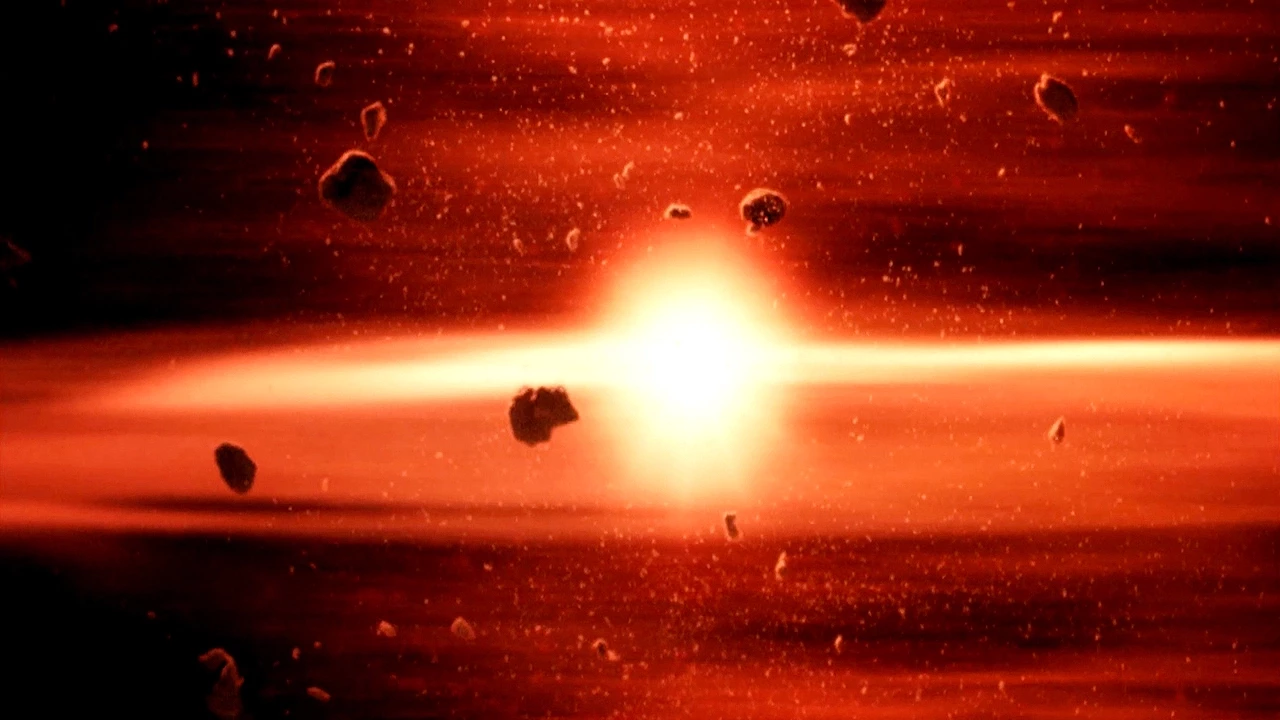
This clip visualizes Earth's magnetosphere deflective properties. It shows how the molten iron core generates a global magnetic shield, protecting our atmosphere from being stripped away by the high-speed solar wind.
Knowledge Checkpoint
- Identify the source of Earth's magnetic field and explain how it differs from the solar dynamo.
- Define the bow shock and the magnetopause, explaining how they respond to solar wind pressure.

Why this video
Renowned physics professor Walter Lewin explains the physics of the aurora. He demonstrates how charged solar wind particles travel along Earth’s magnetic field lines into the polar regions, ionizing atmospheric gases to produce light.
Knowledge Checkpoint
- Explain the Lorentz force and how it guides charged particles toward Earth's polar funnels.
- State which atmospheric gases produce green, red, and blue auroral emissions during ionization.

Why this video
This video explains how high-speed solar wind streams compress the day-side magnetosphere. It demonstrates the direct correlation between interplanetary magnetic field (IMF) alignment and the compression of the magnetopause.
Knowledge Checkpoint
- Describe how variations in solar wind speed alter the shape and size of Earth's magnetosphere.
- Explain what happens to the day-side magnetopause when hit by a high-speed plasma stream.
Module 5: Space Weather Impacts and Technological Vulnerabilities
This module focuses on the practical impacts of solar activity. You will explore how geomagnetic storms damage satellites, disrupt GPS, cause power grid failures, and analyze historical events like the 1859 Carrington Event.

Why this video
CuriousDroid offers a detailed analysis of the 1859 Carrington Event, the most intense recorded geomagnetic storm. The video explains how the storm disrupted the global telegraph network and outlines the potential consequences if a similar storm hit today's power grids and digital networks.
Knowledge Checkpoint
- Detail the historical timeline, velocity, and ground effects of the 1859 Carrington Event.
- Explain how a Carrington-class storm induces electrical currents in ground-based infrastructure.
Why this video
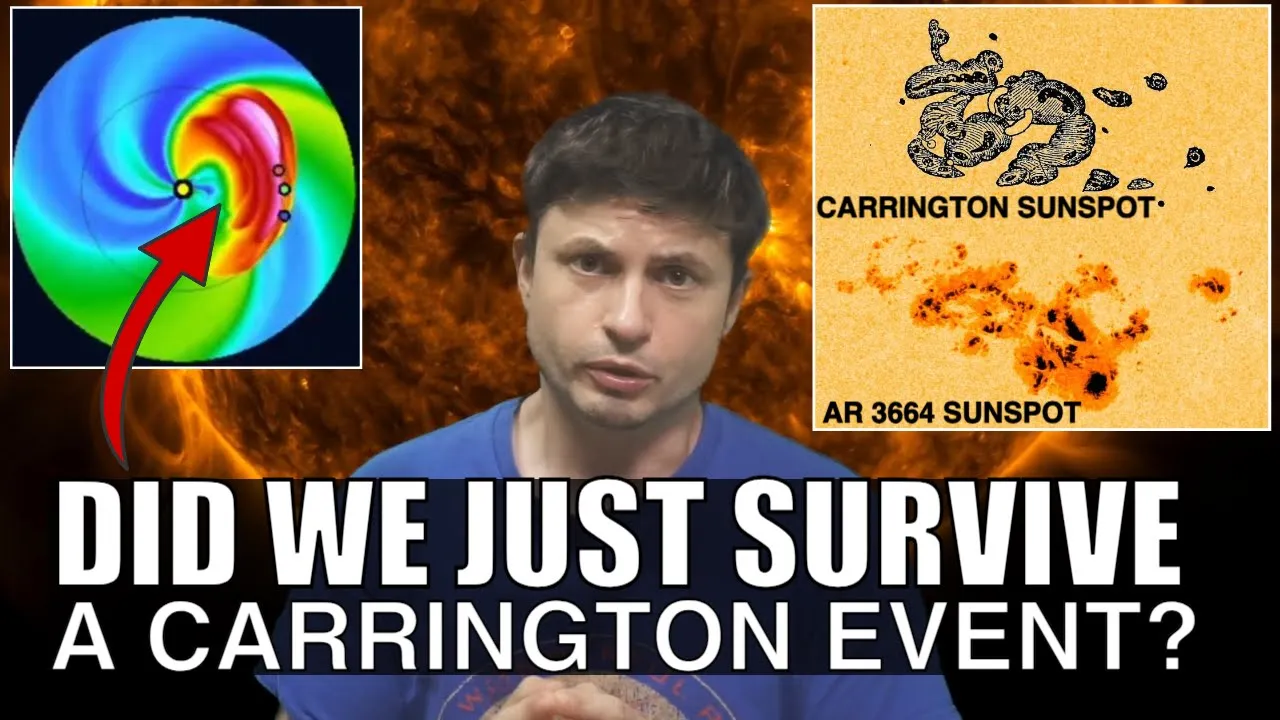
This video reviews the G5 geomagnetic storm of May 2024. It compares the storm's intensity to the Carrington Event and discusses how modern operators successfully protected power grids and satellites from damage.
Knowledge Checkpoint
- Define a G5-level geomagnetic storm and list its classification criteria.
- Identify which modern systems are vulnerable to a G5 storm and explain how operators mitigate these risks.

Why this video
This short segment examines the impact of space weather on commercial space assets and agricultural systems. It details how GPS inaccuracies can disrupt aviation and automated farming, and explains the risks to satellites in low Earth orbit.
Knowledge Checkpoint
- Explain how ionospheric disturbances caused by solar activity disrupt GPS signal propagation.
- Describe the physical effects of geomagnetic induced currents (GICs) on high-voltage power transformers.
Module 6: Space Weather Forecasting and Satellites
This module explores how heliophysicists monitor the Sun in real-time. You will study key spacecraft missions and learn how space weather forecasting agencies predict solar storms.
Why this video
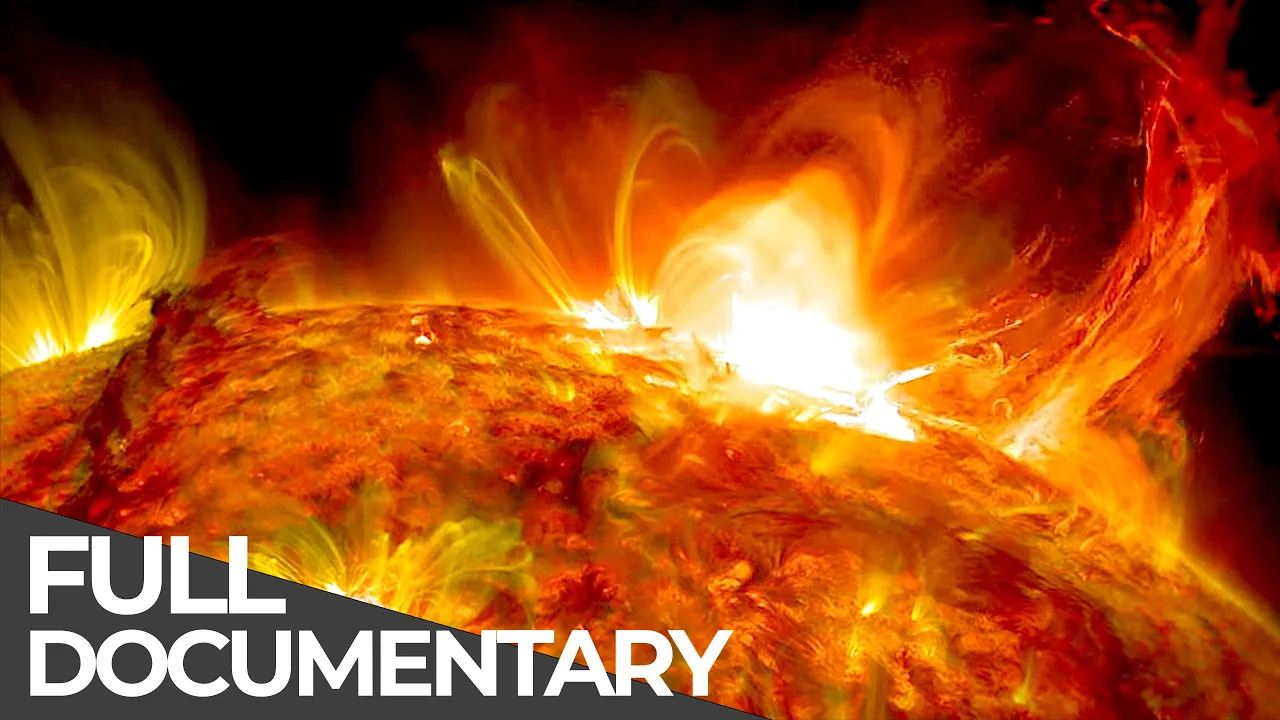
This segment covers the Solar and Heliospheric Observatory (SOHO), launched in 1995. It details the spacecraft's orbit around the L1 Lagrangian point and explains how its LASCO coronagraph blocks the Sun's main disk to observe CMEs in real-time.
Knowledge Checkpoint
- Explain the benefit of positioning solar observatories like SOHO at the Earth-Sun L1 Lagrangian point.
- Describe how a coronagraph works and explain why it is essential for identifying Earth-directed CMEs.

Why this video
This NASA broadcast outlines the space weather monitoring network, explaining how NOAA’s GOES satellites, DSCOVR, and NASA's STEREO work together to provide early warnings of solar events.
Knowledge Checkpoint
- Describe the coordinated roles of the DSCOVR, STEREO, and GOES satellite constellations.
- Explain how downstream monitoring provides early warnings of solar storms.

Why this video
This clip explains the division of responsibilities between NASA and NOAA. NASA focuses on research and operating scientific satellites, while NOAA is responsible for operational forecasting and issuing space weather alerts.
Knowledge Checkpoint
- Differentiate between NASA’s scientific research role and NOAA’s operational forecasting responsibilities.
- Identify which agencies issue official warnings to utility and satellite operators.
Curriculum Gap Alert: Because video coverage of specific forecasting software is limited, you should independently search online for the "NOAA ENLIL 3D MHD model" to learn how forecasters estimate the arrival times of CMEs.
Course Map
Key People Index
- Dr. Matthew Kunz (Princeton / IAS): Theoretical plasma physicist specializing in magnetohydrodynamics (MHD) and astrophysical plasma behaviors.
- Neil deGrasse Tyson (StarTalk / AMNH): Astrophysicist and science communicator who provides conceptual explanations of solar rotation and plasma dynamics.
- Dr. Tony Case (Harvard-Smithsonian): Heliophysicist involved with the Parker Solar Probe instrument payloads, specializing in direct measurements of solar wind plasma.
- Prof. Walter Lewin (MIT): Acclaimed physics educator whose classic lectures explain the electromagnetic formulas governing particle trajectory and auroral physics.
- Richard Carrington (Historical): The British astronomer who first observed the historic 1859 solar flare, linking solar activity directly to geomagnetic disturbances on Earth.
Final Self-Assessment
Complete this comprehensive self-assessment to verify your mastery of solar physics:
- Explain the nuclear fusion reaction chain in the Sun's core, detailing how mass is converted into radiative energy.
- Describe the physical differences between plasma and neutral gas, referencing Debye shielding and magnetohydrodynamic properties.
- Explain how differential rotation and convective currents drive the solar dynamo and cause the 11-year sunspot cycle.
- Describe how the poloidal magnetic field transitions into a toroidal configuration during the solar cycle.
- Define magnetic reconnection and explain how it releases energy in solar flares and coronal mass ejections.
- Contrast the speed, physical structure, and detection methods of solar flares versus Coronal Mass Ejections.
- Explain how Earth's magnetosphere interacts with the solar wind, detailing the locations and functions of the bow shock and magnetopause.
- Describe how the Lorentz force directs charged particles to the polar regions, producing the green and red colors of the aurora.
- Define geomagnetic induced currents (GICs) and explain how they threaten high-voltage transformers and power grids.
- Detail the timeline and impacts of the 1859 Carrington Event, and describe the potential consequences of a similar storm today.
- Explain the coordinate forecasting functions of the L1-positioned satellites (such as SOHO and DSCOVR) versus geostationary orbit satellites (like GOES).