Coral Bleaching (Symbiosis, Stress & Recovery)
Learning Goal: Examine the ecological dynamics of coral bleaching, focusing on the symbiotic relationship between zooxanthellae and cnidarian hosts, thermal stress triggers, and reef restoration strategies.
- Prerequisites: Basic knowledge of cellular biology (photosynthesis, cellular respiration) and general ecology.
- Estimated Total Study Time: 12 Hours
Module 1: Introduction to Coral Reef Biology and Anatomy
Module Overview
To understand why corals bleach, you must first understand what corals are. This module establishes the structural and taxonomic baseline of coral reef biology. We examine corals as complex marine invertebrates belonging to the phylum Cnidaria (class Anthozoa). You will study polyp anatomy, the distinction between colonial and individual organisms, the biochemical secretion of calcium carbonate () that forms reef structures, and the classification of hard (hermatypic) versus soft (ahermatypic) corals.
Recommended Videos
Video 1: Phylum Cnidaria Part 5: Class Anthozoa
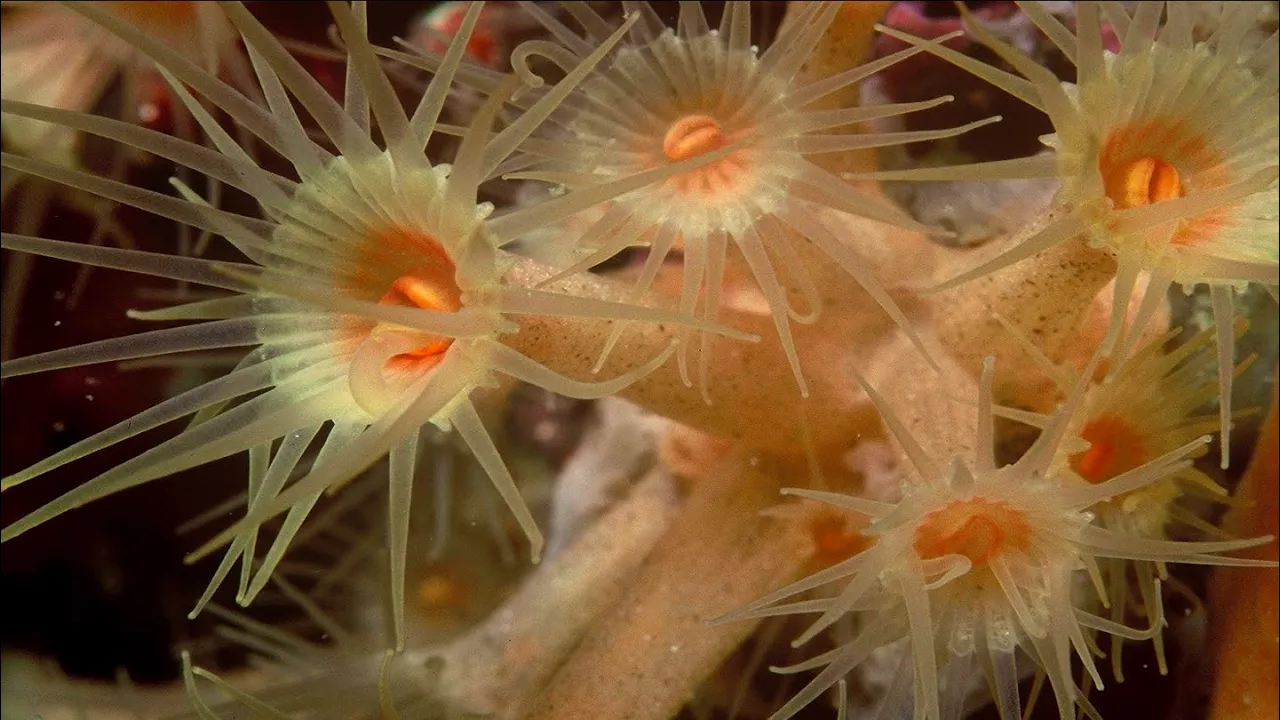
Why this video: This academic lecture clip introduces the class Anthozoa, identifying reef-building (hermatypic) corals. It explicitly outlines how corals host unicellular dinoflagellates (zooxanthellae) within their ectodermal cells, reaching densities of up to 5 million cells per square centimeter, laying the essential anatomical foundation for cellular symbiosis.
Knowledge Checkpoint:
- Understand the taxonomic classification of reef-building corals within Class Anthozoa.
- Identify which specific cellular layer (ectoderm) of the polyp hosts the symbiotic zooxanthellae.
Video 2: A Coral Is Born | Deep Look
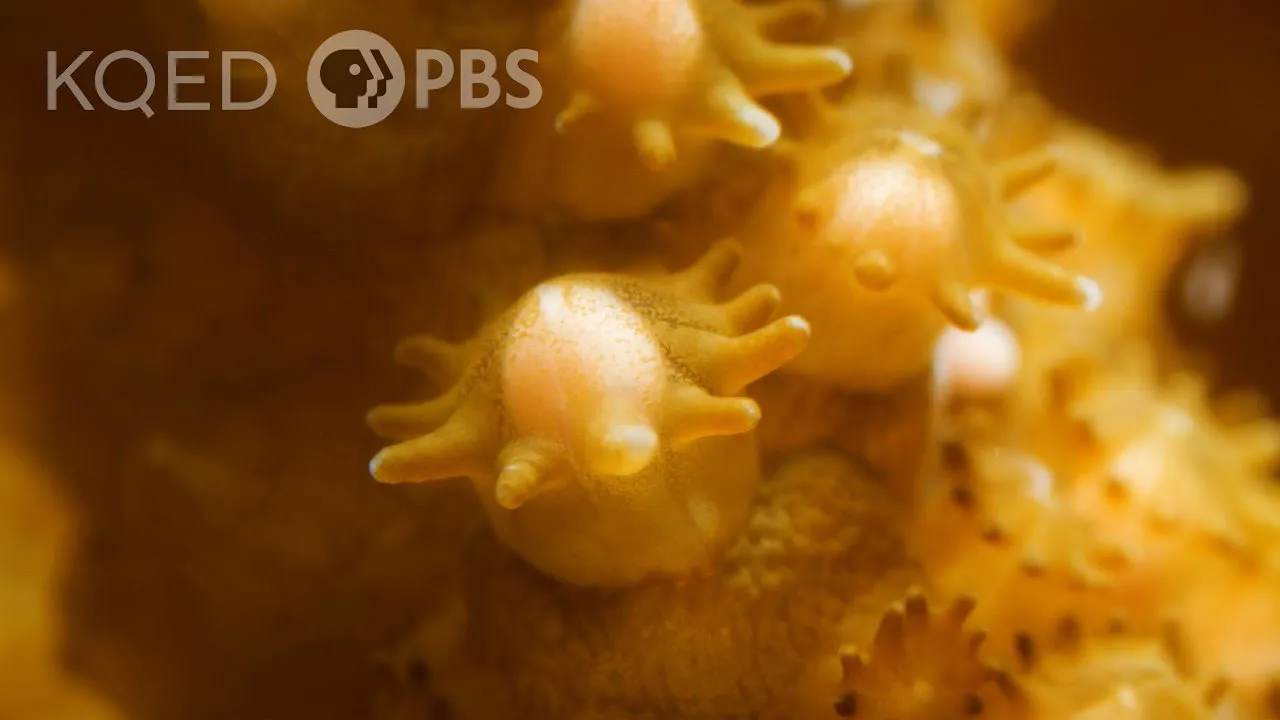
Why this video: Using microscopic footage, this video reveals the physical anatomy of the individual coral polyp, showing its flower-like ring of tentacles, central mouth, and how these soft-bodied invertebrates secrete calcium carbonate underneath their tissue to construct the reef's stony foundation.
Knowledge Checkpoint:
- Diagram the anatomy of a single coral polyp, locating the tentacles, mouth, and coenosarc.
- Explain how microscopic polyps secrete calcium carbonate () beneath themselves to build an aggregate reef structure.
Video 3: Taxidermist Manjula-param

Why this video: This video introduces the core ecological and morphological distinctions between hard corals (which secrete structural calcium carbonate skeletons to build reefs and islands) and soft corals (such as sea fans and sea whips, which do not contribute to reef-building framework). Note: Only the segment explaining coral skeletal structure is required for this module.
Knowledge Checkpoint:
- Differentiate between hard (hermatypic) and soft (ahermatypic) corals based on skeleton formation and reef-building capacity.
- Describe the ecological roles played by non-reef-building soft corals like sea fans.
Video 4: Deep Sea Learning: Edible Coral Polyps

Why this video: This video offers a highly visual structural breakdown of coral colonial structures, illustrating how thousands of genetically identical individual polyps connect via a shared tissue network to behave as a single cohesive unit.
Knowledge Checkpoint:
- Describe how individual coral polyps clone themselves to expand a colony.
- Explain how colonial polyps share nutrients through interconnecting tissues.
Module 2: The Endosymbiotic Relationship
Module Overview
At the heart of the coral reef ecosystem is an obligate endosymbiotic relationship between the cnidarian host and photosynthetic dinoflagellates of the family Symbiodiniaceae (commonly called zooxanthellae). This module targets the molecular and physiological mechanics of this partnership. We cover the translocation of photosynthetic products (glucose, glycerol, and amino acids) from the algae to the host, as well as the reciprocal exchange of waste carbon dioxide, nitrogen, and phosphorus from the host to the algae to fuel photosynthesis.
Recommended Videos
Video 1: OSU Science Panel featuring Terry Hughes, Dr. Rebecca Vega-Thurber & Dr. Virginia Weis
Why this video: Featuring world-class coral molecular biologists, this academic clip introduces the micro-environment of the symbiosis: the symbiosome. The panel highlights how zooxanthellae are sequestered within host intracellular vacuoles, requiring complex cellular chemical signaling to avoid being destroyed by the host immune response.
Knowledge Checkpoint:
- Define the "symbiosome" and describe where it resides within host cells.
- Explain how molecular signaling allows the symbiont to bypass host intracellular defenses.
Video 2: Red Sea Reef Care - Coral Nutrition Program (episode 4/5)

Why this video: This video provides a clean biochemical explanation of the nutritional loop. It details how host metabolic waste products (carbon dioxide, nitrates, and phosphates) are directly absorbed and recycled by the zooxanthellae, which in return translocate vital organic compounds (sugars and lipids) back to the host tissue.
Knowledge Checkpoint:
- Detail the specific chemical compounds translocated from zooxanthellae to the coral host.
- Explain how this nutritional exchange allows corals to thrive in nutrient-poor (oligotrophic) tropical waters.
Video 3: FAQ #45: Can my refugium work too well?
Why this video: This video provides practical, quantitative context regarding the biochemical byproducts of symbiosis. It highlights how the zooxanthellae produce glucose, glycerol, and essential amino acids through photosynthesis, which the coral uses as raw building blocks to produce proteins, structural fats, and skeletal material.
Knowledge Checkpoint:
- Identify the primary photosynthetic byproducts of zooxanthellae.
- Connect the presence of these byproducts to the coral's ability to synthesize lipids and complex proteins.
Video 4: Red Sea Reef Care - Algae Management Program (episode 3/5)

Why this video: This video builds on metabolic cooperation by focusing on the algal perspective. It explains how zooxanthellae process host metabolic waste compounds to run their photosynthetic cycles, highlighting the tight biological feedback loop that prevents nutrient loss in the wider reef ecosystem.
Knowledge Checkpoint:
- Describe the role of nitrogenous waste and phosphate recycling in the host-symbiont dynamic.
- Explain how this metabolic loop acts as a nutrient conservation mechanism.
Module 3: Thermal Stress and the Mechanism of Bleaching
Module Overview
This module explores the cellular and biochemical pathways that trigger coral bleaching. When sea surface temperatures exceed local summer maximums by as little as 1–2°C, or when combined with intense UV radiation, the delicate symbiotic system collapses. You will study how high heat damages the algae's photosynthetic machinery (specifically the thylakoid membranes and Photosystem II), producing toxic Reactive Oxygen Species (ROS). We will trace how this intracellular oxidative stress damages the host cell, leading to the physical expulsion of the zooxanthellae.
Recommended Videos
Video 1: Ocean Species Respond to Climate Change — HHMI BioInteractive Video
Why this video: This is the premier video for understanding the cellular biochemistry of bleaching. It features high-quality animations of the thylakoid membranes inside the symbiont's chloroplasts. It shows how excessive thermal and light energy breaks down photosystems, turning the symbiont from an energy source into a cellular hazard.
Knowledge Checkpoint:
- Describe how thermal stress physically alters the thylakoid membrane and photosystems.
- Explain what happens when light energy can no longer be safely processed through normal photosynthetic pathways.
Video 2: What is coral bleaching? Can it be fixed?

Why this video: This short science explainer clearly bridges the gap between light stress and host expulsion. It details how stressed zooxanthellae begin overproducing reactive oxygen compounds, such as hydrogen peroxide (), triggering an emergency immune response in the host coral that results in the cellular expulsion of the algae.
Knowledge Checkpoint:
- Define Reactive Oxygen Species (ROS) and name one compound produced during thermal stress.
- Explain why the coral host is forced to expel its symbionts when ROS levels spike.
Video 3: TikToks That Get WORSE Every Time You REWATCH
Why this video: This clip provides a solid biochemical explanation of oxidative stress at a cellular level. It explains how unchecked reactive oxygen species damage essential intracellular components (proteins, lipids, and DNA), illustrating the biochemical damage occurring inside coral cells during a warming event.
Knowledge Checkpoint:
- Explain the molecular mechanics of oxidative stress within a cell.
- Identify the primary cellular targets (lipids, proteins, DNA) damaged by free radicals/ROS.
Video 4: Recapping Reefstock Denver 2024 - Reef Recap w/Salem Clemens

Why this video: This video touches on how reactive oxygen species generated during stress act as a general immune threat. It helps connect laboratory biochemistry to observed tank and field bleaching occurrences, reinforcing that bleaching is a physiological response to cellular toxicity.
Knowledge Checkpoint:
- Explain how oxidative stress functions as a general trigger for a coral's immune response.
- Clarify why a bleached coral is physically vulnerable and starving, even if it is not yet dead.
Module 4: Ecological Consequences of Coral Mortality
Module Overview
Bleaching is not merely a physiological crisis for individual corals; it is an ecological disaster for global marine networks. Coral reefs occupy less than 0.1% of the ocean floor but support over 25% of all marine life. This module reviews the ecological fallout of massive bleaching events. We will examine the structural degradation of the reef framework, the loss of complex micro-habitats, the subsequent trophic cascades, and the complete collapse of biodiverse fish and invertebrate communities.
Recommended Videos
Video 1: Secrets of the Reef (2008) - A Film by Jonathan Bird

Why this video: This documentary excerpt details the transition from a dying coral skeleton to an algae-dominated wasteland. It explains how the loss of living coral tissue allows turf algae to rapidly colonize the bare limestone, causing a dramatic shift in the benthic community and forcing reef residents to flee.
Knowledge Checkpoint:
- Describe the process of algal phase-shifts on degraded coral reefs.
- Explain why fish and invertebrates abandon structural habitats once living coral tissue dies.
Video 2: OUR OCEAN: CORAL REEFS - Ocean Conservation #4

Why this video: This short video highlights the cascading socio-ecological impacts of reef collapse, showing how the loss of structural corals leads to the decline of fish populations, which directly impacts human food security, coastal protection, and economic stability.
Knowledge Checkpoint:
- Outline the trophic cascade triggered by the loss of primary structural reef builders.
- Identify two human dependencies on healthy coral reef ecosystems.
Video 3: Australia: The Coming Climate Hell
Why this video: This clip demonstrates the physical decay of bleached corals. When corals die, they quickly break down into featureless rubble, leaving marine organisms without shelter or breeding grounds, which leads to a rapid loss of biodiversity.
Knowledge Checkpoint:
- Explain how structural complexity (three-dimensional rugosity) relates to species richness on a reef.
- Describe the long-term physical fate of a dead reef skeleton exposed to ocean wave energy.
Module 5: Reef Restoration and Active Conservation Strategies
Module Overview
To combat global reef decline, marine scientists are deploying active restoration strategies. This module focuses on the science of reef recovery. We explore the cutting-edge methods used to accelerate coral growth and build resilience, including microfragmentation (which stimulates rapid healing and growth), in situ and ex situ nurseries, assisted evolution (selective breeding for thermal tolerance), and larval reseeding.
Recommended Videos
Video 1: A Breakthrough for Coral Reef Restoration
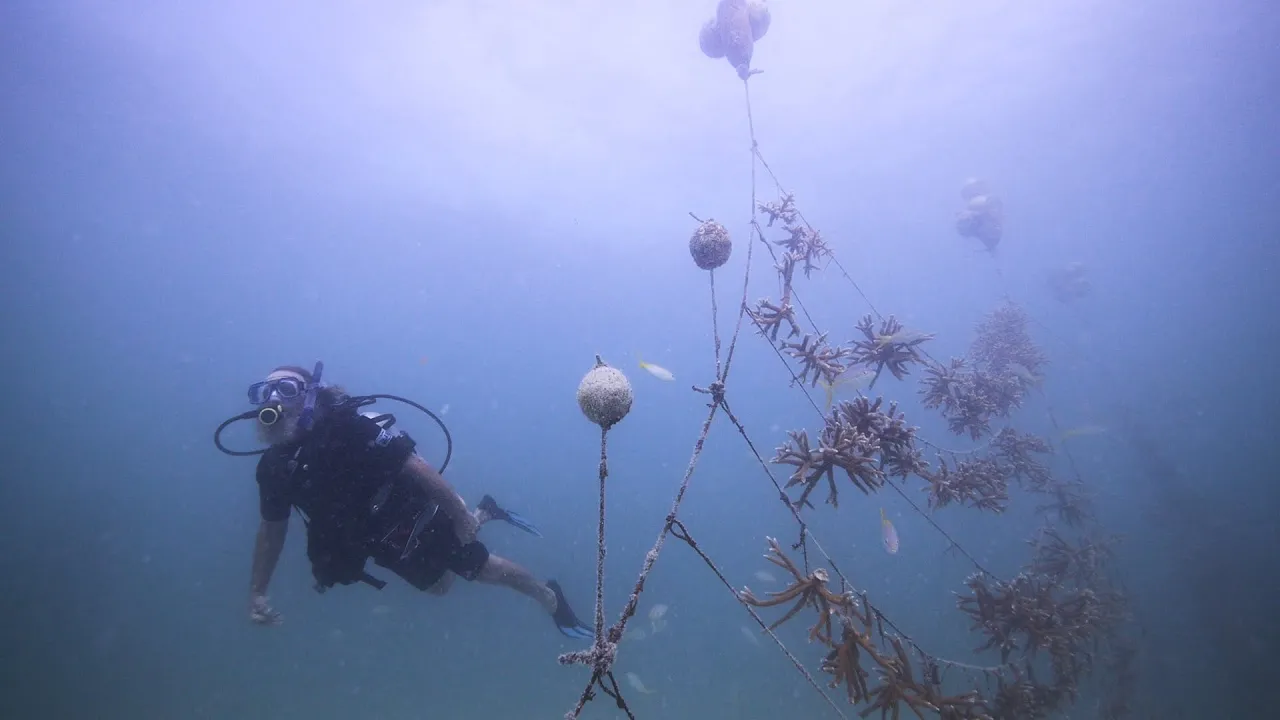
Why this video: This documentary profiles Dr. David Vaughan, the pioneer of microfragmentation. You will learn how cutting massive slow-growing corals (like brain or star corals) into tiny 1–2 mm fragments triggers an accelerated healing response, causing them to grow up to 40 times faster than normal and enabling rapid asexual propagation.
Knowledge Checkpoint:
- Define "microfragmentation" and explain the biological mechanism behind the accelerated growth response.
- Compare the recovery rates of microfragmented corals to standard slow-growing massive corals in the wild.
Video 2: Scientists speed up super coral’s evolution to withstand global warming

Why this video: This video introduces "assisted evolution." It shows how researchers selectively breed corals that survived severe thermal bleaching events to pass on resilient genetic traits, producing heat-tolerant "super corals" capable of surviving future marine heatwaves.
Knowledge Checkpoint:
- Explain the concept of assisted evolution as it applies to marine conservation.
- Discuss the ecological benefits and potential genetic risks of releasing selectively bred corals into the wild.
Video 3: How Scientists Are Restoring the Great Barrier Reef
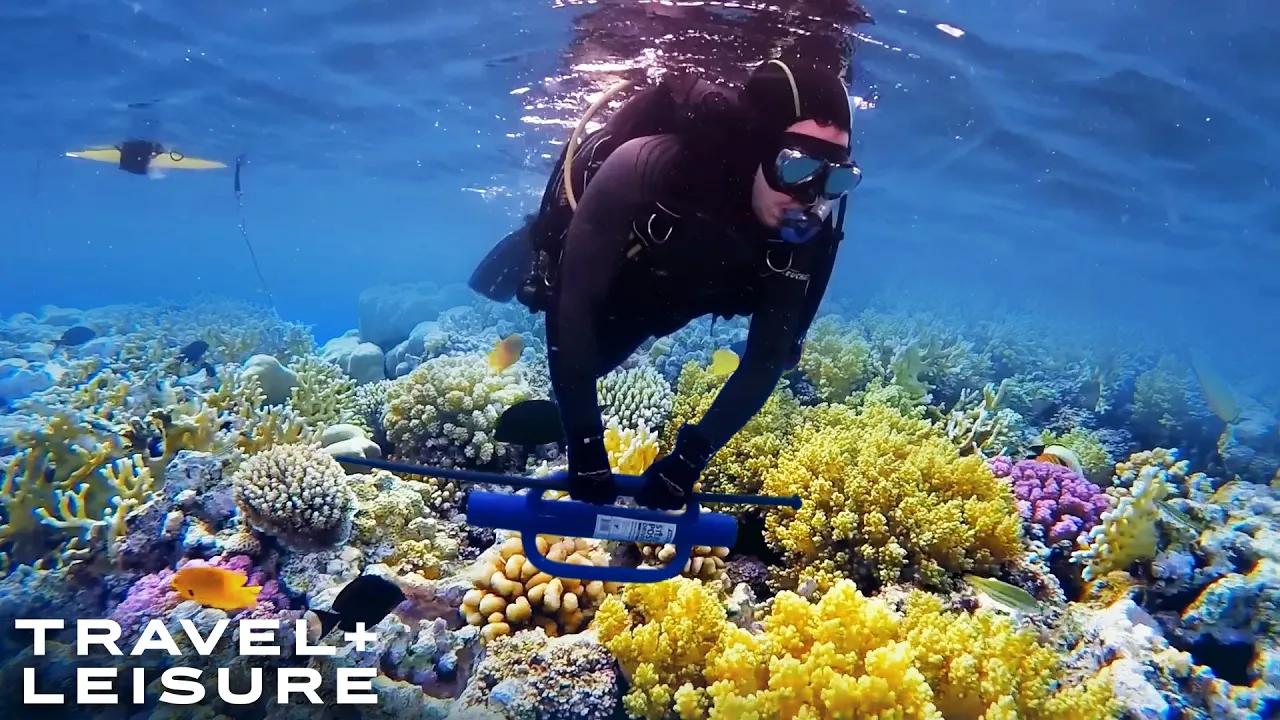
Why this video: This video compares two major restoration techniques: in situ underwater nurseries (utilizing hanging trees and ocean lines to grow corals) and ex situ land-based raceways (where conditions are highly controlled before transplantation).
Knowledge Checkpoint:
- Compare the advantages and disadvantages of in situ ocean nurseries versus ex situ land-based nurseries.
- Describe the process of securing coral fragments back onto natural reef substrates (outplanting).
Video 4: SAVE OUR CORAL REEFS: Ty Pennington Visits Plant a Million Corals
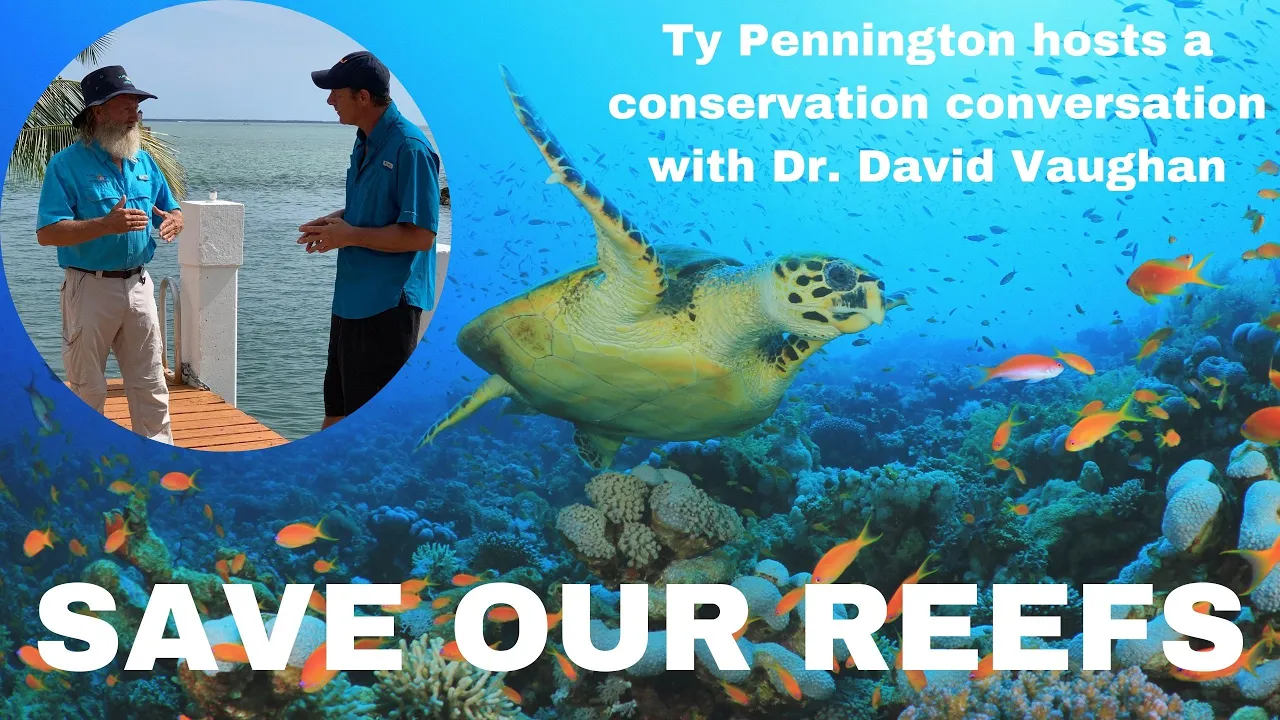
Why this video: This video shows the real-world execution of microfragmentation at a conservation facility, highlighting how fragmented coral clones are grown, fused back together to quickly form mature colonies, and prepared for ocean deployment.
Knowledge Checkpoint:
- Explain how separate microfragments from the same parent colony can fuse back together (skin-grafting) to form a mature colony.
- Detail the steps required to transition corals from a land-based laboratory setting to a wild marine environment.
Course Map
Key People Index
- Dr. Virginia Weis (Oregon State University) Context: A leading cellular biologist who studies the molecular signaling and recognition processes that establish and maintain cnidarian-algal symbiosis. Featured in the Module 2 panel discussion.
- Dr. Rebecca Vega-Thurber (Oregon State University) Context: A marine microbiologist investigating how environmental stressors and viral infections trigger the destabilization of the coral microbiome, leading to disease and bleaching. Featured in the Module 2 panel discussion.
- Dr. Terry Hughes (James Cook University) Context: A preeminent reef ecologist famous for mapping mass bleaching events across the Great Barrier Reef and analyzing global climate impacts on reef systems. Featured in the Module 2 panel discussion and Module 3 materials.
- Dr. David Vaughan (Plant a Million Corals Foundation) Context: The marine biologist who accidentally discovered the process of coral microfragmentation, revolutionizing active reef restoration by enabling massive corals to grow up to 40 times faster. Featured in Module 5 materials.
Final Self-Assessment
Test your mastery of the curriculum by completing this comprehensive self-assessment checklist.
- Explain the anatomical and taxonomic differences between Class Anthozoa (corals) and related cnidarians like Hydrozoa (fire corals) or Scyphozoa (jellyfish).
- Detail the physical and chemical processes through which hard corals secrete a calcium carbonate () skeleton.
- Distinguish between hard (hermatypic) and soft (ahermatypic) corals, listing their morphological characteristics and ecological contributions.
- Describe the metabolic translocation process, identifying the organic nutrients provided by zooxanthellae and the waste products returned by the host.
- Identify where zooxanthellae are housed inside host cells and explain how they evade the host's immune response under healthy conditions.
- Explain how thermal and light stress damage the symbiont's Photosystem II and thylakoid membranes.
- Define Reactive Oxygen Species (ROS) and trace the biochemical cascade that leads from ROS production to host cell damage and algal expulsion.
- Describe the long-term ecological consequences of a coral-to-algae phase shift on marine biodiversity and trophic structures.
- Explain the biological mechanism of microfragmentation and how it stimulates rapid healing and growth in massive stony corals.
- Explain how "assisted evolution" is used to develop thermal tolerance in selectively bred super corals, and discuss the genetic risks of outplanting them.