Photosynthesis: C3, C4, CAM Pathways
Learning Goal: Explain the biophysical and biochemical processes of C3, C4, and CAM photosynthesis, detailing how plants adapt to varying environmental stressors.
- Prerequisites: Basic biochemistry (enzymes, ATP, redox reactions) and general cell biology.
- Estimated Total Study Time: 10 hours
Module 1: Foundations of Plant Cells & Light Absorption
This module builds the structural and biophysical foundations. You will study the anatomy of the plant cell and the specialized chloroplast organelle, followed by the quantum physics of light absorption by pigment molecules (primarily chlorophyll and accessory pigments) that kickstarts the entire photosynthetic process.
Recommended Videos
Chloroplast Structure and Function
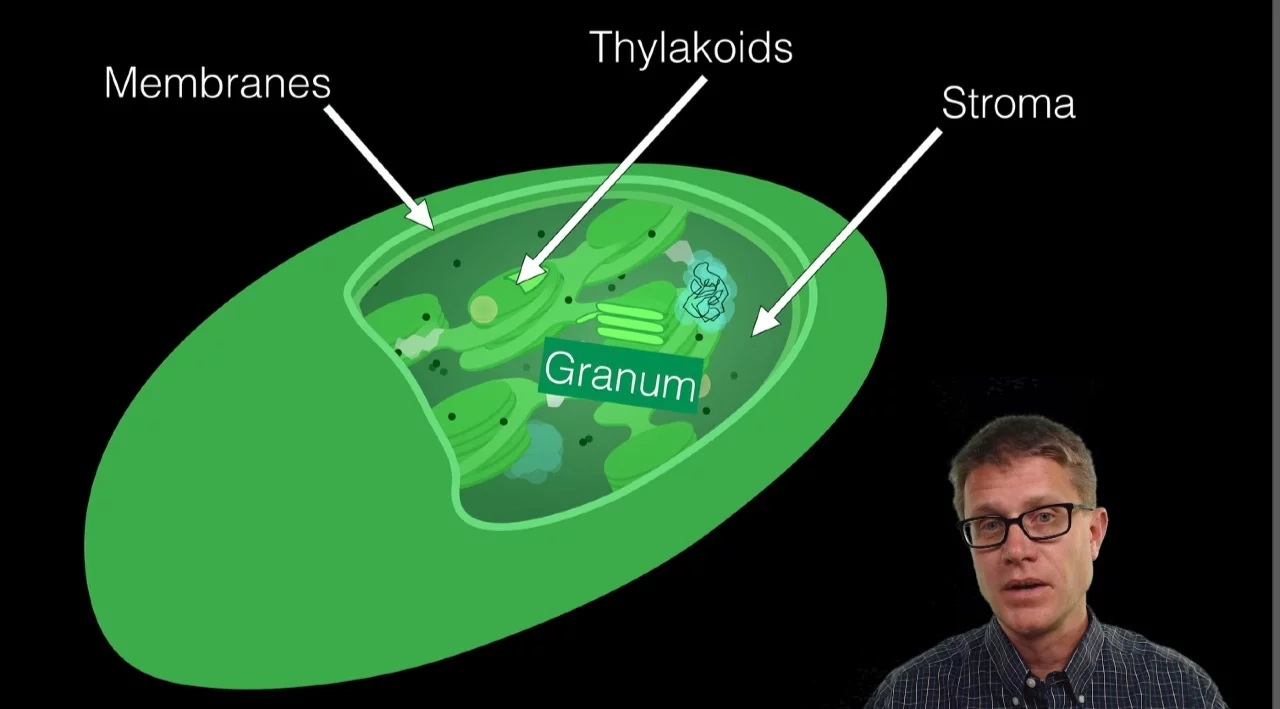
- Why this video: This video provides a conceptual visual walkthrough of chloroplast anatomy. It clearly distinguishes the outer and inner membranes, the aqueous stroma, and the highly folded thylakoid membranes where light reactions take place, demonstrating how structure supports biophysical functions.
Deep Dive into Chloroplast Anatomy
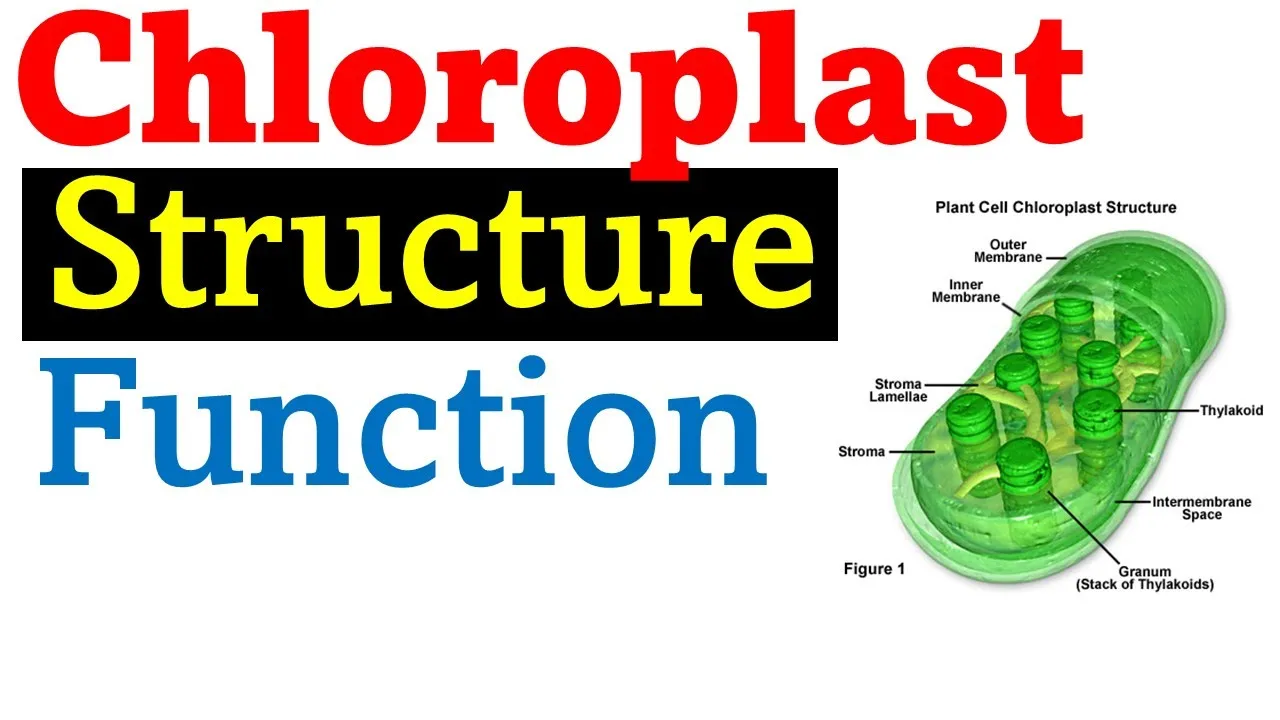
- Why this video: A highly detailed academic lecture analyzing the double-membrane envelope, the granum stacks, and the localized protein complexes. This video bridges general cell biology and advanced plant physiology, outlining how structural compartments maintain concentration gradients.
The Physics of Light Capture

- Why this video: Explains the biophysical interface where electromagnetism meets biochemistry. It details how photons excite electrons within the porphyrin ring of chlorophyll molecules, laying the groundwork for understanding Photosystems I and II.
Knowledge Checkpoint
- Diagram a chloroplast, labeling the outer membrane, inner membrane, intermembrane space, stroma, thylakoid lumen, and thylakoid membrane.
- Explain the relationship between a pigment's molecular structure (e.g., the conjugated double bonds in a porphyrin ring) and its absorption spectrum.
- Describe "photoexcitation" and identify what happens to an electron when a pigment absorbs a photon of appropriate wavelength.
Module 2: The Light-Dependent Reactions
This module tracks the conversion of light energy into chemical energy. You will explore the Z-scheme of non-cyclic photophosphorylation, trace the pathway of electrons through Photosystem II (PSII) and Photosystem I (PSI), analyze the photolysis of water, and examine the generation of ATP via chemiosmosis driven by ATP Synthase.
Recommended Videos
The Z-Scheme and Electron Pathway
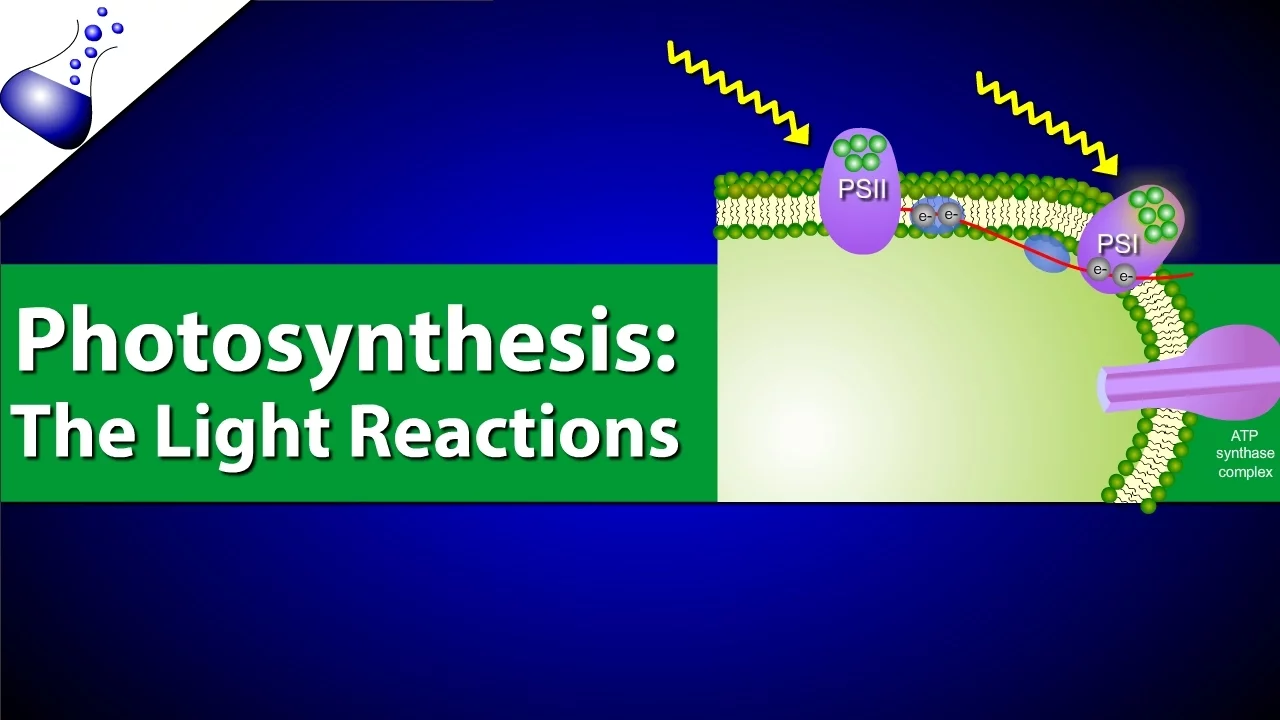
- Why this video: This video uses animation to show how Photosystem II and Photosystem I work in series. It provides a visual representation of how water is split, oxygen is evolved, and electrons are passed through an electron transport chain to generate NADPH.
Photosystem Subunits and Quantosomes
- Why this video: An academic breakdown explaining the molecular differences between PSI () and PSII (). It illustrates how the reaction center chlorophylls work alongside light-harvesting complexes (LHCs/Quantosomes) to channel resonance energy.
Molecular Mechanics of ATP Synthase
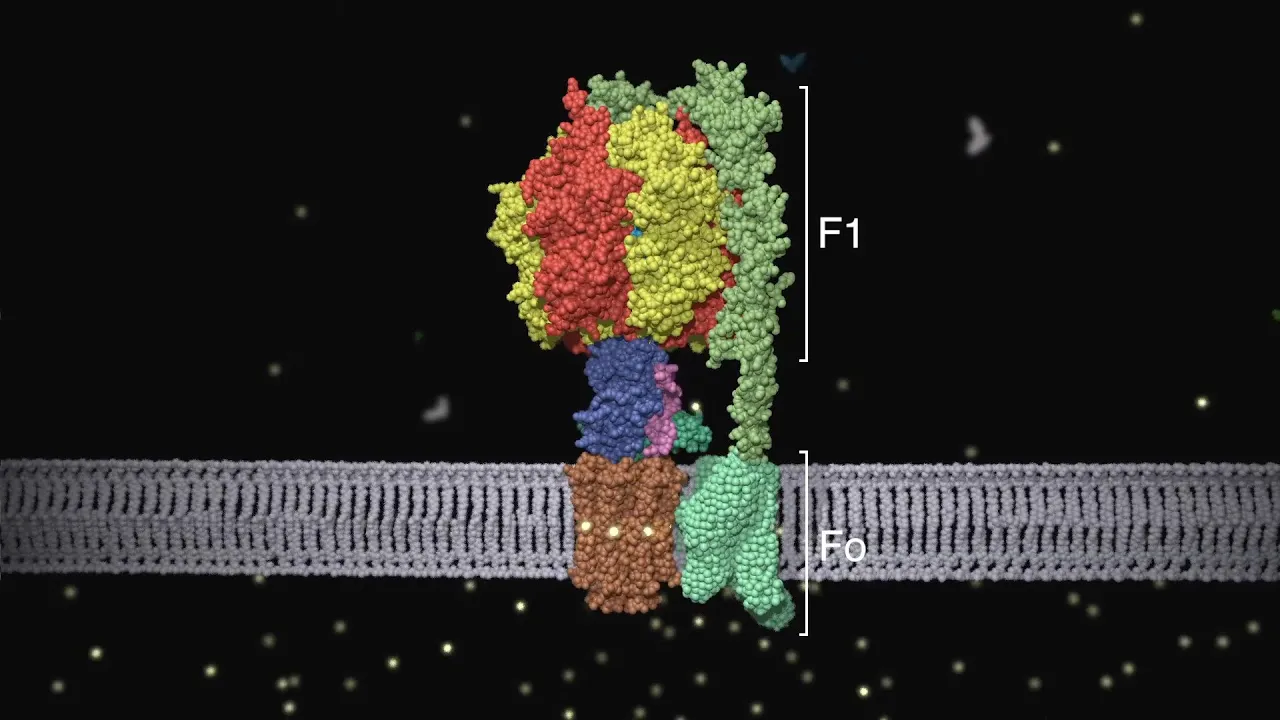
- Why this video: This video details the dynamic rotational movement of ATP Synthase ( and complexes in plants). Understanding how a proton gradient rotates this enzyme to catalyze the phosphorylation of ADP to ATP is critical for mastering chemiosmosis.
Knowledge Checkpoint
- Detail the physical pathway of electrons starting from the photolysis of water at the oxygen-evolving complex (OEC) of PSII, through Plastoquinone (PQ), Cytochrome , Plastocyanin (PC), PSI, Ferredoxin (Fd), and finally to Reductase.
- Explain how a proton gradient () is established across the thylakoid membrane, noting the contributions of water splitting, Cytochrome pumping, and reduction.
- Describe the binding change mechanism of the subunit of ATP Synthase as protons pass down their electrochemical gradient through the channel.
Module 3: The C3 Pathway and the Photorespiration Problem
This module covers the enzymatic steps of the Calvin-Benson-Bassham (C3) cycle and addresses the major evolutionary constraint of plant life: RuBisCO’s affinity for oxygen, which triggers the wasteful process of photorespiration (C2 Cycle).
Biochemical Gap Note: The video pool contains conceptual reviews of photorespiration, but details of the C2 pathway's multi-organelle loop are split across different resources. Focus on how metabolites travel through three distinct organelles: the Chloroplast, Peroxisome, and Mitochondria.
Recommended Videos
The Calvin Cycle (C3 Pathway)

- Why this video: A step-by-step walkthrough of the carbon-fixation phase. It reviews how RuBisCO attaches atmospheric to RuBP, creating intermediate 3-PGA molecules, and quantifies the exact stoichiometry of ATP and NADPH consumed during reduction and regeneration.
The Biochemistry of Photorespiration
- Why this video: This video details the C2 glycolate pathway, which spans the chloroplast, peroxisome, and mitochondria. It explains how RuBisCO's oxygenase activity produces 2-phosphoglycolate, which must be recycled at a high energetic cost to prevent toxic accumulation.
RuBisCO's Catalytic Dilemma
- Why this video: Offers a clear explanation of competitive inhibition at RuBisCO’s single active site. It details how the local concentration ratio of to determines whether the carboxylation (C3) or oxygenation (C2) pathway is initiated.
Knowledge Checkpoint
- List the three primary phases of the Calvin Cycle (Carboxylation, Reduction, Regeneration) and state the exact inputs of ATP and NADPH required to synthesize one net 3-carbon sugar (G3P).
- Detail the C2 Photorespiration loop:
- Chloroplast: RuBP + 3-PGA + 2-phosphoglycolate (dephosphorylated to glycolate).
- Peroxisome: Glycolate oxidized to glyoxylate, then transaminated to glycine.
- Mitochondria: Two molecules of glycine decarboxylated and deaminated to form one serine, releasing and .
- Peroxisome: Serine converted to hydroxypyruvate, then reduced to glycerate.
- Chloroplast: Glycerate phosphorylated to 3-PGA to rejoin the Calvin Cycle.
- Explain why photorespiration is energetically wasteful, specifying where carbon and energy (ATP/NADH) are lost.
Module 4: C4 Photosynthesis: Spatial Separation
In this module, you will learn how C4 plants (e.g., maize, sugarcane, millets) physically isolate carbon dioxide capture from the oxygen-rich environment around RuBisCO. This separation utilizes specialized leaf anatomy (Kranz Anatomy) and a highly efficient enzyme: PEP Carboxylase.
Recommended Videos
Spatial Isolation and the C4 Cycle

- Why this video: A detailed illustration of the spatial separation between mesophyll cells and bundle sheath cells. It tracks the conversion of into a 4-carbon acid (oxaloacetate/malate) in the mesophyll, its transport to the bundle sheath, and its decarboxylation to release concentrated directly to RuBisCO.
Microscopic Architecture: Kranz Anatomy
- Why this video: This video focuses on Kranz Anatomy ("wreath-like" cellular arrangement). It details the physical structure of the tight, thick-walled bundle sheath cells that prevent oxygen from diffusing in, which helps suppress photorespiration.
Enzymatic Machinery: PEP Carboxylase
- Why this video: A brief but precise look at PEP carboxylase (PEPC). It explains why PEPC's high affinity for bicarbonate () and complete lack of oxygenase activity allow C4 plants to efficiently capture carbon even when stomata are partially closed under heat stress.
Knowledge Checkpoint
- Sketch Kranz anatomy, showing the spatial relationship between mesophyll cells, bundle sheath cells, and vascular bundles.
- Compare the biochemical properties of PEP Carboxylase and RuBisCO, focusing on substrate affinity and oxygen sensitivity.
- Trace a carbon atom from atmospheric entering a mesophyll cell to its release in a bundle sheath cell, listing all intermediate metabolites (HCO3-, Oxaloacetate, Malate, Pyruvate).
Module 5: CAM Photosynthesis: Temporal Separation
This module covers Crassulacean Acid Metabolism (CAM), an adaptation found in desert succulents, cacti, and pineapples. Instead of separating carbon capture spatially, CAM plants separate it temporally: capturing at night when temperatures are cool and stomatal water loss is minimal, then performing the Calvin Cycle during the day.
Recommended Videos
Temporal Mechanics of CAM
- Why this video: This lecture covers the day/night metabolic shift of CAM plants. It details nighttime carboxylation by PEPC, vacuolar storage of malic acid, and daytime decarboxylation to supply to RuBisCO behind closed stomata.
CAM Adaptation and Water Conservation

- Why this video: Provides a clear conceptual comparison of how CAM solves the water conservation problem relative to C3 and C4 pathways. It highlights why keeping stomata closed during the blazing desert day prevents dehydration.
Knowledge Checkpoint
- Explain the step-by-step chemical changes that occur in a CAM plant leaf during the Night (stomata open, PEPC converts to malate, protons are pumped to accumulate malic acid in the vacuole).
- Explain the step-by-step changes during the Day (stomata closed, malate exits vacuole, is decarboxylated by malic enzyme, releasing internally to the chloroplast for the Calvin Cycle).
- How does vacuolar storage of malate affect the vacuole's internal pH at night versus during the day? Describe this diurnal pH shift.
Module 6: Ecological Adaptations and Evolutionary Trade-offs
This module integrates your biochemical knowledge with ecology and evolution. You will examine the resource-use efficiencies (water, nitrogen, and light) of C3, C4, and CAM pathways, and review the evolutionary history that drove the diversification of these systems.
Recommended Videos
Synthesis: C3 vs. C4 vs. CAM
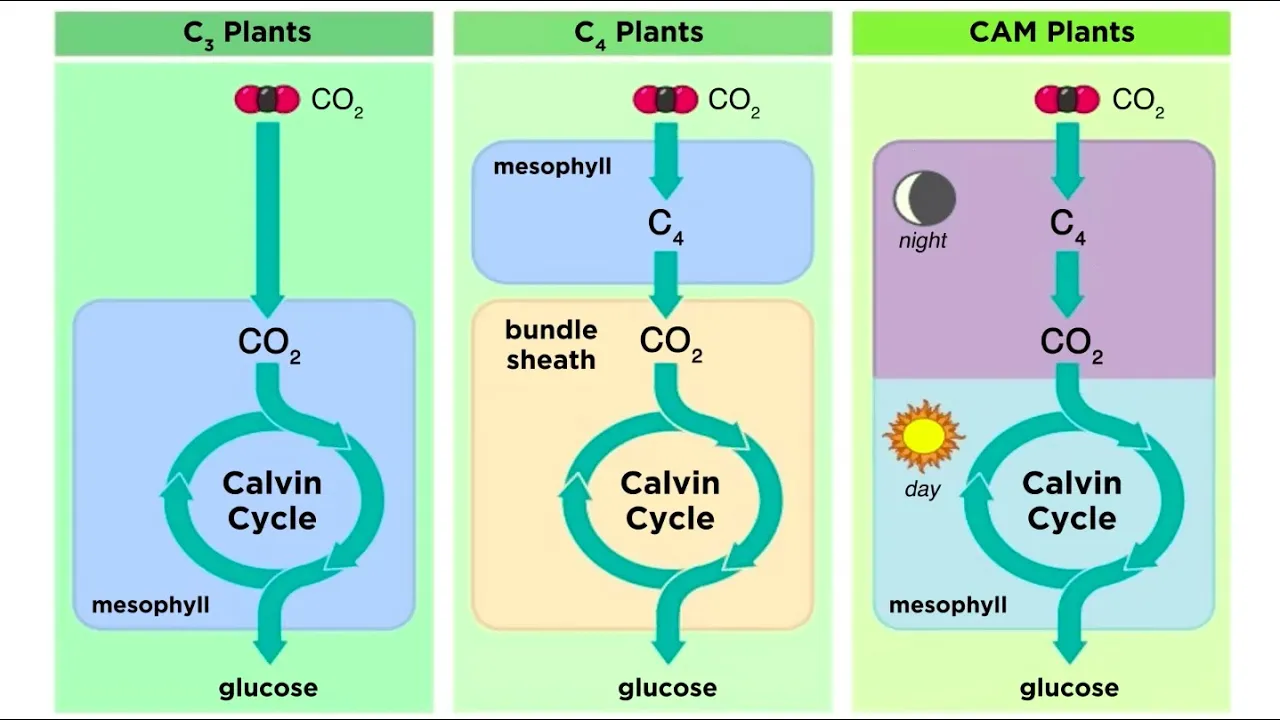
- Why this video: An excellent comparative summary of all three pathways. This video contrasts their biochemical differences and links those variations to the environmental niches each group dominates.
Geological History and the Rise of C4 Grasslands

- Why this video: Connects geobiology to evolutionary selective pressures. It outlines how historical declines in atmospheric and shifting climates during the Oligocene and Miocene epochs favored the expansion of C4 grasses over C3 species.
Physiological Trade-offs and Transpiration Ratios
- Why this video: Uses rigorous examination-style questions to explore water-use efficiency (WUE) and transpiration ratios (grams of lost per gram of fixed). It highlights why CAM and C4 pathways carry higher initial ATP costs but provide superior survival advantages under water-limited conditions.
Knowledge Checkpoint
- Define "Water-Use Efficiency" (WUE) and compare the average transpiration ratios of C3, C4, and CAM plants.
- Explain why C4 plants have a distinct physiological advantage over C3 plants under high-temperature and low- conditions, but lose their advantage in cool, light-limited forest understories.
- Describe how the geological decline of atmospheric during the Oligocene (~30 million years ago) acted as a primary evolutionary driver for the origin and diversification of C4 photosynthesis.
Course Map
This map outlines the dependent pathway of biochemical processes. You must first master cellular/molecular light absorption before decoding electron transport, which provides the energy carriers for the carbon fixation pathways (C3, C4, and CAM) that ultimately shape global plant ecology.
Key People Index
- Melvin Calvin (1911–1997): An American biochemist who, along with Andrew Benson and James Bassham, mapped the path of carbon assimilation in plants using the carbon-14 isotope, establishing what is now known as the Calvin-Benson-Bassham (C3) Cycle.
- Marshall Davidson Hatch & Charles Roger Slack: Australian plant physiologists who elucidated the C4 dicarboxylic acid pathway (the Hatch-Slack Pathway) in the 1960s, demonstrating the spatial separation of carbon fixation in C4 grasses.
- Peter Mitchell (1920–1992): Developed the Chemiosmotic Hypothesis, which explains how electrochemical proton gradients across membranes (such as the thylakoid membrane) drive the synthesis of ATP via ATP Synthase.
Final Self-Assessment
Test your understanding of the complete biophysical and physiological landscape of plant photosynthesis:
- Explain how chlorophyll converts absorbed light energy into a free electron at the reaction center of Photosystem II.
- Trace the path of a proton moving through the thylakoid membrane via the complexes of ATP Synthase and calculate the approximate number of protons required to generate one ATP molecule.
- Articulate the catalytic mechanism of RuBisCO’s dual function as both a carboxylase and an oxygenase.
- Trace the complete path of metabolites in the C2 photorespiratory cycle through the Chloroplast, Peroxisome, and Mitochondria.
- Contrast Kranz Anatomy with typical C3 mesophyll anatomy, focusing on the cellular site of RuBisCO localization.
- Explain how C4 plants suppress photorespiration even when leaf internal pressures are extremely low.
- Contrast how CAM plants store and release carbon dioxide over a 24-hour diurnal cycle, noting key changes in cellular pH.
- Calculate the net energetic cost (ATP and NADPH equivalents) of fixing one molecule of glucose in a C3 plant versus a C4 plant.
- Describe the primary ecological and environmental conditions under which each of the three pathways (C3, C4, CAM) represents the most competitive strategy.
- Outline the evolutionary history of C4 plants, identifying the role of changing atmospheric levels during the Oligocene/Miocene epochs.