Soil Microbiome: Carbon Sequestration & Ag
Learning Goal: Assess the role of the soil microbiome in carbon sequestration and design a regenerative agricultural plan to restore degraded crop lands.
- Estimated Total Study Time: 14 hours
- Prerequisites: None (This curriculum is designed to take you from foundational microbiology to advanced ecosystem design).
Module 1: Foundations of the Soil Food Web
This module introduces you to the living universe beneath our feet. You will discover the complex, multi-trophic network of bacteria, fungi, protozoa, nematodes, and micro-arthropods that comprise the Soil Food Web. You will learn how these organisms function not as isolated entities, but as an elegant biological system that builds soil structure, cycles nutrients, and forms the bedrock of planetary health.
Recommended Videos
Why this video: Dr. Elaine Ingham is the pioneering microbiologist who defined the Soil Food Web. This presentation outlines how predatory-prey relationships in the rhizosphere release plant-soluble nutrients on demand, demonstrating that chemical interventions are unnecessary when biological systems are functioning.
Why this video: This masterclass details the physical and chemical mechanics of soil building. Dr. Ingham explains how bacteria and fungi use biological glues and threads to physically bind silt, sand, and clay particles into structural aggregates, allowing oxygen and water to infiltrate.

Why this video: For students seeking academic depth, this comprehensive lecture sequence maps out the scientific taxonomy of soil microorganisms, their physiological traits, and their fundamental biochemical roles in global biogeochemical cycles.
Knowledge Checkpoint
- Diagram the trophic levels of the Soil Food Web, noting which organisms act as primary decomposers and which act as predators.
- Explain how nutrient cycling occurs when a protozoan or bacterial-feeding nematode consumes bacteria.
- Define the physical structural difference between "dirt" (mineral sand, silt, clay) and "soil" (minerals combined with biology and organic structure).
- Describe the roles of bacterial biofilms and fungal hyphae in creating macro- and micro-aggregates.
Module 2: Drivers of Soil Degradation in Modern Agriculture
- Prerequisites: Module 1
To restore degraded soils, we must first understand how we destroyed them. This module dissects the biological, physical, and chemical impacts of conventional agricultural practices. We analyze how tillage physically pulverizes microbial habitats and how synthetic nitrogen, phosphorus, and pesticide applications short-circuit plant-microbe evolutionary signaling networks.
Recommended Videos
Why this video: Part three of Dr. Ingham's series covers the destructive nature of conventional tillage. You will learn the exact biological cost of mechanical tillage, which physically slices fungal hyphal networks and kills up to 50% of the soil microbiome with every pass.

Why this video: This segment offers a key chemical insight: synthetic fertilizers are mineral salts. When placed in the soil, they draw water out of living microbial cells through osmotic pressure, effectively dehydrating and sterilizing the rhizosphere.

Why this video: Will Harris of White Oak Pastures explains the long-term farm-scale economic and biological decay caused by industrial chemical packages. He reviews how synthetic nitrogen oxidizes organic matter, collapsing soil structures into compacted, lifeless clay.
Educational Gaps & Independent Research
⚠️ Visual and Molecular Gaps in Available Media: While our video library thoroughly documents the macroscopic damage of tilling and salt fertilizers, it lacks micro-cinematography showing plant-microbe signaling shutdowns.
To master these chemical processes, research the following topics independently:
- Synthetic Nitrogen Feedback Loops: Under high free nitrogen conditions, plants stop producing strigolactones—the hormones that signal mycorrhizal spores to germinate.
- Phosphorus Suppression Signaling: High orthophosphate levels downregulate plant transcription factors that facilitate symbioses, rendering the plant "blind" and "deaf" to beneficial soil partners.
- Tillage Fungal Shearing: Look up academic microscopic footage of "tillage shearing hyphal networks." Note how physical disruption instantly lyses the fungal protoplast.
Knowledge Checkpoint
- Explain the osmotic mechanism by which synthetic NPK fertilizers behave as salts to damage microbial cell membranes.
- Describe how tilling shifts soil ecosystems from fungal-dominated states to highly bacterially-dominated states.
- Detail how mechanical tillage introduces sudden flushes of oxygen that cause rapid microbial consumption of organic matter, leading to net carbon loss as carbon dioxide ().
- Explain how synthetic chemical inputs create a state of biological dependency (crop addiction), where plants stop exuding carbon due to artificial, short-term nutrient abundance.
Module 3: The Soil Carbon Cycle & Liquid Carbon Pathway
- Prerequisites: Module 1, Module 2
We now transition to the primary mechanism of regenerative restoration: carbon flow. This module covers the difference between the carbon decomposition pathway (catabolic decay of surface residue) and the Liquid Carbon Pathway (the active, anabolic injection of photosynthetic carbon deep into the soil profile via root exudates).
Recommended Videos
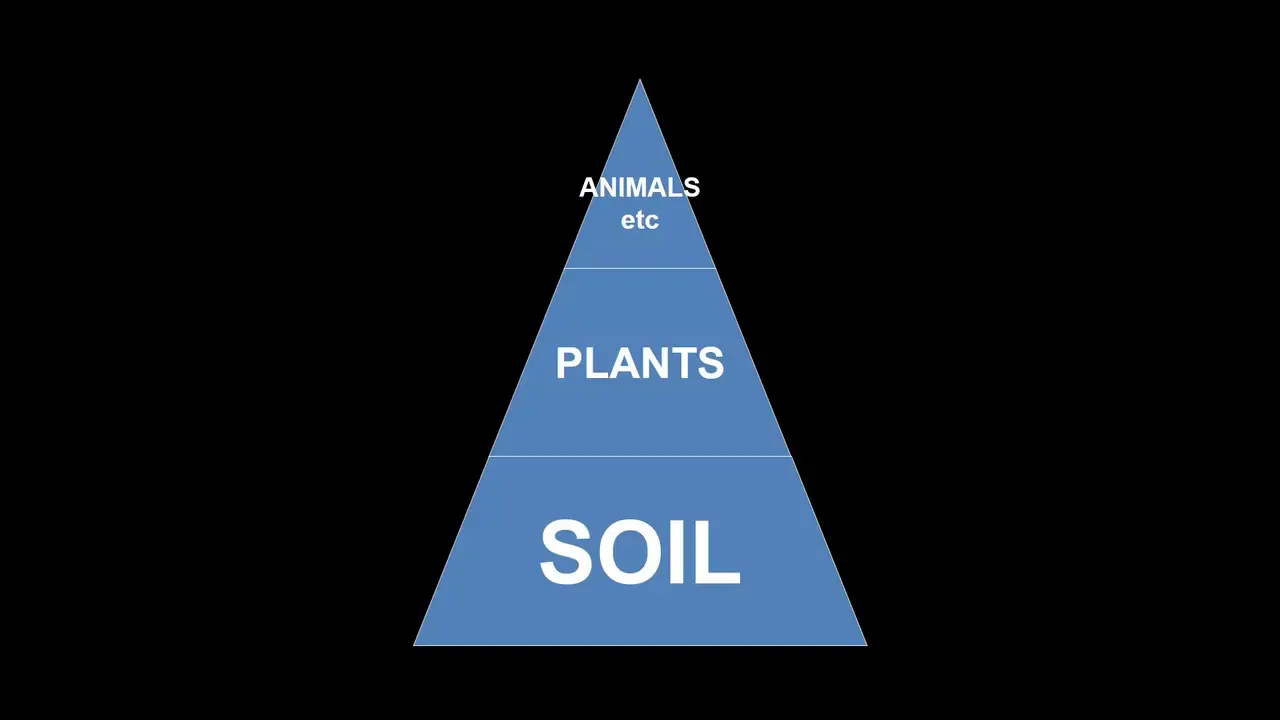
Why this video: Dr. Christine Jones introduces her breakthrough concept: the Liquid Carbon Pathway. She explains how simple photosynthetic sugars flow out of plant roots as exudates to feed microbes, forming the chemical foundation for stable, humified topsoil.
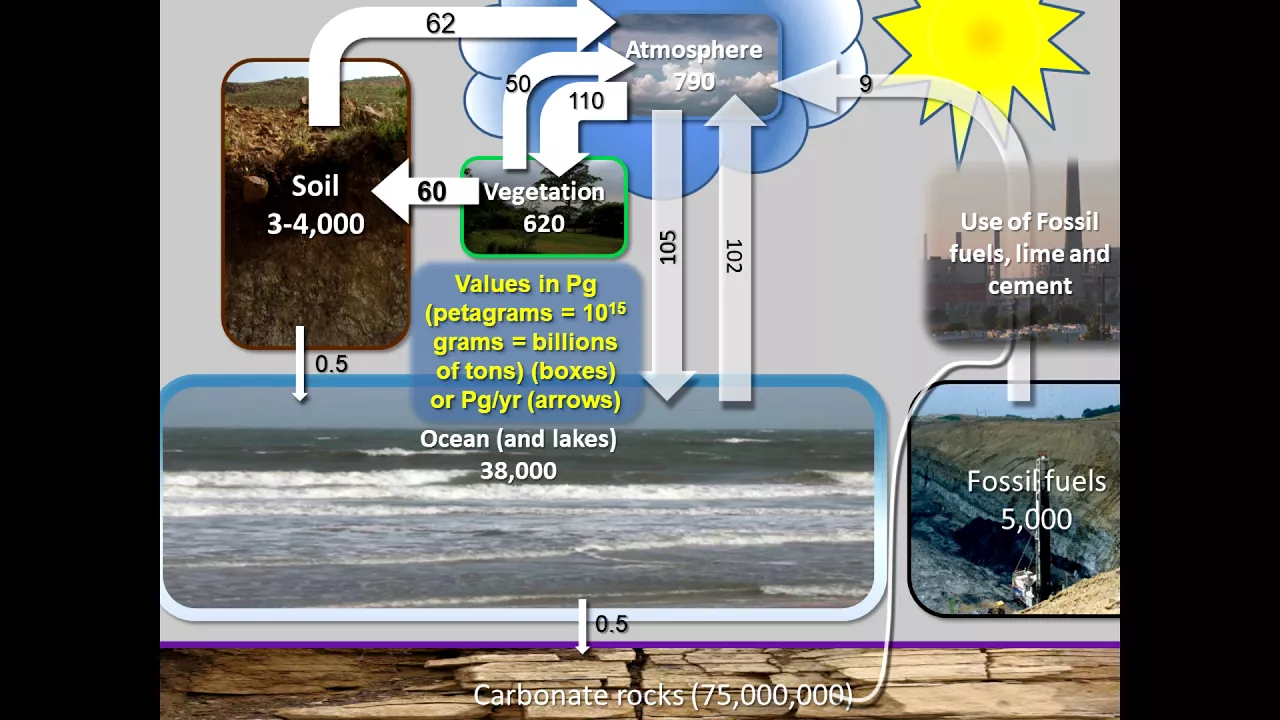
Why this video: This video contextualizes the massive scale of the terrestrial carbon pool. It shows how humic substances are created biologically and why protecting this biological process is essential for planetary carbon balance.
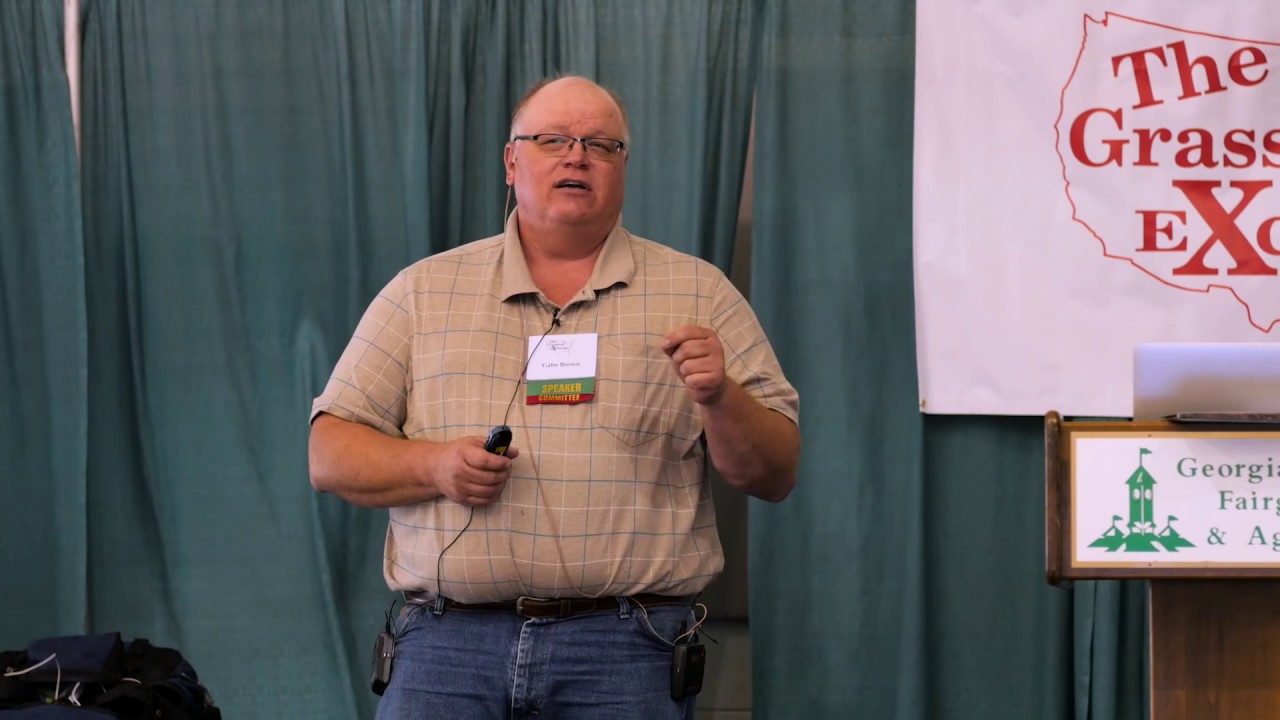
Why this video: Innovative producer Gabe Brown demonstrates how to operationalize the Liquid Carbon Pathway using diverse cover crops. He connects grazing and plant diversity directly to increased root exudate production and rapid soil restoration.
Knowledge Checkpoint
- Differentiate between the decomposition pathway of surface organic residue and the Liquid Carbon Pathway.
- Explain how plants utilize up to 40% of their photosynthetic energy to synthesize root exudates (carbohydrates, amino acids, and phenolics).
- Define "rhizosphere" and explain why this tiny zone surrounding plant roots is the most biodiverse, biologically active area on Earth.
- Explain how organic carbon compounds are converted into stable organo-mineral complexes that can remain locked in the soil for centuries.
Module 4: Mycorrhizal Fungi and Stable Carbon Storage
- Prerequisites: Module 3
While bacteria create temporary soil aggregates, Arbuscular Mycorrhizal Fungi (AMF) are the primary builders of long-term soil structure and carbon storage. This module examines how AMF form vast underground networks that extend root surface areas up to 10,000 times. We will focus on glomalin, a highly stable glycoprotein that acts as a superglue to protect organic carbon from decomposition.
Recommended Videos

Why this video: Dr. Jeremiah Henning provides a scientific look at how mycorrhizal fungal systems operate as ecosystem engineers. He shows how these fungi regulate plant diversity, transport resources, and build stable underground carbon pools.

Why this video: This video introduces Dr. Sarah Wright’s 1996 discovery of glomalin. It outlines how this sticky, iron-rich glycoprotein coats fungal hyphae and shields organic compounds from oxidation, sealing carbon safely within macro-aggregates.

Why this video: A short, impactful explanation of how historical plowing of the Great Plains destroyed massive mycorrhizal networks. This destruction released historic stores of glomalin, which degraded soil quality and led to the Dust Bowl.
Why this video: This video uses clear analogies to illustrate how glomalin functions as a "biological PVA glue," binding loose mineral dust into water-stable aggregates that can store water and carbon.
Educational Gaps & Independent Research
⚠️ Biochemical Gaps in Available Media: While general videos provide useful summaries, they often oversimplify the complex biochemistry of glomalin and the structural mechanics of soil aggregates.
To fully understand these concepts, read scientific literature on the following topics:
- Glomalin-Related Soil Protein (GRSP) Extraction: Learn why glomalin is exceptionally tough (insoluble in water, resistant to heat degradation, and requiring high-temperature citrate extraction to break down).
- Humic-Metal-Clay Bridging: Research how glomalin’s high iron content forms chemical bridges between organic matter and clay minerals, creating stable humic complexes that microbes cannot degrade.
Knowledge Checkpoint
- Describe the anatomical structure of Arbuscular Mycorrhizal Fungi (AMF) and how they physically colonize cortical cells within plant roots.
- Define glomalin, detail its chemical properties, and explain why it is resistant to environmental degradation.
- Explain how water-stable soil aggregates protect organic carbon from air exposure and oxidation.
- Describe how destroying AMF networks shifts carbon pools from long-term, stable, mineral-associated structures into short-term, vulnerable forms.
Module 5: Principles of Regenerative Agricultural Design
- Prerequisites: Module 2, Module 4
Now we put our scientific knowledge into action. This module covers the Principles of Regenerative Agricultural Design. You will learn to use crop rotations, cover crops, integrated livestock, and minimal tillage to design functional systems that restore degraded lands, rebuild topsoil, and sequester carbon.
Recommended Videos
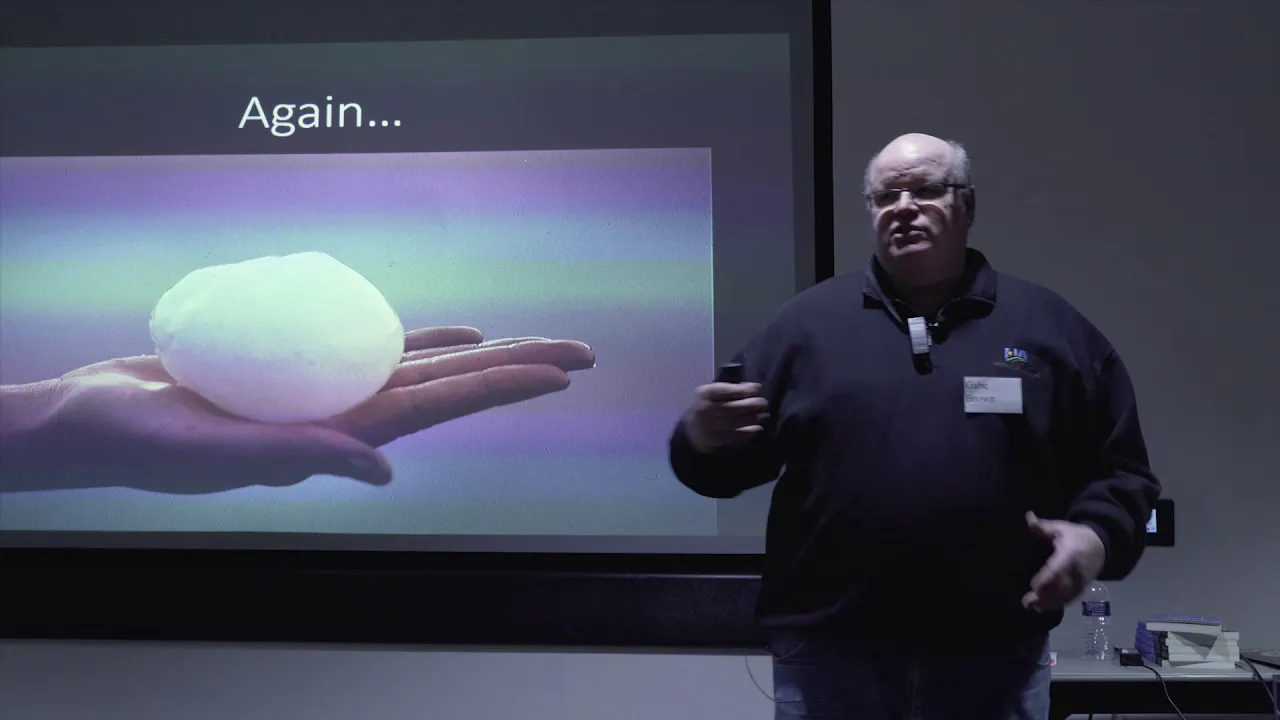
Why this video: This keynote presentation by Gabe Brown is a definitive guide to regenerative agriculture. He details the six core principles: (1) Context, (2) Minimal Disturbance, (3) Soil Armor, (4) Diversity, (5) Living Roots, and (6) Animal Integration.
Why this video: This TED talk explains the core scientific principles of regenerative agriculture in a clear, concise format. Gabe Brown connects global climate issues directly to local farm-scale solutions.
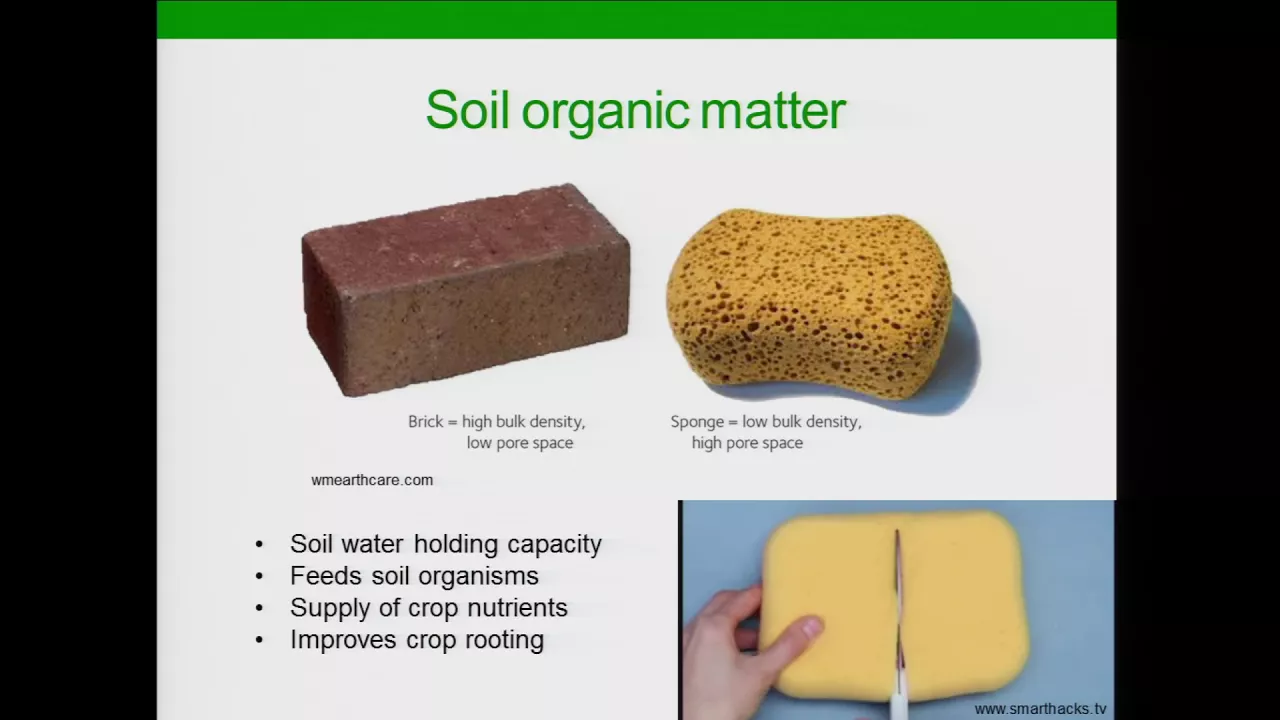
Why this video: Dr. Rob Myers breaks down the exact mechanics of cover crops. He explains how cover crops feed soil organisms, suppress weed growth, regulate soil temperature, reduce compaction, and optimize water infiltration.
Knowledge Checkpoint
- List the five core principles of soil health and explain how they mimic natural, untilled prairie systems.
- Explain why crop diversity is essential for supporting a diverse soil microbiome.
- Describe how cover crop termination strategies (such as roller-crimping) allow farmers to plant crops without using tillage or herbicides.
- Explain how grazing livestock can stimulate additional root exudates to accelerate soil carbon accumulation.
Module 6: Monitoring and Measuring Soil Health Restoration
- Prerequisites: Module 5
You cannot manage what you do not measure. This final module covers practical methods for monitoring soil restoration. You will learn to use chemical, physical, and biological testing methods, including the Haney Soil Test, to measure microbial activity, nutrient availability, and soil carbon levels over time.
Recommended Videos

Why this video: This in-depth webinar explains how to read and interpret a Haney Soil Test. Unlike traditional chemical tests, the Haney test measures biological activity, carbon-to-nitrogen ratios, and organic compounds to assess the overall health of your soil food web.
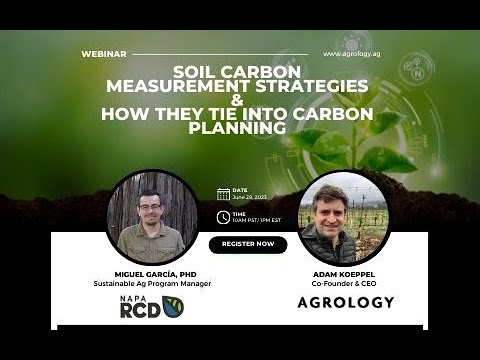
Why this video: This video details the technical side of soil carbon monitoring. It explains dry combustion testing, bulk density measurements, loss-on-ignition tests, and remote sensing methods to track stable soil carbon stocks.
Educational Gaps & Independent Research
⚠️ Testing Methodology Gaps in Available Media: While our resources explain the Haney Soil Test and general carbon monitoring, they do not cover high-precision biological tests in detail.
To learn more about modern diagnostic testing, research the following topics independently:
- PLFA (Phospholipid Fatty Acid) Analysis: How scientists extract lipids from soil samples to identify microbial groups (bacteria, fungi, actinomycetes) and measure their total biomass.
- Solvita Respiration Tests: The chemistry behind tracking bursts from dried soil to measure active, feeding microbial populations.
- Active Carbon (POXC): Permanganate-oxidizable carbon tests that measure the highly active fraction of soil carbon, which serves as an early indicator of soil health changes.
Knowledge Checkpoint
- Explain how the Haney Soil Test mimics natural root processes using water and organic acid extractants instead of harsh industrial acids.
- Calculate a soil's organic carbon stock using dry combustion percentages, bulk density measurements, and sample depth.
- Explain why biological soil tests serve as early warning signs of soil improvement long before changes in total organic matter are visible.
- Describe how to perform a simple, field-level slake test to evaluate aggregate stability under rainfall conditions.
Course Map
Below is the recommended pathway through the curriculum, reflecting the corrected and optimized module sequence:
Key People Index
-
Dr. Elaine Ingham
Pioneering Soil Microbiologist, Founder of the Soil Food Web School
Dr. Ingham is the primary scientist who defined the soil food web. Her research shifted modern soil science from a purely chemical model (NPK) to a biological focus, showing that healthy soils do not require synthetic inputs. -
Dr. Christine Jones
Australian Soil Ecologist, Liquid Carbon Specialist
Dr. Jones pioneered the "Liquid Carbon Pathway" concept. Her work explains how photosynthetic carbon flows from plant roots into the soil as exudates, serving as the primary source of stable topsoil. -
Gabe Brown
Regenerative Rancher, Author of 'Dirt to Soil'
Gabe Brown translated regenerative soil science into a highly successful commercial farming system in North Dakota. He is a leading advocate for cover crops, multi-species diversity, and zero-till systems. -
Dr. Sarah Wright
Retired USDA Agricultural Research Service (ARS) Soil Scientist
In 1996, Dr. Wright discovered glomalin, a highly stable glycoprotein produced by arbuscular mycorrhizal fungi that binds soil particles into aggregates and secures long-term carbon storage.
Final Self-Assessment
Complete this comprehensive, practical self-assessment to verify your mastery of the soil microbiome, carbon sequestration, and regenerative agricultural design:
- Explain how predatory interactions in the soil food web (such as protozoa eating bacteria) convert bound nutrients into plant-soluble forms (, ).
- Detail how synthetic nitrogen applications decrease mycorrhizal colonizations by reducing plant strigolactone production.
- Contrast the physical and biological consequences of a single moldboard plow pass with a low-disturbance zero-till seed drill.
- Trace the path of a carbon atom from atmospheric through photosynthesis and root exudation, ending as a stable organo-mineral complex deep in the soil.
- Identify glomalin, describe how it is produced by AMF, and explain why its chemical properties make it highly resistant to microbial decay.
- Design a multi-species cover crop mix (including grasses, brassicas, and legumes) to address compaction, restore nitrogen levels, and feed a diverse soil microbiome.
- Explain how a roller-crimper terminates cover crops mechanically without tilling the soil or using chemical herbicides.
- Interpret a Haney Soil Test report, detailing how soil respiration ( burst) and water-extractable organic carbon (WEOC) levels indicate overall biological health.
- Calculate the total tons of soil carbon stored per acre down to a depth of 12 inches using bulk density, soil depth, and organic carbon percentages.
- Design a complete, site-specific regenerative agricultural plan to restore a highly compacted, chemically degraded crop field back to full ecological function.