Neo-Noir Lenses: Depth of Field & Isolation
Learning Goal: Analyze the application of varying depth of field and lens focal lengths in neo-noir films to evaluate how camera technology visually isolates characters from their environments.
- Prerequisites: None (A basic passion for cinematography and visual storytelling is recommended).
- Estimated Total Study Time: 9 Hours
Module 1: Camera Basics: Focal Length & Depth of Field
This module introduces the underlying physics of camera optics. Before diving into the thematic aesthetics of Neo-Noir, you must master how focal length changes physical perspective and how aperture size dynamically controls the slice of space that remains in focus (depth of field).
Recommended Videos
Why this video
This video is a comprehensive primer on the physical properties of modern camera lenses. It breaks down the technical differences between prime and zoom lenses, explains how focal length changes your field of view, and sets the stage for understanding aperture and its influence on depth of field.
Why this video
A quick, punchy, and highly visual breakdown of focal length. It helps you see exactly how changing the millimeter of a lens changes the scope of the background and foreground, which is crucial for identifying focal choices in film scenes.

Why this video
This tutorial focuses specifically on the mechanics of Depth of Field (DoF). You will learn how to create deep and shallow depths of field, highlighting how a wide aperture isolates subjects from their background context by turning it into "bokeh."
Why this video
This video addresses a critical optical myth: lens compression. It scientifically debunks the idea that longer lenses physically distort space, demonstrating that camera position relative to the subject—not the focal length itself—controls perspective spatial relationships. Understanding this is key to evaluating character placement in frames.
Knowledge Checkpoint
- Define focal length and explain how it determines a camera's field of view.
- Contrast how wide apertures (small f-numbers) and narrow apertures (large f-numbers) alter the depth of field.
- Explain the relationship between subject distance, sensor size, and depth of field.
- Explain why "lens compression" is a perspective effect of distance rather than an inherent physical distortion of longer focal length lenses.
Module 2: Defining the Neo-Noir Visual Style
This module charts the evolution of classic 1940s/50s film noir into contemporary Neo-Noir. You will study the transition from black-and-white expressionistic lighting to highly stylized color theory, urban decay, and the thematic motifs of systemic corruption and alienation.
Recommended Videos

Why this video
This essay elegantly details the shift from classic film noir to modern neon-drenched Neo-Noir. It links visual aesthetics (such as saturated colors and rainy streets) with the underlying existential themes of loneliness, capitalism, and urban isolation.

Why this video
Using Matt Reeves' The Batman as a modern case study, this video explains how the hard-boiled detective genre developed. It highlights the historical shift where lighter, highly mobile camera systems enabled location shooting, transforming the dark, claustrophobic visual styling of noir.

Why this video
This academic comparative study analyzes the transition of noir from the Cold War paranoia of the 1950s (Kiss Me Deadly) to modern neo-noir equivalents. It offers a structured way to analyze narrative and lighting changes across generations of the genre.
Knowledge Checkpoint
- Identify the main visual differences between traditional Film Noir (high-contrast black-and-white, hard-edged shadows) and Neo-Noir (highly saturated color palettes, low-key neon lighting).
- Describe the recurring themes of Neo-Noir, focusing on existentialism, paranoia, and moral ambiguity.
- Explain how historical camera technology shifts (lighter rigs, faster film stocks/digital sensors) enabled filmmakers to move from tightly controlled studio sets to location-based urban environments.
Curriculum Gap Note: To fully master the transition from Classic Noir deep focus (where background elements are kept razor sharp to trap characters in their environments) to Neo-Noir shallow depth of field (where the background is completely blurred to highlight mental isolation), we highly recommend searching YouTube for:
"Citizen Kane deep focus cinematography analysis"and comparing it with"Modern Neo-Noir shallow depth of field comparative essay".
Module 3: Lens Choices and Character Isolation
This module merges physical camera technology with psychological effect. You will evaluate how cinematographers deliberately choose telephoto or wide-angle lenses to physically isolate characters from their environment or trap them within it, visually manifesting states of loneliness, paranoia, and emotional displacement.
Recommended Videos
Why this video
This concise breakdown highlights how extreme lens choices carry deep emotional resonance. It highlights Christopher Doyle's use of a distorted 6.5mm ultra-wide fisheye lens in Fallen Angels to visualize characters as lonely, detached outcasts floating in an expansive but distorted urban world.
Why this video
This video explains how telephoto lenses (70mm and up) create a feeling of observation and detachment. By flattening the distance between subjects and background, long lenses make the audience feel like distant observers spying on isolated characters.
Why this video
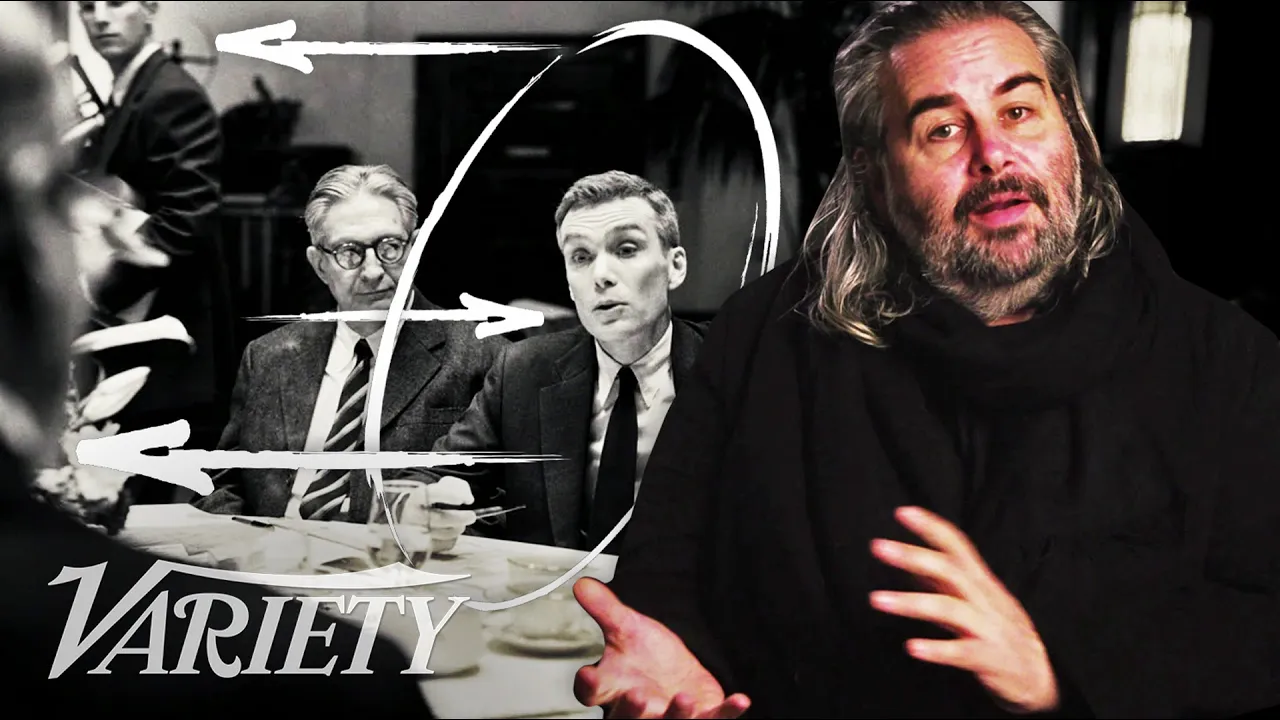
Renowned cinematographer Hoyte van Hoytema discusses the concept of "emotional proximity." He explains how different focal lengths alter the psychological distance between the viewer and the character, showing how wider glass can pull you intimately inside a character's protective bubble.
Why this video
While focused on director Sofia Coppola, this visual analysis is a masterclass in framing isolation. It deconstructs how placing small characters within massive, wide-angle frames filled with negative space forces the viewer to confront the theme of emotional and physical disconnection.
Knowledge Checkpoint
- Explain how a telephoto lens isolates a character by compressing perspective and blurring the background.
- Contrast the psychological effect of a wide-angle lens (distorting space and creating wide gaps around a character) with a telephoto lens (bringing the background closer but throwing it out of focus).
- Define "emotional proximity" as it relates to focal length choice.
- Describe how negative space and wide shots can be combined with optical properties to represent displacement.
Module 4: Neo-Noir Case Studies: Blade Runner to Prisoners
This module conducts direct visual deconstructions of masterpiece Neo-Noir films. You will analyze the legendary styles of Roger Deakins, David Fincher, and others, tracking how their choices of anamorphic vs. spherical glass and shallow depth of field define modern alienation.
Recommended Videos
Why this video
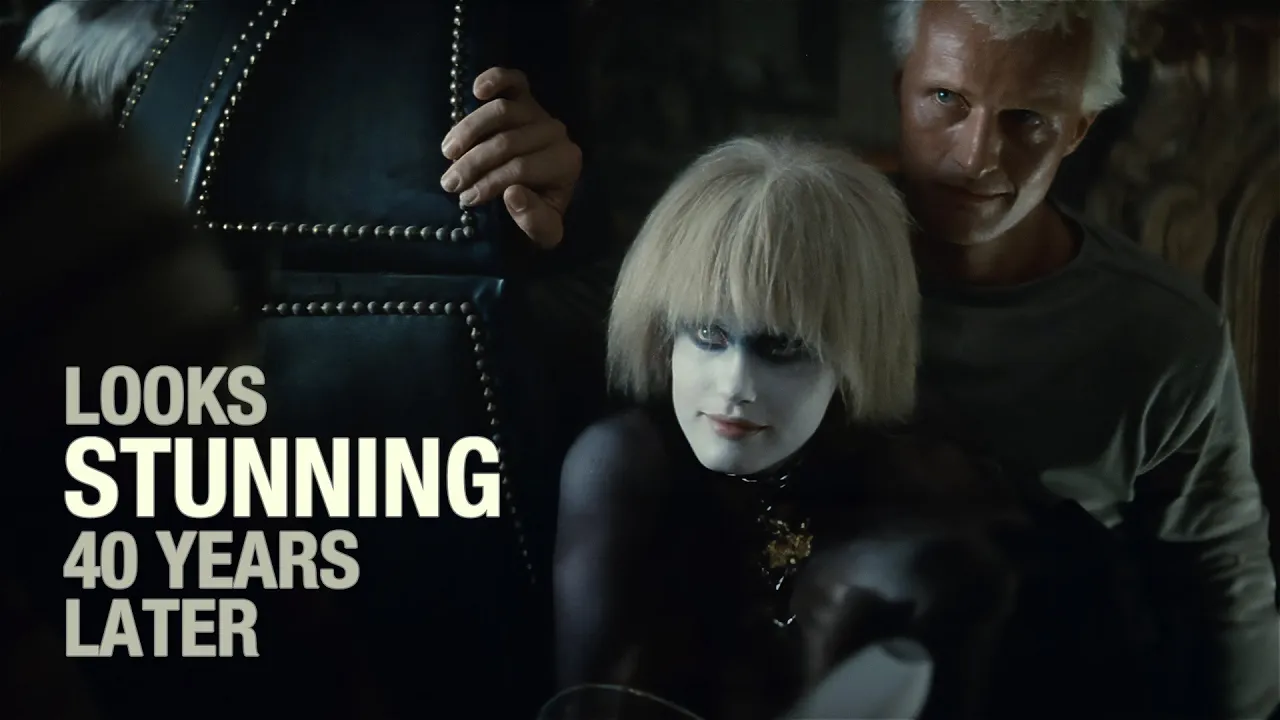
This visual essay unpacks the brilliant cinematography of Jordan Cronenweth on the original Blade Runner. It analyzes how shafts of light, atmosphere (rain/smoke), and lens compositions slice up space to construct a legendary futuristic dystopia of isolation.
Why this video
A deep, professional cinematographer's breakdown of David Fincher's Seven (shot by Darius Khondji). It analyzes the specific chemical bleach-bypass processes, gamma curves, and optical choices that create the bleak, claustrophobic atmosphere of this landmark neo-noir.

Why this video
To analyze Neo-Noir, you must understand anamorphic lenses. This video details how anamorphic glass squeezes images horizontally, producing distinctive oval bokeh, shallow-feeling depth of field, and horizontal blue flares that define movies like Blade Runner and The Batman.

Why this video
Roger Deakins (Blade Runner 2049, Prisoners) is famous for using clean, spherical Arri Alexa sensors and prime lenses to construct space. This breakdown analyzes his meticulous preparation, simple but precise lens choices, and how he keeps scenes grounded and emotionally devastating.

Why this video
Matt Reeves discusses his deliberate, artistic choice to shoot The Batman using custom, technically flawed anamorphic lenses. He explains how using lenses with edge-blur and chromatic aberration mirrors the protagonist's subjective, fractured state of mind.
Knowledge Checkpoint
- Differentiate between anamorphic and spherical lenses based on their physical elements, squeeze ratios, and visual characteristics (e.g., bokeh shape, flares).
- Explain how Blade Runner uses directional shafts of light and atmosphere in tandem with lenses to compartmentalize and restrict visual space.
- Detail how Darius Khondji's cinematographic choices in Seven emphasize rain-slicked decay and claustrophobic framing.
- Discuss how Roger Deakins uses highly precise spherical lenses to keep characters visually exposed yet psychologically isolated.
Module 5: Synthesis and Scene Breakdown Workshop
In this final hands-on workshop, you will synthesize everything you've learned. You will evaluate how technical lens limitations, physical distortions, and precise camera choreography are used deliberately as emotional tools to convey extreme states of paranoia and psychological displacement.
Recommended Videos
Why this video
An absolute masterclass on the history, physics, and poetic visual characteristics of anamorphic lenses. This epic analysis teaches you how to identify specific optical quirks—such as astigmatism, spatial distortion, and field curvature—and translate them into cinematic vocabulary.
Why this video
DP Oren Soffer explains how vintage anamorphic lens imperfections (like top/bottom falloff and natural vignetting) replicate the focal limits of human vision. He shows how choosing technically "imperfect" lenses can paradoxically make a stylized cinematic space feel more intimate and human.

Why this video
This video explains how matching camera pan speeds precisely to character movements pulls the audience directly into a character's physical behavior. It shows how mechanical camera control creates an unsettling connection between the viewer and a paranoid protagonist.
Knowledge Checkpoint
- Analyze how vintage lens "flaws" (such as edge-softness, field curvature, and vignetting) can be used to reflect a character's unstable mental state.
- Deconstruct how a camera's precise tracking speed can lock the viewer into a character's physical and psychological perspective.
- Perform a structural visual analysis of any given neo-noir scene, identifying the focal length, aperture choice, and lens type (anamorphic vs. spherical) and detailing their emotional impact.
Curriculum Gap Note: To deepen your understanding of how technical lens quirks (like anamorphic "mumps," chromatic aberration, or field distortion) convey feelings of paranoia and alienation, we suggest searching Google or film databases for:
"How lens distortion creates paranoia in cinema"and reading articles on"Anamorphic aberration psychological effects in psychological thriller cinematography".
Course Map
Key People Index
- Roger Deakins, ASC, BSC: Highly acclaimed cinematographer (Blade Runner 2049, Prisoners, Fargo). Known for his realistic, single-camera setups and pristine spherical prime lenses.
- David Fincher: Renowned director (Seven, Fight Club, Zodiac). Celebrated for his absolute technical precision, smooth digital tracks, and low-key lighting setups.
- Darius Khondji, ASC, AFC: Cinematographer behind Seven and Uncut Gems. Pioneer of the bleach-bypass process, bringing high-contrast, desaturated grit to modern neo-noir.
- Matt Reeves: Director of The Batman (2022). Known for using vintage, technically flawed anamorphic lenses to capture subjective, character-driven grit.
- Hoyte van Hoytema, ASC, FSF, NSC: Oscar-winning cinematographer (Oppenheimer, Interstellar, Her). Advocate for large-format cinematography, emphasizing physical and emotional proximity using custom-built optics.
- Jordan Cronenweth, ASC: Cinematographer for the original Blade Runner (1982). Widely credited with defining the visual landscape of modern cyberpunk and neo-noir through his use of anamorphic lenses, backlighting, and hazy atmospheric textures.
Final Self-Assessment
To complete this curriculum and evaluate your mastery of the material, verify that you can answer and perform all of the following tasks:
- Explain how changing focal length alters your field of view and explain why "lens compression" is a perspective effect of distance, not an inherent quality of telephoto glass.
- Detail the physical process of achieving a shallow depth of field, referencing aperture (f-stop), focal length, and distance to subject.
- Contrast the visual aesthetics of classic Film Noir (deep focus, hard-edged chiaroscuro shadows) with Neo-Noir/Neon Noir (shallow depth of field, soft neon colors, rain-slicked reflections).
- Contrast how a wide-angle lens (distorting space, highlighting empty environments) and a telephoto lens (blurring background detail, compressing space) are used to isolate characters differently.
- Identify an anamorphic lens shot versus a spherical lens shot based solely on visual artifacts like oval bokeh, horizontal flare streaks, and edge-of-frame distortion.
- Explain why Roger Deakins prefers clean, spherical lenses and how his precise composition emphasizes character vulnerability and isolation.
- Analyze how David Fincher uses synchronized camera movements and controlled compositions to visually reflect the paranoia and mental states of his characters.
- Describe how vintage optical "flaws" (such as chromatic aberration, field curvature, and vignetting) can be used to mirror a character's psychological deterioration.
- Analyze a scene from a Neo-Noir film of your choice and write a 500-word essay deconstructing how focal length, depth of field, and camera positioning are used to isolate the character from their environment.