Meiji Restoration: Feudalism to Modern Power
Learning Goal: Analyze the political, social, and economic transformations of Japan during the Meiji Restoration (1868–1912) and its rapid transition from an isolated feudal society to a modern global power.
- Prerequisites: None. A basic understanding of world history and geography is recommended.
- Estimated Study Time: 12 Hours
Module 1: The End of Isolation: Late Tokugawa Shogunate
This module establishes the historical baseline of Edo-period Japan. You will analyze the rigid four-tier feudal structure under the Tokugawa Shogunate, evaluate the geopolitical impact of Commodore Matthew Perry’s arrival with his "Black Ships" in 1853, and explore the compounding internal economic and social crises that rendered the Shogunate unsustainable.
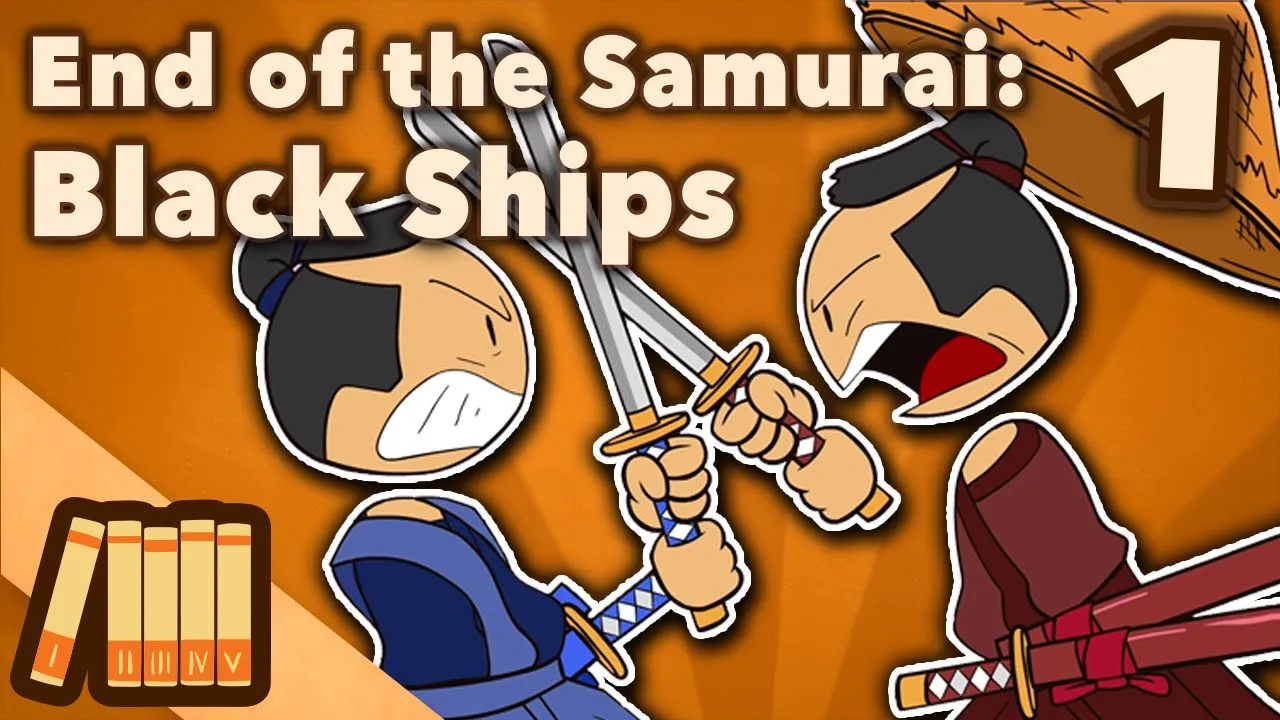
Why this video
This narrative-driven animation provides an engaging introduction to the critical geopolitical shock of 1853: the arrival of Commodore Matthew Perry's Black Ships. It clearly illustrates how the American threat shattered Japan's 220-year isolation policy (sakoku), immediately sparking internal crises among the samurai class and the Tokugawa administration.
- Explain why the arrival of Commodore Perry's "Black Ships" threatened the legitimacy of the Shogunate.
- Describe the domestic fallout of the Treaty of Kanagawa on the samurai class.
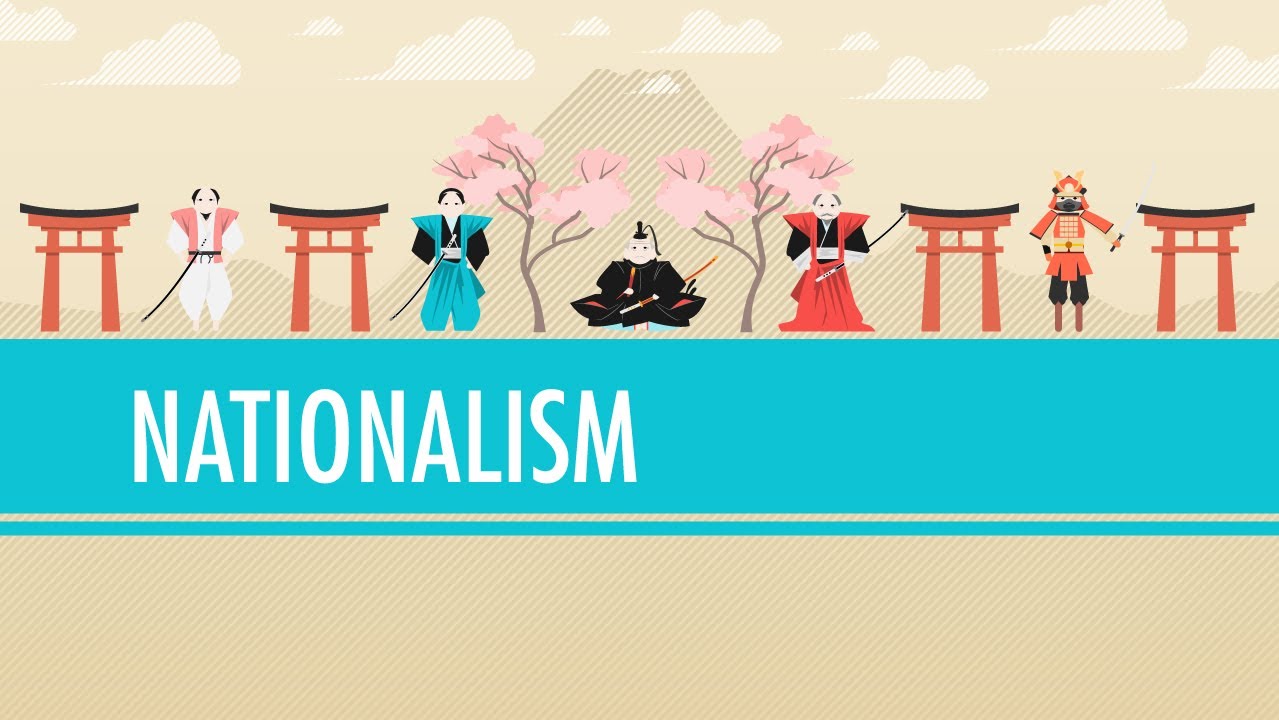
Why this video
John Green provides a high-level, fast-paced analytical framework that contextualizes Japan's transition within the broader global rise of modern nation-states and nationalism. It outlines how the domestic socio-political hierarchy was dismantled and rebuilt around a centralized imperial figurehead.
- Differentiate between the nominal power of the Emperor and the actual power of the Shogun during the Edo Period.
- Identify how the external threat of Western imperialism acted as a catalyst for emerging Japanese nationalism.

Why this video
This highly detailed tactical and structural documentary outlines the internal economic pressures that crippled the Shogunate before foreign intervention. It explains how agricultural strain, population growth, and the structural limits of the bakufu government set the stage for systemic collapse.
- Detail the "Malthusian limit" challenges and resource exhaustion faced by the late Tokugawa Shogunate.
- Identify the critical structural flaws in the Shogunate's tax and land administration systems.
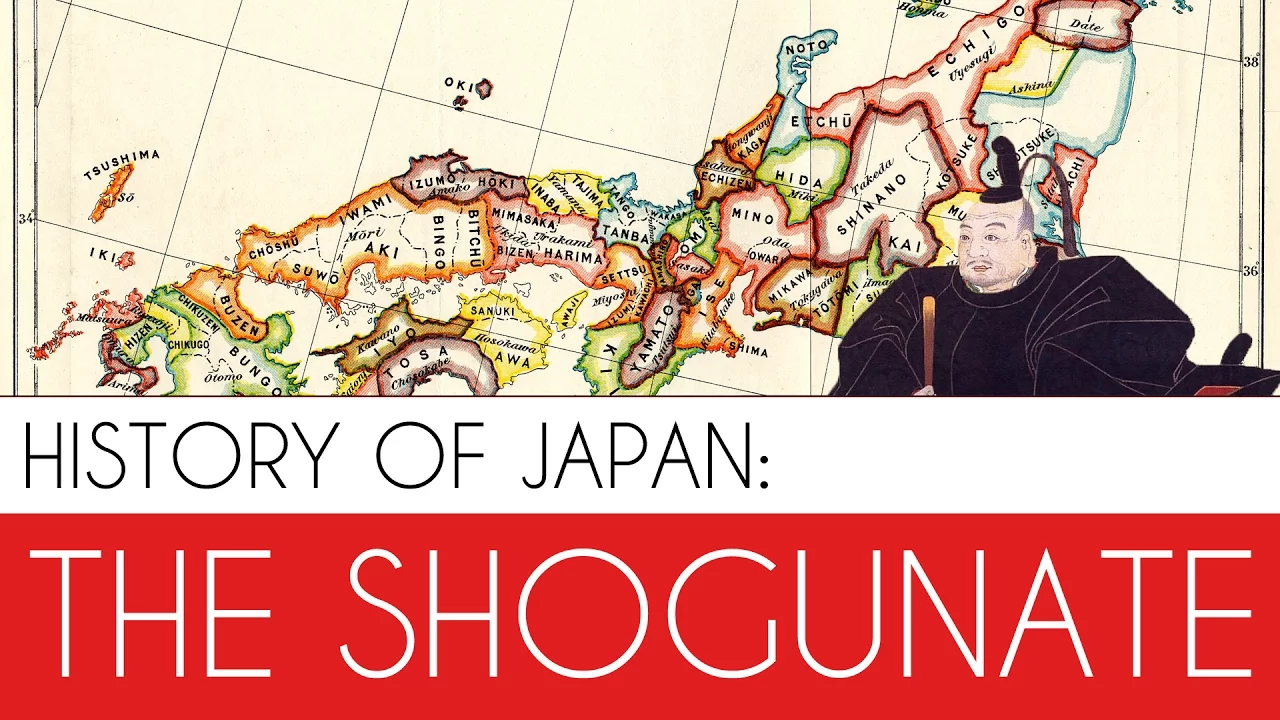
Why this video
This short visual explainer diagrams the strict feudal hierarchy (Shi-No-Ko-Sho) of Tokugawa Japan, tracing the relationships between the Emperor, Shogun, Daimyo, Samurai, and peasants. Understanding this hierarchy is essential to appreciating the radical social reforms that followed.
- Outline the relative rank and socio-economic role of each class under the Tokugawa feudal hierarchy.
- Explain the concept of de facto military rule under the bakufu versus the ceremonial de jure status of the imperial court.
Module 2: Political Rebirth: The Boshin War and Imperial Restoration
This module investigates the transition of political power from military lords back to the throne. You will study the military engagements of the Boshin War (1868–1869), the symbolic re-establishment of Emperor Meiji, and the constitutional architecture of the new state, including the foundational Charter Oath of 1868 and the Meiji Constitution of 1889.

Why this video
This video explains the crucial civil war between the Tokugawa loyalists and the restorationist coalition (led by the modernized Satsuma and Choshu domains). It illustrates how the restorationists weaponized the concept of imperial legitimacy to secure tactical and psychological dominance.
- Name the two dominant southern domains that formed the core of the anti-Shogunate coalition.
- Explain how the concept of "imperial legitimacy" shifted momentum on the battlefield during the Boshin War.
Why this video
This short segment examines the political architecture of the new state, highlighting how the Meiji elite traveled to Europe to sample Western governance models before choosing the Prussian system for the Meiji Constitution of 1889.
- Explain why the Meiji oligarchy selected the Prussian constitution as their primary model over British or American frameworks.
- Define how the Meiji Constitution balanced autocratic imperial power with parliamentary elements like the Diet.

Why this video
Featuring expert commentary from a historian, this reaction video analyzes the critical design flaws embedded in the Meiji Constitution of 1889. It explores how the document granted conditional rights to citizens and placed the military directly under the Emperor, bypassing civilian cabinet control—a structural loophole that would lead to 20th-century militarism.
- Analyze how "conditional rights" in the Meiji Constitution weakened civilian liberties.
- Identify the structural flaw regarding command of the military that undermined parliamentary democracy in later decades.
Why this video
This segment looks at the immediate political manifesto of the new regime: the Charter Oath of 1868. It highlights the five principles that guided Japan's transition toward democratic assembly, meritocracy, and open engagement with international knowledge.
- State the core purpose of the Charter Oath of 1868.
- Describe how the abolition of the domain system (haihan chiken) consolidated centralized administrative control.
Module 3: Social and Cultural Modernization: Westernization
This module explores the systematic remodeling of Japanese society under the banner of Bunmei Kaika ("Civilization and Enlightenment"). You will examine the elimination of the samurai class, the introduction of universal military conscription, and the historic Iwakura Mission, which observed Western educational, legal, and military infrastructure firsthand.
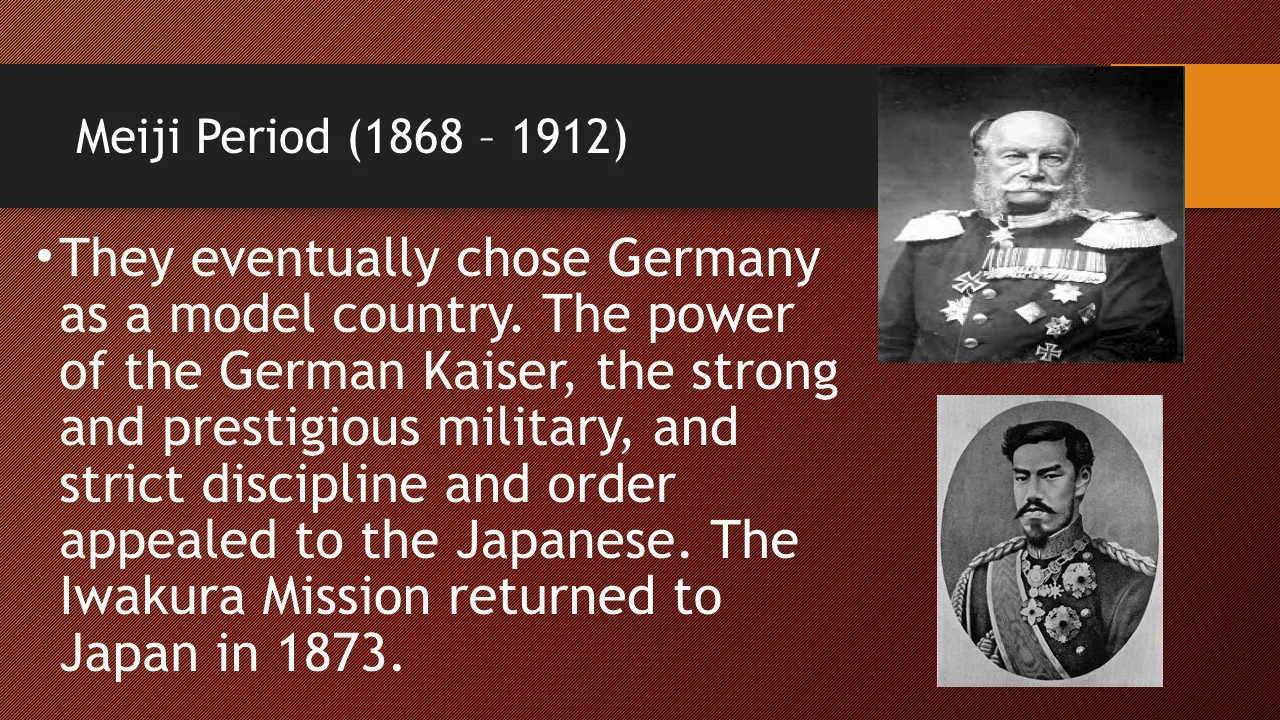
Why this video
This academic summary introduces the Iwakura Mission (1871-1873). It details how a high-ranking diplomatic mission traveled across the United States and Europe to negotiate unequal treaties and study Western administrative systems to apply those lessons to domestic institutional reform.
- Identify the key objective of the Iwakura Mission led by Iwakura Tomomi.
- Describe how the mission's findings directly influenced Japanese legal and educational systems.

Why this video
This primary-source narration brings to life the actual journals of the Iwakura Embassy. It offers a rare, nuanced look at how late 19th-century Japanese elites perceived Western industries, technology, social structures, and colonial rivalries, illustrating their mix of awe and caution.
- Contrast the Japanese delegates' appreciation for Western technology with their concerns about Western commercial competitiveness and spiritual values.
- Discuss how primary diaries from the embassy highlight the urgency of defensive modernization.

Why this video
This cultural history video explores how Bunmei Kaika manifested in everyday life, focusing on changes in fashion, hairstyles, and lifestyle choices. It explains why adopting Western attire was not merely stylistic, but a political statement of national equality and modern civility.
- Define the term Bunmei Kaika and its role in the modernization process.
- Explain why the Meiji state encouraged citizens and civil servants to adopt Western fashion.
Module 4: Economic Revolution: Industrialization and Fukoku Kyohei
This module analyzes Japan's rapid transition from a largely agrarian, closed economy into an industrialized powerhouse. You will explore the state-led industrial model, the formation of family-owned financial-industrial conglomerates (Zaibatsu), and the unifying national slogan Fukoku Kyohei ("Enrich the Country, Strengthen the Armed Forces").

Why this video
This segment explains the structure and rise of Zaibatsu—the massive, family-controlled conglomerates that dominated Meiji heavy industry, finance, and trade. It links their organizational structure directly to earlier feudal networks.
- Define the term Zaibatsu and name at least one major family conglomerate that arose during this era.
- Explain the administrative relationship between the Meiji government and these early business dynasties.

Why this video
This deep dive explains the real-world execution of the Fukoku Kyohei policy. It details how the cash-strapped Meiji state moved from founding expensive model factories to implementing strategic privatization, subcontracting, and tax reforms that fueled sustainable private-sector growth.
- Explain the economic philosophy behind the slogan Fukoku Kyohei.
- Describe how the land tax reform of 1873 provided a reliable cash revenue stream for state-backed infrastructure projects.
Why this video
This video explains how the Meiji government used model factories to rapidly introduce advanced machinery and technology. It highlights how the state bore the high start-up costs of modern industries before selling these operations to private capitalists, establishing a strong public-private economic engine.
- Explain the function of government-run "model factories" in training skilled domestic workers.
- Discuss how the transition from state-owned model enterprises to private ownership accelerated industrial growth.
Module 5: Global Power: Imperial Expansion and Foreign Policy
This final module covers Meiji Japan's rise on the world stage. You will analyze how military reforms, industrial capacity, and diplomatic ambitions culminated in victories in the First Sino-Japanese War (1894–1895) and the Russo-Japanese War (1904–1905), dismantling the unequal treaties and securing Japan’s status as a global empire.
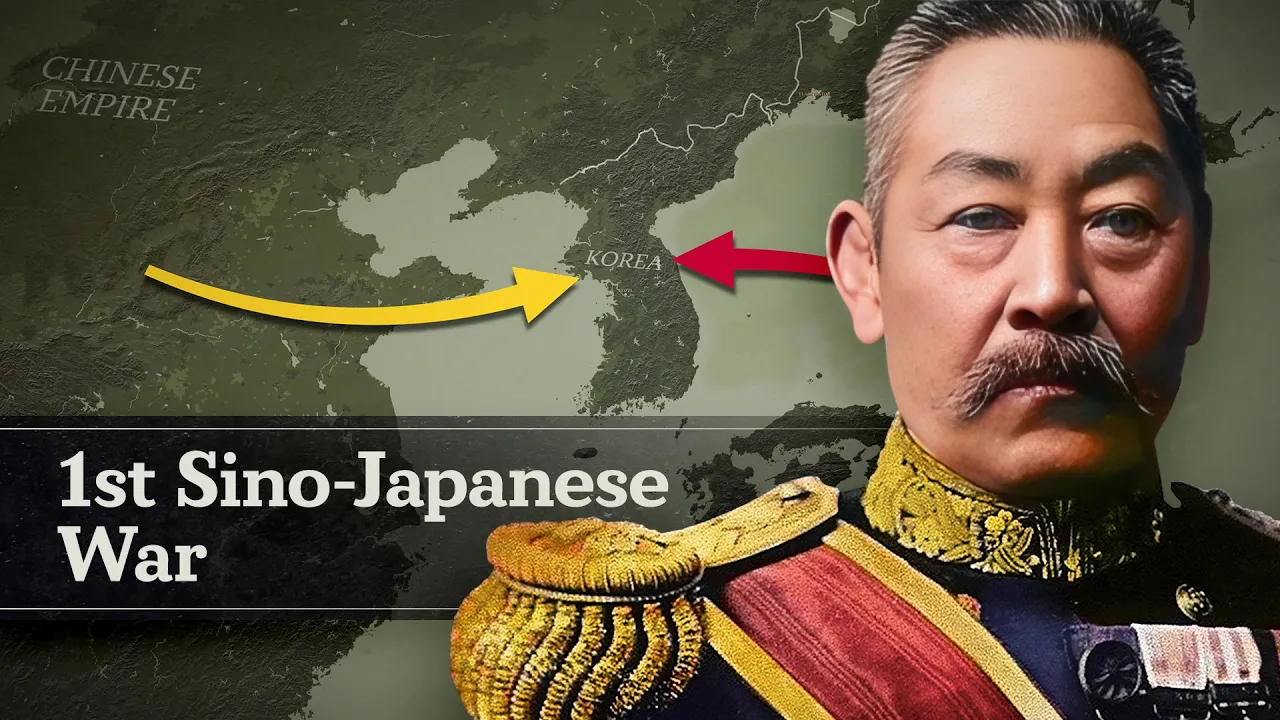
Why this video
This detailed tactical and strategic documentary analyzes the First Sino-Japanese War (1894–1895). It illustrates how Japan’s modernized army and navy overcame China’s regional dominance, shifting the balance of power in East Asia.
- Identify the primary geopolitical catalyst for the outbreak of the First Sino-Japanese War.
- State the territorial and political outcomes of the Treaty of Shimonoseki (1895).
Why this video
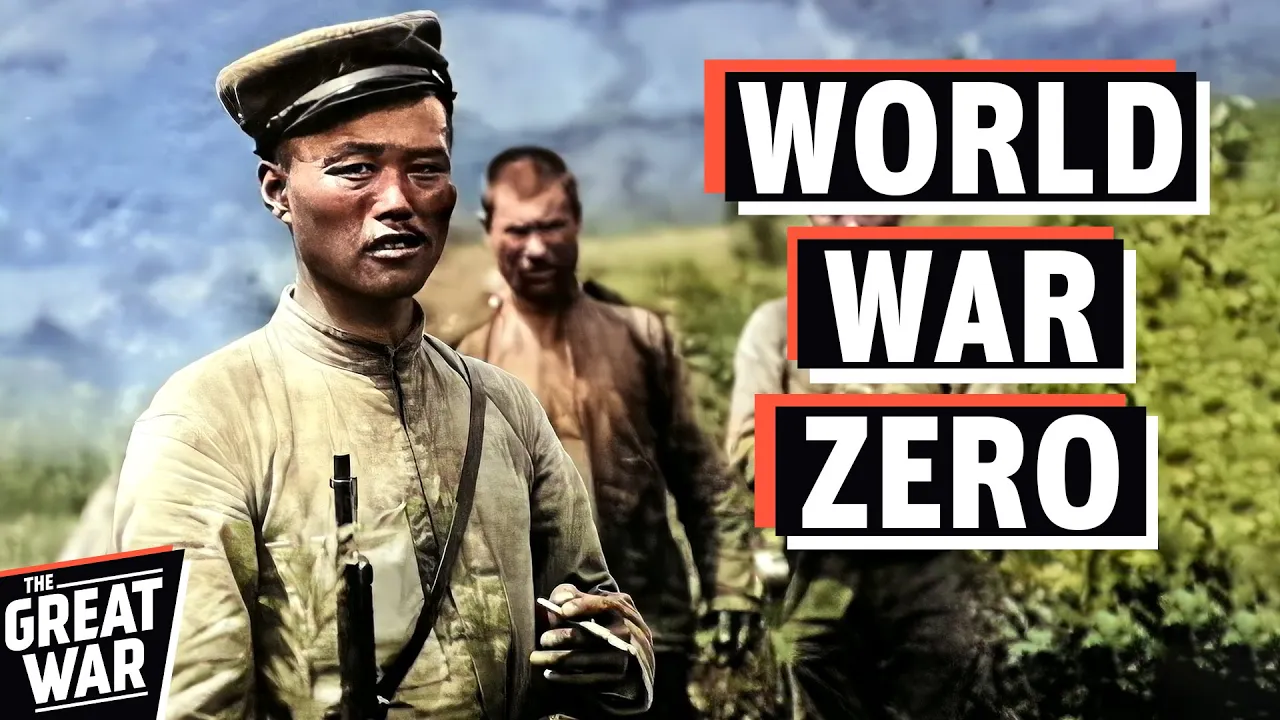
This video positions the Russo-Japanese War (1904–1905) as a key precursor to World War I. It examines how modern industrial military technologies—like machine guns, naval artillery, and trench systems—were deployed by a non-Western power to defeat a European empire for the first time in modern history.
- Explain the strategic importance of the Siege of Port Arthur in the Russo-Japanese War.
- Explain how Japan's victory over Imperial Russia altered international perceptions of non-Western states.
Why this video
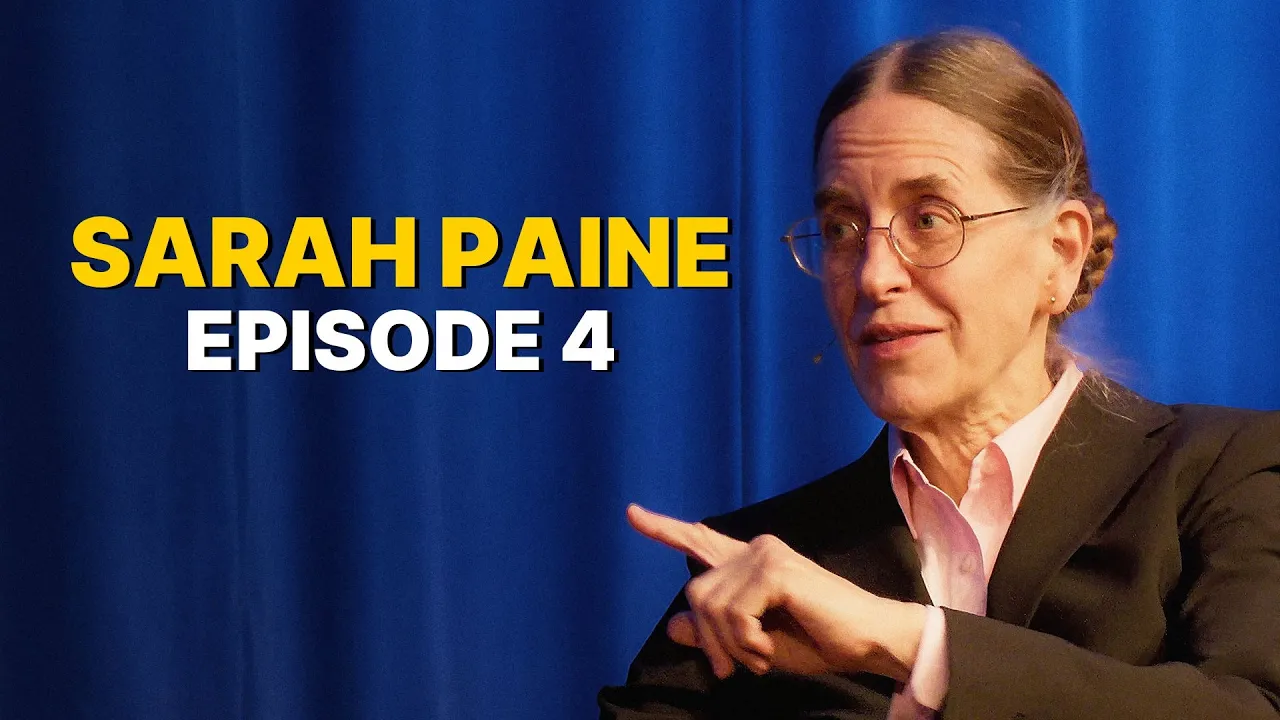
Distinguished military historian Dr. S.C.M. Paine discusses the deeper lessons of Meiji's successes. She analyzes how a systematic reform program—starting with administrative centralization, moving through education, and culminating in industrial defense—enabled Japan's victories over two massive empires.
- Describe the strategic chain of modernization that translated domestic social reforms into international military power.
- Analyze how regional expansion in Taiwan, Korea, and Manchuria laid the foundations for the 20th-century Japanese Empire.
Course Map
Key People Index
- Commodore Matthew Perry (1794–1858): U.S. Navy officer whose gunboat diplomacy in 1853 forced Japan to open its ports to Western trade, triggering the collapse of the Tokugawa Shogunate.
- Tokugawa Ieyasu (1543–1616): Founder of the Tokugawa Shogunate who established the centralized feudal order that governed Japan during the 250-year Edo period.
- Emperor Meiji (Mutsuhito) (1852–1912): The 122nd Emperor of Japan, who served as the symbolic figurehead and sovereign ruler for the rapid political, social, and economic modernization of the nation.
- Iwakura Tomomi (1825–1883): Prominent Meiji statesman who led the historic Iwakura Mission to study Western government systems, education, and heavy industry.
- Dr. S.C.M. Paine: Contemporary historian of international relations and military strategy, specializing in the geopolitical shifts of late-Meiji East Asia.
Final Self-Assessment
Test your understanding of the Meiji Restoration by completing this self-assessment:
- The Feudal Order: Can you describe the division of power between the Edo Shogun and the Kyoto Emperor before 1868?
- Gunboat Diplomacy: Why did the Treaty of Kanagawa disrupt domestic politics and lead to the Bakumatsu period?
- The Boshin War: What role did modern weapons and the Emperor's banner play in Satsuma and Choshu's victory over Shogunate forces?
- The Charter Oath: What were the five principles of the Charter Oath, and how did they signal a break from Tokugawa feudalism?
- The Constitution of 1889: How did the Meiji Constitution balance absolute imperial sovereignty with Western parliamentary design?
- The Iwakura Mission: What main lessons did Japanese leaders bring back from Western schools, courts, and factories?
- Social Restructuring: How did the abolition of domains and the universal conscription law of 1873 dismantle the samurai class?
- Fukoku Kyohei: How did the Meiji state fund early heavy industries, and why did they sell model factories to private conglomerates (Zaibatsu)?
- Sino-Japanese War: How did victory over Qing China in 1895 change Japan's position in Korea and East Asia?
- Russo-Japanese War: Why was Japan's 1905 victory over Imperial Russia considered a major turning point in modern world history?