Unreliable Narrator: Mechanics, History & Types
Learning Goal: Analyze the literary mechanics and historical evolution of the Unreliable Narrator, evaluating how authors manipulate narrative perspective and reader trust from 19th-century Gothic fiction to contemporary psychological thrillers.
- Prerequisites: Basic understanding of narrative voice (first-person, third-person) and introductory literary analysis.
- Estimated Total Study Time: 12 Hours
Module 1: Foundations of Literary Perspective and Point of View
This module establishes the foundational syntax of storytelling. Before analyzing how a narrator deviates from the truth, we must master the baseline structures of narrative point of view. You will explore how perspective controls the flow of information, how first-person ("I") and third-person limited/omniscient viewpoints establish the initial contract of trust between the author and reader, and how the classic taxonomy of "unreliability" (such as the liar, the madman, and the naive observer) manifests in literature.
Recommended Videos

- Why this video: This video provides an essential, clean baseline for understanding how different points of view construct the relationship between reader, narrator, and characters. It introduces the critical grammatical and structural boundaries of first-person and third-person perspectives, which is necessary before studying how these structures can be intentionally broken or distorted.

- Why this video: A clear, pedagogical breakdown of how narrative pronouns function as boundaries for a reader's access to information. It helps establish the baseline "knowledge restrictions" of first-person point of view, which is the most common home of the unreliable narrator.
- Why this video: This video bridges basic point-of-view mechanics with the core types of narrative unreliability. It argues that absolute reliability is a linguistic impossibility and introduces three primary categories of unreliable narrators: deliberate liars, characters with skewed/biased perspectives, and naive observers. It serves as an accessible gateway into complex narrative subversion.
Knowledge Checkpoint
- Explain how a first-person perspective fundamentally limits a reader's objective understanding of a story's world.
- Differentiate between a "deliberate liar" narrator and a "naive observer" narrator.
- Identify the grammatical pronouns that signal first-person, third-person limited, and third-person omniscient narrators.
Module 2: The Literary Mechanics of Narrative Deception
How do authors systematically signal to a reader that their narrator cannot be trusted? This module integrates formal academic narratology with visual storytelling techniques. We will study the structural concept of "narrative distance"—the psychological and emotional space between the narrator, the reader, and the story’s events—alongside Wayne Booth's seminal theory from The Rhetoric of Fiction. We will also examine how writers and filmmakers use structural misdirection, cognitive biases, and red herrings to construct illusions that fool the audience.
Recommended Videos

- Why this video: This deep dive explains "narrative distance," a key concept for analyzing unreliability. By controlling narrative distance through verb choices, descriptions, and temporal framing, a writer dictates how closely a reader identifies with a narrator's distorted reality. This control over narrative proximity determines whether a reader misses or spots signs of unreliability.

- Why this video: This video introduces Wayne Booth's landmark work The Rhetoric of Fiction (1961). It explains the fundamental distinction between poetic structure and rhetoric, unpacking Booth's view that narrative unreliability occurs when a narrator's values or accounts diverge from the "implied author's" norms, establishing the theoretical bedrock of narratology.
- Why this video: This video bridges literary and cinematic deception, demonstrating how an unreliable perspective functions as a delivery system for "red herrings." It highlights how an audience's trust is manipulated when they are forced to adopt a character's biased or deceptive visual framing.
Narratology Gaps & Independent Study Guidance
Acknowledge Academic Video Gaps: While the videos above introduce Wayne Booth and narrative distance, highly technical, hour-long academic lectures on Booth's narratology are scarce in popular video pools.
Recommended Independent Study Search Queries:
- Search Google Scholar or library databases for:
"Wayne Booth's Rhetoric of Fiction unreliable narrator analysis"- Research online essays on:
"narrative distance in writing literary theory"
Knowledge Checkpoint
- Define "narrative distance" and outline how a writer can adjust it to make a narrator's unreliability more or less obvious.
- Explain Wayne Booth's definition of narrative unreliability in terms of the gap between the narrator and the "implied author."
- Describe how a red herring uses the narrator's subjective perspective to mislead the reader.
Module 3: Gothic Origins and 19th-Century Psychological Horror
The unreliable narrator matured during the 19th century inside Gothic and psychological horror literature. Amid anxieties concerning mental health, industrial isolation, and the boundaries of human reason, authors abandoned objective realism. This module explores how writers like Edgar Allan Poe, Robert Louis Stevenson, Charlotte Perkins Gilman, and Henry James used isolated environments, obsession, and mental deterioration to craft narrators whose realities crumble before the reader's eyes.
Recommended Videos

- Why this video: This segment focuses on Henry James’s 1898 Gothic masterpiece The Turn of the Screw. It highlights the psychological ambiguity of the governess narrator, illustrating how Gothic environments and isolation leave the reader wondering whether the spirits she sees are real or the product of psychological deterioration.
- Why this video: This video analyzes Robert Louis Stevenson's Dr. Jekyll and Mr. Hyde. It explores the story's complex Gothic narrative framing, showing how the tale is told through a secondary character (Gabriel John Utterson) to intentionally limit the reader's view and build suspense around Jekyll’s secret.

- Why this video: A detailed literary analysis of Poe's masterclass in narrative unreliability. It breaks down how the narrator's obsession with proving his "sanity" and logical precision exposes his deep psychological deterioration, revealing that human reason alone cannot ensure moral goodness.
- Why this video: An exploration of Charlotte Perkins Gilman’s The Yellow Wallpaper (1892). This lesson analyzes how the protagonist's descent into madness is a direct response to 19th-century patriarchal control and medical isolation ("the rest cure"), showing how her unreliability serves as a critique of her oppressive environment.
Knowledge Checkpoint
- Explain how Edgar Allan Poe's narrator in "The Tell-Tale Heart" undermines his own credibility by trying to prove his sanity.
- Identify how the "rest cure" in The Yellow Wallpaper acts as a catalyst for the narrator's psychological breakdown and shifting perspective.
- Explain how telling a story through a secondary observer, as in Dr. Jekyll and Mr. Hyde, affects reader suspense and limits information.
Module 4: Modernist Fragmentation and Subjective Truth
The traumatizing events of early 20th-century history shattered the illusion of a single, shared reality. Modernist writers turned inward, developing stylistic techniques like stream-of-consciousness, temporal fragmentation, and shifting narrative perspectives. In this module, we examine how Modernist icons like William Faulkner dismantled linear storytelling, and how mid-century masters like Vladimir Nabokov weaponized beautiful, pseudo-intellectual prose to conceal monstrous realities.
Recommended Videos

- Why this video: This video explains the mechanics of stream-of-consciousness narration. By capturing the rapid, unedited flow of a character's thoughts, memories, and sensory experiences, this Modernist technique replaces objective, chronological realism with deep, unfiltered psychological subjectivity.

- Why this video: Part of a series of Yale lectures, this segment introduces William Faulkner’s complex masterpiece The Sound and the Fury. It explains the novel's radical four-section structure, focusing on how its first section—narrated by Benjy, a character with cognitive disabilities—forces readers to piece together a fragmented, non-linear timeline.

- Why this video: This Yale lecture analyzes Nabokov’s artistic philosophy, demonstrating how Lolita challenges readers to look past Humbert Humbert's charming, highly sophisticated language to see his actual predatory behavior, highlighting the danger of trusting an aestheticized narrative.

- Why this video: An in-depth, critical analysis of how Nabokov manipulates the reader in Lolita. This video essay deconstructs Humbert's linguistic defense mechanisms, showing how his wordplay and literary references are designed to distort the reality of his abuse.
Knowledge Checkpoint
- Define the literary technique of "stream-of-consciousness" and explain how it differs from traditional first-person narration.
- Explain how William Faulkner uses multiple narrators in The Sound and the Fury to show that truth is subjective and relative.
- Describe the narrative strategies Humbert Humbert uses in Lolita to win over the reader, and explain how Nabokov signals his underlying predatory behavior.
Module 5: Contemporary Psychological Thrillers and Reader Manipulation
In contemporary literature and cinema, narrative unreliability has evolved into a highly competitive game of wit between creator and consumer. This module analyzes how modern psychological thrillers subvert reader trust, design shocking yet logical plot twists, and reflect contemporary anxieties about truth. We will examine how works like Gillian Flynn’s Gone Girl, Christopher Nolan's Memento, and David Fincher's Fight Club use memory loss, sociopathy, and media manipulation to create complex narrative puzzles.
Recommended Videos

- Why this video: This analysis focuses on Amy Dunne’s narrator role in Gone Girl. It explores how her diary entries initially build trust before a mid-story twist reveals her to be a calculating manipulator, showing how contemporary thrillers weaponize gender stereotypes and domestic expectations to deceive the audience.
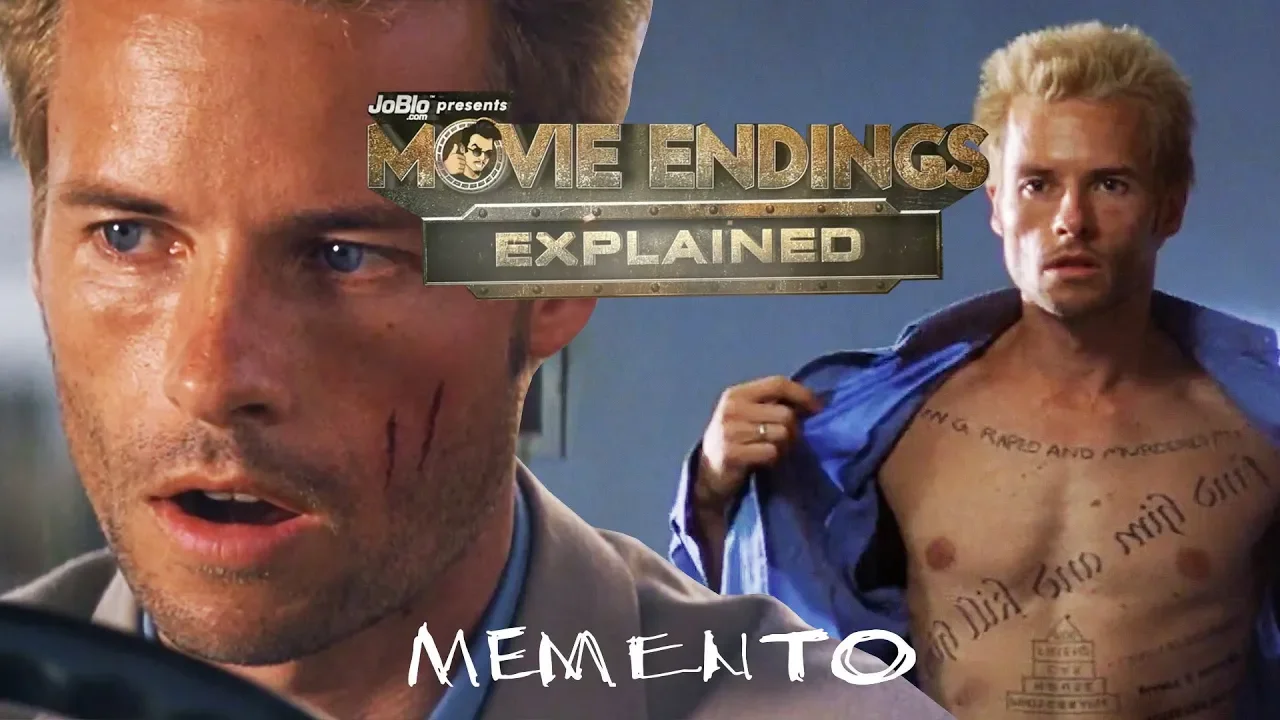
- Why this video: An examination of Christopher Nolan’s Memento, illustrating how memory loss is used to create narrative unreliability. It breaks down how the film's reverse-chronological structure forces the audience to share the protagonist's disorientation and skewed perception of reality.

- Why this video: This video breaks down how Fight Club uses a split-personality narrator to hide its central twist. It shows how the narrator's lack of self-awareness warps his perspective, illustrating the psychological "blind spots" typical of contemporary unreliable storytelling.
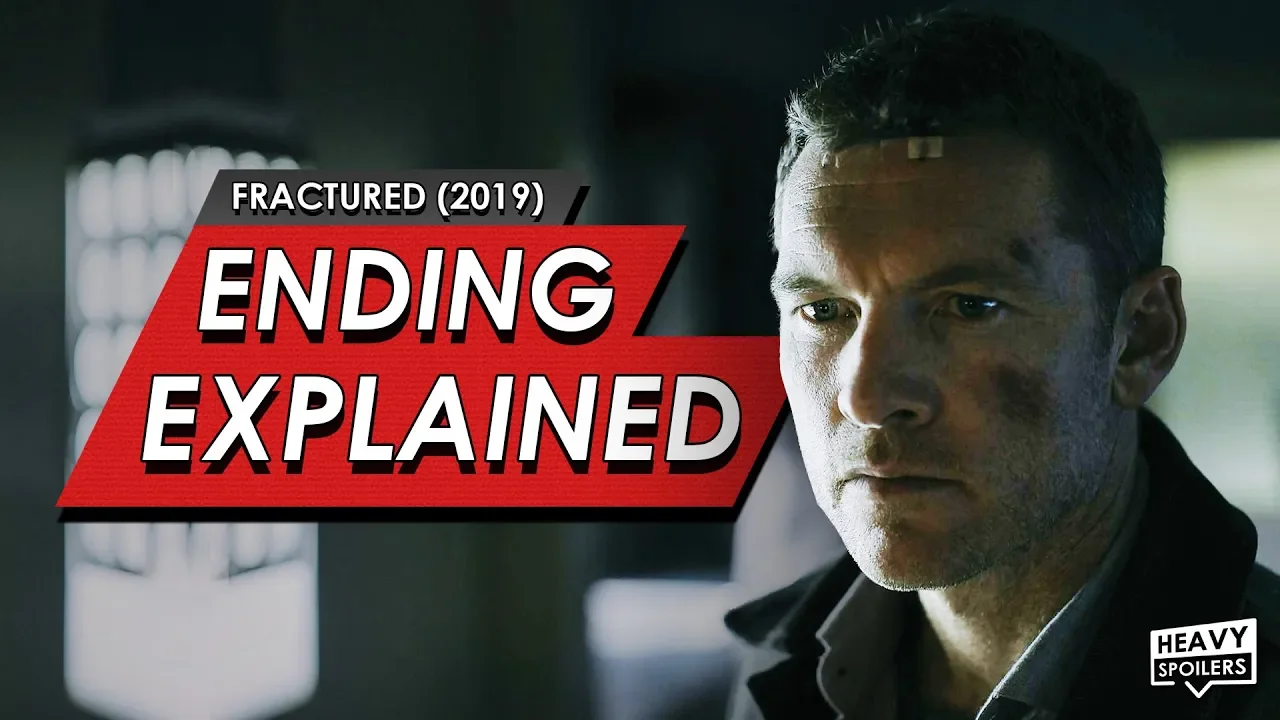
- Why this video: Analyzing the Netflix thriller Fractured, this video breaks down how psychological trauma and denial create deep narrative ambiguity. It details the mechanical setup of modern plot twists, highlighting how filmmakers use a character's internal defense mechanisms to distort outer reality.
Knowledge Checkpoint
- Explain how Gone Girl shifts its narrative perspective mid-story, and describe the effect this has on reader sympathy.
- Analyze how Memento’s structure forces the audience to experience the same cognitive limitations as its protagonist.
- Identify the structural differences between a twist that feels earned and logical in retrospect and one that feels arbitrary or cheap.
Course Map
Key People Index
- Wayne Booth (1921–2005): An influential American literary critic whose 1961 book The Rhetoric of Fiction introduced the term "unreliable narrator." He argued that narrative unreliability occurs when a narrator's values or perspective differ from the norms of the "implied author."
- Edgar Allan Poe (1809–1849): An American writer and pioneer of Gothic fiction. Poe popularized first-person psychological horror, using obsessive, paranoid, and mentally unstable narrators to build tension and explore guilt.
- Charlotte Perkins Gilman (1860–1935): An American feminist author and social reformer. Her seminal work The Yellow Wallpaper uses a decaying first-person perspective to critique 19th-century mental health treatments and patriarchal confinement.
- William Faulkner (1897–1962): A Nobel Prize-winning American Modernist writer. Faulkner championed non-linear storytelling, stream-of-consciousness, and shifting, fragmented perspectives to show that truth is subjective and relative.
- Vladimir Nabokov (1899–1977): A Russian-American novelist renowned for his intricate wordplay and structural complexity. In Lolita, Nabokov designed the ultimate aestheticized unreliable narrator, showing how beautiful language can be used to hide monstrous crimes.
Final Self-Assessment
- I can define the difference between first-person, third-person limited, and third-person omniscient points of view.
- I can list and define Wayne Booth’s core categories of narrative unreliability.
- I can explain the concept of "narrative distance" and demonstrate how authors use it to hide or reveal unreliability.
- I can identify how 19th-century Gothic writers used isolation and mental decline to justify narrator unreliability.
- I can explain how "the rest cure" in The Yellow Wallpaper serves as both a plot device and a critique of patriarchal control.
- I can define the literary technique of stream-of-consciousness and explain its role in Modernist literature.
- I can analyze how Vladimir Nabokov uses aestheticized, sophisticated language in Lolita to manipulate reader trust.
- I can explain how modern psychological thrillers use cognitive biases and red herrings to construct fair yet surprising plot twists.
- I can compare how historical anxieties—from Gothic madness to Modernist disillusionment and modern post-truth culture—have shaped the evolution of the unreliable narrator.