Antibiotics: Classes, Resistance & Stewardship
Learning Goal: Mastering Antibiotic Stewardship: Classifications, Resistance Patterns, and Empirical Therapy.
By the end of this curriculum, you will understand the structural differences between bacteria and host cells, map the mechanisms of action for all major antibiotic classes, dissect how bacterial pathogens acquire resistance, interpret culture and sensitivity reports to guide empirical versus targeted therapy, and implement evidence-based clinical stewardship interventions.
- Prerequisites: Basic biology and high-school-level chemistry. A basic understanding of human anatomy and infectious diseases is helpful but not required.
- Estimated Total Study Time: 12 hours
Module 1: Microbiology Basics: Bacteria & Antibiotic Targets
This module establishes the foundational microbiology necessary for effective antibiotic therapy. You will explore the key structural differences between prokaryotic bacteria and eukaryotic human cells, dive deep into the micro-architecture of Gram-positive versus Gram-negative cell walls, and study the clinical concept of selective toxicity—how we exploit these anatomical differences to destroy pathogens while preserving host tissue.
Recommended Videos
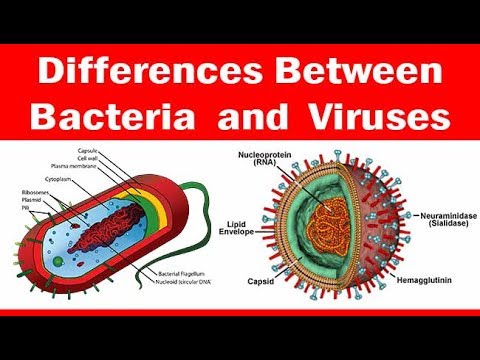
- Why this video: This video provides a clear, high-level comparison of bacteria (living, single-celled prokaryotes) and viruses (non-living genetic packets). Understanding this fundamental divergence is the first line of defense against inappropriate antibiotic prescribing for viral syndromes.

- Why this video: This highly visual animation details the differences between Gram-positive and Gram-negative cell walls. It highlights the thick peptidoglycan layer of Gram-positives and the complex double-membrane structure of Gram-negatives, which contains lipopolysaccharide (LPS) endotoxins. This architectural distinction directly dictates antibiotic penetration and selection.

- Why this video: Dr. Brandl explains how antibiotics exploit structural and metabolic differences between prokaryotic bacteria and eukaryotic human cells to achieve selective toxicity. This video introduces the primary cellular targets of antibiotic classes, including cell wall synthesis, ribosome translation, and nucleic acid replication.
Knowledge Checkpoint
- Can you describe the primary structural differences between a prokaryotic bacterial cell and a eukaryotic human cell?
- Do you understand why Gram-negative bacteria are structurally more resistant to certain hydrophilic antibiotics compared to Gram-positive bacteria?
- Can you define "selective toxicity" and provide three bacterial targets that do not exist in human cells?
Module 2: Antibiotic Classifications & Mechanisms of Action
This module covers the core pharmacology of antimicrobial agents. You will learn to categorize antibiotics by their primary mechanism of action: cell wall and membrane synthesis inhibitors (such as Beta-lactams and Glycopeptides), protein synthesis inhibitors (such as Aminoglycosides, Tetracyclines, and Macrolides), and nucleic acid synthesis inhibitors. You will also study how chemical differences within these classes influence whether a drug is bacteriostatic or bactericidal.
Recommended Videos
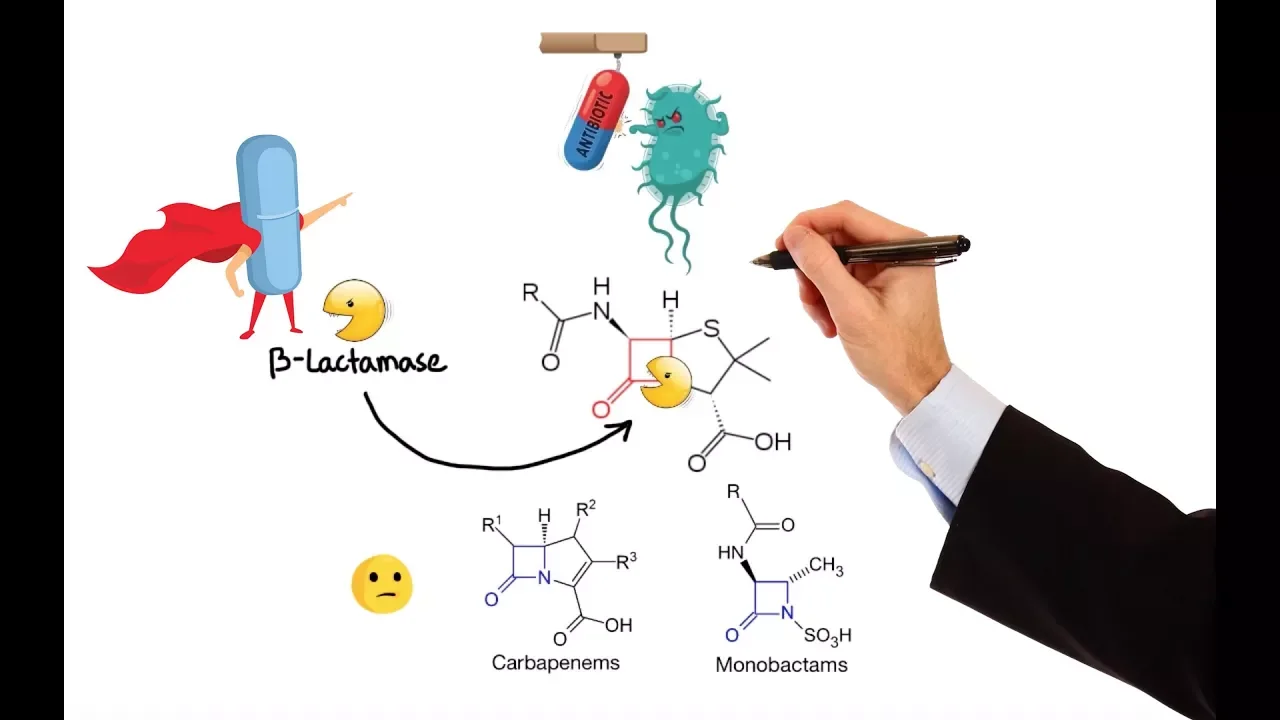
- Why this video: This video provides an overview of cell wall and cell membrane synthesis inhibitors. It explains how beta-lactams (penicillins, cephalosporins, carbapenems, monobactams) and glycopeptides (vancomycin) target peptidoglycan cross-linking, leading to bacterial lysis.

- Why this video: Dr. Priyanka Sachdev delivers a thorough pharmacology lecture focused on protein synthesis inhibitors. She details how drugs like Aminoglycosides, Tetracyclines, and Macrolides bind to the 30S and 50S ribosomal subunits to arrest bacterial translation. This video addresses a common gap in basic antibiotic educational resources.

- Why this video: This video uses mnemonics and clear categorization to help you memorize the major antibiotic classes, their typical suffixes, and key properties. It serves as a practical study guide to organize your pharmacological knowledge.
Knowledge Checkpoint
- Can you explain how beta-lactam antibiotics inhibit the transpeptidase enzyme (Penicillin-Binding Protein) during cell wall synthesis?
- What is the mechanistic difference between an antibiotic targeting the 30S ribosomal subunit (e.g., Doxycycline) versus one targeting the 50S subunit (e.g., Azithromycin)?
- Which major classes of antibiotics are primary bactericidal agents, and which are typically bacteriostatic?
Module 3: The Science of Antibiotic Resistance
In this module, you will study how bacteria adapt to survive antibiotic exposure. You will analyze the biological mechanisms of resistance, such as beta-lactamase enzymatic degradation, drug efflux pumps, and ribosomal target modifications. You will also learn how resistance genes spread rapidly through vertical reproduction and horizontal gene transfer (conjugation, transduction, and transformation), creating multidrug-resistant "superbugs."
Recommended Videos

- Why this video: This investigative documentary by PBS FRONTLINE explores the real-world impact of the antibiotic resistance crisis. It details how the overuse of antimicrobials in healthcare and agriculture has accelerated the rise of untreatable superbugs, framing the clinical need for stewardship.
- Why this video: Dr. Marilyn Roberts explains how bacteria acquire and share resistance. She covers natural physiological barriers, random chromosomal mutations, and horizontal gene transfer (conjugation, transformation, and transduction) that allow resistance genes to spread across different bacterial species.

- Why this video: A concise, engaging animation that visually explains the three primary methods of horizontal gene transfer (HGT): conjugation (plasmid exchange via pilus), transformation (uptake of free environmental DNA), and transduction (bacteriophage-mediated transfer).
Knowledge Checkpoint
- How do conjugation, transformation, and transduction differ in how they transfer resistance genes?
- Can you describe how a bacterial efflux pump works to prevent an antibiotic from reaching its intracellular target?
- What role does natural selection play in a bacterial population when a patient takes an incomplete course of antibiotics?
Module 4: Clinical Applications: Empirical vs. Targeted Therapy
This module covers clinical decision-making in infectious diseases. You will learn to differentiate between broad-spectrum empirical therapy—started when a pathogen is unknown—and narrow-spectrum targeted (definitive) therapy. You will also learn how to read and interpret bacterial culture and susceptibility (C&S) reports to guide de-escalation.
⚠️ Curriculum Gap Alert: Because short-form online videos rarely cover the complexities of clinical microbiology in detail, we have curated the best available overview videos below. To master this topic, we highly recommend reading clinical guidelines (such as IDSA or Sanford Guide) on how to interpret local antibiograms.
Recommended Videos
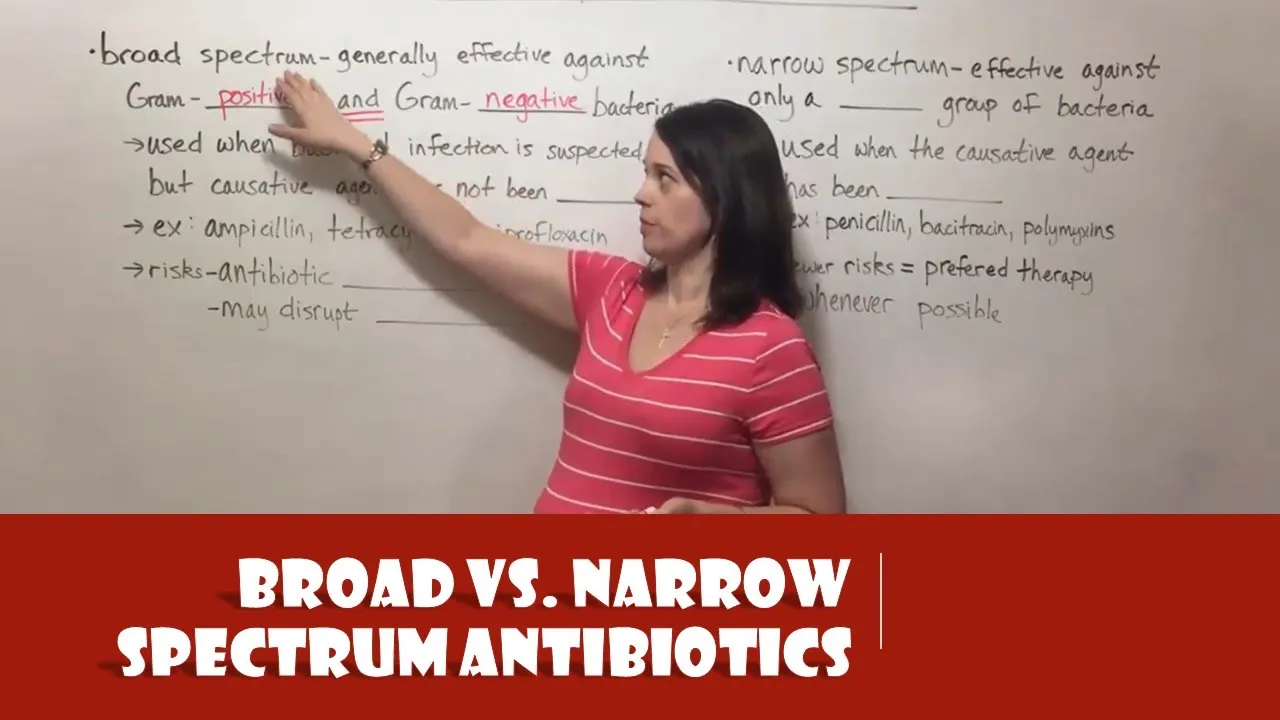
- Why this video: This video explains the practical differences between broad-spectrum and narrow-spectrum antibiotics. It covers when to use each, highlighting why empirical therapy typically begins with broad coverage and must be narrowed to limit collateral damage to the host microbiome.
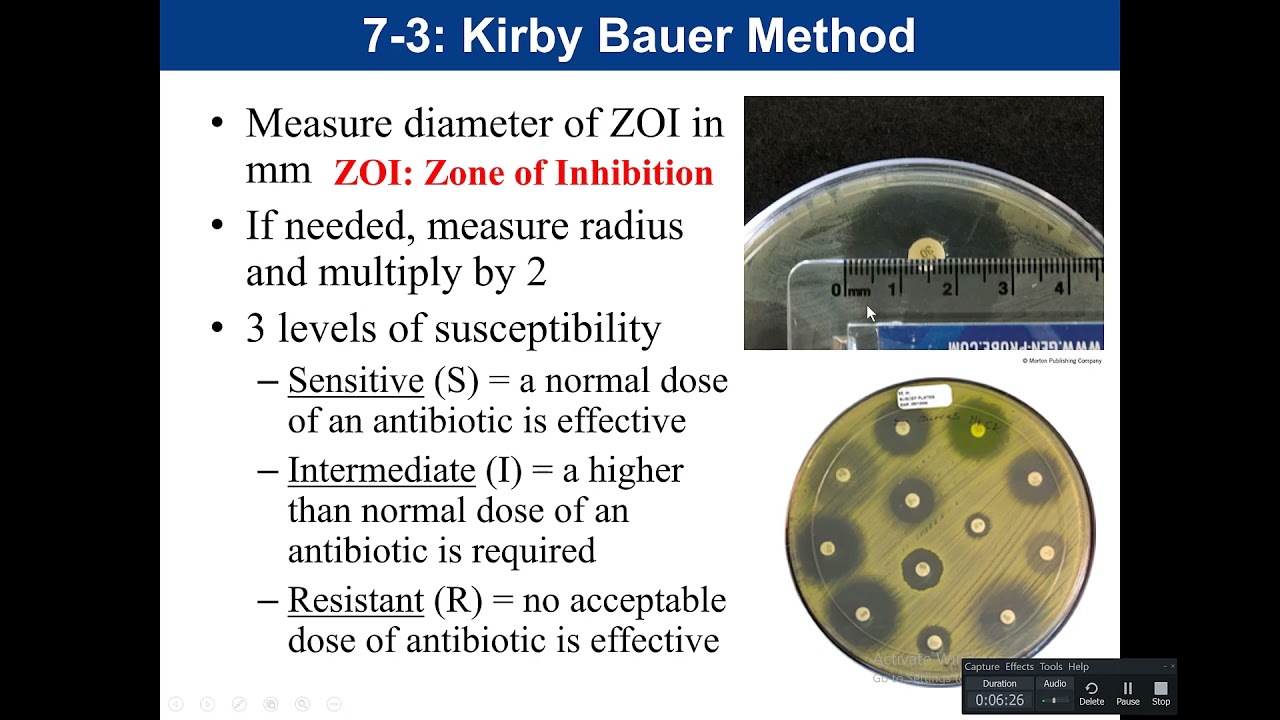
- Why this video: This lab demonstration shows how antibiotic sensitivity is measured using the disk diffusion (Kirby-Bauer) method. It explains how to measure zones of inhibition in millimeters and translate those measurements into clinical classifications: Susceptible (S), Intermediate (I), or Resistant (R).

- Why this video: Dr. Neha Suratiya outlines how clinicians transition from broad-spectrum empirical therapy to narrow-spectrum targeted therapy once culture results are returned. This provides a quick framework for clinical decision-making.

- Why this video: A clear summary of the timing of antimicrobial therapy. It highlights the importance of obtaining diagnostic blood and site cultures before administering the first dose of empirical antibiotics.
Knowledge Checkpoint
- Why is it critical to draw clinical cultures before administering empirical antibiotics?
- How do you interpret "Susceptible," "Intermediate," and "Resistant" designations on a culture and sensitivity report?
- What is the clinical benefit of narrowing (de-escalating) therapy once a specific pathogen has been identified?
Module 5: Principles of Antibiotic Stewardship
This module covers the core elements of Antibiotic Stewardship Programs (ASP) in healthcare systems. You will study the CDC's Core Elements of Hospital Antibiotic Stewardship, learn de-escalation protocols, and understand how to optimize the duration of therapy based on clinical markers. This helps ensure patients receive the right drug, at the right dose, for the right duration, via the right route.
Recommended Videos
- Why this video: This comprehensive university lecture outlines the operational principles of clinical antibiotic stewardship. It discusses the multidisciplinary team approach, common stewardship interventions, and the metrics used to track program success in institutional settings.
- Why this video: This video explains the CDC's 7 Core Elements of Antibiotic Stewardship: Leadership Commitment, Accountability, Pharmacy Expertise, Action, Tracking, Reporting, and Education. It provides a structured framework for building or assessing a stewardship program.

- Why this video: Focused on high-acuity environments, this webinar covers the implementation of stewardship in intensive care units (ICUs). It addresses complex clinical challenges, such as managing sepsis while avoiding double anaerobic or double Gram-negative coverage.
- Why this video: This video focuses on optimizing treatment duration for pneumonia (CAP/HAP/VAP). It highlights how clinical response, rather than arbitrary fixed timelines (like "always 10 days"), should guide when to stop therapy.
Knowledge Checkpoint
- What are the CDC's 7 Core Elements of Hospital Antibiotic Stewardship, and how do they support clinical outcomes?
- Can you define "antibiotic de-escalation" and outline a typical clinical protocol for it?
- Why is there a shift toward shorter treatment durations for common infections like community-acquired pneumonia?
Course Map
This map outlines the recommended learning progression through the curriculum.
Key People Index
The following researchers and educators are featured in this curriculum:
- Dr. Katharina Brandl, PhD (@katharinabrandl361)
- Context: Professor of pharmacology who explains how the cellular and structural differences between microbes and human cells allow for selective toxicity.
- Dr. Priyanka Sachdev, MD (@MedLiveByDrPriyanka / @UnacademyLiveNEETPG)
- Context: Pathologist and pharmacology educator who provides detailed lectures on the mechanisms of action for protein synthesis inhibitors.
- Dr. Marilyn Roberts, PhD (@asmicrobiology)
- Context: Professor of Environmental and Occupational Health Sciences at the University of Washington. She is an expert on the genetics of antibiotic resistance and horizontal gene transfer.
- Dr. Neha Suratiya, MD (@AJITSINGHDr)
- Context: Medical microbiologist who guides clinicians on interpreting antibiograms and culture reports to transition patients to targeted therapy.
- Audry Hawkins, PharmD, BCIDP & Sarah Moore, PharmD (@UofLIM)
- Context: Infectious disease clinical pharmacists who specialize in designing and implementing hospital-wide antimicrobial stewardship protocols.
Final Self-Assessment
Complete this comprehensive self-assessment to verify your mastery of antibiotic stewardship:
- Cellular Architecture: Explain the structural differences between Gram-positive and Gram-negative cell walls, including peptidoglycan thickness and outer membrane components.
- Selective Toxicity: Identify three distinct biological targets found in bacterial cells (but not human host cells) that are targeted by major antibiotic classes.
- Beta-Lactam Pharmacology: Describe how beta-lactams bind to and inhibit Penicillin-Binding Proteins (PBPs), and how beta-lactamase enzymes interfere with this mechanism.
- Protein Synthesis Inhibition: Classify the major protein synthesis inhibitors into 30S or 50S ribosomal subunit binders, and specify whether they are bactericidal or bacteriostatic.
- Resistance Transfer: Explain the mechanics of horizontal gene transfer in bacteria via conjugation, transformation, and transduction.
- Clinical Resistance: List three distinct physiological mechanisms bacteria use to resist antibiotics (e.g., target site mutations, enzymatic degradation, efflux pumps).
- Empirical vs. Targeted: Explain the difference between empirical and targeted therapy, and why empirical therapy requires obtaining cultures first.
- Susceptibility Testing: Describe how a disk diffusion (Kirby-Bauer) assay works and how zones of inhibition are measured and interpreted.
- Stewardship Core Elements: Identify and describe at least four of the CDC's Core Elements of Hospital Antibiotic Stewardship.
- De-escalation Protocols: Detail a clinical scenario where broad-spectrum therapy (such as Piperacillin-Tazobactam) should be de-escalated to a narrow-spectrum agent based on a culture report.
- Duration of Therapy: Explain the clinical rationale for using shorter, evidence-based antibiotic courses instead of longer, fixed-duration courses.