Subcultures & Style: Resistance & Co-optation
Learning Goal: Analyze the sociological role of subcultures and style, examining how marginalized groups use fashion and aesthetics as symbolic resistance, and how dominant markets subsequently co-opt these subcultural movements.
- Prerequisites: None (Introductory Sociology or Media Studies recommended)
- Estimated Total Study Time: 12 hours
Module 1: Foundations of Subcultural Theory
This module introduces the foundational sociological concepts required to analyze subcultures. We trace the history of subcultural studies, starting with the Chicago School of Sociology (which framed deviant behaviors as structural or geographical adaptations to urban environments) and progressing to the groundbreaking Birmingham School (Centre for Contemporary Cultural Studies - CCCS). Key to this shift is the work of Stuart Hall, whose Encoding/Decoding model explains how audiences do not passively consume media messages but actively interpret and rewrite them, laying the groundwork for understanding subcultural style as active, symbolic negotiation rather than simple delinquency.
Recommended Videos
Why this video: This video provides the essential sociological vocabulary required for this course. It distinguishes between dominant "high" and "low" culture, subcultures (which exist within the larger dominant culture but possess distinct norms and symbols), and countercultures (which actively oppose mainstream cultural norms).

Why this video: To understand how subcultures challenge dominant norms, you must first understand how those norms are communicated. This segment introduces Stuart Hall’s revolutionary 1973 Encoding/Decoding framework, demonstrating how media creators encode certain values, while audiences decode them in diverse ways (dominant, negotiated, or oppositional).

Why this video: This short but direct analysis traces the specific historical shift from the Birmingham School's mid-1960s study of post-WWII British working-class youth subcultures (mods, rockers, skinheads) to modern trends, establishing how these original groups used style to assert class solidarity and mock the dominant capitalist system.
Knowledge Checkpoint
- Can you differentiate between a subculture and a counterculture?
- What is "deviance" in a sociological context, and how does it differ from a moral judgment?
- How does Stuart Hall’s Encoding/Decoding model explain how individuals can reject or rewrite mainstream cultural messages?
- Why did the Birmingham School (CCCS) view style as a political weapon for working-class youth?
Module 2: Style as Symbolic Resistance
With foundational sociological frameworks in place, we focus on the semiotics of style. We analyze how subcultures "weaponize" fashion as a form of intentional communication. Grounded in the classic text Subculture: The Meaning of Style by Dick Hebdige and the semiotic theories of Roland Barthes, this module introduces two crucial theoretical tools:
- Bricolage: The process of taking mundane, mainstream objects and placing them in a new, subcultural context to radically alter their meaning (e.g., punks using safety pins as jewelry).
- Homology: The symbolic fit or alignment between a subculture’s values, lifestyle, and aesthetic choices (e.g., the tight, aggressive structure of punk clothes reflecting a refusal of economic complacency).
Recommended Videos
Why this video: This summary introduces Dick Hebdige's seminal text, detailing how disenfranchised youth use highly visible stylistic displays to signal their exclusion from and active resistance to mainstream society.
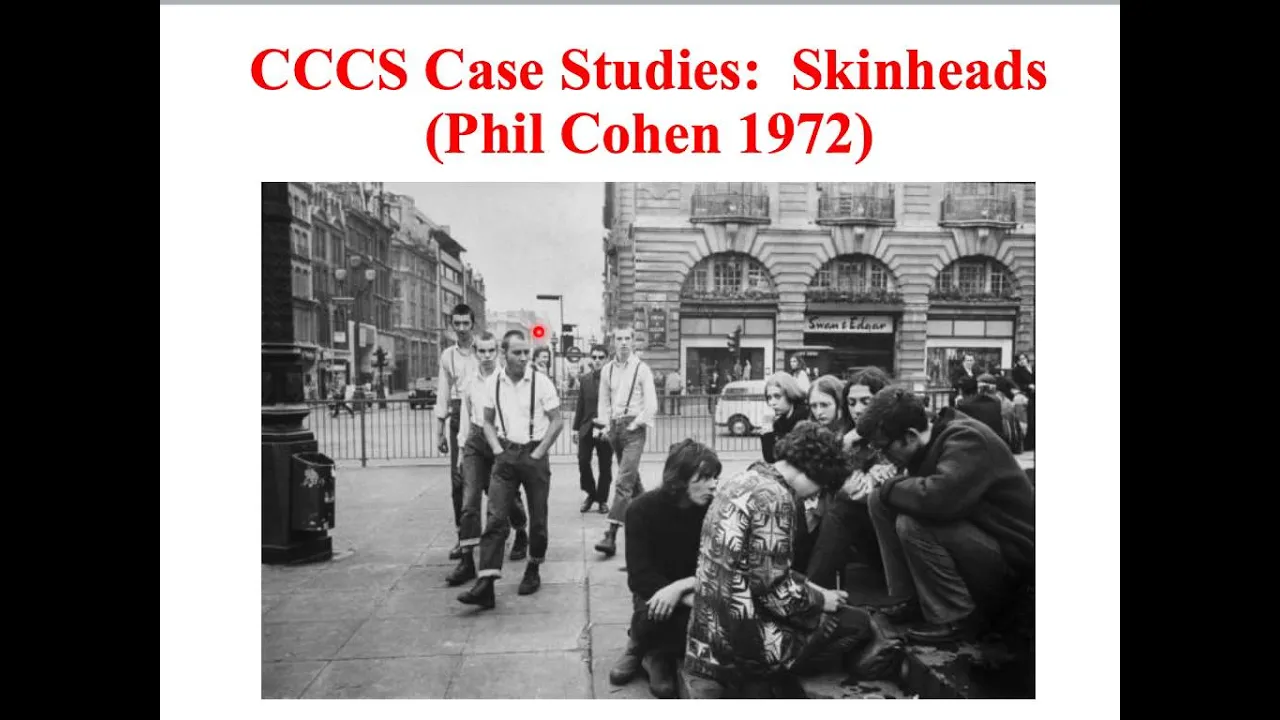
Why this video: This lecture snippet directly covers Hebdige’s concept of bricolage within youth culture. It uses the punk movement's reuse of safety pins, bin liners, and school uniforms to illustrate how working-class youth subverted ordinary commodities to generate rebellious meaning.
Why this video: A comprehensive deep-dive into Roland Barthes’ classic semiotic text, The Fashion System. It explains how garments operate as complex linguistic signs, transforming utilitarian cloth into a system of cultural symbols that convey wealth, status, gender, and rebellion.

Why this video: This academic lecture analyzes Hebdige's work in depth. It examines how youth subcultures act as "noise" in the social engine, creating spectacular style crises that disrupt dominant expectations, thereby provoking sensationalized media hysteria and public panic.

Why this video: This concise, visually focused essay connects the theoretical frameworks of semiotics and bricolage to real-world protest movements. It shows how marginalized groups throughout history have used fashion as a primary weapon of survival and identity when traditional speech was denied to them.
Knowledge Checkpoint
- What is bricolage, and can you provide a modern example of it outside of punk?
- How does a subculture achieve homology between its style and its core social struggles?
- According to Roland Barthes, how does fashion function as a semiotic language?
- Why does Hebdige refer to subcultural style as "noise"?
Module 3: Historical Case Studies of Resistant Aesthetics
This module applies the theories of semiotics, bricolage, and homology to three distinct historical subcultures:
- LGBTQ+ Ballroom Culture: Originating in Harlem among Black and Latinx queer communities, ballroom pageants allowed marginalized groups to perform social classes, genders, and identities denied to them by a white, heteronormative society.
- Early Hip-Hop Culture: Originating in the Bronx, where youth reclaimed public spaces through graffiti and rap, using heavy utility gear (e.g., boots, military fatigues) as practical, defensive urban armor.
- Punk Rock: A British and American working-class shock aesthetic designed to visibly declare economic and political hopelessness.
Recommended Videos
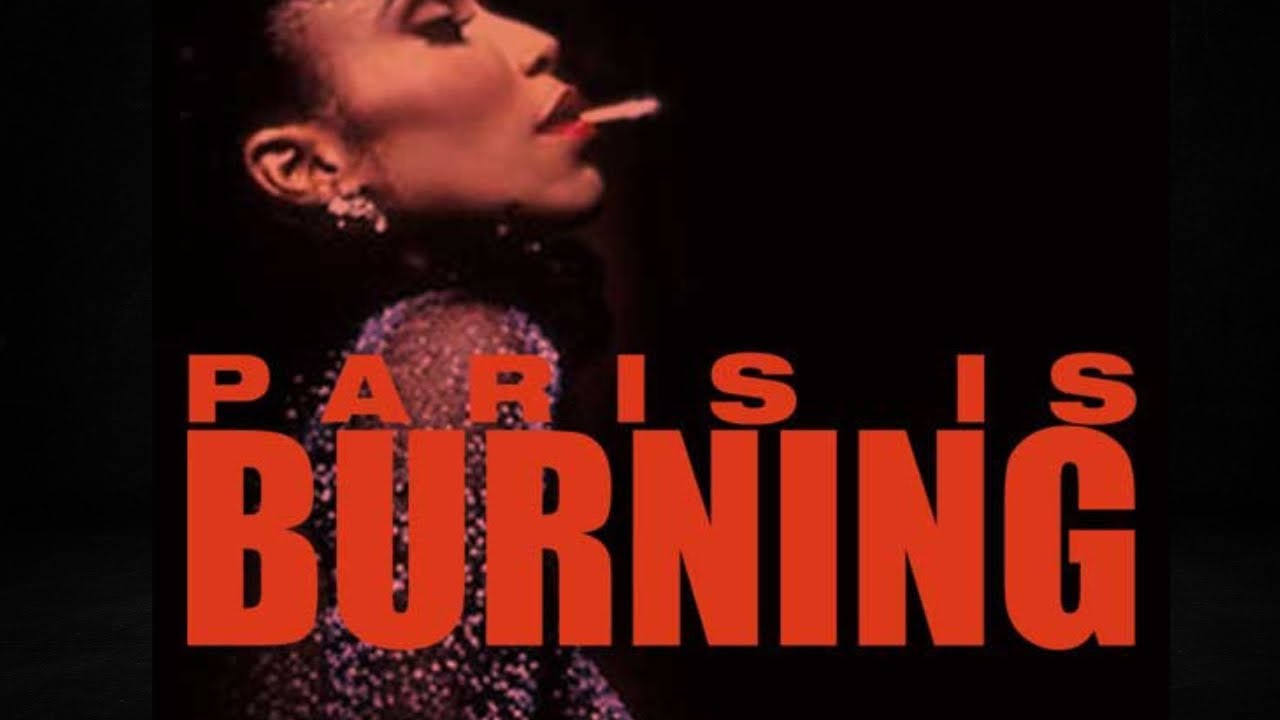
Why this video: This is the complete, landmark documentary Paris is Burning. It is the essential text for understanding 1980s New York City ballroom culture, showcasing how drag houses offered alternative familial networks, and how "categories" on the runway served as complex performances of class, race, and gender.
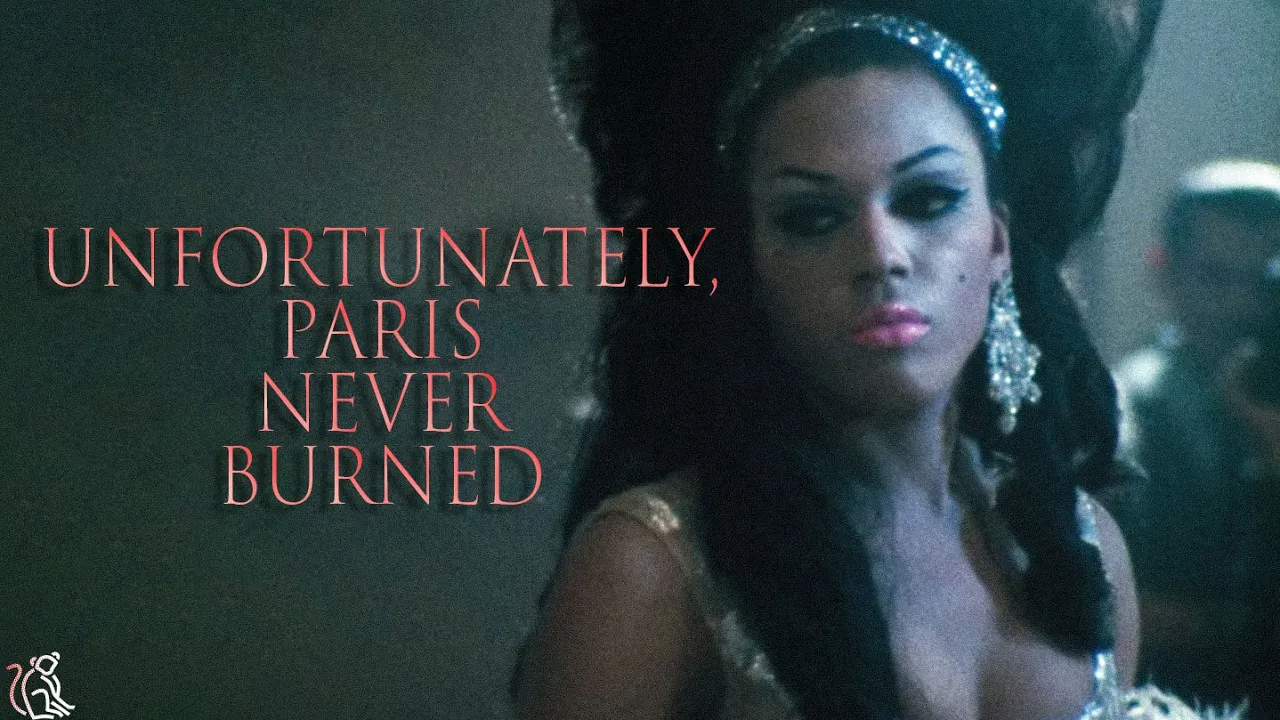
Why this video: A vital, high-level critical analysis of Paris is Burning through the lens of feminist theorist bell hooks. Hooks questions whether the runway walks were truly radical resistance or merely an internalization of dominant, white, capitalist, and heteronormative fantasies of wealth and beauty.
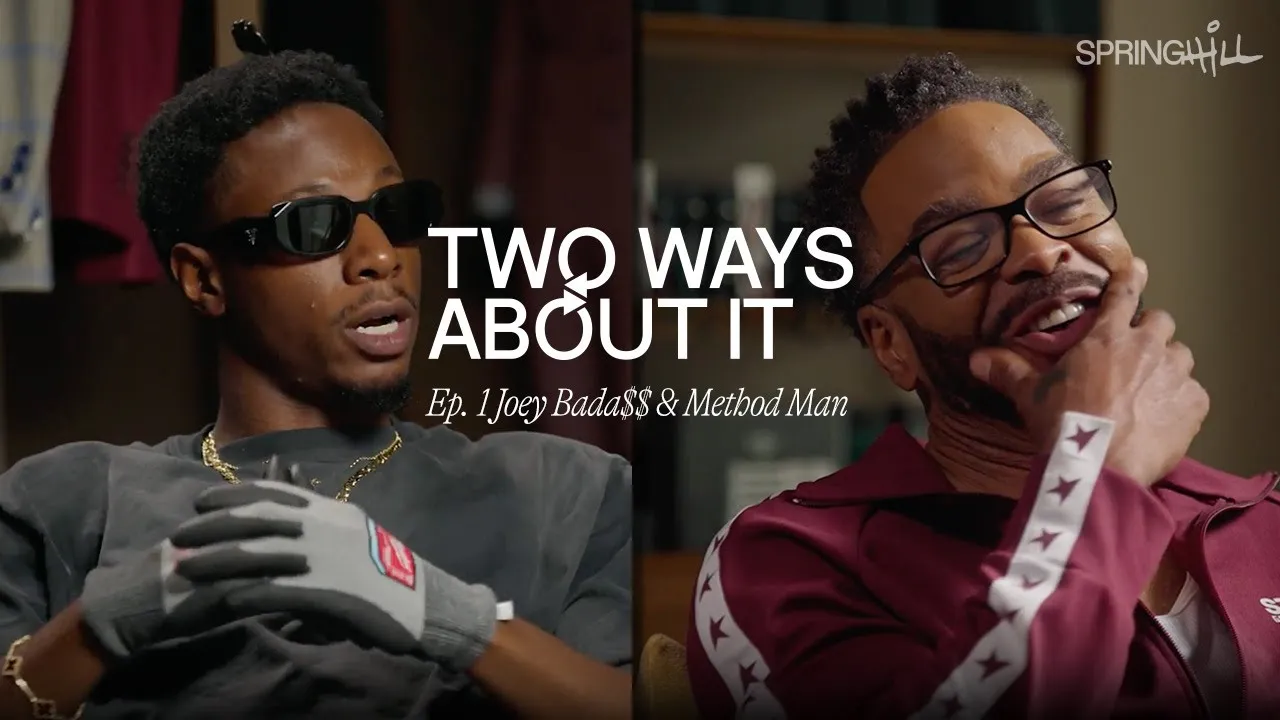
Why this video: This dialogue explores early hip-hop fashion, explaining the homological connection between urban life and style choices. The artists explain why functional garments like Timberland boots and military fatigues were adopted as defensive armor for a marginalized youth population dealing with systemic over-policing and poverty.
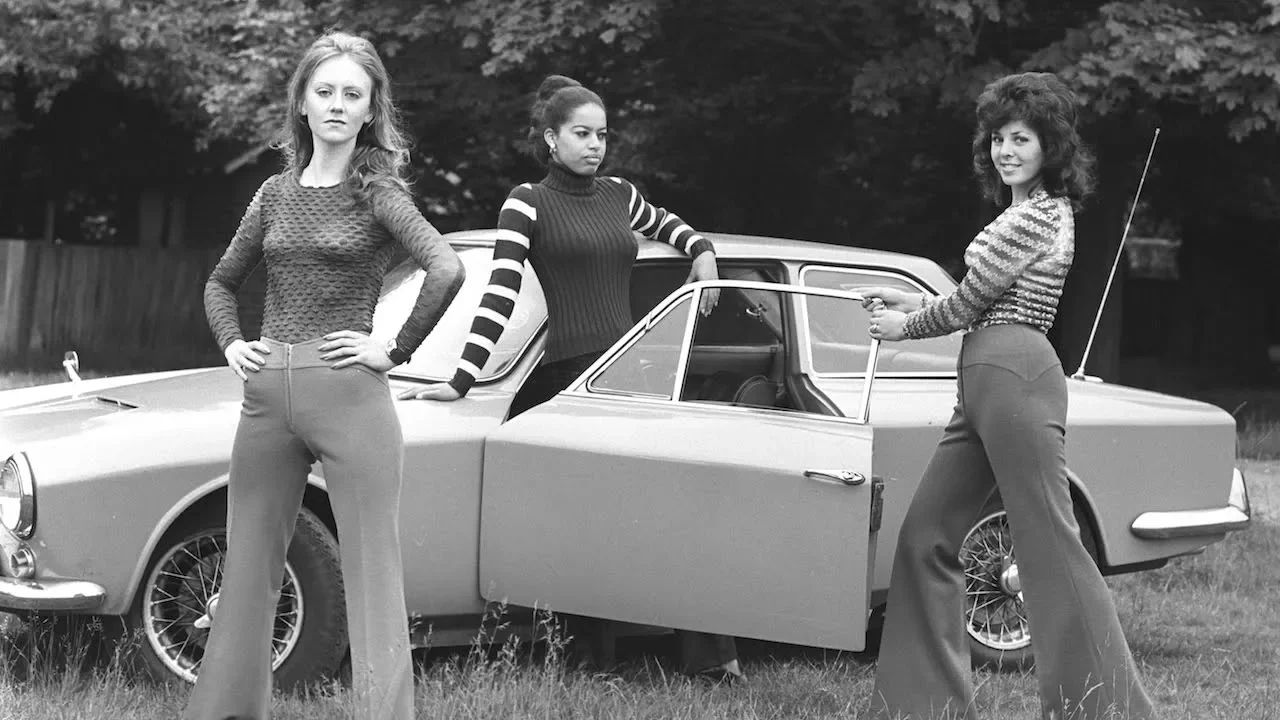
Why this video: This archival reel captures the visual shock of 1970s punk fashion. It shows how bands like the Sex Pistols and fashion designers like Vivienne Westwood weaponized trash, safety pins, and provocative slogans to create an anti-commercial subversion of mainstream culture.
Knowledge Checkpoint
- In Ballroom culture, how did the performative category of "Realness" serve as a survival strategy and a critique of dominant class and gender structures?
- According to bell hooks, what are the ideological limitations of Paris is Burning's depiction of resistance?
- How did early hip-hop artists use utility clothing (like fatigues and work boots) as a form of symbolic urban defense?
- How did 1970s punk fashion use "shock value" to express political dissatisfaction and economic exclusion?
Module 4: The Cycle of Co-optation and Recuperation
This module explores the inevitable counter-response of dominant institutions: recuperation (or co-optation). This is the process by which capitalism identifies politically threatening countercultures, strips them of their radical, anti-establishment meanings, and repackages their aesthetics as commercial goods. We will study how streetwear evolved from an underground subculture rooted in skate, surf, and hip-hop into a highly commodified, luxury-dominated market, popularized by figures like Virgil Abloh (Off-White, Louis Vuitton).
Recommended Videos
Why this video: This video introduces recuperation, explaining how dominant classes neutralize revolutionary symbols, gestures, and slogans by transforming them into marketable commodities, thereby stripping them of their original political power.
Why this video: A concise, sharp theoretical definition of how capital intercepts radical images, packages them safely, and sells them back to mainstream consumers, demonstrating that the market does not destroy rebellion; it commodifies it.
Why this video: This video traces how streetwear moved from subculture to luxury fashion. It features Virgil Abloh, founder of Off-White, explaining how he used "the readymade" (a high-art form of bricolage) to bring street aesthetics into the elite spaces of European high fashion.
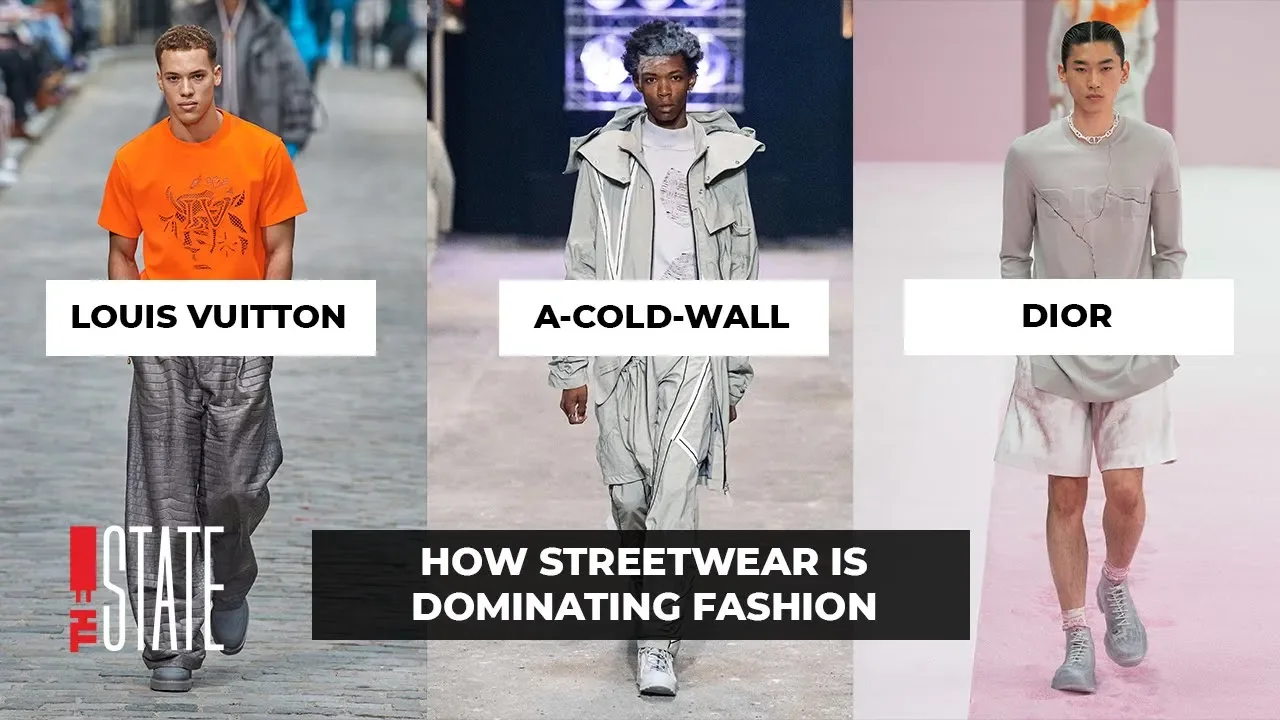
Why this video: This deep dive analyzes how the corporate fashion system swallowed streetwear. It details how "hype culture," limited product drops, and corporate acquisitions replaced authentic, community-focused countercultural expression with hyper-consumerism and brand worship.

Why this video: This critique illustrates how capitalism uses countercultural icons (such as Bob Dylan appearing in Chrysler/Victoria's Secret ads) to sell mass-produced products, demonstrating the final stage of co-optation.
Knowledge Checkpoint
- Define recuperation in your own words. How does it neutralize social protest?
- How did Virgil Abloh’s concept of "the readymade" or "3 percent rule" reflect a process of subcultural bricolage inside the luxury market?
- What structural mechanisms (such as hype, scarcity, and drops) did the fashion industry use to corporatize streetwear?
- Once a subcultural style has been successfully co-opted, can it still function as a form of symbolic resistance? Why or why not?
Module 5: Digital Subcultures and Algorithmic Co-optation
In the modern digital era, the life cycle of subcultures has accelerated rapidly. This module examines how social media platforms (specifically TikTok) and corporate algorithmic feeds have transformed localized, slow-burn subcultures into short-lived online "aesthetics" (e.g., VSCO girls, E-girls, Office Sirens). Without geographic hubs or shared material struggles, digital subcultures are immediately exposed to algorithmic commercialization. Fast-fashion empires (such as Zara, H&M, and Shein) can now detect emerging online aesthetics and produce micro-collections within weeks, shrinking the subcultural lifecycle from decades to mere months.
Recommended Videos
Why this video: This video essay directly tackles the core question of Module 5: Has the internet destroyed alternative subcultures? It analyzes how TikTok’s algorithms categorize subcultural histories and ideologies into mere aesthetic labels, detaching the style from its political roots.
Why this video: This analysis examines how the internet has eroded slow-moving countercultural movements, replacing them with algorithmically generated micro-trends. It shows how platforms like TikTok extract niche internet visual styles and rapidly feed them directly into fast-fashion production.
Why this video: This video explores how the shift from biannual fashion seasons to algorithmically driven, weekly micro-trends has produced a "personal style crisis" for youth, who now change identities and styles constantly to keep up with digital trends.

Why this video: This documentary segment illustrates the material backend of digital co-optation. It explains how ultra-fast fashion retailers have abandoned traditional seasonal production, releasing up to 52 micro-collections per year to instantly commodify online visual trends.
Knowledge Checkpoint
- How do modern internet "aesthetics" (like E-girls or Office Sirens) differ from traditional sociological "subcultures"?
- How does the TikTok algorithm accelerate the process of subcultural co-optation?
- What is a "micro-trend," and how does it drive the rapid production cycles of ultra-fast fashion retailers?
- What happens to the political or social critique of a subculture when its style is reduced to an algorithmic tag?
Course Map
This flowchart outlines the conceptual progression and video sequence recommended to master the course material.
Key People Index
- Stuart Hall (1932–2014): A foundational Jamaican-born British cultural theorist and co-founder of the Birmingham School (CCCS). He pioneered the Encoding/Decoding model, arguing that media consumption is an active, interpretative negotiation rather than a passive act of reception.
- Dick Hebdige (1947–Present): An influential British media theorist and sociologist associated with the Birmingham School. His landmark 1979 book Subculture: The Meaning of Style introduced the terms bricolage and homology to explain youth style as a structured form of symbolic rebellion against class oppression.
- Roland Barthes (1915–1980): A French semiotician and cultural critic. In The Fashion System, he analyzed how clothing acts as a complex linguistic system, showing that fashion does not just serve a functional purpose but also acts as a code that communicates social meaning.
- bell hooks (Gloria Jean Watkins, 1952–2021): A highly influential American author, feminist, and social activist. Her critical essays (specifically on ballroom culture in Paris is Burning) analyze how race, class, and gender intersect, challenging whether spectacular subcultures truly disrupt dominant social systems.
- Virgil Abloh (1980–2021): An American fashion designer and entrepreneur. He founded the luxury streetwear label Off-White and served as the artistic director of Louis Vuitton's menswear collection, illustrating how streetwear was successfully co-opted and integrated into elite luxury fashion.
Final Self-Assessment
Complete this comprehensive self-assessment to verify your mastery of the curriculum.
- Can you trace the historical shift from the Chicago School's "deviance" theories to the Birmingham School's (CCCS) view of youth style as symbolic class resistance?
- Explain how Stuart Hall’s Encoding/Decoding framework allows a subcultural group to construct an "oppositional" reading of a dominant cultural icon.
- Define bricolage and provide an example of how a subcultural group repurposed a mainstream consumer object to subvert its original meaning.
- Define homology and explain how the style of a specific historical subculture (e.g., early Hip-hop, Punk, or Ballroom) aligned with its social and material conditions.
- Contrast Roland Barthes' concept of "garment-system" (clothing as a communication system) with Hebdige's view of subcultural style as disruptive "noise."
- Explain how New York City Ballroom culture used the performance of "Realness" on the runway to negotiate systemic exclusion, poverty, and danger.
- Summarize bell hooks’ primary critique of the documentary Paris Is Burning.
- Explain the theoretical concept of recuperation and how capitalism converts anti-establishment rebellion into profitable consumer items.
- Outline the historical process by which underground urban streetwear became a luxury fashion product, citing Virgil Abloh's work at Off-White or Louis Vuitton.
- Explain how modern online "aesthetics" on social media platforms (such as TikTok) differ from traditional geographic subcultures in terms of community, timeline, and ideological resistance.
- Describe how ultra-fast fashion retailers utilize online micro-trends to shorten the classic countercultural trend cycle.