Japonisme: Ukiyo-e Impact on French Art
Learning Goal: Analyze the visual and thematic influence of 19th-century Japanese Ukiyo-e woodblock prints on the French Impressionist and Post-Impressionist movements.
- Prerequisites: No prior art history knowledge is required, though a basic familiarity with European painting styles is helpful.
- Estimated Study Time: 9 Hours
Module 1: Foundations of Ukiyo-e: Japan's Floating World
Understand the history, cultural context, and complex production techniques of Japanese woodblock prints (Ukiyo-e) during the Edo period. Before exploring how these prints revolutionized Western art, you must master how they were made and what they originally represented within Japanese society.
Recommended Videos

Why this video: This extensive lecture from the Museum of Fine Arts, Boston, offers an unparalleled deep dive into how Ukiyo-e prints evolved from Buddhist manuscript illustrations into a commercial, highly sophisticated art form during the Edo period. It provides the historical foundations essential for understanding the thematic shifts (from religious to secular "floating world" subjects) that later captivated European artists.
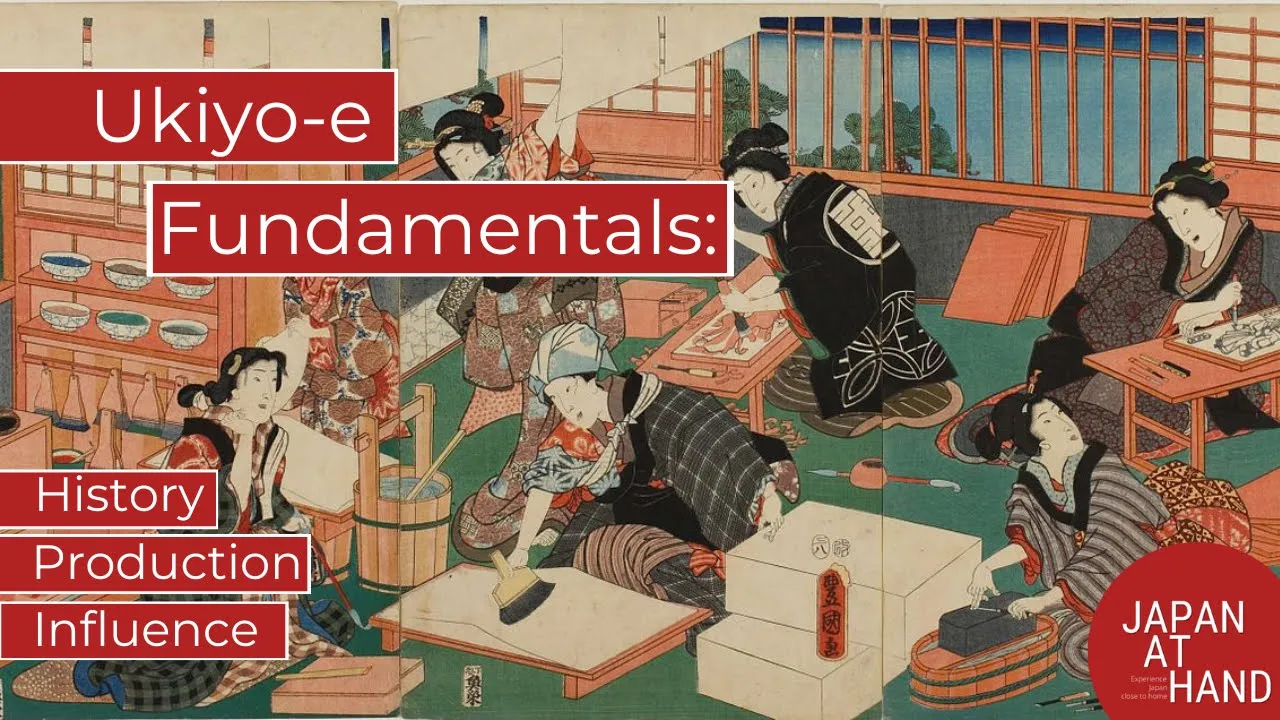
Why this video: This video serves as an accessible structural overview of Ukiyo-e. It highlights the peaceful Edo period's socioeconomic conditions which allowed these prints to flourish and introduces their defining visual characteristics: bold colors, clear shapes, and unconventional perspective choices.
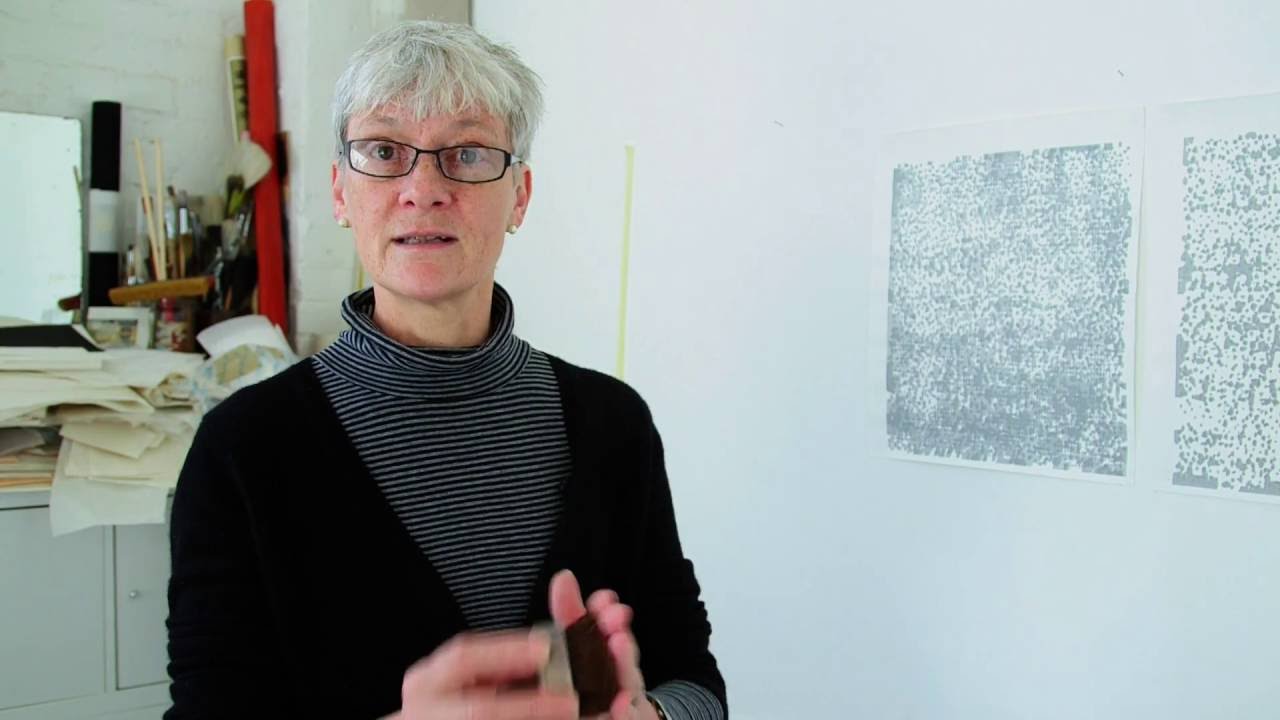
Why this video: Rebecca Salter RA breaks down the collaborative workflow of Ukiyo-e creation. You will learn that a single print was not the work of a lone artist, but rather a complex, synchronized production system involving a publisher, designer, master carver, and master printer. Understanding this technical process clarifies why Ukiyo-e designs feature such distinct line work and clean registration.
Module 1 Knowledge Check
- Explain what the term "Ukiyo-e" literally means and what societal changes in Edo-period Japan it represented.
- List the four key participants in the traditional collaborative woodblock print production system.
- Describe the primary difference between how ink was applied in Japanese printmaking (manual rubbing using a baren) versus Western printing presses.
Module 2: The Opening of Japan and the Rise of Japonisme
Examine how the opening of Japanese trade ports in the 1850s ended over two centuries of isolation (sakoku), initiating a massive influx of Japanese aesthetic goods into Western Europe and sparking the phenomenon known as Japonisme in Parisian artistic circles.
Recommended Videos

Why this video: To understand the explosive impact of Japanese art's arrival in the West, you must first understand the depth of Japan's isolation. This documentary provides the geopolitical backstory of Japan's sakoku policy, foreign relations, and the sudden shift that occurred when Western powers forced open its borders.

Why this video: Dr. Rachel Saunders introduces the term "Japonisme" (coined by French critic Philippe Burty in 1872). She discusses the initial waves of Western enthusiasm for Japanese lacquers, prints, and ceramics, and explains how this cross-cultural encounter reframed Western art.
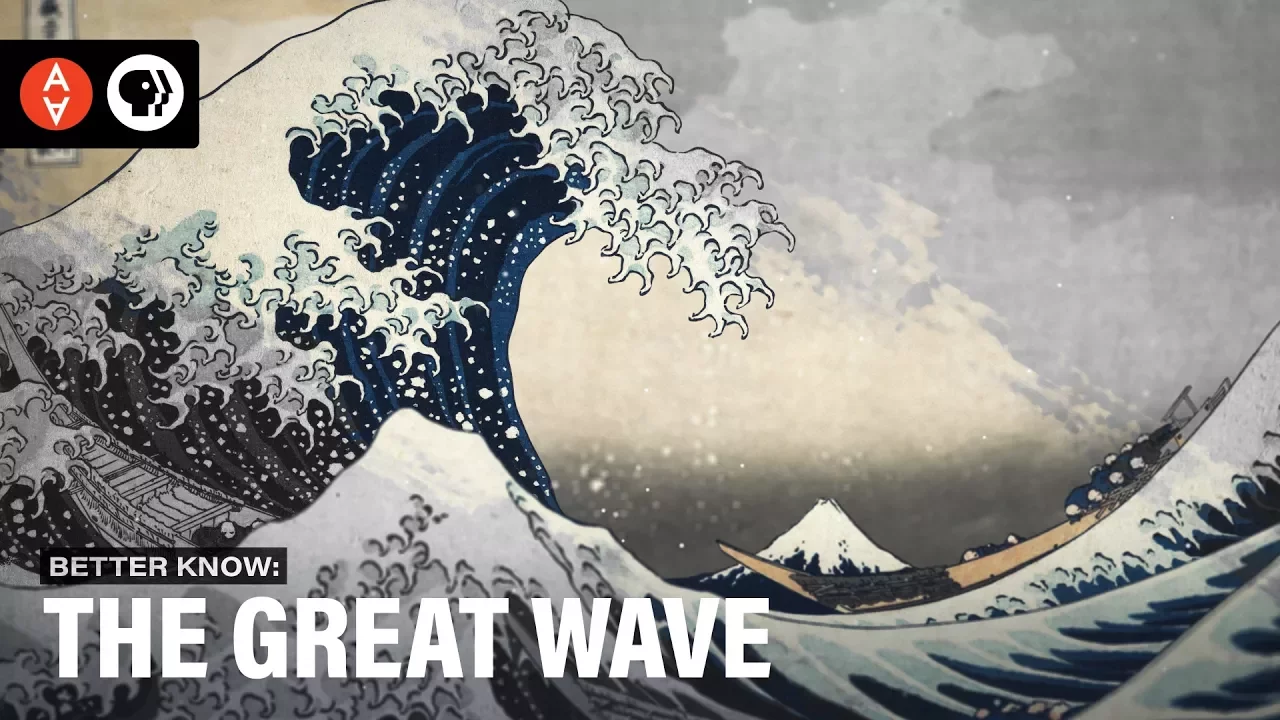
Why this video: This video highlights Katsushika Hokusai's iconic masterwork and documents how, following the opening of Japanese ports, his prints were shown at the 1867 International Exposition in Paris. This presentation was a key historical catalyst that made Japanese aesthetics the height of fashion among French art circles.
Study Note: Addressing Curricular Gaps
While our video selection establishes the historical context of trade and the term's origin, video documentation of the physical Parisian import boutiques (such as Madame Desoye’s shop or Siegfried Bing's gallery) and specific displays at the 1867 Paris World Exposition is relatively scarce.
- To deepen your understanding, search independently for: "1867 Paris World Exposition Japonisme pavilion displays" and "Siegfried Bing Le Japon Artistique salon impact".
Module 2 Knowledge Check
- Define the term Japonisme and identify the French art critic who coined it in 1872.
- Identify the historical geopolitical event in 1853–1854 that ended Japan's period of isolation and facilitated the flow of prints into France.
- Explain the significance of the 1867 Paris World Exposition in introducing Ukiyo-e masterworks to the European public.
Module 3: Visual Revolution: Challenging Western Academic Art
Analyze how Ukiyo-e's unique artistic conventions—such as flat color fields, dramatic cropping, high vantage points, and asymmetric compositions—directly challenged and overturned the centuries-old rules of Western academic painting.
Recommended Videos
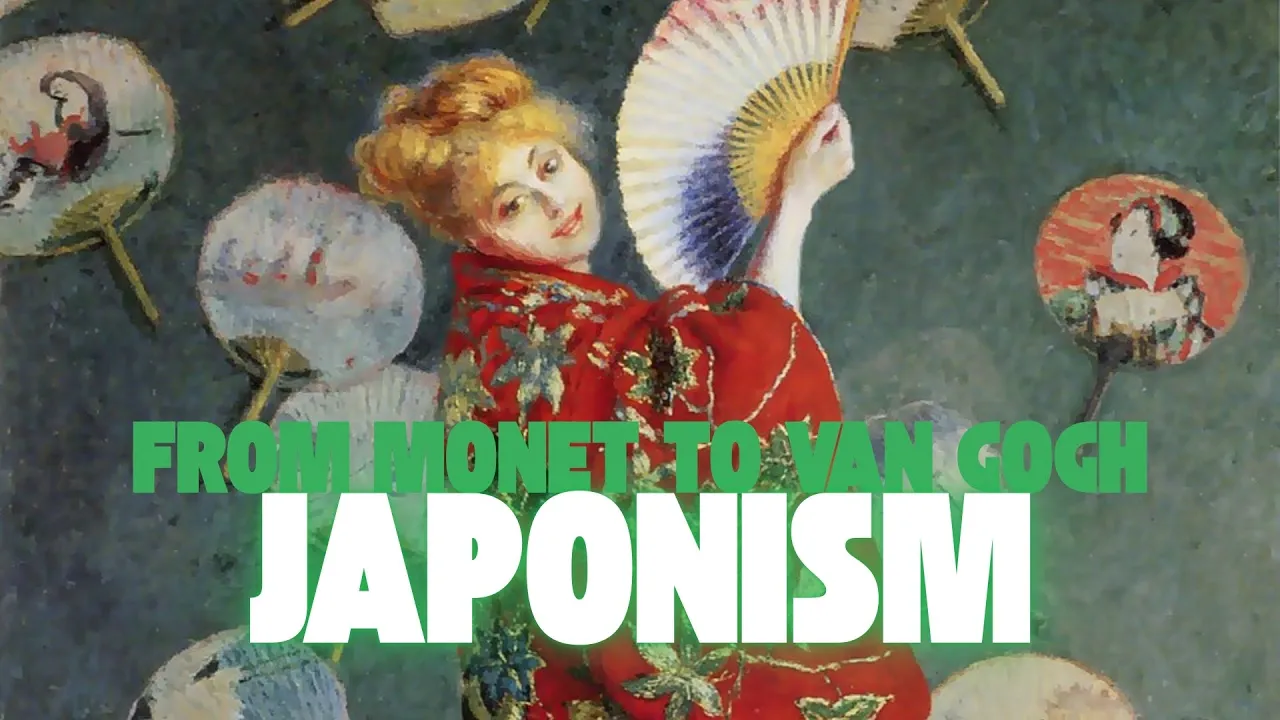
Why this video: This concise explainer illustrates the direct visual contrasts between traditional Western academic realism and the fresh pictorial language of Ukiyo-e. It highlights the aesthetic principles that excited 19th-century French painters: flat planes of color, bold decorative patterns, and a complete dismissal of standard shadow modeling.

Why this video: Philippe de Montebello, former director of the Metropolitan Museum of Art, explains how the discovery of Japanese prints provided Impressionists with an alternative method of representing space. Specifically, he discusses the use of a rising upward perspective and broad color planes, contrasting this with classical Western single-point linear perspective.

Why this video: This video explores composition through shapes and the mechanics of cropping. While not exclusively focused on Japan, it teaches you to analyze how modern painters select and "crop" specific segments of a landscape rather than painting an all-inclusive panoramic view—a structural visual strategy directly learned from Ukiyo-e masters like Hiroshige.
Study Note: Addressing Curricular Gaps
To truly master the theoretical split between the Western Academic tradition (relying on chiaroscuro, anatomical perfection, and receding linear perspective) and Japanese Ukiyo-e (relying on notan—the balance of light and dark, flat graphic shapes, and outlines), you should supplement your viewing with targeted image comparisons.
- To deepen your understanding, search independently for: "Ukiyo-e flat color fields vs academic chiaroscuro" and "Japanese print composition asymmetry and negative space".
Module 3 Knowledge Check
- Contrast how space is represented in traditional Western linear perspective versus the "rising perspective" commonly found in Ukiyo-e prints.
- Explain how the concept of notan (the balance of light and dark shapes) differs from the Western academic technique of chiaroscuro.
- Describe how dramatic cropping changes the viewer’s relationship to the subject matter in a painting.
Module 4: Impressionism and the Japanese Eye: Monet & Degas
Investigate how key Impressionists integrated Japanese compositional structures, cropping, and horticultural subject matter into their work. This module focuses on Claude Monet’s construction of his Giverny garden and Edgar Degas’ radical re-framing of the human figure.
Recommended Videos

Why this video: This short segment analyzes how Edgar Degas incorporated Ukiyo-e-style cropping into his compositions. By examining works like A Carriage at the Races, the video explains how Degas intentionally sliced off figures and horses at the edges of the canvas to evoke a sense of immediacy and asymmetrical balance.

Why this video: This guided tour highlights Claude Monet's Water Lilies series. It details his transition to Giverny in 1883 and explains how he structurally redesigned his landscape with a pond and a Japanese wooden bridge, creating a physical Japanese print environment to paint en plein air.

Why this video: A comprehensive video tour of Monet’s preserved estate in Giverny. Crucially, this tour walks viewers through Monet's home, showing the extensive collection of original Japanese woodblock prints that covered his walls, illustrating the daily visual environment that shaped his late career.
Study Note: Addressing Curricular Gaps
While Giverny tours show Monet's visual environment, we suggest further independent research to explore how Degas’ ballet paintings structurally mirror Hokusai’s Manga sketches of human figures in terms of bodily contortion, negative space, and off-center placement.
- To deepen your understanding, search independently for: "Edgar Degas ballet dancers and Hokusai Manga comparison" and "Claude Monet's Japanese print collection Giverny house analysis".
Module 4 Knowledge Check
- How did Edgar Degas apply Japanese-inspired cropping to his painting A Carriage at the Races?
- Describe the physical landscape changes Claude Monet made to his property in Giverny to reflect Japanese design principles.
- Approximately how many Japanese prints did Claude Monet accumulate in his personal collection at Giverny?
Module 5: Post-Impressionism: Van Gogh, Gauguin, and Lautrec
Explore the deeper thematic, emotional, and graphic adoption of Japanese prints by Post-Impressionist artists. Analyze Vincent van Gogh's direct painted copies of Hiroshige, Paul Gauguin’s flattened color fields, and Henri de Toulouse-Lautrec's revolution in modern poster design.
Recommended Videos
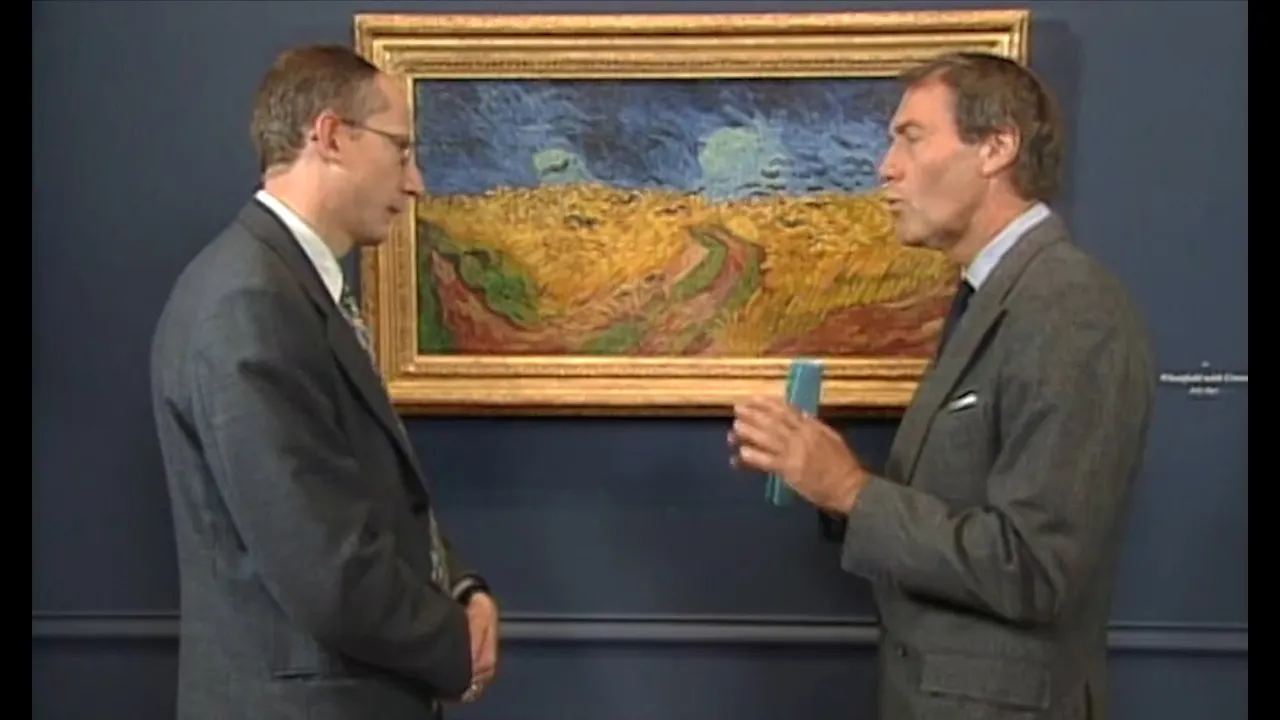
Why this video: Led by art historian John Leighton, this museum tour explores how Japanese prints served as a profound source of renewal for Vincent van Gogh when he felt stifled by Western academic painting. Leighton details Van Gogh's admiration for Ukiyo-e's "simplicity and directness" and points to works where Van Gogh directly adapted these visual tools.
Why this video: Renowned art critic Waldemar Januszczak traces the exact history of Van Gogh's encounter with Ukiyo-e in Paris. He explains how Vincent bought hundreds of prints from Siegfried Bing’s shop, pinned them to his studio walls, and painted exact copies of Hiroshige’s prints to internalize their vibrant colors and simplified compositions.
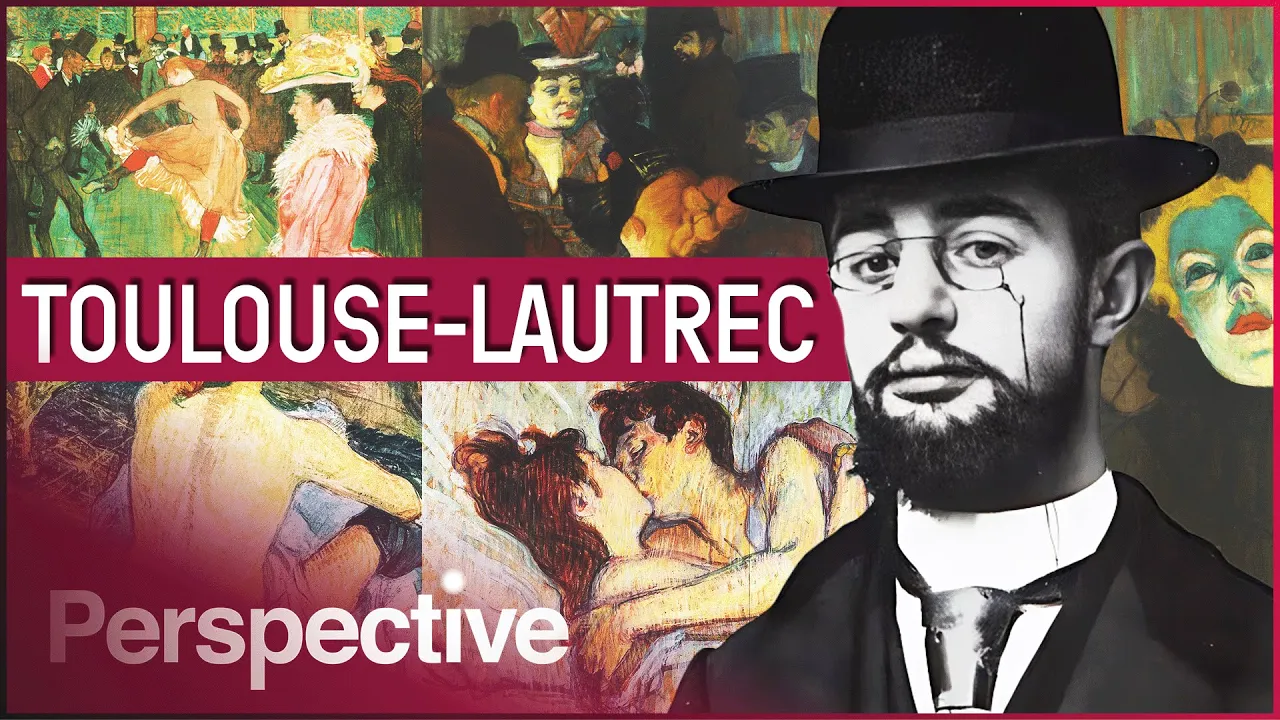
Why this video: This documentary shows how Henri de Toulouse-Lautrec’s signature graphic posters of Montmartre nightlife were shaped by his encounter with Japanese prints. It analyzes his use of flat areas of unshaded color outlined in bold black lines, silhouette-heavy figures, and dynamic, hand-lettered text integrated into the composition.
Study Note: Addressing Curricular Gaps
To maximize the value of this module, conduct a side-by-side visual analysis of Van Gogh's copies alongside Hiroshige’s original prints. Specifically, examine how Van Gogh translated the woodblock medium into oil paint, adding decorative Japanese characters along his canvas borders.
- To deepen your understanding, search independently for: "Van Gogh Bridge in the Rain vs Hiroshige Sudden Shower over Shin-Ohashi" and "Van Gogh Courtesan after Keisai Eisen comparison".
Module 5 Knowledge Check
- Name the Japanese print dealer in Paris from whom Vincent van Gogh acquired hundreds of woodblock prints.
- Identify two specific prints by Utagawa Hiroshige that Vincent van Gogh painted direct copies of in oil.
- How did Toulouse-Lautrec adapt the flat color fields and black outlines of Ukiyo-e to the medium of lithographic poster design?
Module 6: Synthesis and Legacy: How Ukiyo-e Shaped Modernism
Synthesize your understanding by tracing the evolutionary line from Edo-period Ukiyo-e to French Modernism. Analyze how this East-to-West exchange laid the groundwork for early 20th-century movements like Art Nouveau, Fauvism, and modern graphic design.
Recommended Videos
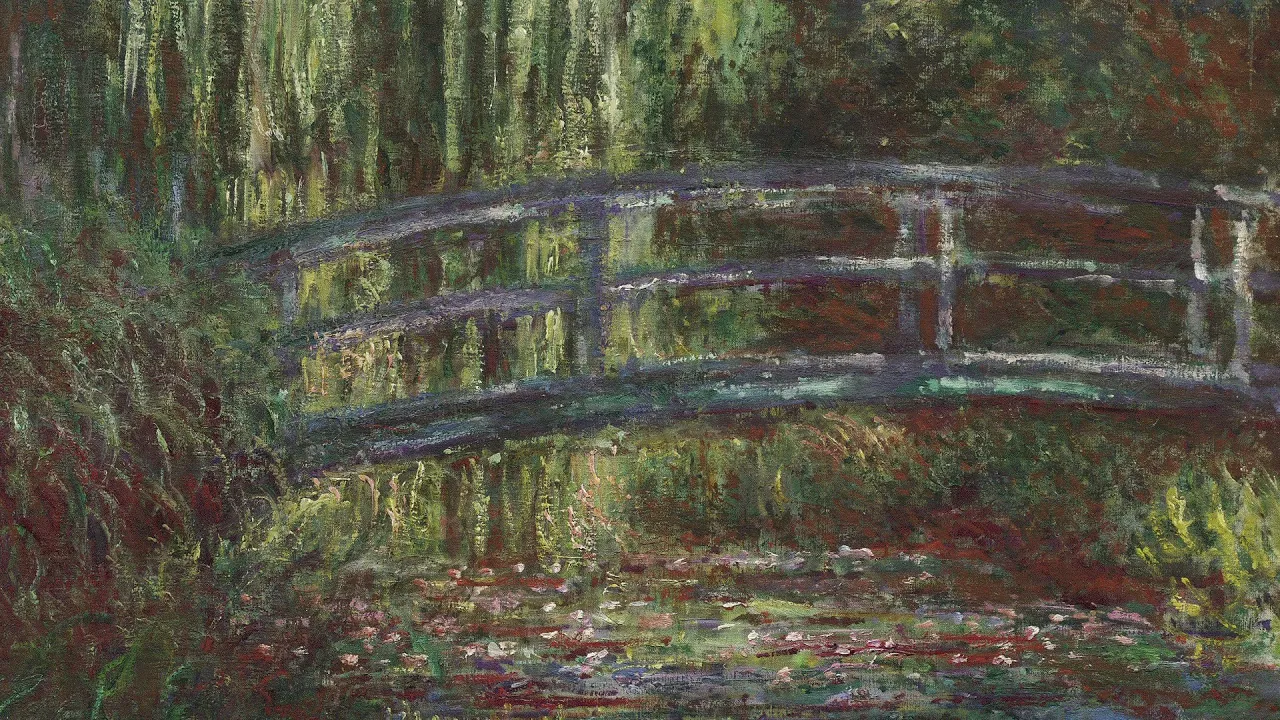
Why this video: This exhibition video from the Asian Art Museum serves as an ideal synthesis lecture. It places Japanese masterpieces side-by-side with Western oil paintings, tracking how concepts of landscape, portraiture, and domestic life were transformed by this cross-cultural dialogue.
Why this video: This academic lecture by eminent art historian Kirk Varnedoe adds critical nuance to your synthesis. Varnedoe challenges the simplistic narrative that Western artists merely "copied" Japan. He argues that French artists had already begun moving toward abstraction, and Japanese art served as a catalyst that validated and accelerated their visual experiments.

Why this video: This video explores the shifting global valuation of Ukiyo-e. In Edo Japan, these prints were often treated as cheap, disposable commercial ephemera (even used as packing material for ceramics). However, after being collected and elevated by French modernists, they were re-imported to Japan and recognized globally as masterworks.
Study Note: Addressing Curricular Gaps
To complete your study of Japonisme’s legacy, explore how the organic, flowing line work of Ukiyo-e directly inspired the whiplash curves and floral motifs of the Art Nouveau movement in Europe.
- To deepen your understanding, search independently for: "Ukiyo-e influence on Art Nouveau graphic design" and "Aubrey Beardsley woodblock print aesthetic".
Module 6 Knowledge Check
- Summarize Kirk Varnedoe’s argument regarding whether Western artists simply "copied" Japanese prints.
- Explain how the domestic valuation of Ukiyo-e within Japan changed after the rise of Japonisme in Europe.
- Identify two 20th-century Western art movements (beyond Impressionism and Post-Impressionism) that show a clear stylistic lineage back to Japanese aesthetics.
Course Map
Key People Index
19th-Century Japanese Masters
- Katsushika Hokusai (1760–1849): The legendary printmaker of the Edo period. Famous for The Great Wave off Kanagawa and his multi-volume Manga sketchbooks, his work was central to the early French fascination with Japanese art.
- Utagawa Hiroshige (1797–1858): A master landscape artist known for One Hundred Famous Views of Edo. His bold use of color, vertical compositions, and dramatic atmospheric effects deeply influenced Vincent van Gogh.
French and Western Artists
- Claude Monet (1840–1926): A pioneer of French Impressionism. He collected Japanese prints and incorporated their aesthetic structures directly into his garden at Giverny.
- Edgar Degas (1834–1917): An Impressionist painter and sculptor who drew on Ukiyo-e visual structures—specifically asymmetrical layouts and radical figure-cropping.
- Vincent van Gogh (1853–1890): A Post-Impressionist master who collected hundreds of Japanese woodblock prints, painted direct copies of Hiroshige's prints, and used Ukiyo-e flat colors to express emotion.
- Henri de Toulouse-Lautrec (1864–1901): A graphic designer and painter who adapted Ukiyo-e outline work and flat color blocks to create the modern advertising poster.
Historians, Curators, and Dealers
- Siegfried Bing (1838–1905): An influential German-French art dealer whose gallery in Paris served as the primary commercial hub for Japanese art imports.
- Philippe Burty (1830–1890): The French art critic who coined the term Japonisme in 1872.
- Dr. Rachel Saunders: Curator of Asian Art at the Harvard Art Museums.
- Kirk Varnedoe (1946–2003): Renowned art historian and former Chief Curator of Painting and Sculpture at MoMA.
Final Self-Assessment
Test your understanding of the relationship between 19th-century Japanese prints and French modern art by answering this self-assessment:
- Can you describe the division of labor in traditional Japanese printmaking (Publisher, Artist, Carver, Printer)?
- Can you define the historical term sakoku and explain how its end led to the rise of Japonisme?
- What role did the 1867 Paris International Exposition play in popularizing Japanese woodblock prints in France?
- How does Ukiyo-e's "rising perspective" challenge Western single-point linear perspective?
- What is notan, and how did French artists use it to move away from academic chiaroscuro shading?
- Can you name two specific visual characteristics of Ukiyo-e that Edgar Degas adopted in his paintings of modern life?
- How did Claude Monet integrate Japanese prints into both his house and his garden at Giverny?
- Why did Vincent van Gogh copy Hiroshige's prints, and how did this practice affect his personal painting style?
- How did Toulouse-Lautrec use flat colors and bold outlines to change modern poster design?
- Explain Kirk Varnedoe's thesis on whether Japanese prints "caused" French modernism or simply acted as a catalyst for existing trends.