Archaea: Metabolism, Extremophiles & Adaptation
Learning Goal: Evaluate the metabolic diversity of extremophilic Archaea, focusing on methanogenesis, sulfur metabolism, and molecular adaptations to extreme heat and salinity.
- Prerequisites: Basic high school level biology and introductory organic chemistry.
- Estimated Total Study Time: 23 Hours
Module 1: Foundations of Microbiology: Archaea vs. Bacteria & Eukaryotes
In this module, you will build the foundational evolutionary and structural understanding of the domain Archaea. You will investigate the historical work of Carl Woese in establishing the three domains of life using ribosomal RNA sequencing, distinguish key physical differences in cell wall and membrane composition between Archaea and Bacteria, and examine the Asgard Archaea lineage, which represents the direct evolutionary bridge to Eukaryotes.
Recommended Videos

- Why this video: This video provides an essential biochemical breakdown of the three domains of life. It highlights the structural differences in cellular membranes and peptidoglycan content, showing why Archaea were separated from Bacteria despite their superficial structural similarities.
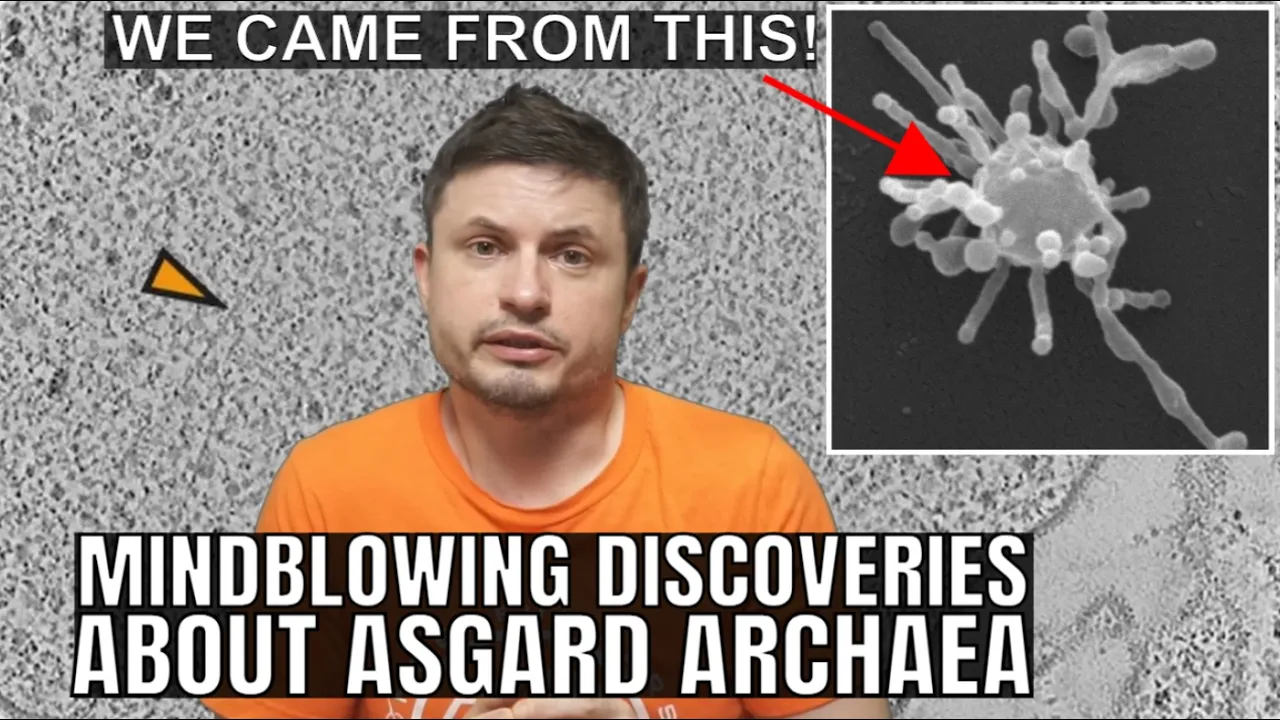
- Why this video: Understanding our own evolutionary origins is crucial. This video explains the groundbreaking discovery of Asgard Archaea (found near deep-sea hydrothermal vents) and the identification of eukaryotic signature proteins, which fundamentally transformed the tree of life models.
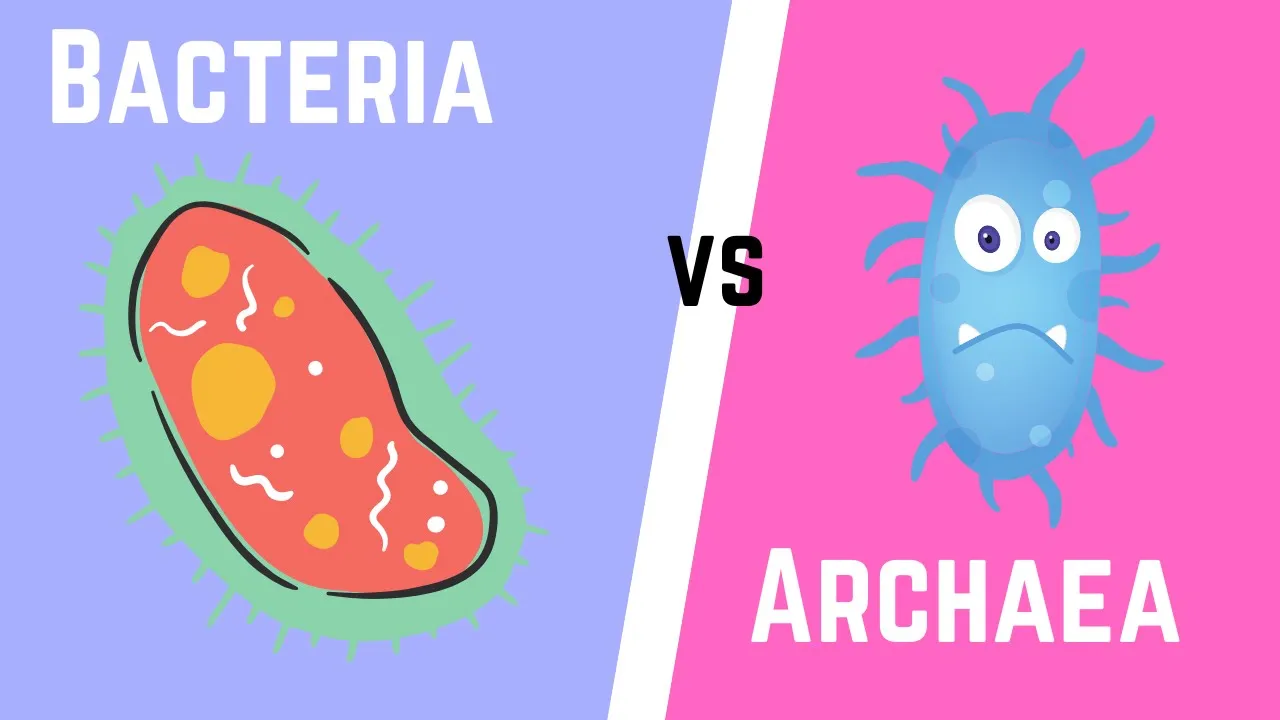
- Why this video: This brief, highly visual comparative summary serves as an excellent reference tool to quickly clarify and review the structural and environmental differences between Bacteria and Archaea.
Knowledge Checkpoint
- Explain how Carl Woese used 16S ribosomal RNA sequencing to redefine the tree of life into three domains.
- List two fundamental biochemical differences between the cell walls and membranes of Bacteria and Archaea.
- Describe the evolutionary significance of Asgard Archaea and explain how their genomic profiles link prokaryotes to eukaryotic intracellular complexes.
Module 2: Cellular Metabolism & Energy Conservation
This module establishes the thermodynamics of bioenergetics. You will evaluate how living systems construct and maintain proton gradients to drive ATP synthase, contrasting standard aerobic respiration with chemolithotrophy—the capacity to harvest energy strictly from inorganic electron donors and acceptors.
Recommended Videos

- Why this video: A comprehensive, academic lecture classifying prokaryotic metabolisms. It guides you systematically through energy and carbon acquisition terminology (chemotrophs, phototrophs, autotrophs, heterotrophs), which is crucial for studying extremophiles.
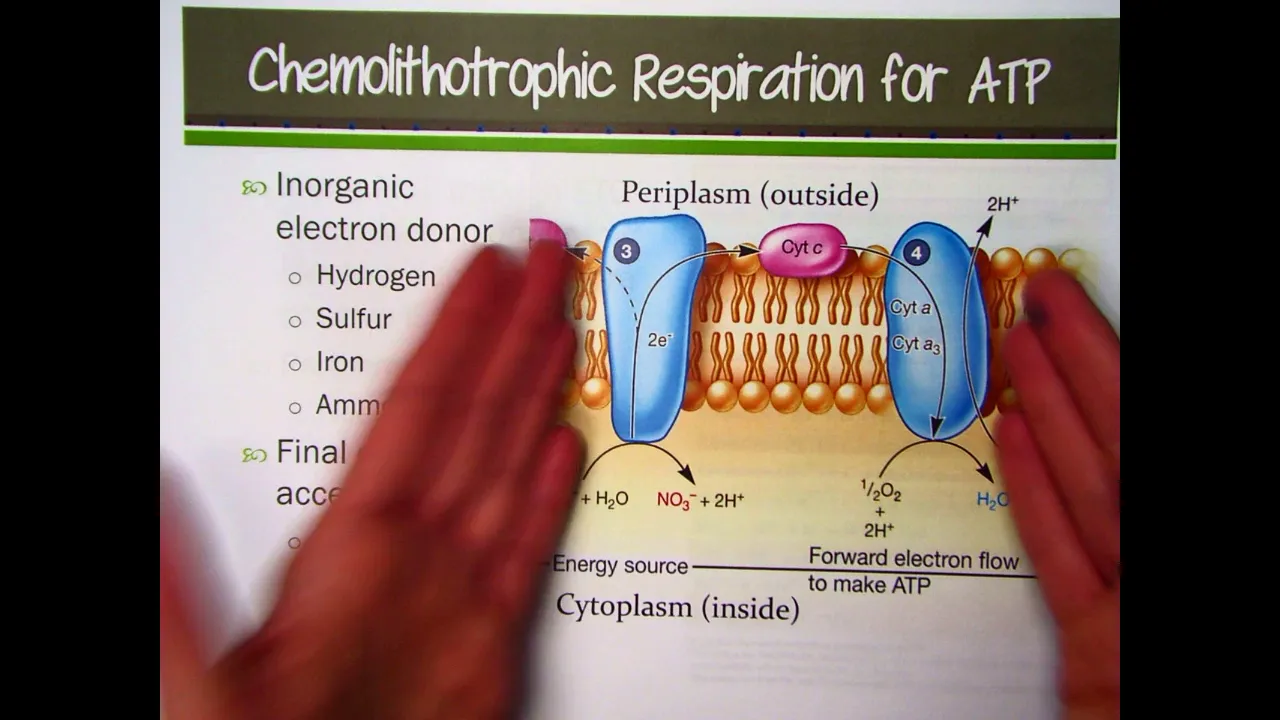
- Why this video: Focuses explicitly on inorganic metabolic pathways. This video clarifies how electrons are stripped from substrates like sulfur, iron, and nitrate, bypassing traditional glycolysis and Krebs cycle catabolism to directly feed the electron transport chain.
- Why this video: Provides a highly engaging refresher on cell respiration, glycolysis, the citric acid cycle, and oxidative phosphorylation. It provides the reference frame against which archaeal specialized metabolic variations can be evaluated.
Knowledge Checkpoint
- Differentiate between chemoorganotrophy and chemolithotrophy regarding electron donor sources.
- Explain how a proton motive force drives the rotational catalysis of ATP Synthase ( complex).
- Map out how prokaryotes utilize inorganic compounds (e.g., hydrogen sulfide, ammonia) as fuel for cellular respiration.
Module 3: Methanogenesis: The Archaeal Specialty
Methanogenesis is a metabolic pathway strictly unique to the domain Archaea. This module covers the bioenergetics of methane production from carbon dioxide and hydrogen, focusing on the specialized coenzymes that make this pathway possible.
⚠️ Curriculum Note: The video library contains introductory concepts and general biological workflows of methanogenesis. However, it lacks deep-dive molecular mechanism animations for specialized coenzymes like Coenzyme M (CoM), Coenzyme B (CoB), and .
Independent Study Recommendation: To fully master the biochemistry, supplement this module by searching academic resources for: "Methanogenesis pathway biochemistry coenzyme M coenzyme B".
Recommended Videos

- Why this video: This lecture serves as an ideal structural overview, defining methanogenesis, classifying the microenvironments where methanogenic archaea thrive (anaerobic wetlands, intestinal tracts), and detailing its global ecological footprint.

- Why this video: Dr. Buan explains how methanogens manipulate redox chemistry. It provides an excellent transition into biochemistry, detailing how Coenzyme M is structurally conjugated to substrates to guide electron transport.
- Why this video: Professor Nick Lane unpacks how early primordial organisms utilized simple chemical gradients ( and ) to construct ancient energy conservation systems, highlighting the prebiotic evolution of methanogenesis.
Knowledge Checkpoint
- Write the simplified chemical equation for hydrogenotrophic methanogenesis.
- Explain why methanogenesis is restricted to strictly anaerobic environments.
- Describe the function of Coenzyme M and Coenzyme B in the terminal step of methane formation.
- Compare the ATP yield of methanogenesis with that of aerobic cellular respiration.
Module 4: Sulfur Metabolism in Extremophiles
Hydrothermal vents and volcanic hot springs are rich in reduced and oxidized sulfur compounds. This module explores how archaeal thermoacidophiles like Sulfolobus exploit these compounds for chemolithotrophic growth.
⚠️ Curriculum Note: Because specific videos focusing on archaeal sulfur biochemistry (such as the detailed oxidation mechanics of Sulfolobus acidocaldarius) are absent from the video pool, we use models of bacterial sulfur-oxidizers (like Beggiatoa) to study the broad principles of chemolithotrophic sulfur cycling.
Independent Study Recommendation: Supplement your understanding of specialized archaeal systems by searching: "Sulfolobus sulfur metabolism oxidation biochemistry".
Recommended Videos

- Why this video: Highly educational breakdown of Sergei Winogradsky's discovery of chemolithotrophy. It details how cells process toxic hydrogen sulfide (), store it intracellularly as elemental sulfur granules, and oxidize it to drive energy synthesis.
- Why this video: Dr. Lynn Margulis touches upon the ancient origins of sulfur metabolism in Archaea, explaining how primordial thermal-resistant organisms utilized early Earth's abundant sulfur pools.
- Why this video: A short summary demonstrating the ecological role of hydrothermal vent sulfur-oxidizing microbes, showing how they convert toxic tectonic chemical outputs into biological energy that supports deep-sea ecosystems.
Knowledge Checkpoint
- Describe the chemical transition states as hydrogen sulfide () is oxidized to elemental sulfur () and ultimately to sulfate ().
- Explain how sulfur-oxidizing acidophiles can survive and thrive in environments with a pH below 2.0.
- Define the symbiotic role of sulfur chemolithotrophs in deep-sea hydrothermal communities.
Module 5: Molecular Adaptations to Extreme Heat
To survive in hyperthermophilic zones (exceeding 80°C and sometimes 100°C), cellular components must adapt to avoid denaturation. This module covers how hyperthermophilic Archaea stabilize their membranes via ether-linked tetraether lipid monolayers, and protect their genomic integrity through the action of reverse gyrase.
Recommended Videos
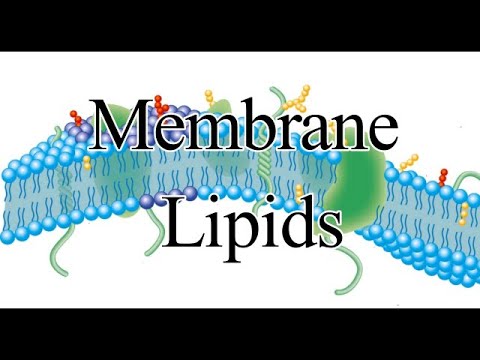
- Why this video: This video focuses on membrane biochemistry. It systematically compares the ester linkages and fatty acid bilayers of bacteria with the ether linkages and unique glycerol dialkyl glycerol tetraether (GDGT) monolayers of Archaea, explaining how monolayers prevent membrane peeling at boiling temperatures.

- Why this video: Explains the physical challenges DNA faces at high temperatures. Using Sulfolobus as a primary model, it describes how hyperthermophiles maintain structural genomic stability under conditions that would denature standard double helices.

- Why this video: A short, high-fidelity molecular animation showing how reverse DNA gyrase functions. It visually demonstrates the mechanism of positive supercoiling, showing how it structurally locks the DNA double helix together to prevent heat-induced melting.
Knowledge Checkpoint
- Contrast ester-linked diacylglycerol bilayers (Bacteria/Eukaryotes) with ether-linked tetraether monolayers (Archaea) in terms of thermal stability and chemical resilience.
- Explain how reverse DNA gyrase differs from standard topoisomerases, and describe how positive supercoiling stabilizes DNA at high temperatures.
- Define how hyperthermophilic proteins prevent heat-induced unfolding (denaturation) through structural modifications, such as increased salt bridges and highly hydrophobic cores.
Module 6: Molecular Adaptations to High Salinity
This module examines how halophilic Archaea thrive in hypersaline waters. You will compare the energy costs and structural impacts of the "salt-in" strategy versus compatible organic solute synthesis, and investigate how acidic proteomes prevent protein precipitation under high salt conditions.
Recommended Videos

- Why this video: A high-level academic lecture that contrasts the "salt-in" adaptation—where potassium () and chloride () ions are selectively accumulated in the cytoplasm—with compatible solute mechanisms, highlighting the structural requirement for modified intracellular proteins.

- Why this video: Focuses on the thermodynamic benefits of the salt-in strategy. Rather than using significant cellular energy to pump sodium out, these archaea allow internal ion concentrations to match external salinity levels, presenting a unique biological exception.

- Why this video: Provides environmental context on the extreme hypersaline ecosystems of the Great Salt Lake, showing how haloarchaea utilize carotenoid pigments for photoprotection and osmotic balance.
Knowledge Checkpoint
- Compare the "salt-in" strategy with the "compatible solute" (salt-out) strategy regarding thermodynamic efficiency and cellular energy requirements.
- Explain why standard proteins precipitate (salt-out) at high salt concentrations, and describe how the acidic proteome of halophiles (rich in aspartate and glutamate residues) prevents this.
- State which inorganic ion is specifically accumulated within the cytoplasm of halophilic Archaea to maintain osmotic balance with high-sodium environments.
Course Map
This flowchart outlines the structured pathway of modules and their prerequisite dependencies.
Key People Index
- Carl Woese (1928–2012): Pioneer of molecular systematics. By analyzing 16S ribosomal RNA (rRNA) sequences, Woese discovered that Archaea constitute a distinct third domain of life, separate from Bacteria and Eukarya.
- Lynn Margulis (1938–2011): Renowned evolutionary biologist who championed endosymbiotic theory. She made significant contributions to our understanding of early cellular evolution and ancient prokaryotic sulfur metabolic networks.
- Sergei Winogradsky (1856–1953): Microenvironmental pioneer who discovered chemolithotrophy. His research using sulfur-oxidizing organisms (like Beggiatoa) demonstrated that microbes can obtain energy by oxidizing inorganic compounds.
- Dr. Nicole Buan: Contemporary microbial biochemist specializing in methanogen genetics and metabolic engineering. Her research investigates the flow of electrons through archaeal coenzymes to optimize methane generation.
Final Self-Assessment
Complete this comprehensive self-assessment to verify your mastery of archaeal diversity, biochemistry, and molecular adaptations.
- I can describe how Carl Woese's analysis of ribosomal RNA led to the classification of the Three Domains of Life.
- I can identify the structural features of Asgard Archaea that link prokaryotes to eukaryotic lineages.
- I can explain the structural differences between bacterial ester-linked fatty acid bilayers and archaeal ether-linked isoprenoid monolayers.
- I can explain the thermodynamic differences between organotrophic respiration and chemolithotrophic respiration.
- I can map the carbon pathway of hydrogenotrophic methanogenesis from carbon dioxide () to methane ().
- I can explain the specialized roles of Coenzyme M and Coenzyme B in archaeal methane production.
- I can describe how sulfur-oxidizing thermoacidophiles utilize hydrogen sulfide as an electron donor to generate a proton gradient.
- I can explain how reverse DNA gyrase stabilizes double-stranded DNA against thermal denaturation using positive supercoiling.
- I can differentiate between the "salt-in" strategy and the "compatible solute" strategy for managing osmotic pressure.
- I can explain how the acidic proteome of halophilic Archaea prevents protein aggregation in hypersaline environments.