Vaccine Immunology: Platforms & Memory
Learning Goal: Deconstruct the immunological mechanisms of modern vaccines, comparing mRNA, viral vector, and protein subunit platforms, and how they elicit long-term humoral and cellular memory.
- Prerequisites: Basic high school level biology (cell structure, basic protein synthesis, DNA/RNA concepts).
- Estimated Study Time: 12 Hours
Module 1: Foundations of the Immune System
This module provides an introduction to the human immune system. You will explore the differences between our immediate, non-specific innate defenses and our highly specialized, adaptive immunity. By understanding these foundations, you will be prepared to study how the body interacts with engineered vaccine antigens.
Recommended Videos

Why this video: This video offers a highly detailed anatomical and physiological overview of the immune system. It explains the dual-layered defense system of innate and adaptive immunity, highlighting the cellular components and pathways that serve as the groundwork for understanding vaccine-induced defense mechanisms.

Why this video: Utilizing engaging animations, this classic episode simplifies complex cellular interactions. It explains how non-specific barriers, inflammatory processes, and phagocytosis by the innate immune system coordinate to buy time for the adaptive system to mount a targeted response.
Why this video: Focuses explicitly on cellular differentiation and identification. This video teaches you to identify the primary cells of the adaptive system, specifically detailing where T cells and B cells mature (thymus and bone marrow, respectively) and how they coordinate actions to neutralize pathogens.
Knowledge Checkpoint
- Contrast the response times and specificity of the innate versus the adaptive immune systems.
- Identify the primary sites of maturation for B lymphocytes and T lymphocytes.
- Describe the function of phagocytic cells (macrophages and dendritic cells) in bridging innate and adaptive defenses.
Module 2: Antigen Presentation and Immunological Memory
To recognize an invader, the adaptive immune system relies on specialized cells displaying pieces of foreign proteins on major histocompatibility complexes (MHC). This module details how antigen-presenting cells (APCs) digest antigens and present them to T and B cells, initiating helper, cytotoxic, and long-term memory pathways.
Recommended Videos

Why this video: This lecture explains why T lymphocytes cannot bind directly to free-floating antigens. It establishes the physiological necessity of professional antigen-presenting cells (APCs) in engulfing pathogens and displaying them on their cell surfaces to initiate adaptive immunity.
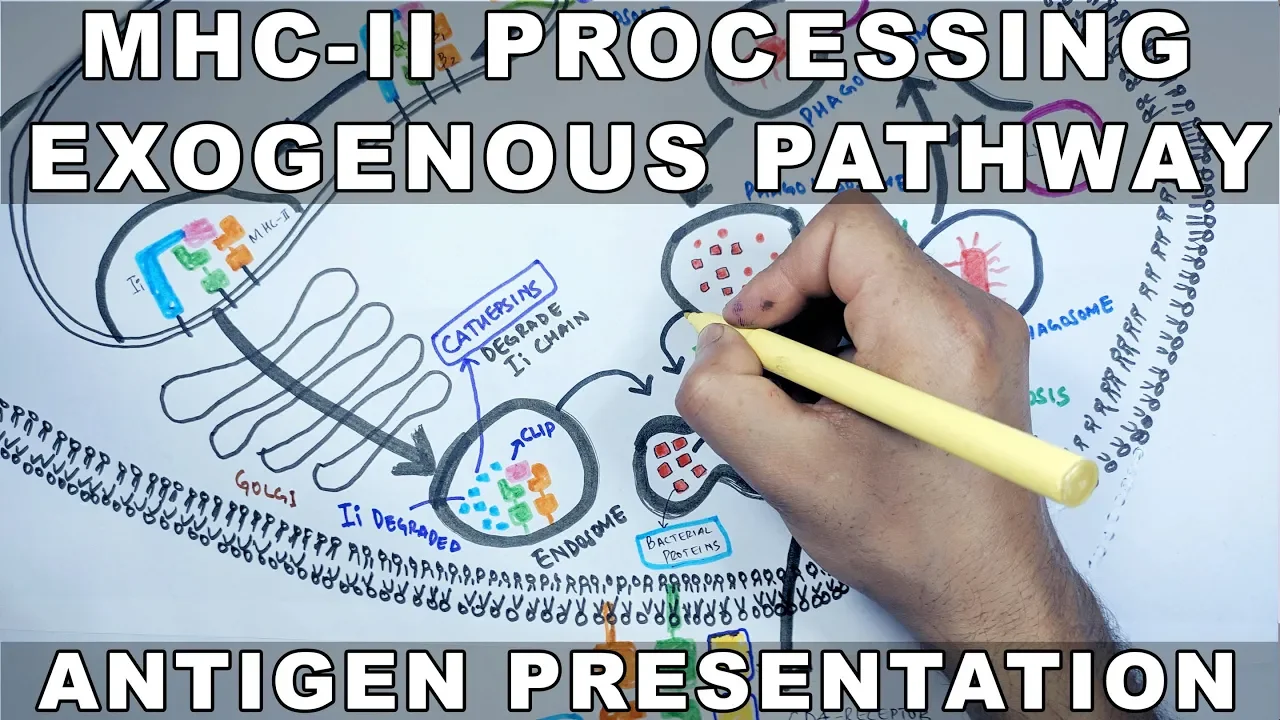
Why this video: Provides a detailed, step-by-step look at how professional APCs break down extracellular proteins via endosomes and lysosomes, load them onto MHC Class II molecules, and transport them to the cell surface.

Why this video: Delves deep into the endoplasmic reticulum to illustrate the assembly of MHC Class I molecules. It details how the peptide loading complex (PLC) samples intracellular (endogenous) peptides, presenting a vital foundation for understanding how mRNA and viral vector vaccines generate intracellular proteins for presentation.
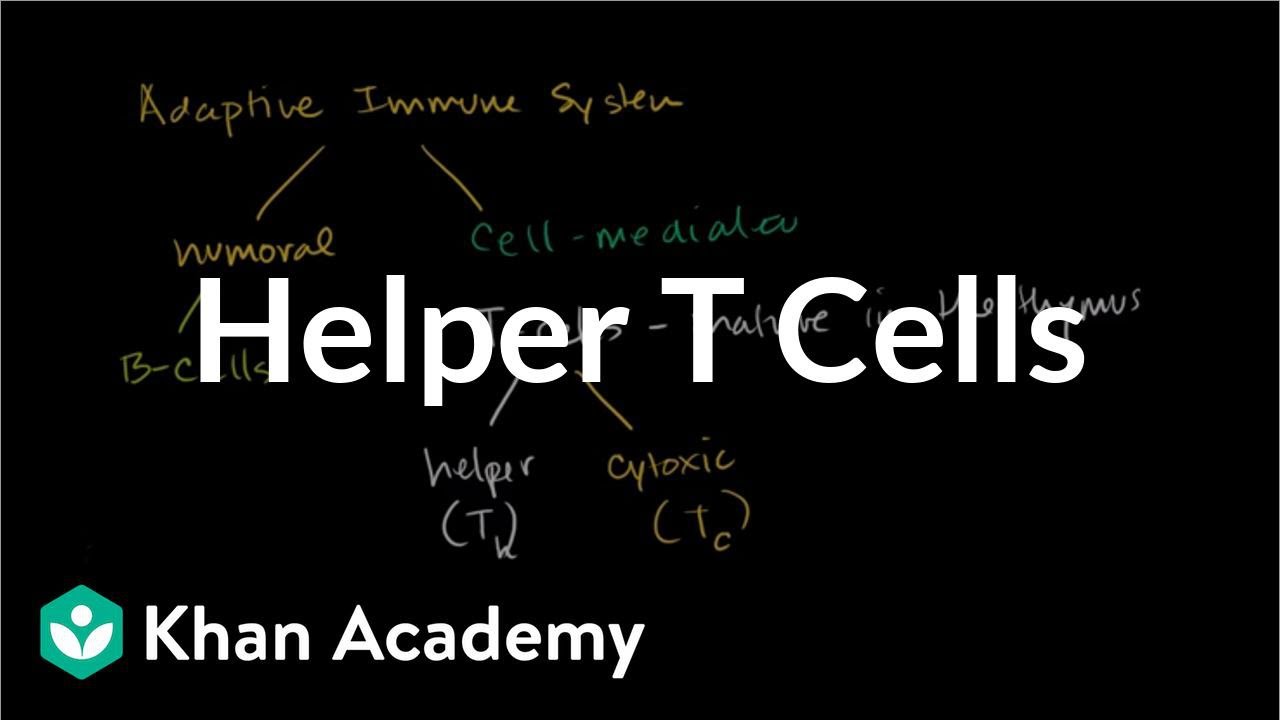
Why this video: Bridges cellular recognition to humoral and cell-mediated activation. This video details how Helper T cells (CD4+) interact with MHC Class II complexes to secrete chemical signals (cytokines) that alarm and direct both B cells and cytotoxic T cells.
Knowledge Checkpoint
- Differentiate between MHC Class I and MHC Class II molecules regarding the cells that express them and the origin of the peptides they present.
- Explain the step-by-step intracellular processing of an exogenous antigen from phagocytosis to cell surface display.
- Detail the interaction between the T-cell receptor (TCR) of a CD4+ T cell and an antigen presented on an MHC Class II molecule.
Module 3: Introduction to Vaccine Technologies
With the rules of natural immunity established, this module transitions to active immunization. We trace the history of inoculation back to Edward Jenner and explore how scientists developed traditional vaccine platforms—such as live-attenuated and inactivated whole-pathogen vaccines—before transitioning to target-specific, next-generation molecular systems.
Recommended Videos
Why this video: This video introduces historical inoculation concepts starting from Jenner's 1796 cowpox experiment. It visually demonstrates the fundamental principle of vaccination: mimicking an infection to safely build immunological memory without causing active clinical disease.
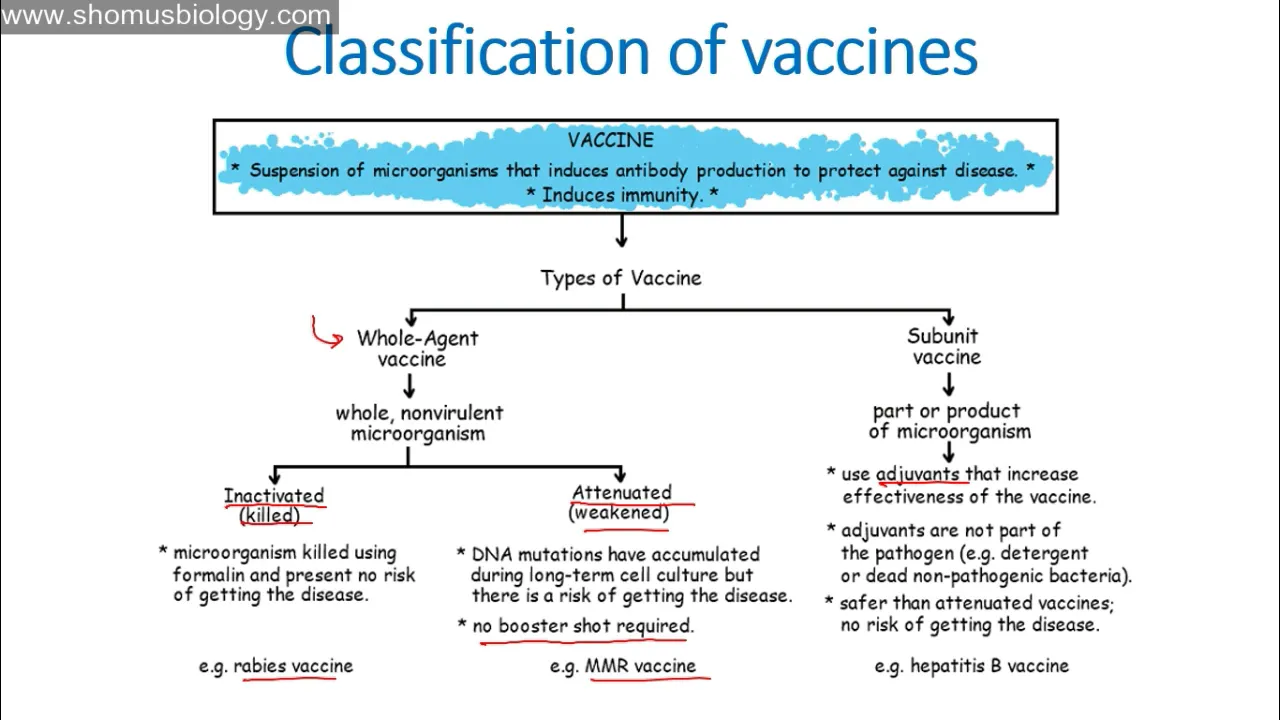
Why this video: Provides a quick, clear classification of traditional vaccines. This lecture contrasts live-attenuated (weakened) pathogens with inactivated (killed) pathogens and subunit preparations, illustrating the trade-offs between safety, chemical stability, and immunogenicity.

Why this video: This excerpt from an academic lecture traces the evolution of vaccine platforms over time. It contrasts classical manufacturing limitations (such as growing massive virus volumes in eggs or cell cultures) with the rapid, cell-free synthesis options offered by genetic and molecular technologies.
Knowledge Checkpoint
- Define "live-attenuated" and list the main clinical pros and cons of this vaccine type compared to inactivated vaccines.
- Explain why whole-pathogen vaccines traditionally exhibit higher inherent immunogenicity than purified subunit vaccines.
- Explain why the development of next-generation, genetic platforms (mRNA, viral vector) represents a paradigm shift in manufacturing speed and biosafety.
Module 4: The mRNA Vaccine Platform
This module deconstructs the biochemical mechanics of messenger RNA (mRNA) vaccines. Rather than injecting a physical protein antigen, mRNA vaccines deliver genetic blueprints directly into host cells. We analyze how lipid nanoparticles (LNPs) protect this genetic cargo, how ribosomes translate it, and how host cells display transiently produced antigens.
Recommended Videos
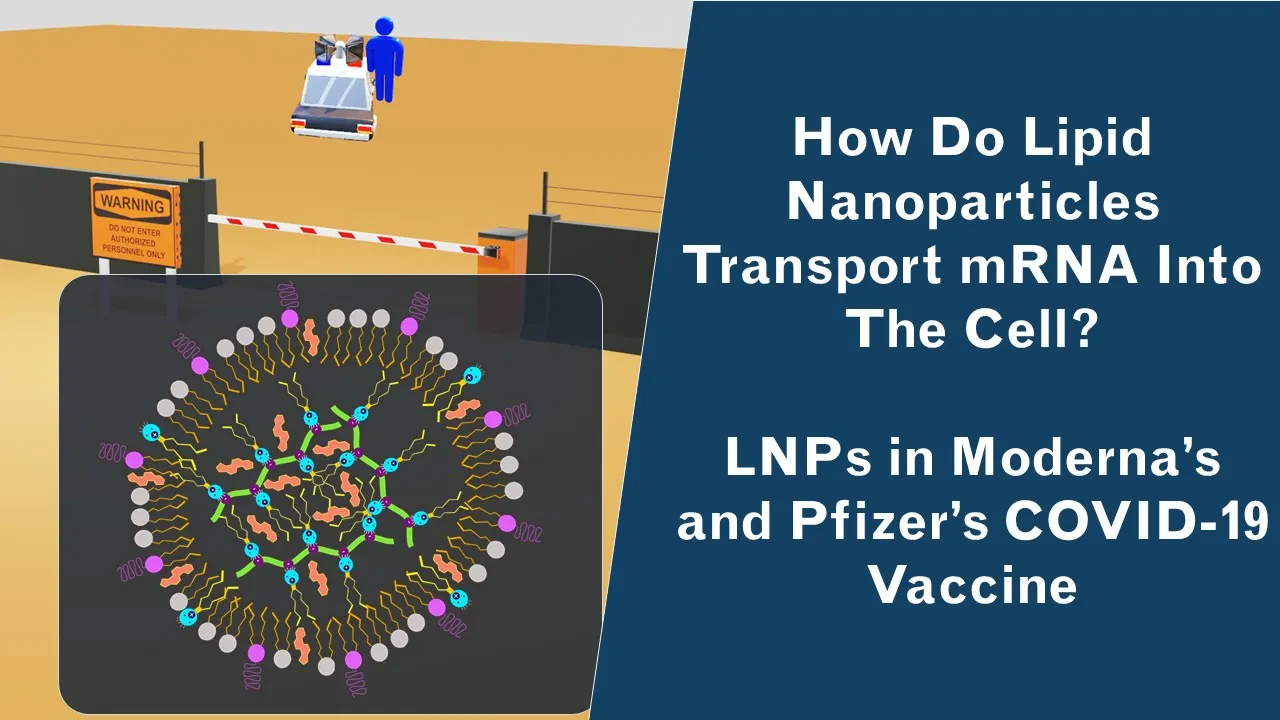
Why this video: A highly detailed molecular animation illustrating why "naked" mRNA cannot function as a vaccine due to systemic ribonuclease (RNase) degradation and electrostatic cell-membrane repulsion. It details the precise lipid components (ionizable, helper, pegylated, and cholesterol) that construct the LNP delivery vehicle.
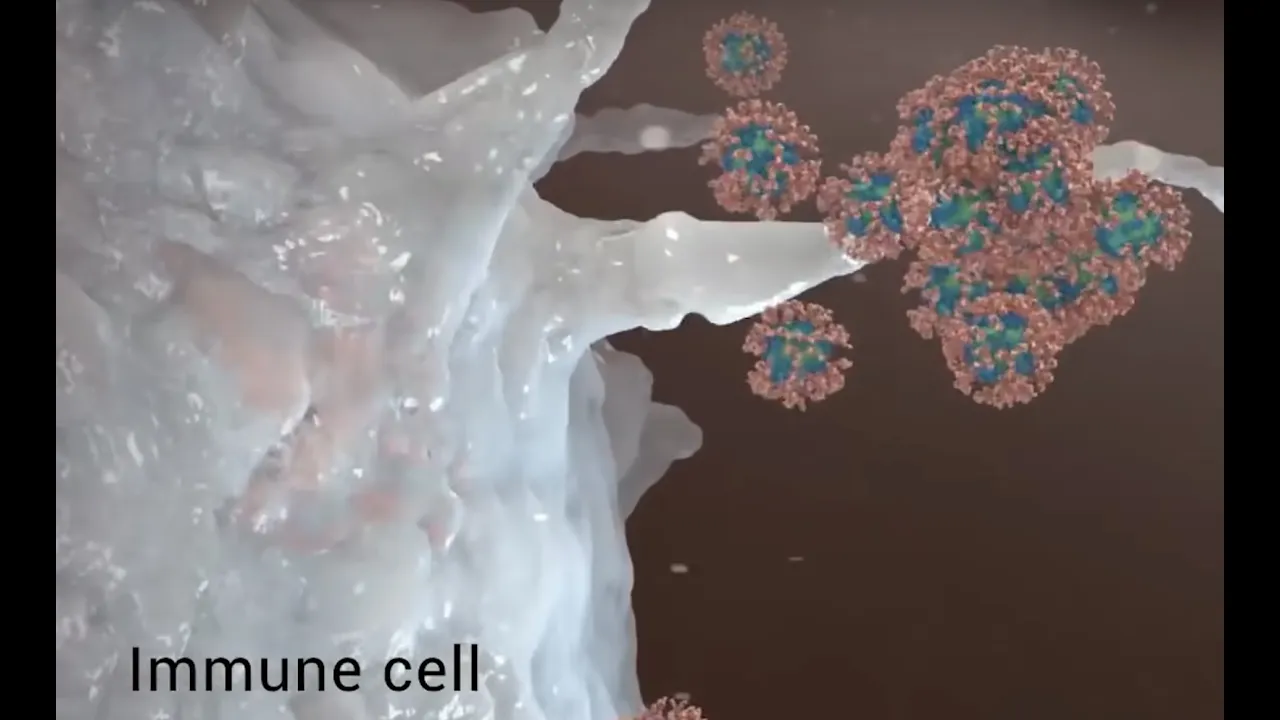
Why this video: Follows the intracellular path of an LNP post-injection. This animation shows the entry of the nanoparticle via endocytosis, lysosomal escape, ribosomal translation of the mRNA in the cytosol, and the subsequent transport of synthesized viral proteins to the cell surface.
Why this video: Hosted by a physician, this deep-dive lecture demystifies clinical and biochemical aspects of mRNA delivery. It addresses common patient questions with rigorous science, explaining why mRNA is transient, cannot integrate into host genomic DNA, and is broken down naturally by cellular machinery.
Knowledge Checkpoint
- Explain the structural role of ionizable lipids in a lipid nanoparticle (LNP) during both formulation (acidic pH) and cellular entry (neutral pH).
- Detail the step-by-step pathway of an mRNA vaccine from intramuscular injection to cytoplasmic translation on host ribosomes.
- Explain the biological reasons why synthetic mRNA cannot alter or integrate into a vaccine recipient's genomic DNA.
Module 5: Viral Vector and Protein Subunit Platforms
This module examines alternative vaccine delivery systems: Viral Vectors and Protein Subunits. We analyze how modified, replication-deficient adenoviruses deliver viral DNA transgenes directly into the cell nucleus for transcription, and how protein subunit vaccines use adjuvants to mimic live infection.
Recommended Videos
Why this video: Explains the viral vector concept, illustrating how a common-cold adenovirus is engineered to be replication-deficient and used as a Trojan horse to transport genetic material (DNA) for a target antigen into human host cells.
Why this video: Focuses on adjuvants, which are critical additions to protein subunit vaccines. This animation explains how mineral salts like alum or oil emulsions create antigen depots and activate innate pattern recognition receptors (PRRs) to boost immune responses.
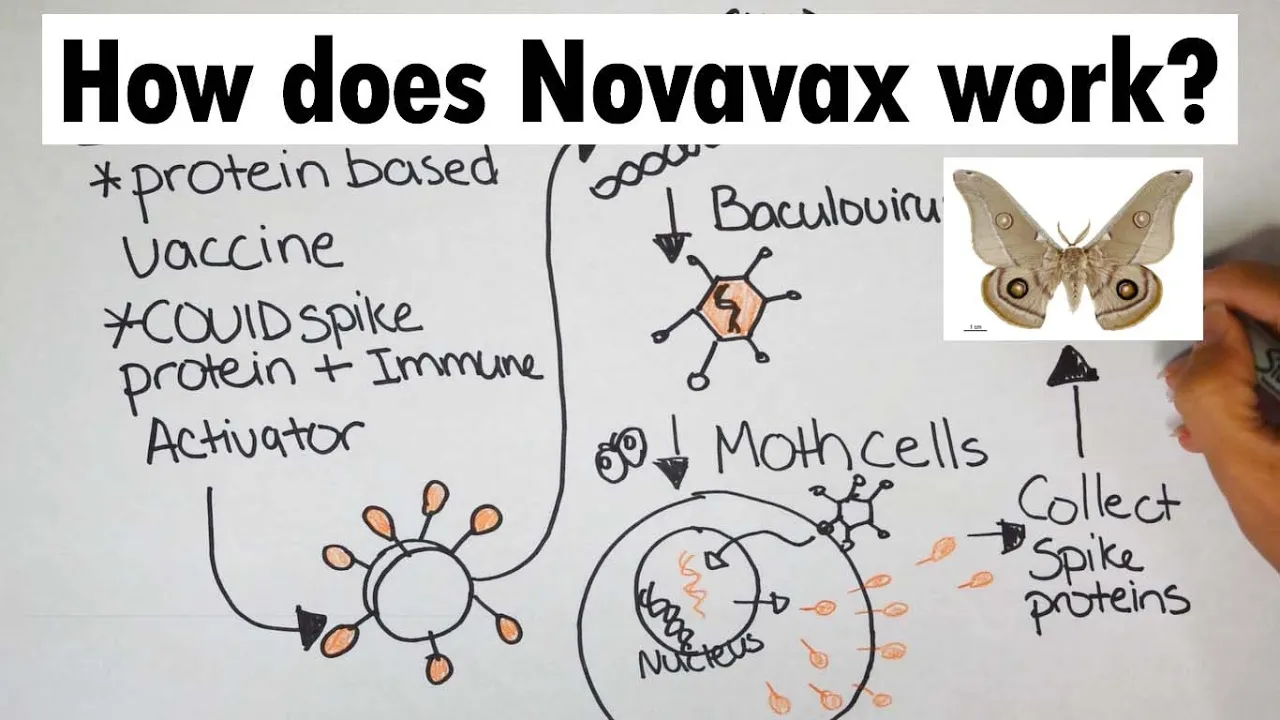
Why this video: Provides a detailed breakdown of recombinant nanoparticle protein platforms (using Novavax as a case study). It details how antigen proteins are synthesized in insect cells, purified, arranged on a polysorbate-80 nanoparticle core, and coupled with a saponin-based adjuvant (Matrix-M).
Gap Note: While the visual aids explain adenoviral vectors generally, they do not deeply animate the nuclear transport of adenoviral DNA and transcription mechanics. To bridge this gap, understand that once the adenovirus is endocytosed, it escapes the endosome, hitches to dynein motors along microtubules to reach the nuclear pore complex, docks, and injects its double-stranded DNA into the nucleus where host RNA polymerase II transcribes the encoded transgene.
Knowledge Checkpoint
- Explain how adenoviral vectors are engineered to be replication-deficient and why this is crucial for clinical safety.
- Trace the path of an adenoviral vector DNA transgene from endocytosis to nuclear entry and transcription.
- Define an "adjuvant" and explain the specific immunological mechanism of a "depot effect" versus direct PRR activation.
Module 6: Comparative Vaccinology and Long-Term Memory
In this final comparative module, we map how each vaccine platform initiates immunological pathways. We will trace the distinct molecular routes (endogenous vs. exogenous antigen processing) that lead to helper T-cell, cytotoxic T-cell, and B-cell activation, culminating in the establishment of long-lived memory B and T cell populations.
Recommended Videos

Why this video: Formulates a direct, clinical comparison between genetic adenoviral platforms (Janssen/J&J) and adjuvanted protein nanoparticles (Novavax), laying out their relative manufacturing, storage, and physiological profiles.

Why this video: Features prominent immunologist and vaccine developer Dr. Paul Offit discussing the dosing regimens and kinetics of cellular immunity. He explains why prime-boost regimens are necessary to establish robust, long-lived cellular memory.

Why this video: Emphasizes that long-term clinical protection depends on memory B cells and T cells, rather than transient circulating serum antibody levels.
Gap Note: No single video in this pool maps out the pathway comparison perfectly. Here is the breakdown: mRNA and viral vector platforms lead to intracellular translation of the spike protein, which is processed as an endogenous antigen via proteasomes and presented on MHC Class I molecules, skewing the response toward CD8+ cytotoxic T-cell recruitment. Conversely, protein subunits are processed as exogenous antigens through lysosomal pathways and presented on MHC Class II molecules, favoring CD4+ helper T-cell activation and humoral B-cell memory.
| Feature | mRNA Platforms (e.g., Pfizer, Moderna) | Viral Vector Platforms (e.g., J&J, AstraZeneca) | Protein Subunit Platforms (e.g., Novavax) |
|---|---|---|---|
| Cargo Delivered | Synthetic mRNA in LNPs | dsDNA within adenovirus capsid | Purified recombinant proteins + adjuvant |
| Intracellular Destination | Cytoplasm (ribosomes) | Nucleus (transcription only) | Lysosome/Phagolysosome (direct) |
| Primary Processing Pathway | Endogenous (proteasomal breakdown) | Endogenous (proteasomal breakdown) | Exogenous (lysosomal breakdown) |
| MHC Presentation Skewing | MHC Class I (strong CD8+ T-cell response) | MHC Class I (strong CD8+ T-cell response) | MHC Class II (strong CD4+ & humoral B-cell response) |
Knowledge Checkpoint
- Describe how endogenous antigen processing in genetic platforms (mRNA/viral vectors) leads to MHC Class I display and CD8+ T-cell activation.
- Explain why protein subunit platforms naturally favor the exogenous pathway (MHC Class II) and require adjuvants to stimulate CD4+ T cells effectively.
- Contrast the role of plasma B cells (short-term antibody producers) with long-lived memory B cells and memory T cells in secondary pathogen encounters.
Course Map
This flowchart maps the logical progression of dependencies across the modules:
Key People Index
- Edward Jenner (1749–1823): Mentioned in Module 3 (TED-Ed). A pioneer of smallpox vaccination and often referred to as the "father of immunology" for introducing cowpox inoculation to build immunity against smallpox safely.
- Dr. Paul Offit: Featured in Modules 5 and 6 (ZDoggMD interviews). A world-renowned pediatrician, virologist, and co-inventor of the rotavirus vaccine, widely recognized for his clear explanations of vaccine safety, cellular immunology, and public health science.
Final Self-Assessment
Complete this comprehensive self-assessment to verify that you have met the primary learning goals of this curriculum:
- Explain the fundamental differences between the innate immune system (non-specific, rapid) and the adaptive immune system (highly specific, delayed).
- Identify where B cells and T cells mature, and describe their primary immunological roles (antibody production vs. helper and cytotoxic activity).
- Detail the differences in origin, loading, cellular expression, and T-cell interaction between MHC Class I and MHC Class II molecules.
- Differentiate between traditional whole-pathogen vaccine platforms (live-attenuated and inactivated) and molecular platforms regarding safety and manufacture.
- Outline the biochemical composition of lipid nanoparticles (LNPs) and explain how they prevent enzymatic degradation of mRNA and facilitate cellular entry.
- Trace an mRNA molecule from host ribosomal translation to the presentation of the synthesized target protein on MHC Class I and Class II molecules.
- Describe how a replication-deficient adenoviral vector delivers its genetic transgene to the cell nucleus without integrating into host genomic DNA.
- Explain the immunological role of adjuvants in protein subunit vaccines and how they stimulate pattern recognition receptors (PRRs).
- Map how the endogenous processing pathway (mRNA/viral vectors) leads to a strong CD8+ cytotoxic T-cell response.
- Map how the exogenous processing pathway (protein subunits) leads to CD4+ helper T-cell activation and high-affinity antibody-producing B-cell responses.
- Explain how long-lived memory B cells and memory T cells are established, and how they coordinate a rapid defense during secondary pathogen exposure.