The Chemistry of Food and Cooking: Browning Reactions, Emulsification, Lipid Oxidation, and Flavor Chemistry
Learning Goal: To master the molecular mechanics of cooking. Upon completion of this curriculum, you will understand the fundamental structures of food macromolecules, the chemical pathways of Maillard browning, caramelization, and enzymatic browning, the science of colloidal stabilization, the degradation of dietary lipids, and the chemistry behind aroma compounds and sensory perception.
- Prerequisites: Basic high school chemistry (understanding of covalent bonds, polar/non-polar molecules, and functional groups is helpful but not strictly required).
- Estimated Total Study Time: 12 Hours
Module 1: Foundations of Food Chemistry
This module establishes the chemical foundations of culinary science. You will explore how water behaves on a molecular level, the concept of "water activity" (which dictates food shelf-life), and the basic macromolecular skeletons of carbohydrates, proteins, and lipids.
Note on Coverage Gap: While the videos below cover water activity and provide a foundational overview of macronutrients, comprehensive biochemical stereochemistry (e.g., peptide bond resonance, monosaccharide ring-opening) is best supplemented by searching university-level biochemistry databases for "Carbohydrate stereochemistry monosaccharides lecture" and "Protein structure peptide bonds lecture".
Recommended Videos

Why this video
This academic lecture provides a rigorous baseline definition of food chemistry. It introduces the biological and non-biological elements of food systems and lays down the theoretical groundwork necessary to understand how we manipulate chemical properties to optimize flavor, texture, and nutritional value.
Knowledge Checkpoint
- Define what constitutes a "food chemistry" system.
- Describe the primary goal of manipulating biological and non-biological systems in food.
- List the primary macronutrient classifications handled in industrial food formulation.

Why this video
Water is the solvent of life and cooking. This lecture explains the critical distinction between total water content and "water activity" (). Understanding water activity is vital because it determines chemical reaction rates (like browning) and microbial growth margins.
Knowledge Checkpoint
- Differentiate between total water content percentage and water activity ().
- Explain how water activity controls microbial growth and chemical reaction rates in food.
- Identify the water activity levels below which most pathogens cannot survive.

Why this video
To understand how macromolecules behave under heat, we must first master their chemical structures. This concise video breaks down the structures of proteins (chains of amino acids bound by peptide bonds) and carbohydrates (monosaccharides, disaccharides, and complex polysaccharides) into their core monomeric and polymeric components.
Knowledge Checkpoint
- Identify the repeating monomeric units of carbohydrates.
- Explain how amino acids are linked to form a polypeptide chain.
- Describe the basic structural backbone of a triglyceride molecule.
Module 2: Browning Reactions: Maillard & Caramelization
This module covers the chemical transformations that create the complex brown colors, rich aromas, and savory flavors of cooked food. You will analyze the differences between non-enzymatic browning (the Maillard reaction and caramelization) and enzymatic browning.
Note on Coverage Gap: For a deeper look into the pure pyrolysis of sugar molecules, supplement your studies by independently searching for "Caramelization pyrolysis thermal degradation chemistry".
Recommended Videos
Why this video
This video is a premier deep-dive into the Maillard reaction. It explains the chemical interactions between amino acids and reducing sugars (such as glucose, fructose, or lactose). You will learn about the creation of intermediate compounds, Amadori rearrangement, and the eventual polymerization that produces brown melanoidin pigments and volatile aroma compounds.
Knowledge Checkpoint
- Define a "reducing sugar" and list three examples found in cooking.
- Describe the chemical structure formed during the Amadori rearrangement stage.
- Explain what melanoidins are and how they contribute to the final look of cooked food.

Why this video
It is a common culinary misconception that all browning is the same. This short comparison contrasts caramelization—the direct, non-nitrogenous thermal oxidation and pyrolysis of sugars—with the nitrogen-dependent Maillard reaction.
Knowledge Checkpoint
- Differentiate between caramelization and the Maillard reaction based on their starting reactants.
- Identify which reaction is responsible for browning in foods high in sugar but low in protein (e.g., table sugar, onions).

Why this video
Enzymatic browning occurs without heat and degrades the quality of fresh produce. This video explains how cellular damage in fruits and vegetables exposes phenolic compounds to oxygen, allowing phenolase enzymes to catalyze the reaction that produces dark melanin pigments.
Knowledge Checkpoint
- Name the primary enzyme class responsible for enzymatic browning.
- Explain why mechanical damage (cutting, dropping) initiates the browning reaction in plant tissues.
- Describe how oxygen acts as a necessary co-reactant in this pathway.

Why this video
This video explains the biochemistry of polyphenol oxidase (PPO). It shows how PPO functions as a plant defense mechanism by polymerizing phenolic compounds when cell structures are disrupted, demonstrating the real-world impact of enzymatic browning.
Knowledge Checkpoint
- Explain the biological defense purpose of polyphenol oxidase in plant tissues.
- Identify the dark polymer compound produced at the end of the enzymatic oxidation cascade.
Module 3: Emulsions and Culinary Colloids
This module covers the physical chemistry of food mixtures. You will study how immiscible phases (oil and water) are forced into stable arrangements, the thermodynamic role of amphiphilic emulsifiers like lecithin, and how culinary techniques prevent emulsions from separating.
Recommended Videos
Why this video
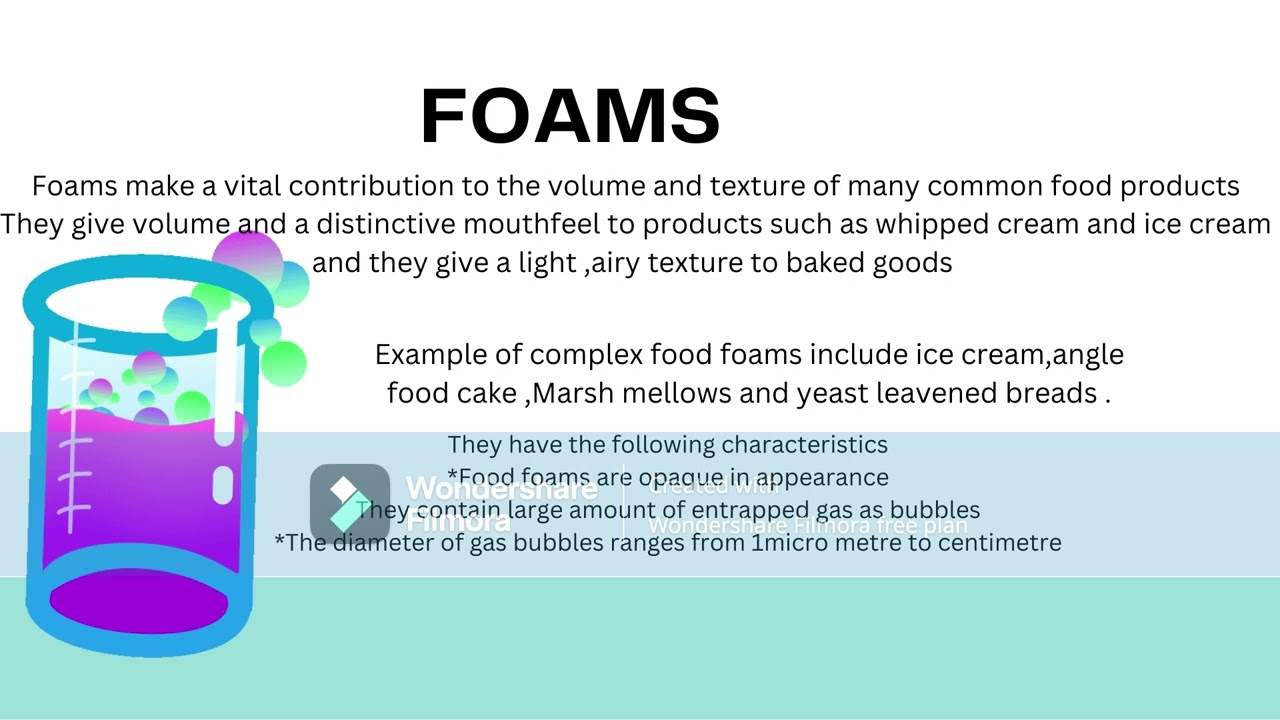
This lecture provides the physical-chemistry foundation for culinary colloids. It explains the differences between solutions, sols, foams, and emulsions. You will learn the thermodynamic properties of dispersed and continuous phases, as well as the forces that govern their stabilization.
Knowledge Checkpoint
- Define the terms "continuous phase" and "dispersed phase" in a colloid system.
- Explain the structural difference between a sol, a foam, and an emulsion.
- Describe the thermodynamic barriers that make mixing immiscible liquids difficult.

Why this video
This video bridges the gap between physical chemistry and culinary application. It shows how mechanical shear forces break down oil into microscopic droplets, and how emulsifiers lower surface tension to keep these droplets suspended.
Knowledge Checkpoint
- Explain how mechanical shear force changes the size of the dispersed phase.
- Define surface tension and describe how an emulsifier lowers it.
- Differentiate between temporary and stable food emulsions.

Why this video
Mayonnaise is a classic culinary oil-in-water emulsion. This video demonstrates the process of making mayonnaise, highlighting how egg yolk functions as a source of lecithin—a phospholipid emulsifier that stabilizes oil droplets in an aqueous phase.
Knowledge Checkpoint
- Identify the primary natural phospholipid emulsifier found in egg yolks.
- Explain how lecithin's molecular structure allows it to bind to both water and oil.
- Describe why oil must be added slowly to the continuous phase to prevent the emulsion from breaking.
Why this video
This quick video focuses on another class of culinary colloids: cheese sauces. It explains how emulsifying salts interact with milk proteins (caseins) to expose their hydrophilic and lipophilic ends. This allows fats and water to mix smoothly, preventing greasy separation in hot sauces.
Knowledge Checkpoint
- Explain how emulsifying salts interact with milk proteins (caseins).
- Describe how exposed hydrophilic and lipophilic protein ends stabilize cheese sauces.
Module 4: Lipids, Cooking Oils, and Rancidity
This module covers the chemistry of fats and oils used in cooking. You will study how the saturation of carbon chains affects physical properties and thermal stability, the definition of an oil's "smoke point," and the free-radical oxidation pathways that cause rancidity.
Note on Coverage Gap: For a closer look at molecular mechanism pathways, supplement this module by searching for "Lipid oxidation propagation step free radicals mechanism".
Recommended Videos
Why this video
This segment explains the structural differences between saturated and unsaturated fats. It shows how single vs. double carbon-carbon bonds affect molecular packing, melting points, and the stability of different fats.
Knowledge Checkpoint
- Describe the chemical difference between a saturated fat and an unsaturated fat.
- Explain how double bonds create kinks in carbon chains and how this affects whether a fat is liquid or solid at room temperature.
- Define monounsaturated and polyunsaturated fatty acids.
Why this video
This video explains the practical significance of oil smoke points. It describes what happens chemically when oil is heated past its thermal limit, leading to nutrient degradation and flavor changes.
Knowledge Checkpoint
- Define the term "smoke point" in cooking oils.
- Explain the chemical consequences of heating an oil past its smoke point.

Why this video
This lecture explains how fats break down over time. It compares oxidative rancidity (oxygen attacking unsaturated carbon chains) with hydrolytic rancidity (lipase enzymes breaking triglycerides into free fatty acids and glycerol), showing how both pathways ruin food flavors and aromas.
Knowledge Checkpoint
- Differentiate between oxidative rancidity and hydrolytic rancidity.
- Identify the enzyme class that catalyzes hydrolytic rancidity.
- Explain how free fatty acids alter the flavor profile of stored lipids.
Why this video
This video explains the three stages of oxidative rancidity: initiation, propagation, and termination. It shows how exposure to oxygen, light, and trace metals triggers a free-radical chain reaction that rapidly degrades unsaturated fatty acids.
Knowledge Checkpoint
- Name the three sequential phases of the free radical lipid oxidation pathway.
- List three external catalysts that can trigger the initiation phase.
- Describe the self-sustaining nature of the propagation phase in lipid degradation.
Module 5: Flavor Chemistry and Sensory Perception
This module explores how we perceive flavor. You will study how volatile organic compounds (VOCs) create aromas, how different cooking mediums extract these flavors, and how taste receptors on our tongues detect dissolved molecules.
Recommended Videos
Why this video
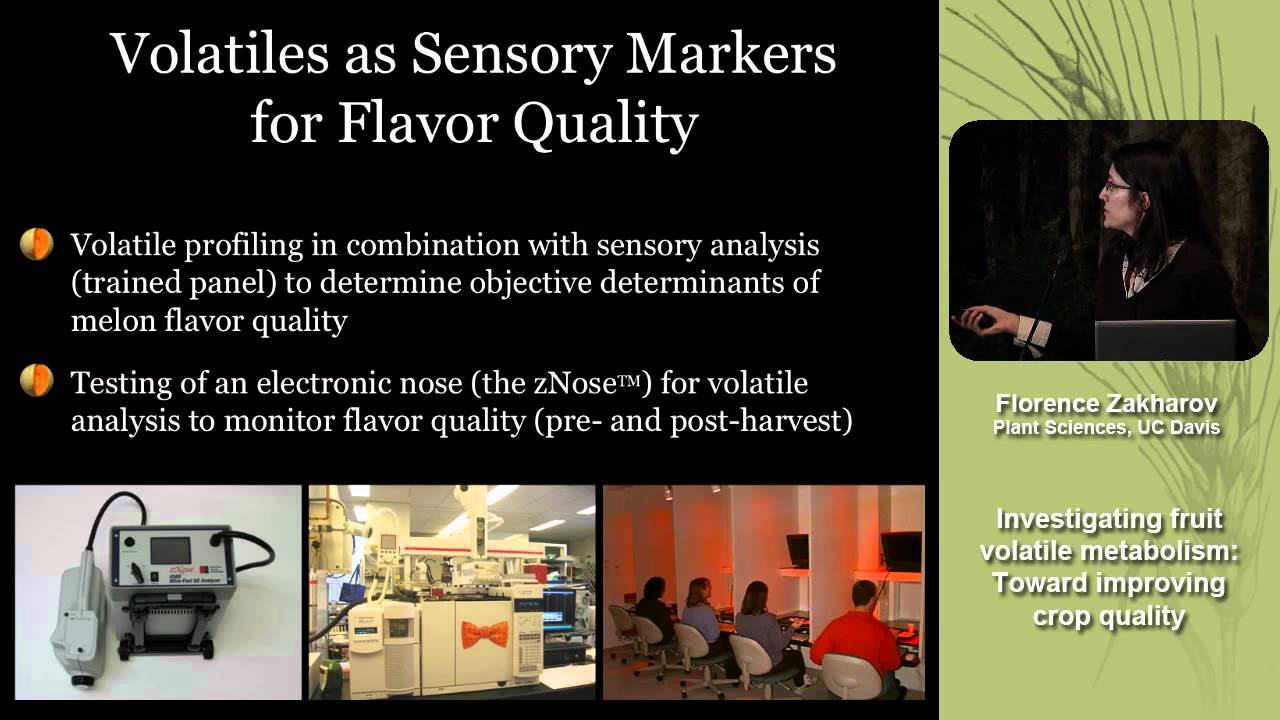
This academic seminar explores how plant biology creates flavor. It explains how flavor is a combination of look, taste, and aroma. You will learn how fruits synthesize volatile organic compounds to create their signature scents and flavor profiles.
Knowledge Checkpoint
- Define how "flavor" combines input from different human senses.
- Describe the role of volatile organic compounds in creating fruit aromas.
- Name three of the five basic taste sensations recognized by tongue receptor cells.
Why this video
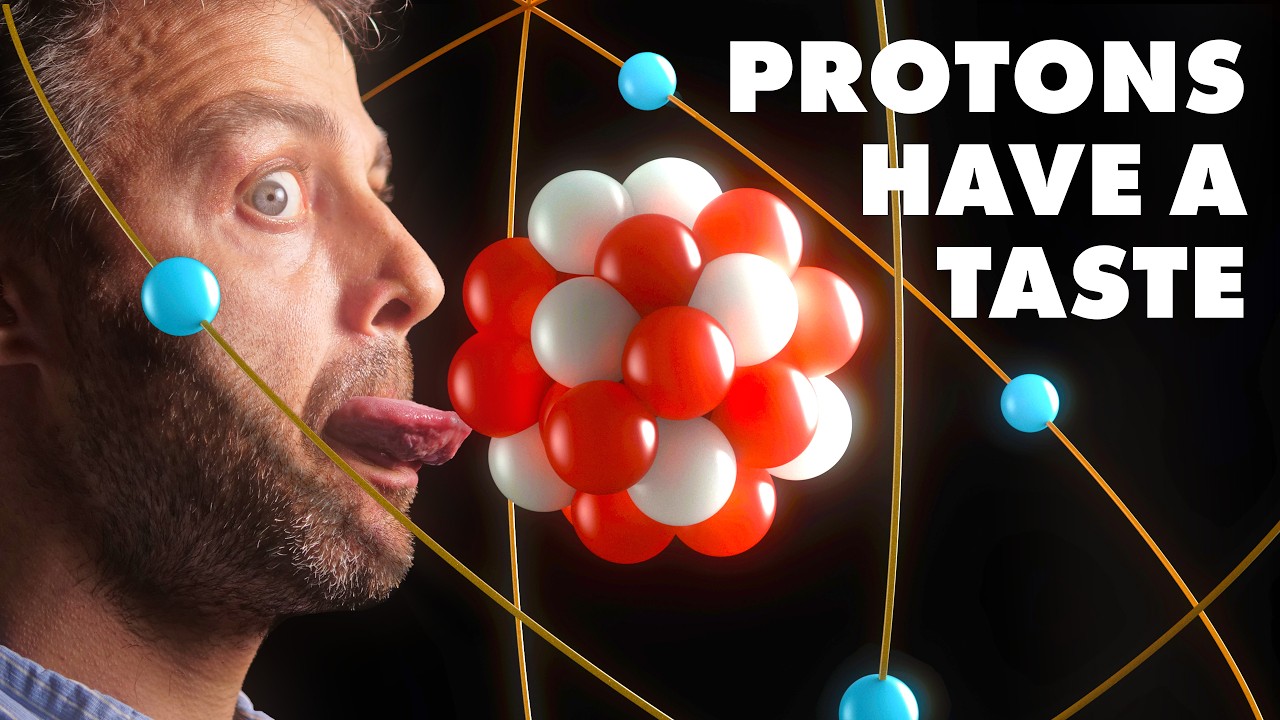
This video explains the biophysical chemistry of taste receptors. It looks at the molecular mechanisms of our five basic tastes, explaining how ion channels detect salty and sour tastes (hydrogen ions/protons), while G-protein coupled receptors detect sweet, bitter, and umami tastes.
Knowledge Checkpoint
- Explain how sour taste receptors detect hydrogen ions (protons).
- Contrast how ion-channel taste receptors (salty, sour) differ from G-protein coupled receptors (sweet, bitter, umami).
- Identify which chemical compound triggers the umami taste receptor.
Why this video
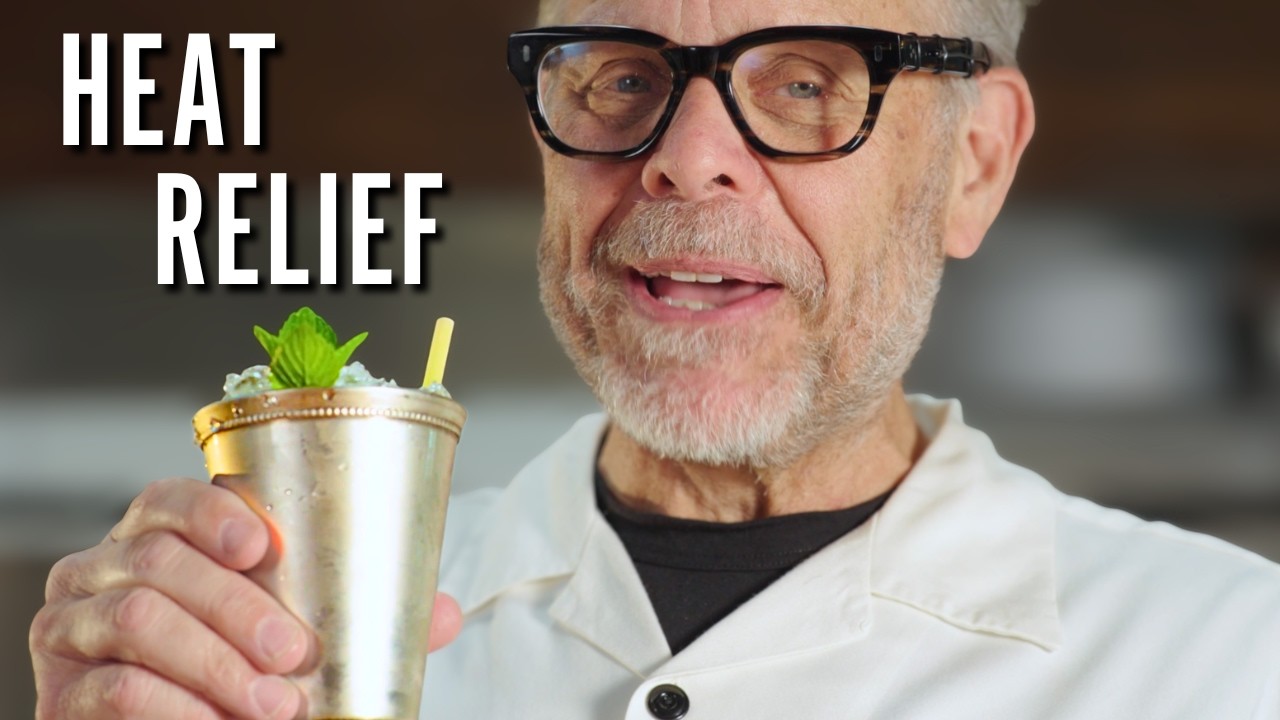
This video shows how volatile organic compounds behave in different cooking liquids. Using mint as an example, Alton Brown demonstrates how compounds like carvone dissolve easily in alcohol but not in water, illustrating the chemistry of extracting and preserving flavor.
Knowledge Checkpoint
- Explain why some volatile organic compounds dissolve in alcohol but not in water.
- Define the term "solubility" as it applies to extracting flavor from herbs and spices.

Why this video
This lecture from Harvard's Science and Cooking series focuses on how different cooking mediums extract flavors. It explains the chemical differences between water-soluble (hydrophilic) and fat-soluble (lipophilic) aromatic compounds, showing why choosing the right cooking fat or liquid is key to capturing flavor.
Knowledge Checkpoint
- Differentiate between hydrophilic and lipophilic flavor compounds.
- Explain why cooking fats can extract and carry certain aromatic compounds better than water.
Course Map
This flowchart shows how the modules build on one another. You must understand basic macromolecules (Module 1) before exploring the chemical reactions, emulsions, and lipid behaviors in later modules.
Key People Index
- Louis Camille Maillard (1878–1936): The French physician and chemist who first described the reaction between amino acids and reducing sugars in 1912. This discovery explained how foods brown and develop complex flavors when cooked.
- Dr. Kikunae Ikeda (1864–1936): The Japanese chemist who isolated glutamic acid from kombu seaweed in 1908. He identified this savory profile as "umami," which was eventually recognized as the fifth basic taste.
- Ambroise Paré (1510–1590): The historic figure credited with introducing the term "emulsion" to scientific literature around 1650, borrowing from the Latin term meaning "to draw milk."
Final Self-Assessment
Test your understanding of the entire curriculum with this self-assessment checklist:
- Explain how water activity () differs from total moisture content, and why it is the primary factor in determining food safety.
- Write down the basic reactants of the Maillard reaction and contrast them with the reactants of caramelization.
- Describe the chemical role of the Amadori rearrangement in non-enzymatic browning.
- Explain the enzymatic browning pathway, identifying the role of polyphenol oxidase (PPO) and oxygen.
- Describe the molecular structure of an emulsifier (like lecithin) and explain how it prevents oil-in-water emulsions from separating.
- Explain how emulsifying salts interact with milk caseins to prevent grease separation in processed cheese.
- Contrast saturated fats and unsaturated fats in terms of their carbon bonds, physical state at room temperature, and resistance to oxidation.
- Outline the three phases of the free-radical chain reaction in oxidative rancidity: initiation, propagation, and termination.
- Differentiate between oxidative and hydrolytic rancidity.
- Define volatile organic compounds (VOCs) and explain why they must vaporize to be perceived by our olfactory system.
- Explain how human taste cells detect sour (protons) tastes differently than they detect sweet, bitter, and umami tastes.
- Explain the chemical difference between hydrophilic and lipophilic compounds, and how this dictates whether you should use water, oil, or alcohol to extract a specific flavor.