Mega-Dams: Connectivity, Sediment & Removal
Learning Goal: Examine the impact of mega-dams on riverine connectivity and sediment transport, and formulate a decommissioning or fish-passage retrofit plan for a target watershed.
- Prerequisites: Basic understanding of environmental science, fluid mechanics, or geography.
- Estimated Total Study Time: 15 Hours
Module 1: Introduction to Watershed Hydrology & Sediment Dynamics
This module establishes the foundational principles of fluvial geomorphology and watershed hydrology. To understand how dams disrupt natural systems, you must first learn how natural, unimpeded rivers process, transport, and deposit water and sediment from headwaters to coastal deltas.
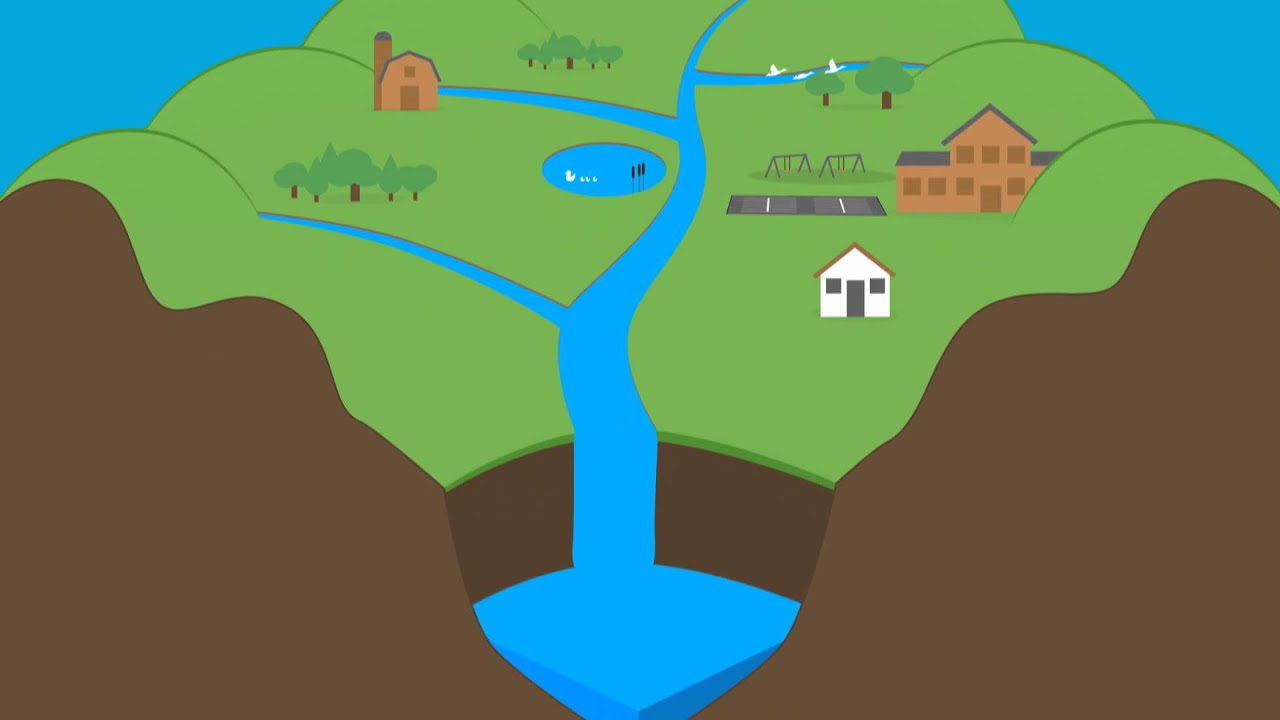
Why this video
This concise visual introduction clarifies the spatial boundaries and components of a watershed. It teaches students that a watershed is not merely a body of water, but an entire integrated landscape—including forests, farms, and urban areas—where all precipitation drains to a single point. It serves as an essential mental model for scale-based watershed management.
Knowledge Checkpoint
- Define the term "watershed" and identify its topographic boundaries (drainage divides).
- Explain how surface runoff and groundwater pathways interact within a single catchment system.
- Describe how land-use changes within a watershed directly affect downstream water quality and volume.
![Hydrology and Fluvial Geomorphology [Everything you need to know] AS/A Level Geography](https://i.ytimg.com/vi/HHTV4MylvKY/hqdefault.jpg)
Why this video
This comprehensive, long-form academic lecture provides the deep technical backing needed for this curriculum. It systematically covers the water cycle, drainage basins, hydrograph analysis, and the mechanisms of river channel processes. It is a highly rigorous primer on fluvial geomorphology.
Knowledge Checkpoint
- Differentiate between interception, infiltration, throughflow, and overland flow.
- Read and analyze storm hydrographs, explaining the relationship between lag time, peak discharge, and baseflow.
- Describe how river channel cross-profiles and longitudinal profiles change from upper to lower courses.

Why this video
Sediment dynamics are driven by specific thresholds of velocity and particle size. This video breaks down the physical processes of river weathering, erosion, transportation (solution, suspension, saltation, traction), and deposition. Understanding these processes is critical to evaluating sediment starvation downstream of reservoirs.
Knowledge Checkpoint
- List and define the four primary methods of river sediment transportation.
- Describe how changes in river velocity dictate when sediment of varying sizes (e.g., gravel, sand, clay) is deposited.
- Explain how erosional and depositional landforms (like meanders and floodplains) evolve over time under natural flow regimes.
Module 2: Mega-Dams and Ecological Disruption
This module explores the ecological toll of altering natural flow regimes through massive engineering structures. You will analyze why mega-dams are constructed, how they replace complex riverine channels with static reservoirs, and the systematic collapse of biodiversity that often follows.

Why this video
This segment illustrates the fundamental hydrological transformation that occurs when a dam is built. It shows how a dynamic, flowing river is converted into a static, artificial lake (reservoir), illustrating the immediate loss of riverine habitat and the thermal and chemical stratification that ensues.
Knowledge Checkpoint
- Explain the physical differences between a natural lotic (flowing) river ecosystem and a lentic (still) reservoir ecosystem.
- Analyze the driver of thermal stratification in reservoirs and its impact on dissolved oxygen levels.
Why this video
This industry-standard documentary excerpt introduces the severe conflicts between hydropower development and river ecosystems. It highlights the experimental, complex nature of restoration projects and the historical context of the "dam-building boom" in the United States, shifting the perspective from utility benefits to ecological impacts.
Knowledge Checkpoint
- Detail the historical rationale behind the rapid construction of large dams during the 20th century.
- Summarize the primary ecological arguments against run-of-river and storage-reservoir hydropower systems.
- Identify the major migratory species (such as salmonids) that are most vulnerable to mainstem barriers.
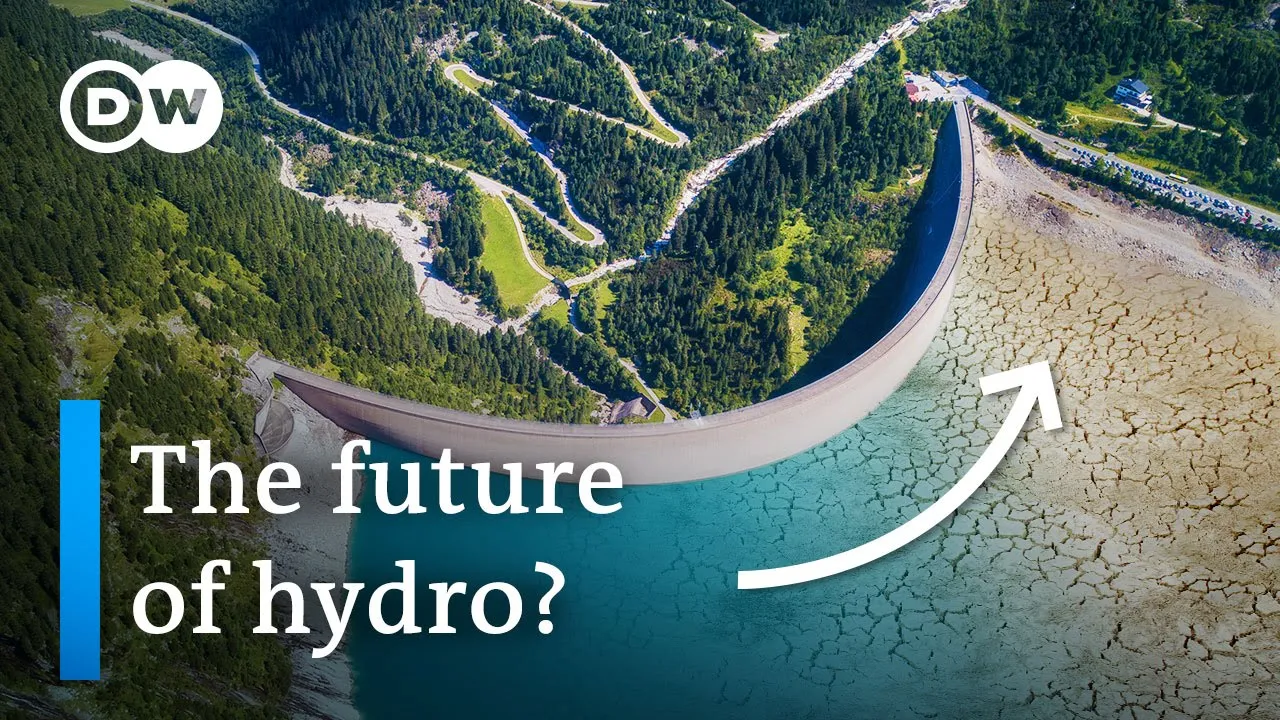
Why this video
This video contextualizes the global scale of dam infrastructure, noting that freshwater ecosystems have declined faster than any other ecosystem type due to fragmentation. It presents a balanced view of our reliance on dams for water security and energy, while introducing the critical need for a structured path forward through decommissioning or upgrades.
Knowledge Checkpoint
- Quantify the scale of global river fragmentation caused by the thousands of existing and planned large dams.
- Explain how dams interrupt biological migration pathways and fragment genetic populations of aquatic organisms.
- Compare the habitat conditions of an intact, connected river basin to one highly segmented by cascading dams.
Module 3: Sediment Trapping and Downstream Geomorphology
Mega-dams act as absolute sediment traps, altering the physical shape of downstream channels and starving coastal deltas. This module focuses on the mechanical processes of reservoir siltation, channel incision, and the erosion of downstream deltas.

Why this video
Acknowledge & Address Review Feedback: To address the lack of technical animations and lectures detailing sediment trapping, this video provides a highly technical, multi-faceted look at reservoir sedimentation mechanics. It explains how rivers drop their heavy coarse sediment loads at the reservoir delta, how fine silts settle near the dam wall, and the global engineering crisis of lost reservoir capacity.
Knowledge Checkpoint
- Explain the depositional pattern of sediment within a reservoir (coarse material vs. fine silts) based on flow velocity reduction.
- Define the term "trap efficiency" of a reservoir and identify the factors that influence it.
- Describe at least two traditional management strategies used to mitigate reservoir siltation (e.g., dredging, flushing, bypassing).

Why this video
This lecture segment details the downstream consequences of sediment starvation. Using empirical data from major Asian rivers (such as the Yangtze), it provides concrete evidence of downstream channel incision, bank retreat, and the physical degradation of riverbeds when dams release sediment-free water (often called "hungry water").
Knowledge Checkpoint
- Explain the concept of "hungry water" and why it causes severe channel degradation downstream of dams.
- Describe the geomorphic impacts of dam-induced sediment starvation on downstream riverbeds, including channel incision and bank erosion rates.
- Identify how changing upstream glacial dynamics interact with dam infrastructure to alter basin sediment budgets.
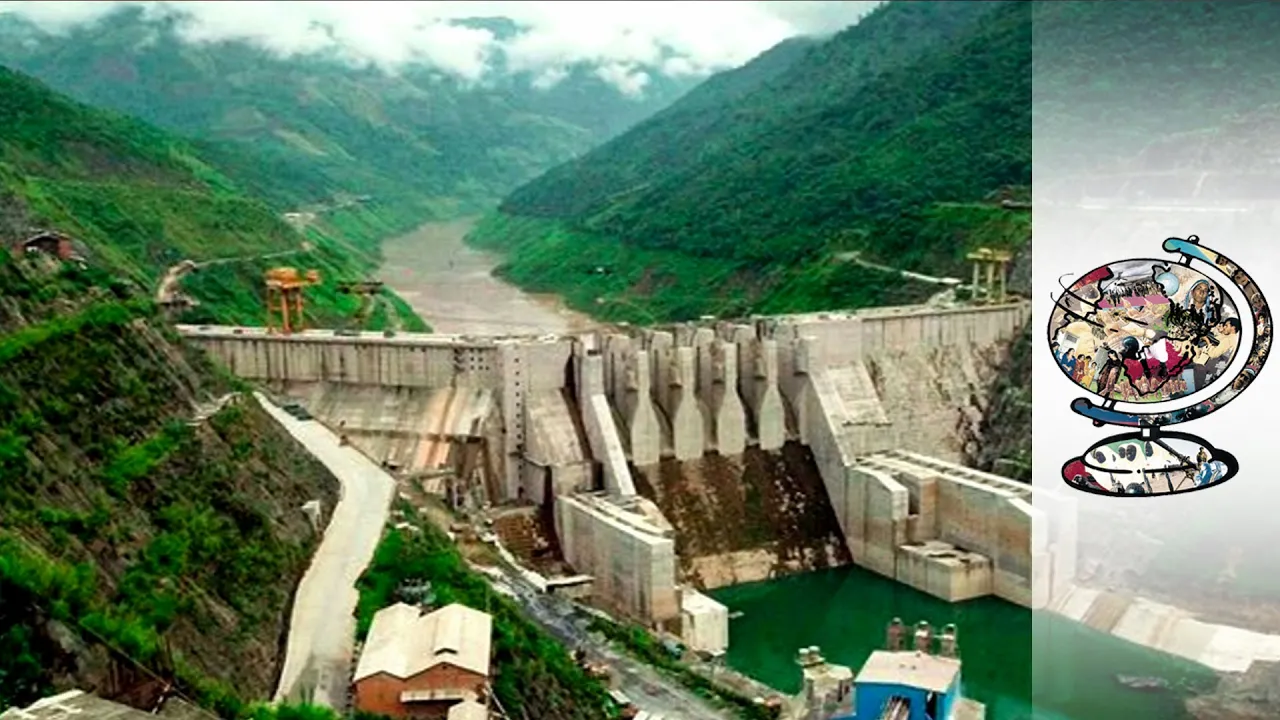
Why this video
This video offers an essential case study on the Mekong Delta, demonstrating the direct link between upstream dam projects and downstream delta starvation. It illustrates how capturing sediment behind upstream dams prevents the natural replenishment of delta soils, leading to land subsidence, coastal erosion, and saltwater intrusion.
Knowledge Checkpoint
- Explain how upstream sediment trapping leads to delta starvation and coastal erosion at the river mouth.
- Detail the socioeconomic and agricultural consequences of losing nutrient-rich sediment in major agricultural zones like the Mekong Delta.
- Describe the process of saltwater intrusion in coastal groundwater aquifers as a result of sinking, starved deltas.
Module 4: Riverine Connectivity & Fish Passage Engineering
When removing a dam is not economically or socially feasible, engineering interventions must be implemented to restore biological connectivity. This module covers the hydraulic design, engineering standards, and biological performance of fish ladders, bypass channels, and turbine modifications.

Why this video
This outstanding engineering explainer investigates how downstream-migrating fish interact with hydropower infrastructure. It focuses on the physics of turbine mortality (strike, barotrauma, shear stress) and the engineering designs (like minimum gap runner turbines and bypass spillways) used to mitigate these mortality rates.
Knowledge Checkpoint
- List the three primary mechanisms of fish injury and mortality within standard hydroelectric turbines.
- Compare the biological passage efficiency of traditional Francis turbines to modern fish-friendly Kaplan or Alden turbines.
- Explain the importance of "attraction flow" and bypass routing in directing downstream-migrating juvenile fish away from intakes.
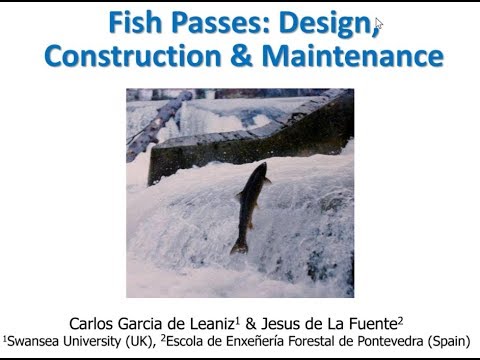
Why this video
This professional-grade technical webinar covers the rigorous engineering steps required to design, construct, and maintain fish passes. It goes beyond simple animations to discuss topographic surveys, flow measurements, species-specific swimming speeds, and hydraulic calculations necessary for a successful connectivity project.
Knowledge Checkpoint
- Identify the main engineering parameters required for fish pass design (e.g., target species burst speed, maximum allowable head drop, volumetric flow).
- Distinguish between pool-and-weir, Denil, and vertical-slot fishway designs, matching them to appropriate river types and target species.
- Detail the primary maintenance failures that render fish passes inoperable over time (e.g., debris accumulation, shifting hydraulic regimes).

Why this video
Presented by a restoration practitioner, this video examines real-world fish ladder operations and designs. It reviews the biological constraints of target migratory fish (such as river herring and shad) and how engineered structures manipulate water velocity to match the physiological capabilities of target species.
Knowledge Checkpoint
- Explain how baffles and resting pools inside a fish ladder reduce water velocity to allow weaker swimmers to ascend.
- Explain how seasonal variation in streamflow affects the operational efficiency of fish passage structures.
- Describe the monitoring methods used to verify if fish are successfully finding and ascending a fish ladder.
Module 5: Dam Decommissioning & Ecological Recovery
Dam decommissioning is a complex engineering task that requires careful management of stored sediment, water release, and ecological recovery. This module examines the techniques used to dismantle mega-dams and the physical and biological recovery of rivers post-removal.
Why this video
The removal of the Elwha and Glines Canyon dams on Washington's Olympic Peninsula stands as the largest dam removal project in U.S. history. This documentary segment tracks the multi-year physical recovery of the river, showing how the released sediment rebuilt downstream spawning beds and restructured the coastal estuary, sparking a dramatic return of wild salmonids.
Knowledge Checkpoint
- Explain how releasing trapped reservoir sediment helps restore downstream spawning habitats (gravel bars) and estuaries.
- Describe the timeline and stages of vegetative and biological recolonization in a drained reservoir basin.
- Analyze how long-term ecological monitoring projects measure the success of a dam decommissioning effort.

Why this video
The decommissioning of the 125-foot Condit Dam on the White Salmon River featured a dramatic, near-instantaneous lake drainage via a blasted bypass tunnel. This video provides a detailed engineering view of this fast drawdown strategy, highlighting the physical forces involved and the immediate morphological response of the river.
Knowledge Checkpoint
- Compare the "rapid blowout/instantaneous drainage" approach used at Condit Dam to the "staged/incremental drawdown" approach used on other rivers.
- Explain the active engineering risks associated with rapid reservoir drainage, including upstream slope stability and sudden sediment surges.
- Describe how the river channel carved its new path through decades of accumulated sediment within the first few days of drainage.

Why this video
The San Clemente Dam removal on the Carmel River showcases a unique engineering solution: permanently bypassing the sediment reservoir by routing the river into an adjacent channel. This case study demonstrates how engineers manage old, structurally compromised dams containing massive volumes of sediment when downstream transport is too risky.
Knowledge Checkpoint
- Explain the "by-pass channel routing" technique and when it is preferred over direct downstream sediment flushing.
- Identify the structural safety concerns (such as seismic activity or high hazard ratings) that prompt regulatory agencies to demand dam decommissioning.
- Describe the soil stabilization and erosion control measures required to secure a newly abandoned reservoir site.
Module 6: Formulating a Watershed Retrofit & Restoration Plan
To close the loop, this final module guides you in synthesizing ecological data, community priorities, and engineering constraints to formulate a structured watershed restoration proposal. You will learn how to organize stakeholders and apply decision-making frameworks to compare decommissioning against fish-passage retrofits.

Why this video
Acknowledge & Address Review Feedback: While standard materials focus on basic planning, this case study addresses the decision-analysis gap by illustrating a participatory Multi-Criteria Decision Analysis (MCDA) framework. It details how government and community stakeholders evaluate river restoration alternatives against multiple environmental, social, and economic criteria, which is a key tool in resolving dam-retrofit vs. removal dilemmas.
Knowledge Checkpoint
- Define Multi-Criteria Decision Analysis (MCDA) and explain how it is used to evaluate complex river restoration options.
- List at least four social, economic, or ecological criteria used to weight dam decommissioning against fish-passage retrofits.
- Explain how participatory modeling with diverse stakeholders improves the long-term success of watershed decisions.

Why this video
To draft a restoration proposal, you must understand the basic structure of a watershed plan. Following the EPA's planning guidelines, this video presents a 3-part framework: establishing a hydrologically defined geographic focus, identifying and prioritizing stressors, and building collaborative stakeholder networks.
Knowledge Checkpoint
- List the three primary elements of an EPA-compliant watershed plan.
- Describe how to prioritize different geographic areas or sub-catchments within a watershed for target restoration actions.
- Identify the key community and industrial stakeholders who must be consulted during watershed planning.
![[ERA Webinar]: Bringing a River Back to Life: Socio Ecological Impacts of Dams & their Removal](https://i.ytimg.com/vi/Zx7N7rEqGHc/maxresdefault.jpg)
Why this video
This technical webinar highlights the critical role of "social engineering" in decommissioning plans. It argues that the actual demolition of a dam is simply the final step of a long process of stakeholder consensus-building, economic negotiations, and aligning social and institutional policies.
Knowledge Checkpoint
- Explain what is meant by "social engineering" in the context of dam decommissioning and watershed restoration.
- Identify the socio-political barriers (e.g., property rights, water rights, cultural history) that can delay or block dam removal projects.
- Formulate a community engagement strategy to address local resistance to removing a historical dam.
Independent Learning Recommendation (MCDA Gap): Since available video resources on Multi-Criteria Decision Analysis (MCDA) specifically comparing dam retrofits to full decommissioning are limited, students are highly encouraged to search academic databases (e.g., Google Scholar) for:
- "Multi-Criteria Decision Analysis dam removal trade-offs"
- "Structured Decision Making (SDM) for watershed restoration" Look for case studies from the US Pacific Northwest or Europe that explicitly model cost-benefit curves of fish passage vs. decommissioning.
Course Map
This flowchart maps the logical progression of the curriculum, showing how foundational science leads to impact analysis, engineering solutions, and finally a structured decision plan.
Key People Index
This index features researchers, engineers, and educators who present or are featured in the course videos:
- Jim Turek (Marine Habitat Resource Specialist / Restoration Ecologist)
- Context: Appears in Module 4 (Video 8), walking viewers through the engineering, hydraulics, and biological constraints of fish ladder designs.
- Dr. Xixi Lu (Professor, Fluvial Geomorphology and Climate Science Researcher)
- Context: Featured in Module 3 (Video 17), delivering empirical data on sediment load reductions and channel incision on the Yangtze and Mekong Rivers.
- Professor Nathalie Seddon (Director of the Nature-based Solutions Initiative, Oxford University)
- Context: Appears in Module 6 (Video 10), introducing the application of participatory multi-criteria analysis for nature-based solutions and river restoration.
Final Self-Assessment
Complete this comprehensive checklist to verify that you have mastered the learning goals of this curriculum:
- Hydrological Processes: Can you trace a drop of rain from the ridge of a watershed down to a coastal delta, noting the dominant transport and storage mechanisms along the way?
- Sediment Dynamics: Can you explain the four transportation processes of river sediment and explain why reducing river velocity causes immediate deposition?
- Ecological Impacts: Can you summarize how mega-dams alter natural flow regimes and explain why these changes lead to a decline in freshwater biodiversity?
- Sediment Starvation: Can you explain the term "hungry water" and describe the geomorphic impacts of sediment starvation downstream of a dam?
- Delta Starvation: Can you explain how sediment trapped behind upstream dams leads to coastal erosion and saltwater intrusion in delta ecosystems?
- Upstream Passage: Can you compare the hydraulic advantages and biological limitations of pool-and-weir, Denil, and vertical-slot fishways?
- Turbine Survival: Can you list the physical forces that injure fish passing through standard turbines and describe how fish-friendly turbines mitigate these risks?
- Decommissioning Strategies: Can you compare rapid lake drainage (e.g., Condit Dam) to incremental drawdown and sediment bypass routing (e.g., San Clemente Dam)?
- Estuary Recovery: Can you explain how the release of trapped sediment helps rebuild downstream river beds and coastal estuaries following dam removal?
- Multi-Criteria Analysis: Can you outline a Multi-Criteria Decision Analysis (MCDA) framework, identifying key economic, social, and environmental indicators to weigh a dam retrofit against full removal?
- Watershed Restoration: Can you construct a comprehensive, EPA-style watershed restoration proposal that combines scientific monitoring, engineering options, and stakeholder engagement?