Analyzing Film Blocking: Composition & Power
Learning Goal: Analyze spatial composition and character blocking in contemporary cinema to identify and interpret shifting power dynamics between characters.
- Prerequisites: None (Introduction to general visual literacy is recommended but not required).
- Estimated Total Study Time: 15 Hours
Module 1: Visual Composition Basics
This module establishes the foundational syntax of the cinematic frame. Before examining how characters move and interact, you must master the fundamental rules of static composition, framing lines, and focal balance. You will learn how directors split the screen to anchor visual focus, manipulate depth, and establish the initial baseline of look space and balance that determines who holds structural dominance in any given frame.
Recommended Videos
- Why this video: This video offers a highly practical introduction to the fundamental rules of cinematic framing. It systematically covers how geometric elements (leading lines), focal distance, and framing boundaries are used to dictate viewer attention and isolate subjects within the frame.
- Why this video: This classic video essay transitions framing from a technical discipline to a narrative tool. It demonstrates how composition elements like physical depth, visual contrast, balance, and vertical/horizontal alignment translate directly into character psychology and emotional stakes.
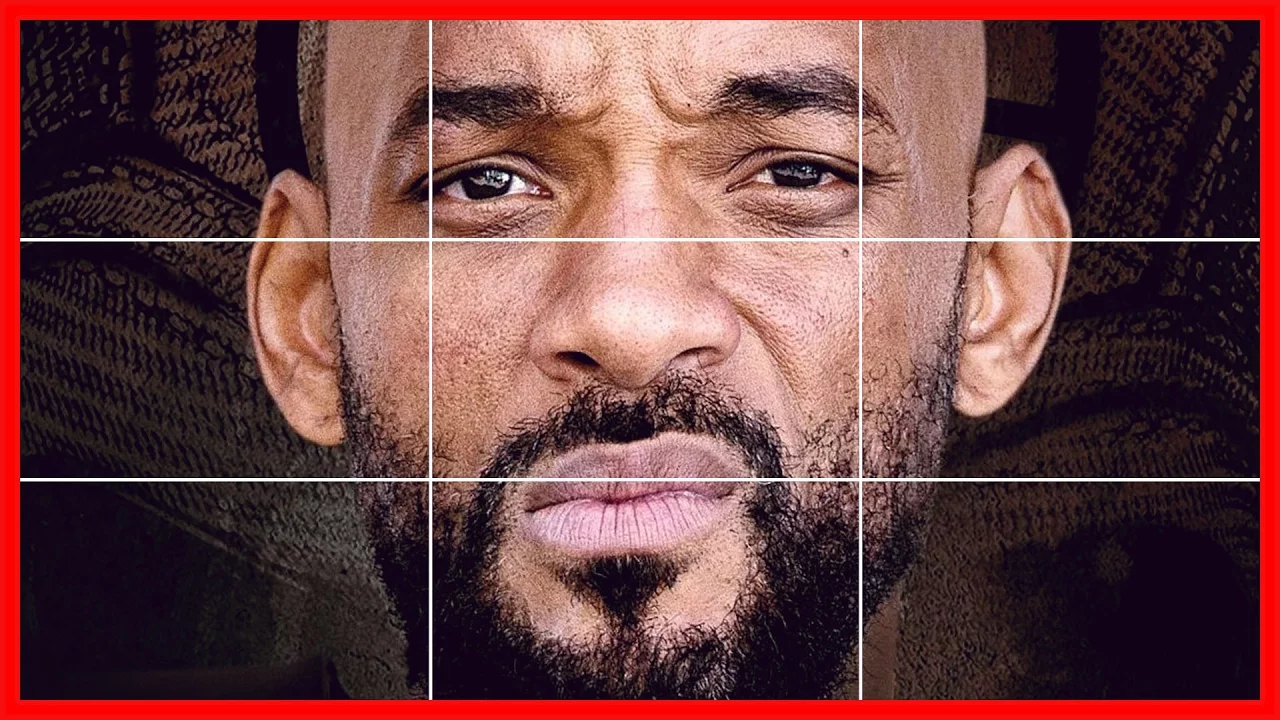
- Why this video: A comprehensive, structural breakdown of compositional frameworks. It explains the core mechanics of the Rule of Thirds, centering, leading lines, and most importantly, the execution of "look space" (allocating empty frame space in the direction a character faces) to prevent visual claustrophobia or intentionally create it.

- Why this video: This concise guide acts as a rapid review of the core techniques. It reinforces the geometrical division of the frame and how balanced visual units generate a sense of stability, setting up a standard that filmmakers can later disrupt to communicate tension.
Knowledge Checkpoint
- Define the Rule of Thirds and identify its intersection points in any static film frame.
- Explain the narrative function of "look space" (or nose room) and how denying a character this space alters their psychological vulnerability.
- Contrast balanced central framing with off-center compositions to determine which character holds spatial dominance.
- Identify leading lines within a frame and describe how they guide the viewer's eye toward the power source in a scene.
Module 2: Introduction to Cinematic Blocking
This module introduces character blocking—the art of staging and moving performers relative to both the camera and the setting. You will explore the historic transition of blocking from theatre to the screen, analyze how physical positioning serves as a continuous visual metaphor, and discover how master directors arrange figures in space to construct a silent, non-verbal narrative before a single word of dialogue is spoken.
Recommended Videos
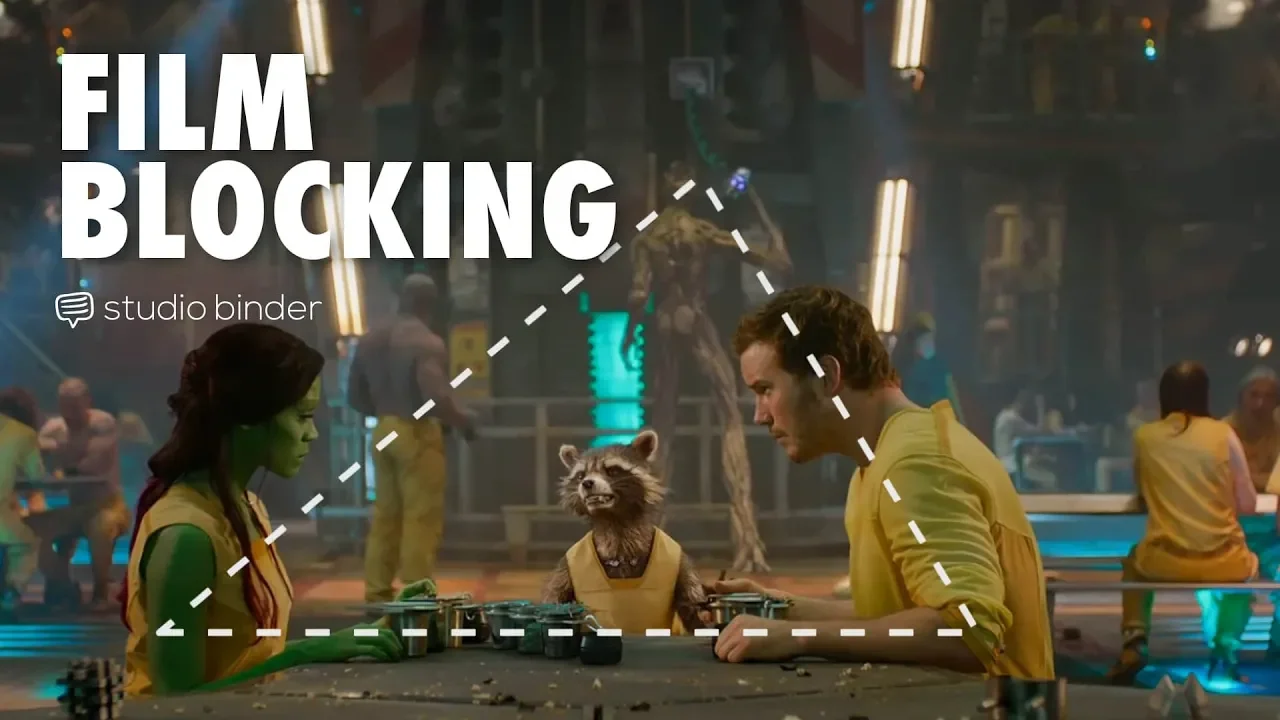
- Why this video: This video offers the foundational definitions of film blocking and staging. It introduces how physical space, structural shapes, and character alignment are manipulated by directors to map relationships and express underlying thematic tensions visually.
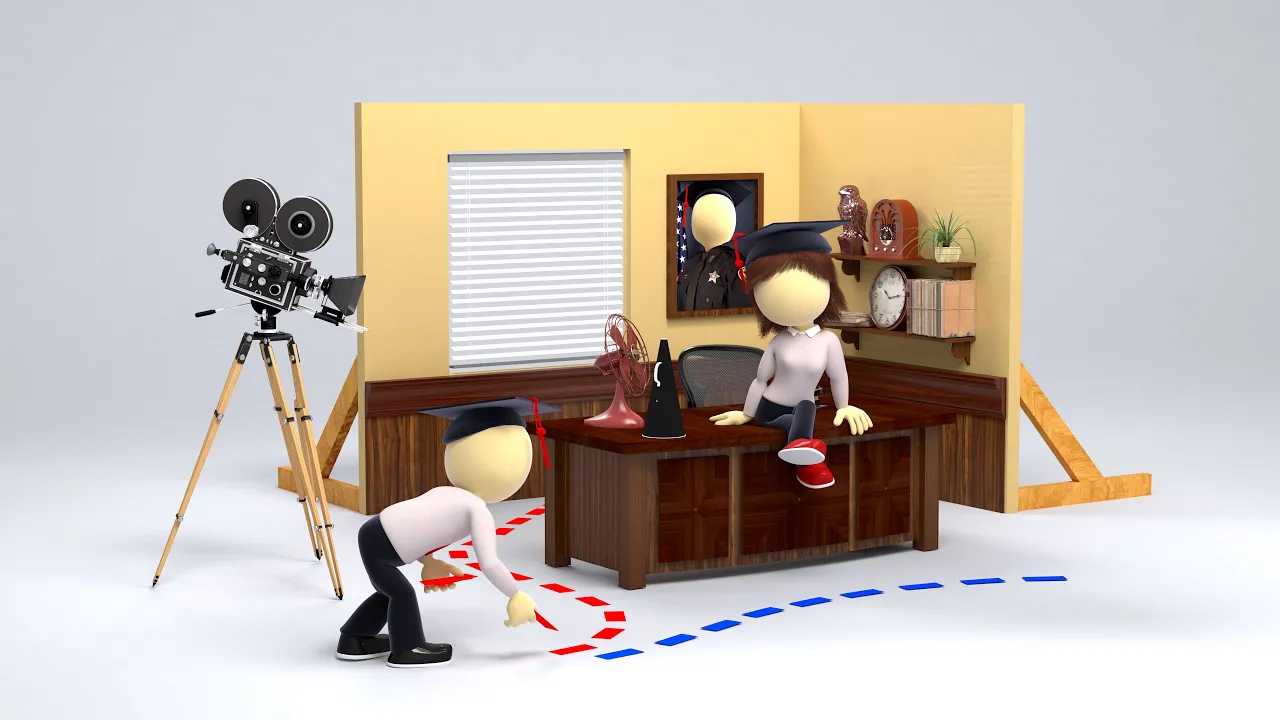
- Why this video: A phenomenal historical and practical analysis that showcases the transformation of a scene through staging choices. It demonstrates how changing the physical depth and relative distance of actors creates visual metaphors for power, authority, and intimacy.
- Why this video: Akira Kurosawa was the master of ensemble blocking. This case study demonstrates how he used geometric patterns, lines of sight, physical arrangements, and movement to depict shifts in social hierarchy and individual power within single, unbroken shots.
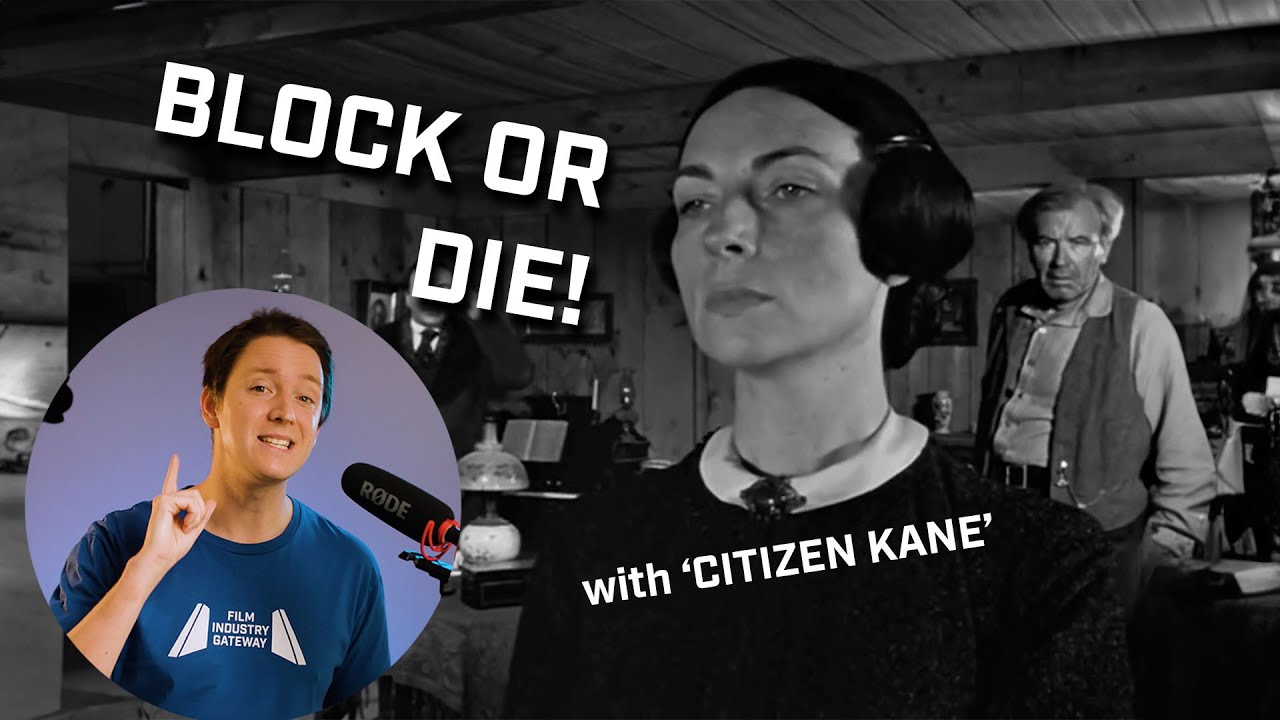
- Why this video: Utilizing Orson Welles' masterpiece, this breakdown illustrates deep focus composition and multi-layered staging. It illustrates how foreground, midground, and background characters interact within a single frame to show dynamic power dynamics as characters grow or shrink in significance.
Knowledge Checkpoint
- Differentiate clearly between character "blocking" (the choreography of performance) and camera "staging" (placement of the camera in relation to the scene).
- Identify foreground, midground, and background layers in a deep-focus shot and explain how a character's placement in these layers signals their influence.
- Analyze how a director uses geometric shapes (triangles, lines, circles) in character positioning to convey authority.
- Describe how Akira Kurosawa translates character motivation into physical choreography across a frame.
Module 3: Camera Angles and Power Dynamics
This module investigates the vertical dimension of the frame. You will examine the psychological impact of camera height, exploring how low angles project authority, dominance, and intimidation, while high angles induce vulnerability, subjection, and exposing anxiety.
Curatorial Note on Video Selection
⚠️ Curriculum Gap: There is a lack of standalone, dedicated tutorials on YouTube that exclusively analyze camera height and vertical angles mapped directly to psychological dominance.
To bridge this gap, study the case studies below to see these concepts in action. For independent study, search YouTube using these queries:
how camera angles show power dynamics cinematographyhow directors use camera height to show control and vulnerability
Recommended Videos

- Why this video: A clear, academic introduction to high and low-angle shots. It sets the baseline rules of the physical relationships between the camera lens and the subject, illustrating how camera height immediately manipulates the scale and psychological presence of a character.

- Why this video: Using the iconic interrogation scene from The Dark Knight, this short analysis demonstrates how high/low-angle cuts are deployed in real-time to signal who holds psychological dominance. It reveals how the camera subtly tilts and reframes to reflect shifts in conversational control.
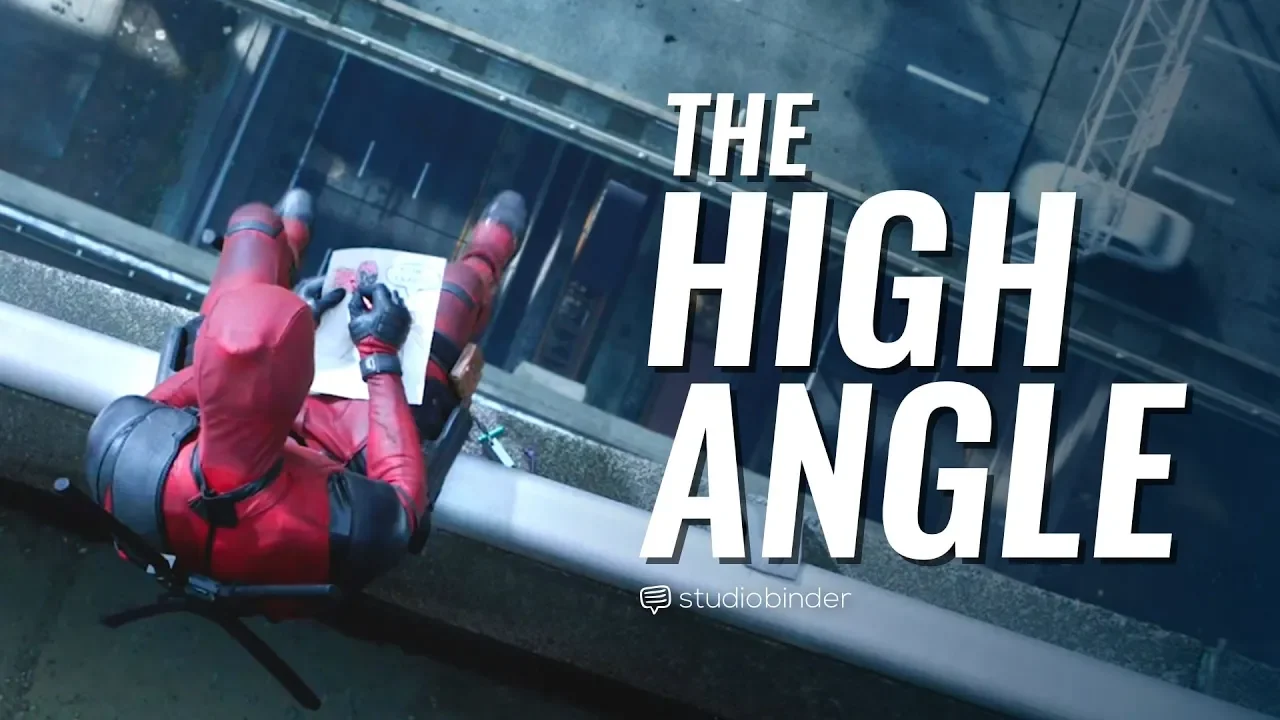
- Why this video: This guide breaks down the high-angle shot into sub-types, explaining how narrative high angles are used to emphasize isolation, scale, and the lack of power a protagonist holds in relation to their wider environment.
- Why this video: Provides a real-time cinematic analysis of how camera placement immediately informs character status. It shows how looking up at a figure instantly elevates their physical stature, communicating intimidation and dominance before any physical action takes place.
Knowledge Checkpoint
- Explain the psychological shift that occurs when a camera transitions from a flat eye-level shot to a low-angle shot of the same character.
- Identify a high-angle shot in a scene and describe how it exposes a character's vulnerability or lack of environmental control.
- Analyze the editing rhythm of The Dark Knight's interrogation scene to demonstrate how editing cuts sync with physical camera angles to show power shifts.
- Differentiate between a subtle low angle and an extreme low angle in terms of how they establish character authority.
Module 4: Cinematic Proxemics: Spatial Relations and Tension
This module adapts anthropologist Edward T. Hall's sociological framework of "proxemics" to visual film analysis. You will study how physical distance between actors in a frame correlates directly with psychological and narrative tension. By exploring the camera's spatial arrangement in relation to subject positioning, you will understand how proximity can indicate trust, intimacy, discomfort, or threat.
Curatorial Note on Video Selection
⚠️ Curriculum Gap: Broad, film-specific tutorials focusing exclusively on cinematic proxemics are scarce.
To balance this, we start with a foundational video on the general science of proxemics and apply those physical concepts to specific cinematic examples in the follow-up videos. For additional self-guided research, search:
proxemics in film staging and character relationships video essay
Recommended Videos
- Why this video: An excellent overview of the anthropological science of proxemics. It defines the four spatial zones (public, social, personal, intimate) and explains how humans psychologically perceive distance—providing the analytical lexicon you need to evaluate characters sharing cinematic space.
- Why this video: This student analysis directly applies the concept of proxemics to film staging. It breaks down how characters moving across a room closer to one another represents emotional development, shifting trust levels, and a physical narrowing of conversational distance.

- Why this video: This academic lesson covers "territorial positions" (five distinct camera-to-subject angles, from full frontal to back-to-camera) and explains how filmmakers control visual intimacy and emotional vulnerability through character orientation.
Knowledge Checkpoint
- Define proxemics and list Edward T. Hall's four spatial zones.
- Explain how a filmmaker creates psychological tension by having one character violate another's "intimate zone" on screen.
- Analyze the difference in psychological intimacy between a "full frontal" territorial position and a character positioned "profile" or "back-to-camera."
- Describe how spatial distance is used as a physical substitute for emotional connection or estrangement in a dialogue scene.
Module 5: Dynamic Blocking and Shifting Power
This module examines scenes in constant motion. Power dynamics are rarely static; they shift in real-time. You will learn the exact physical mechanics of how power transitions mid-scene: how a character standing up alters conversational leverage, how characters moving closer or farther away from the lens changes depth dynamics, and how camera movement syncs with character motion to transfer control.
Curatorial Note on Video Selection
⚠️ Curriculum Gap: There are very few YouTube videos that walk through the precise physical staging mechanics of real-time power shifts (such as changing heights and dynamic depth shifts).
Use these case studies to analyze how minor physical transitions carry profound narrative weight. For further study, search:
character movement blocking power shift scene analysis
Recommended Videos
- Why this video: This video uses a classic dinner table scene to demonstrate how dynamic blocking shifts power. It explains how keeping a scene mostly static makes any sudden movement—like a character standing up—feel explosive, dramatically changing vertical height relationships and emotional control.
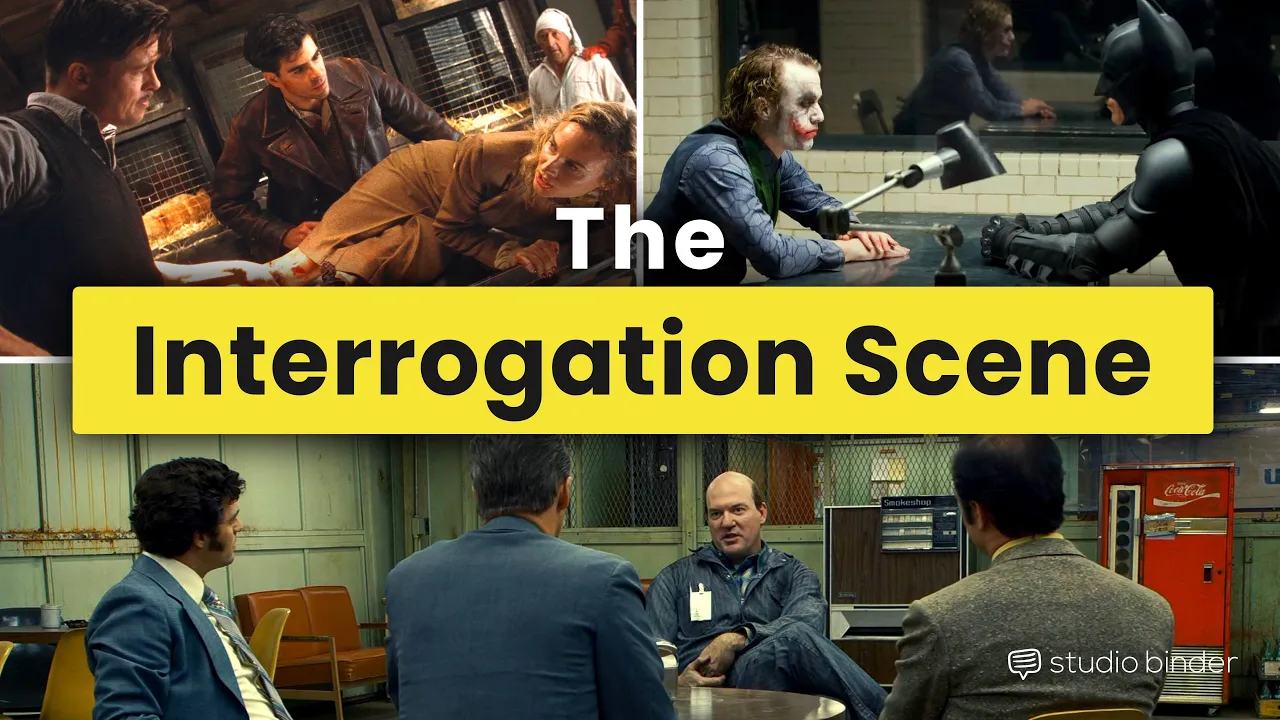
- Why this video: This masterclass essay compares how three legendary directors map shifting power structures within interrogation scenes. It breaks down the mechanical transitions of power from interrogator to suspect, showing how camera proximity and physical blocking chart these changes.

- Why this video: Focuses on the synchronization of script intent and camera choreography. It shows how the physical camera operates as an active participant in a scene's power balance, moving as if pulled by the metaphorical gravity of changing character power dynamics.
Knowledge Checkpoint
- Describe the psychological impact of a character changing vertical levels (e.g., standing up from a seated position) mid-dialogue.
- Explain how "Spielberg’s dinner scene trick" uses baseline stillness to amplify the narrative weight of a sudden physical movement.
- Analyze how Quentin Tarantino, David Fincher, or Christopher Nolan visually navigate the shift of power in an interrogation sequence without using dialogue cues.
- Define "motivated camera movement" and explain how it relates to shifts in character power.
Module 6: Contemporary Case Studies
This final module synthesizes everything you have learned. You will apply your analytical skills to three of the most visually precise, power-centric properties in contemporary cinema and television: Bong Joon-ho’s Parasite, HBO’s Succession, and the filmography of David Fincher. You will decode how these directors utilize spatial design, camera tracking, and meticulous staging to make power dynamics visible.
Recommended Videos
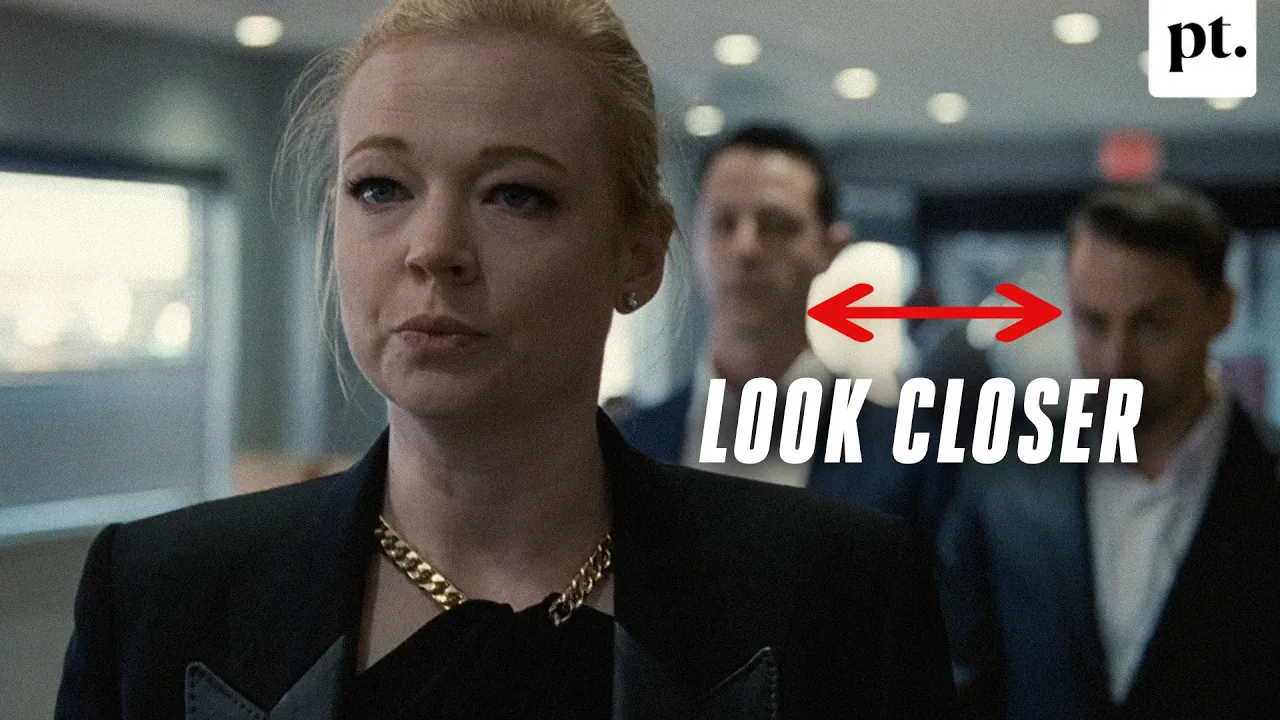
- Why this video: An incredible breakdown of how Succession maps corporate and familial hierarchies. It analyzes how the show uses camera placement, focal shifts, and blocking to expose alliances, internal betrayals, and systemic power plays before any corporate double-speak is uttered.

- Why this video: David Fincher is famous for his precise control over what the viewer sees. This essay breaks down how Fincher moves the camera in perfect synchronization with his characters' movements, locking the viewer into their physical behavior and psychological headspace.
- Why this video: A deep dive into Fincher’s blocking principles. It details his use of precise physical geometry, environmental frames-within-frames, and low-key tracking to map power hierarchies and domestic capture in movies like Gone Girl and The Social Network.

- Why this video: Bong Joon-ho’s Parasite is a masterclass in spatial class conflict. This video essay analyzes how the director uses vertical space, steps, staircases, and camera height to visually map the class struggle, turning physical height into a direct metaphor for socio-economic power.
Knowledge Checkpoint
- Explain how the handheld camera work in Succession operates as an observer of shifting loyalties and corporate deceit.
- Analyze how David Fincher syncs camera tracking velocity with a character’s physical movement to direct focus and map psychological control.
- Deconstruct Bong Joon-ho's vertical blocking in Parasite to show how class division is expressed purely through visual heights and stairs.
- Contrast the precise, locked-down camera movement of David Fincher with the loose, documentary-style zoom structure of Succession in terms of how they establish character control.
Course Map
This flowchart maps your learning path. It illustrates the progression from static composition concepts through dynamic physical staging, culminating in advanced case studies of contemporary cinematic masters.
Key People Index
- Akira Kurosawa: Legendary Japanese director who pioneered ensemble blocking, using physical grouping and geometry to reflect narrative shifts and societal hierarchies.
- Edward T. Hall: Cultural anthropologist who created "Proxemics" (the study of human spatial boundaries), a structural theory adapted by filmmakers to map relationship tension through lens and character proximity.
- David Fincher: A contemporary director known for visual precision, famous for matching camera panning speeds exactly to character movements to control visual focus.
- Bong Joon-ho: Acclaimed Korean auteur who uses set layouts, vertical levels, and staircases to turn class struggles into physical, spatial blocking.
Final Self-Assessment
To verify your mastery of spatial composition and character blocking, you should be able to check off every analytical milestone below when watching any contemporary cinematic sequence:
- Static Framing Identification: Locate the Rule of Thirds grid within a frozen shot and explain how off-center subjects affect visual stability.
- Look Space Evaluation: Identify when "look space" is deliberately omitted from a framing arrangement and analyze the psychological effect of this choice.
- Staging vs. Blocking Distinction: Watch a complex scene and clearly separate director blocking (actor choreography) from camera staging (movement and tracking).
- Depth-of-Field Dynamics: Point out the foreground, midground, and background characters in a deep-focus shot and explain how their placements reflect their narrative influence.
- Angle Psychology Analysis: Identify high-angle, low-angle, and eye-level shots, and explain how the changing heights influence character authority or vulnerability.
- Spatial Proxemic Mapping: Use Edward T. Hall's zones of distance to categorize a spatial interaction and determine if a character's personal space is being crossed to establish dominance.
- Territorial Angle Analysis: Determine if a character is shot full-frontal, profile, or back-to-camera, and explain how their visual profile affects emotional intimacy.
- Level-Shift Breakdown: Trace the exact frame when a character changes physical levels (e.g., stands up, sits down, or climbs stairs) and assess the resulting shift in power.
- Motivated Movement Tracking: Identify if a tracking shot is "motivated" by a character's physical choreography or if it is an "unmotivated" camera move designed to build external dread.
- Social Architecture Analysis: Deconstruct a scene from Parasite or a contemporary equivalent and show how vertical set elements represent systemic socio-economic divisions.