Administrative State: Power, Rules & Oversight
Learning Goal: Evaluate the power of the modern administrative state, analyzing how unelected bureaucracies exercise regulatory authority and navigate legislative and executive oversight.
- Prerequisites: Basic understanding of the three branches of the U.S. government (Legislative, Executive, Judicial) and foundational constitutional principles (Separation of Powers, Articles I, II, and III).
- Estimated Study Time: 12 Hours
Module 1: Foundations of the Bureaucracy & Constitutional Context
This module explores the historical origins of the federal bureaucracy, the constitutional separation of powers, and the structural design that has led critics and scholars alike to refer to the modern administrative state as an unofficial "fourth branch" of government.
Why this video: This video provides an essential baseline for understanding the federal bureaucracy. It defines what a bureaucracy is, highlights its core characteristics—hierarchical structure, job specialization, and formal rules—and explains why large-scale institutions rely on these systems to implement complex tasks efficiently.
Knowledge Checkpoint:
- Define "bureaucracy" and explain its three primary organizational principles.
- Understand why Congress delegates implementation power to administrative experts.
- Identify how specialized offices help organize federal administrative functions.
Why this video: This video categorizes the federal bureaucracy into four distinct institutional structures. Understanding these divisions is key to analyzing how much direct oversight the President or Congress can exert over various agencies.
Knowledge Checkpoint:
- Distinguish between the four types of federal bureaucracies: cabinet departments, independent regulatory commissions, government corporations, and independent executive agencies.
- Explain why independent regulatory commissions require Senate confirmation but are insulated from direct presidential removal.

Why this video: This deep-dive academic lecture from Stanford Law School examines the constitutional history of the administrative state. It details how the bureaucracy grew through a process of constitutional continuity, and how New Deal lawyers strategically framed expanded government programs to align with traditional constitutional principles.
Knowledge Checkpoint:
- Trace the historical expansion of the administrative state from the early republic through the New Deal.
- Analyze the arguments surrounding whether the administrative state represents a "radical break" or a "constitutional continuation" of the Founders' design.
Module 2: How Agencies Make Law: Rulemaking & Adjudication
This module breaks down how executive agencies exercise quasi-legislative and quasi-judicial powers. You will analyze the role of the Administrative Procedure Act (APA), the mechanics of notice-and-comment rulemaking, and how agency courts adjudicate regulatory disputes.
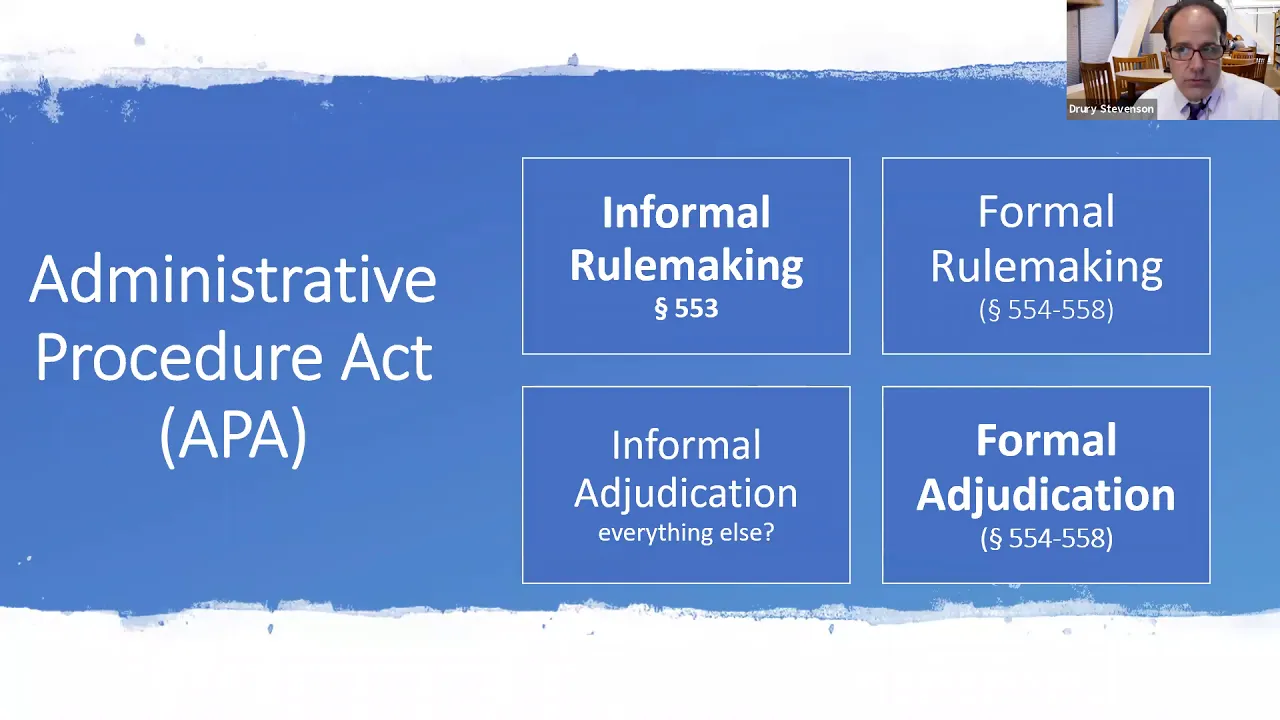
Why this video: This video introduces the Administrative Procedure Act (APA) of 1946, the fundamental procedural statute governing federal agencies. It outlines how the APA functions as a "rulebook for the regulators," ensuring transparency, public participation, and judicial review without defining substantive policies itself.
Knowledge Checkpoint:
- Explain the historical context that led to the passage of the APA in 1946.
- Define the core purpose of the APA in regulating administrative agencies.
- Distinguish between substantive rules (which have the force of law) and procedural/interpretive rules.
![Agency Rulemaking - Formal and Informal [No. 86]](https://i.ytimg.com/vi/5R9srsr1vf0/maxresdefault.jpg)
Why this video: This video focuses on the mechanical processes agencies use to write regulations. It contrasts "formal rulemaking"—which requires trial-like public hearings—with the far more common "informal rulemaking" process, also known as notice-and-comment.
Knowledge Checkpoint:
- Outline the three steps of the informal "notice-and-comment" rulemaking process.
- Differentiate between formal and informal rulemaking in terms of procedural complexity and court-like requirements.

Why this video: Agencies do not just write broad regulations; they also interpret laws through case-by-case administrative hearings. This video examines the landmark Supreme Court case NLRB v. Bell Aerospace (1974), which established that agencies have broad discretion to choose between formal rulemaking and individual adjudication to set policy.
Knowledge Checkpoint:
- Explain how an administrative agency can establish binding rules through case-by-case adjudication.
- Summarize the legal holding of NLRB v. Bell Aerospace regarding agency discretion.
Why this video: This video provides a concrete, real-world case study (Mock v. Garland) analyzing how agencies can run afoul of the APA. It explains how the ATF violated procedural requirements by issuing a final rule that was not a logical outgrowth of its proposed rule, highlighting how courts hold agencies accountable.
Knowledge Checkpoint:
- Define the "logical outgrowth" test in administrative rulemaking.
- Understand how a failure to connect a proposed rule to a final rule can lead federal courts to strike down an agency's regulatory action.
Module 3: Executive Control & The Unitary Executive
This module covers the constitutional and administrative tools the President uses to control executive agencies. It analyzes the Unitary Executive Theory, presidential removal powers, and regulatory clearance via the Office of Information and Regulatory Affairs (OIRA).
![What is OIRA Review? [No. 86]](https://i.ytimg.com/vi_webp/qC4LI6U4maY/maxresdefault.webp)
Why this video: This short explainer highlights the Office of Information and Regulatory Affairs (OIRA), a critical node of presidential control. It details how OIRA reviews draft regulations to ensure they align with the President's policy agenda, coordinates inter-agency mandates, and performs cost-benefit analyses.
Knowledge Checkpoint:
- Identify OIRA’s three-part review process for federal regulations.
- Explain how OIRA acts as a tool of executive control over the administrative state.
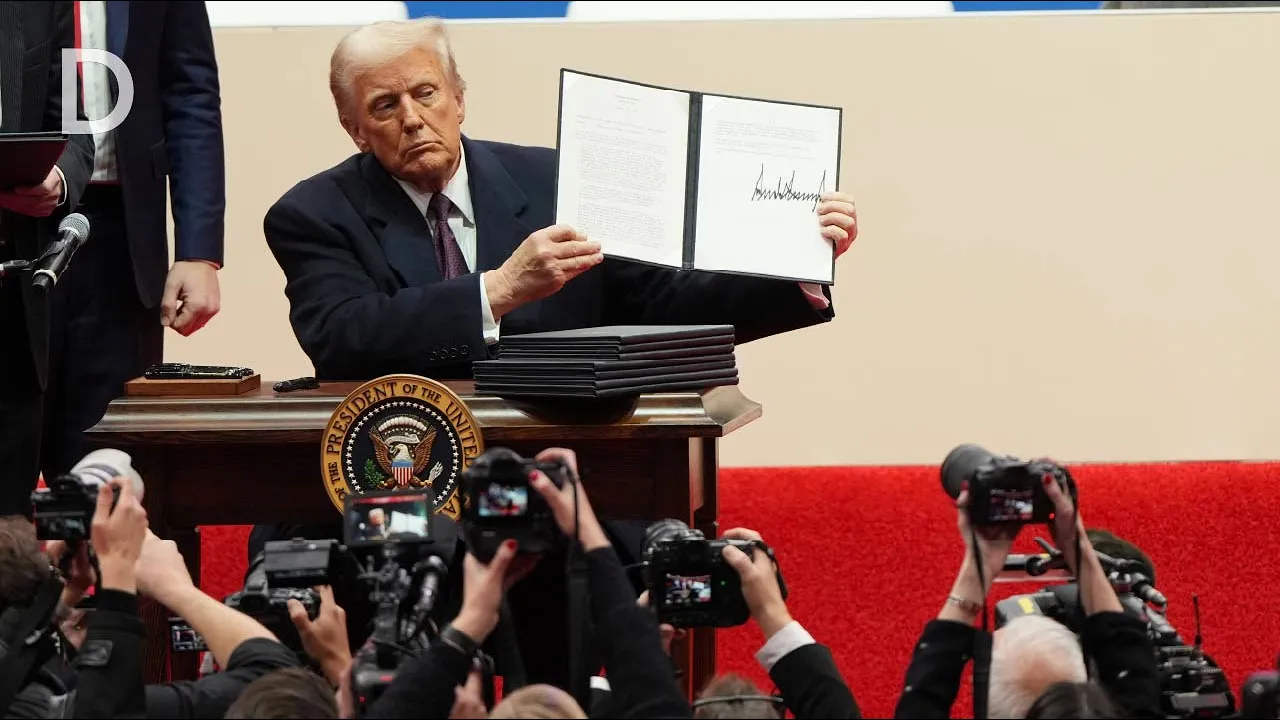
Why this video: This in-depth video explores the Unitary Executive Theory, a constitutional doctrine arguing that Article II grants the President complete control over the entire executive branch. It discusses the theory's history and its implications for independent agencies like the DOJ and FTC.
Knowledge Checkpoint:
- Define the Unitary Executive Theory and identify its constitutional basis in Article II.
- Describe how this theory challenges the existence of independent agency heads insulated from presidential dismissal.

Why this video: This Frontline segment traces the intellectual expansion of presidential power from Watergate through the Trump administration. It illustrates how various administrations have sought to consolidate control over the bureaucracy, transforming separation of powers debates into practical political fights.
Knowledge Checkpoint:
- Trace the historical evolution of executive power expansion since the late 20th century.
- Explain the political and constitutional tensions that arise when a President attempts to bypass or assert direct authority over career federal agencies.
Module 4: Legislative Checks & Judicial Review
This module shifts focus to how the other branches limit agency power. You will examine Congress's legislative oversight powers, alongside the landmark judicial transformations that have redefined federal oversight—including the end of Chevron deference and the rise of the Major Questions Doctrine.
Note on Video Coverage: While the video pool features a rich selection of judicial review content (specifically regarding Chevron and the Major Questions Doctrine), direct coverage of congressional oversight mechanisms is less represented. To round out your studies, pay close attention to how legislative specificity and appropriations are discussed as counter-weights to judicial and executive expansion.
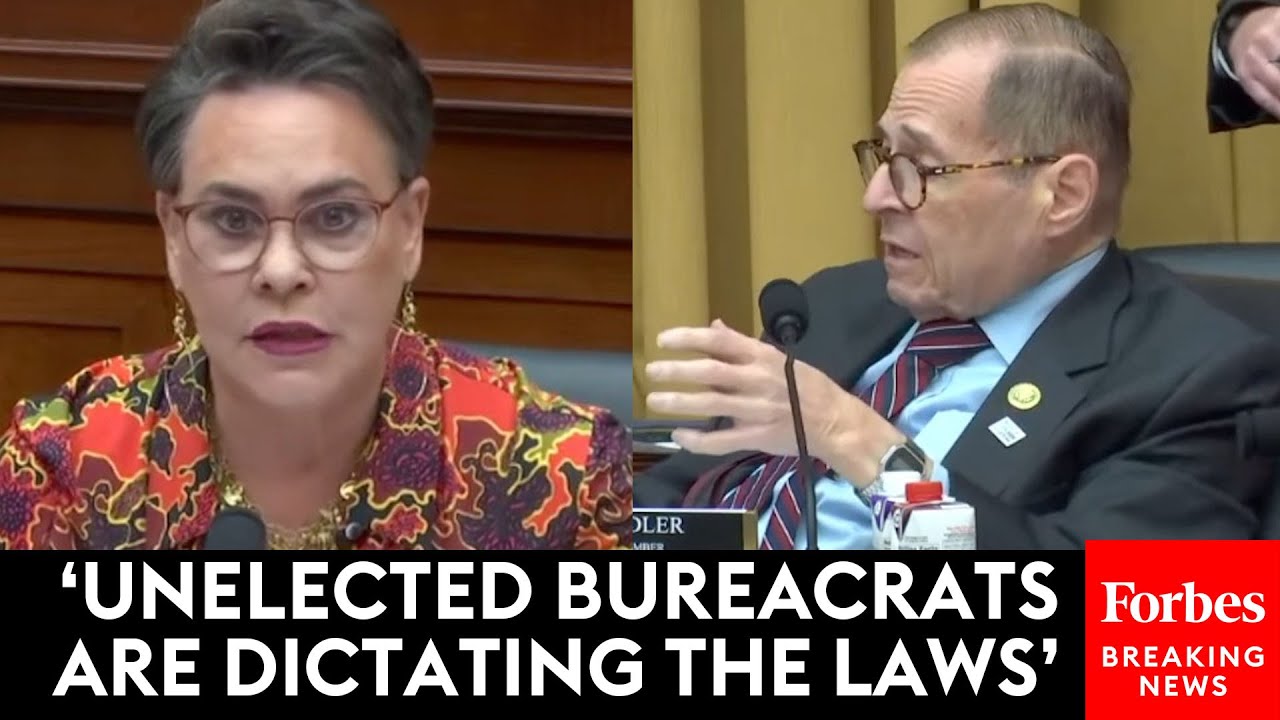
Why this video: This clip highlights the core statutory tools Congress possesses to assert control over federal agencies. It outlines the legislative branch's power to write highly detailed delegations of authority and use appropriations (the "power of the purse") to limit agency activities.
Knowledge Checkpoint:
- Explain how Congress can use statutory language to limit the scope of administrative agency actions.
- Identify how funding restrictions in appropriations bills act as a check on regulatory agencies.

Why this video: This comprehensive video explains the monumental 2024 Supreme Court decision Loper Bright Enterprises v. Department of Commerce, which overturned the 40-year-old Chevron deference doctrine. It details the history of how courts previously deferred to agency interpretations of ambiguous statutes and how this shift reshapes the balance of power.
Knowledge Checkpoint:
- Define "Chevron deference" and explain how it functioned from 1984 to 2024.
- Analyze how the Supreme Court's ruling in Loper Bright shifts the duty of statutory interpretation from executive agencies back to federal judges.
![The Major Questions Doctrine: A Question or an Answer for Administrative Law? [RTP Explainer]](https://i.ytimg.com/vi/vPn7SGrWZoM/maxresdefault.jpg)
Why this video: This video explains the Major Questions Doctrine, a judicial principle that requires clear and explicit congressional authorization for agency rules that have "vast economic and political significance."
Knowledge Checkpoint:
- Identify the two primary criteria used by courts to trigger the Major Questions Doctrine.
- Explain how this doctrine limits the ability of agencies to address novel problems (like climate change or public health crises) using old, broad statutory mandates.

Why this video: This detailed legal analysis bridges abstract constitutional theory with the everyday, practical application of administrative law. It explains how the overturning of Chevron deference affects the decisions of Administrative Law Judges (ALJs) and individuals navigating systems like the Social Security Administration.
Knowledge Checkpoint:
- Explain how shifting judicial review standards affects the daily adjudication of public benefits.
- Identify the role of Administrative Law Judges (ALJs) within federal benefit systems.
Module 5: The Civil Service, Schedule F, and the Modern State
This module investigates the civil service framework, tracing its historical transition from the 19th-century "spoils system" to a merit-based meritocracy under the Pendleton Act. You will also analyze modern debates surrounding the "deep state," Schedule F reclassifications, and executive branch restructuring.
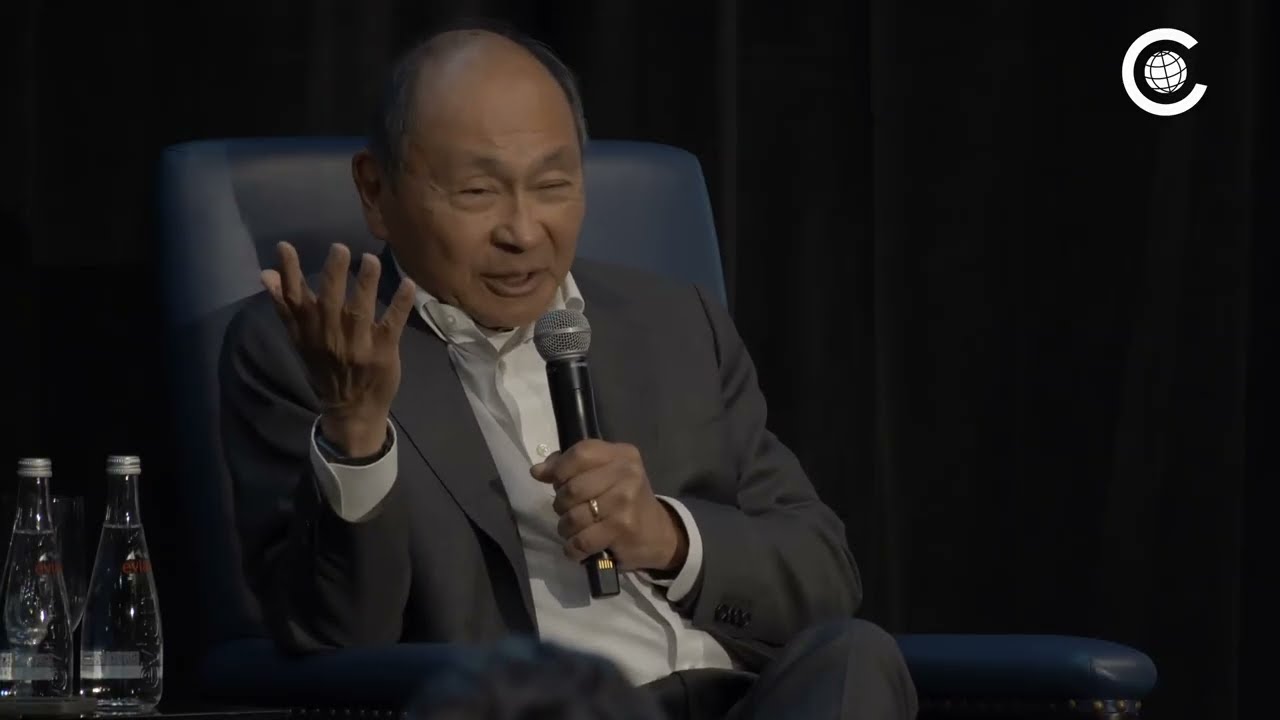
Why this video: Prominent political scientist Francis Fukuyama provides a concise overview of the U.S. civil service's history. He contrasts the 19th-century patronage system with the meritocratic framework established by the Pendleton Act of 1883, highlighting the structural value of an independent, expert bureaucracy.
Knowledge Checkpoint:
- Contrast a political patronage ("spoils") system with a merit-based civil service system.
- Explain why the Pendleton Act of 1883 required competitive examinations for federal employment.

Why this video: This brief historical segment details the dramatic catalyst for civil service reform: the 1881 assassination of President James Garfield by a disgruntled office-seeker. It explains how this event pressured his successor, Chester A. Arthur, to champion and sign the Pendleton Act.
Knowledge Checkpoint:
- Summarize the events surrounding the assassination of President James Garfield and its connection to civil service reform.
- Identify Chester A. Arthur's unexpected role in establishing clean government reforms.

Why this video: This video focuses on the modern battle over the civil service, specifically analyzing proposals to reinstate "Schedule F." It explains how this reclassification would strip civil service job protections from tens of thousands of career bureaucrats, effectively allowing them to be replaced by political appointees.
Knowledge Checkpoint:
- Define "Schedule F" and explain how it differs from traditional civil service classifications.
- Analyze the arguments for how reclassifying career civil servants could impact the neutral execution of federal laws.
Why this video: This video examines the policy frameworks and objectives proposed by conservative organizations (like the Heritage Foundation's Project 2025) to scale back the administrative state. It discusses the perspective that unelected agencies have grown into an unaccountable "fourth branch" and outlines methods proposed to restore democratic accountability.
Knowledge Checkpoint:
- Explain the conservative critique of the "permanent bureaucracy."
- Describe the primary policy mechanisms proposed to dismantle or downsize administrative departments.
Course Map
This flowchart outlines the structural progression of the curriculum, tracking how constitutional theory moves into procedural enforcement, executive/legislative pushback, and modern structural reforms.
Key People Index
- Francis Fukuyama: Senior Fellow at Stanford University and political scientist. Known for his comprehensive work on the development of state institutions, political order, and the defense of professional, merit-based bureaucracies over political clientelism.
- Robert Bork: Prominent 20th-century conservative legal scholar and judge. He was instrumental in developing modern conceptual frameworks for the Unitary Executive Theory during the Reagan administration.
- Chester A. Arthur: The 21st U.S. President. Despite rising through the ranks of the New York political machine's spoils system, he championed and signed the landmark Pendleton Civil Service Reform Act of 1883 following James Garfield's assassination.
- Andrew Jackson: The 7th U.S. President. Jackson historically codified and defended the "spoils system," arguing that political patronage democratized government positions by cycling out permanent elites.
Final Self-Assessment
Complete this comprehensive self-assessment to verify your mastery of the modern administrative state:
- I can define the core characteristics of a bureaucracy (hierarchy, specialization, division of labor) and classify the four primary types of federal agencies.
- I can explain how the New Deal served as a major turning point for the expansion of federal regulatory power.
- I can outline the administrative rulemaking process under the Administrative Procedure Act (APA), specifically tracing the steps of informal notice-and-comment.
- I can explain the legal difference between administrative rulemaking and administrative adjudication, citing NLRB v. Bell Aerospace.
- I can define the "logical outgrowth" test and explain how courts handle APA violations.
- I can articulate the constitutional arguments under Article II supporting the Unitary Executive Theory.
- I can explain the structural function of the Office of Information and Regulatory Affairs (OIRA) in regulatory clearance.
- I can detail how Congress check agencies through enabling legislation and appropriations.
- I can explain "Chevron deference" and analyze how the 2024 Loper Bright ruling changed how federal courts review agency interpretations of ambiguous statutes.
- I can state the criteria that trigger the Major Questions Doctrine and how it limits regulatory power.
- I can explain the difference between the 19th-century spoils system and the merit-based civil service established by the Pendleton Act of 1883.
- I can analyze the modern debate surrounding "Schedule F" and the potential reclassification of career civil servants.