Stress Neurobiology: Mechanisms & Resilience
Learning Goal: Analyze the psychobiological mechanisms of chronic stress on the brain and evaluate evidence-based cognitive and behavioral interventions for building psychological resilience.
- Prerequisites: Introductory biology or basic neuroanatomy recommended but not required.
- Estimated Total Study Time: 14 hours
Module 1: Foundations of the Nervous System and Stress Response
This module establishes the core neuroendocrine pathways that govern how the human body reacts to challenges. You will learn to differentiate between acute and chronic stress, map the signaling pathways of the sympathetic nervous system, and understand the hormonal cascade of the hypothalamic-pituitary-adrenal (HPA) axis.
Why this video
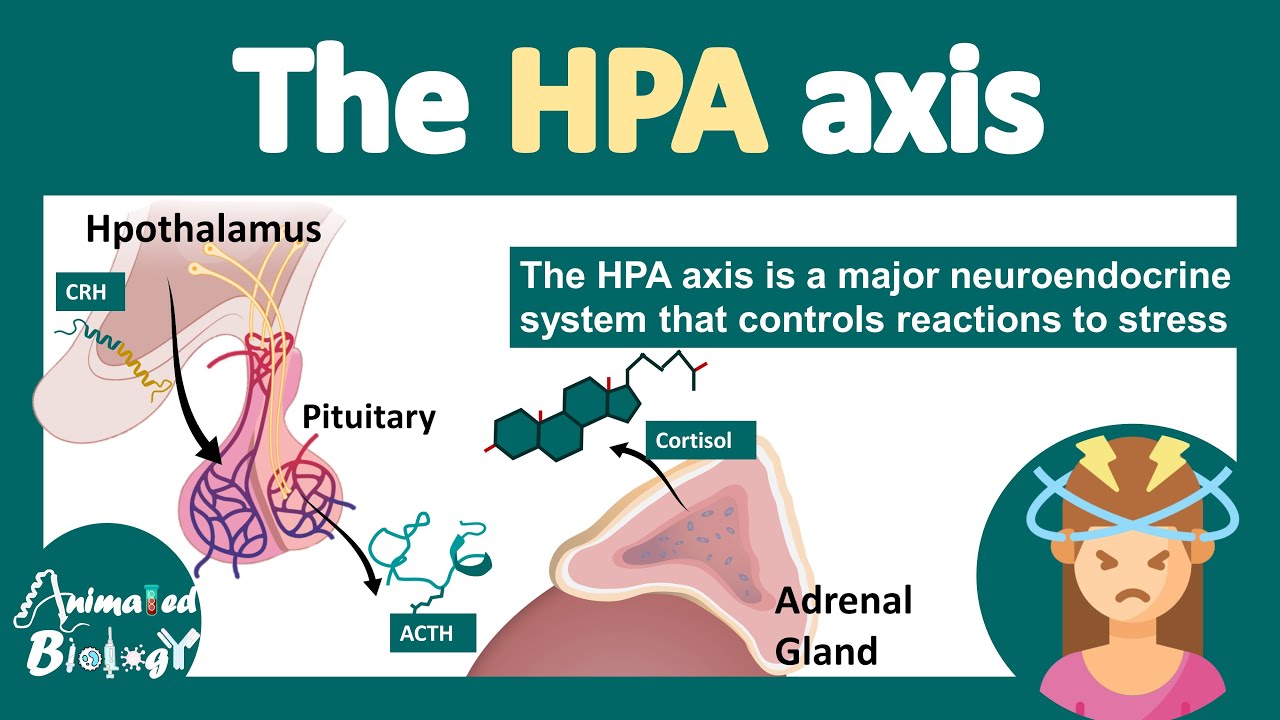
This animated guide simplifies the complex neuroendocrine mechanics of the HPA axis. It maps out the cellular communication pathway starting from the release of corticotropin-releasing hormone (CRH) from the hypothalamus, through adrenocorticotropic hormone (ACTH) secretion from the pituitary, to the synthesis of glucocorticoids (cortisol) in the adrenal cortex.

Why this video
Dr. Robert Sapolsky contextualizes our biological systems from an evolutionary perspective. He explains why a system designed for short-term physical crises (e.g., escaping a predator) becomes highly destructive when continuously activated by modern, long-term psychosocial stressors.

Why this video
This Stanford-produced overview bridges the gap between survival mechanisms and pathology. It outlines how autonomic shifts (such as blood pressure elevation and digestive inhibition) transform from protective actions during acute stress into chronic cardiovascular and metabolic threats over time.
Knowledge Checkpoint
- Diagram the hormonal cascade of the HPA axis, listing the three main glands and their respective primary signal chemicals (CRH, ACTH, and Cortisol).
- Explain the difference in evolutionary purpose between the acute fight-or-flight response and the chronic stress response.
- Describe how prolonged cortisol circulation affects systemic homeostatic balance.
Module 2: The Chronically Stressed Brain: Structural Changes
Sustained high levels of cortisol alter brain anatomy. In this module, you will analyze how chronic stress causes structural remodeling in three critical brain areas: the prefrontal cortex, the amygdala, and the hippocampus. You will also study the mechanisms of neuroplasticity and neural pruning.

Why this video
This animation details how chronic cortisol exposure leads to structural changes in the brain. It explains how high cortisol levels prune neural connections in the hippocampus and prefrontal cortex while increasing synaptic connections and density in the amygdala, shifting the brain into a persistent state of threat-reactivity.

Why this video
This landmark documentary features extensive research by Dr. Robert Sapolsky and other top neuroscientists. It shows how chronic stress shrinks brain cells in the hippocampus (impairing learning and memory), accelerates telomere shortening (leading to cellular aging), and increases abdominal fat storage.

Why this video
Neuroscientist Dr. Wendy Suzuki discusses the structural vulnerability of the hippocampus to high cortisol. She explains how chronic unmanaged stress prunes neural connections and harms the birth of new neurons (neurogenesis), highlighting the need for daily habits to protect these brain regions.
Why this video
This video explains the mechanisms of neuroplasticity—the brain's ability to reorganize and build new pathways. Understanding neuroplasticity is essential for learning how structural damage from chronic stress can be repaired through targeted interventions.
Knowledge Checkpoint
- Contrast the structural changes that occur in the amygdala with those in the prefrontal cortex during chronic stress.
- Explain why the hippocampus is uniquely vulnerable to long-term glucocorticoid exposure.
- Define neuroplasticity and outline how the brain rewires itself when stress levels drop.
Module 3: Systemic Impacts: Allostatic Load and Psychoneuroimmunology
This module explores how chronic stress affects the rest of the body. You will evaluate the concept of allostatic load (the biological cost of chronic adaptation) and explore psychoneuroimmunology—the science linking thoughts, hormonal responses, and immune system function.

Why this video
Dr. Gabor Maté introduces psychoneuroimmunology, demonstrating that the immune, endocrine, nervous, and emotional systems function as a single, integrated system. He explains how chronic emotional suppression and environmental stress can lead to physical illness and autoimmune diseases.

Why this video
This discussion defines allostatic load as the cumulative physical cost of modern stressors, such as constant screen stimulation and processed foods. It explains how these factors continuously drain metabolic energy, leading to chronic wear and tear on the body.

Why this video
This video explains how emotional stress directly alters the production and activity of white blood cells (lymphocytes, such as helper T cells). It shows how chronic distress weakens the body's defenses against infections and illnesses.
Why this video
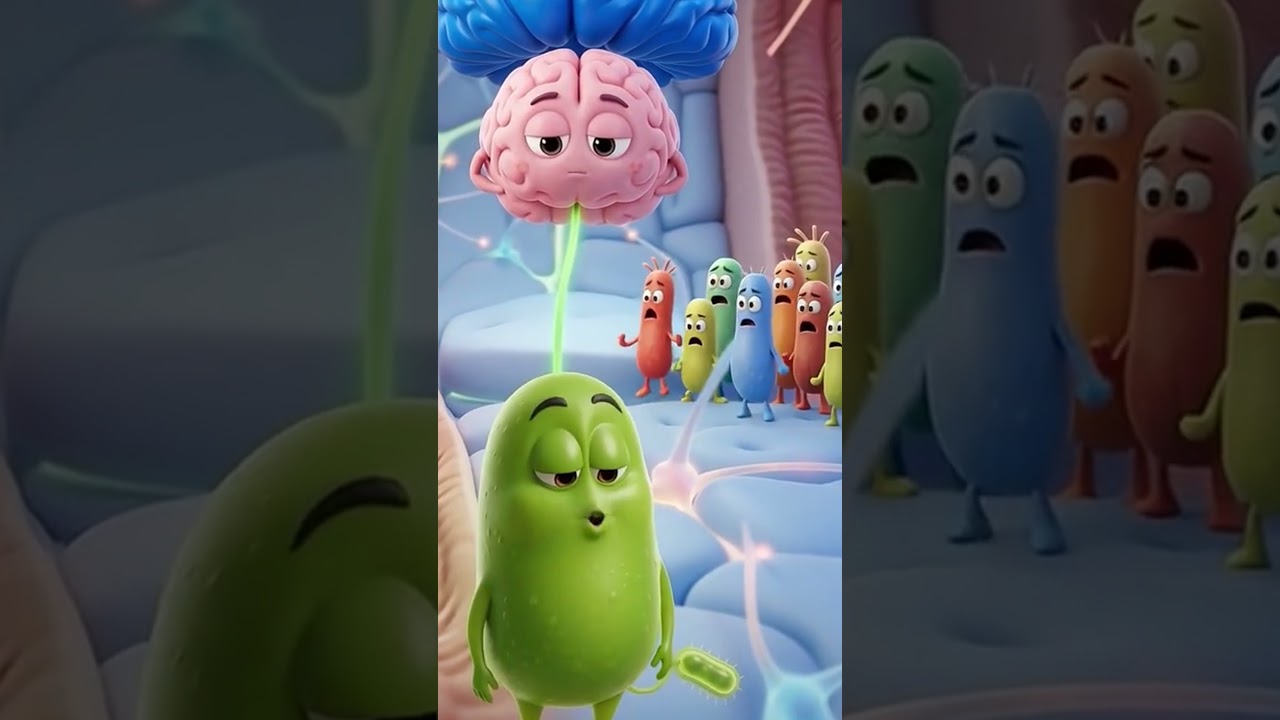
This short, animated guide explains how cortisol signals the digestive tract to slow down, leading to inflammation and bloating. It introduces the bidirectional communication of the gut-brain axis, showing how physical changes in the gut can trigger feelings of anxiety in the brain.
🔍 Gap-Filling Academic Note: The Molecular Pathways of PNI & Allostatic Load
The video pool contains strong high-level overviews but lacks deep coverage of specific molecular pathways. To master this area, please independently research these details:
- Proinflammatory Cytokines: Learn how chronic cortisol resistance in immune cells increases the production of inflammatory markers like IL-6, TNF-alpha, and C-reactive protein (CRP).
- Vagal Afferents & Gut Microbiota: Study how stress-induced dysbiosis alters the production of short-chain fatty acids (SCFAs), directly affecting central neuroinflammation via the vagus nerve.
Recommended Search Queries:
- "Psychoneuroimmunology glucocorticoid receptor resistance mechanism"
- "Allostatic load biomarkers IL-6 CRP physiological wear and tear"
Knowledge Checkpoint
- Define "allostatic load" and list three of its primary physiological markers.
- Explain how psychological stress leads to glucocorticoid receptor resistance in immune cells, causing chronic, low-grade systemic inflammation.
- Describe the two-way relationship of the gut-brain axis and how stress disrupts digestion.
Module 4: Cognitive Interventions and Mindfulness Science
In this module, you will explore evidence-based cognitive strategies, such as Cognitive Behavioral Therapy (CBT) and mindfulness, focusing on the neurobiology of cognitive reappraisal and changes in prefrontal-amygdala functional connectivity.

Why this video
This video presents the neurobiology of cognitive reappraisal, highlighting the landmark 2001 study by Ochsner et al. It shows how deliberate cognitive reframing activates the lateral prefrontal cortex, which in turn downregulates and calms the overactive amygdala.
Why this video
This video compiles neuroimaging studies to demonstrate how regular mindfulness meditation alters brain structure. It details changes such as increased gray matter density in the prefrontal cortex and hippocampus, alongside a physical reduction in amygdala volume.
Why this video
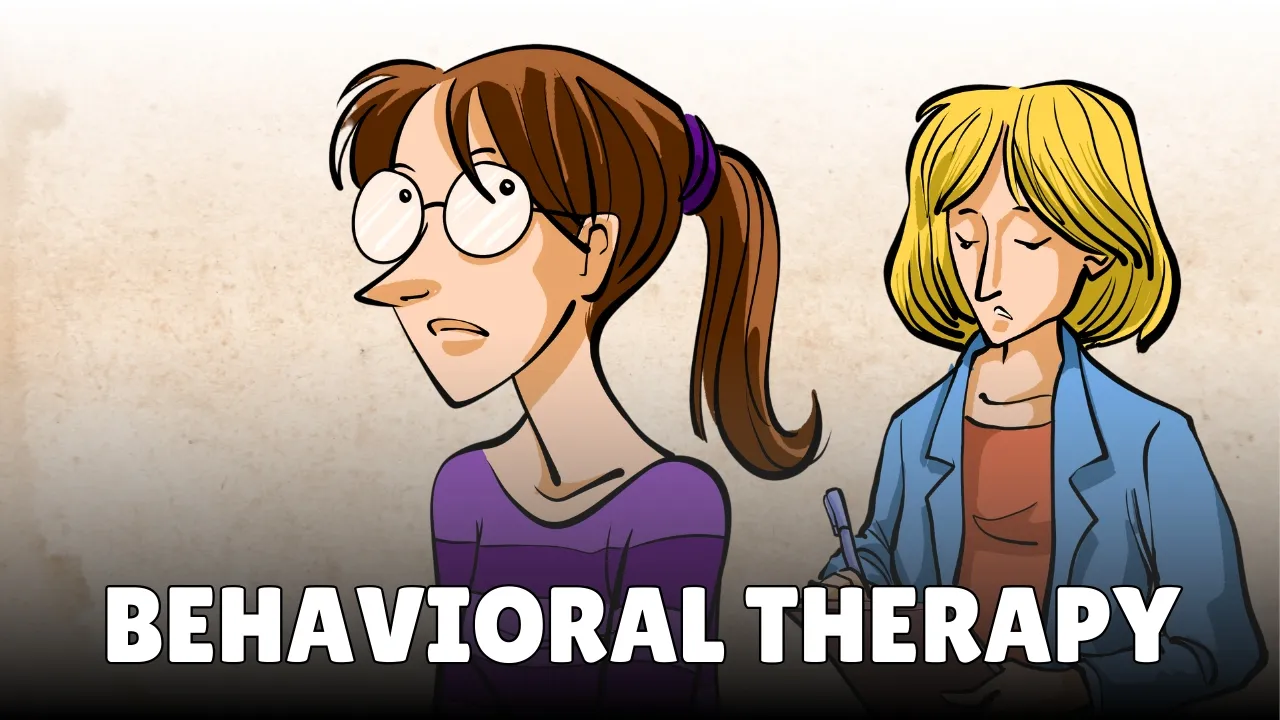
This video explains the core cognitive model of CBT, showing how we can break maladaptive cycles by separating external events from our internal beliefs. Understanding this model is the first step toward using top-down cognitive control to manage automated stress reactions.
🧠 Gap-Filling Academic Note: Top-Down Regulation Mechanics
While standard CBT tutorials explain the psychology of cognitive restructuring, they often miss the underlying neuroscience. To deepen your understanding, focus on:
- Ventromedial Prefrontal Cortex (vmPFC) Connectivity: The vmPFC is the primary pathway through which cognitive interventions reduce amygdala reactivity.
- Structural Changes from CBT: Successful cognitive therapies strengthen the physical connections between the prefrontal cortex and the amygdala, making emotion regulation more efficient.
Recommended Search Queries:
- "Neurobiology of cognitive reappraisal PFC amygdala functional connectivity"
- "vmPFC amygdala top down inhibition cognitive behavioral therapy neuroimaging"
Knowledge Checkpoint
- Explain how cognitive reappraisal changes the functional connectivity between the prefrontal cortex and the amygdala.
- Describe the structural changes in gray matter density that occur in the hippocampus and amygdala after regular mindfulness practice.
- Map out a cognitive distortion cycle using the CBT framework, showing how thoughts, emotions, and bodily sensations interact.
Module 5: Behavioral & Somatic Protocols for Resilience
This final module focuses on evidence-based behavioral and somatic protocols to downregulate the autonomic nervous system. You will explore the science of Brain-Derived Neurotrophic Factor (BDNF), analyze vagus nerve stimulation, and examine body-based methods for physical recovery.

Why this video
Dr. William Li explains how the vagus nerve acts as the main pathway of the parasympathetic nervous system. He details how stimulating this nerve slows heart rate, lowers blood pressure, and coordinates organ systems to counteract the fight-or-flight response.
Why this video
This short segment with Dr. David Perlmutter explains how aerobic exercise acts as an epigenetic trigger. He highlights how physical activity stimulates the production of Brain-Derived Neurotrophic Factor (BDNF), which supports the growth and survival of new neurons in the brain.

Why this video
This video offers practical somatic techniques based on polyvagal theory. It demonstrates how simple physical actions—such as humming, singing, and deep vocal vibrations—can physically stimulate the vagus nerve and help calm an overactive nervous system.

Why this video
This comprehensive lecture synthesizes the entire course. It explores the neurobiology of resilience, showing how genetics, epigenetics, and brain chemicals (such as cortisol, DHEA, and neuropeptide Y) interact to help the brain adapt to adversity.
🌬️ Gap-Filling Academic Note: Somatic Breathing Protocols & Sleep Science
The available videos cover physical exercise and basic vagal concepts well, but do not provide detailed protocols for sleep hygiene or somatic breathing exercises like the physiological sigh. Please research these evidence-based techniques independently:
- The Physiological Sigh: Developed by Dr. Jack Feldman and popularized by Dr. Andrew Huberman, this breathing pattern consists of two quick inhales through the nose followed by one long exhale through the mouth. This technique rapidly reinflates collapsed lung sacs (alveoli) and activates parasympathetic pathways to slow heart rate in seconds.
- Glymphatic Clearance: Learn how slow-wave sleep activates the brain's glymphatic system to wash away metabolic waste accumulated during daily stress.
Recommended Search Queries:
- "Physiological sigh mechanism autonomic nervous system Huberman Lab"
- "Glymphatic system slow wave sleep waste clearance neurobiology"
Knowledge Checkpoint
- Explain how exercise increases BDNF levels and outline how this protein helps repair cortisol-induced damage in the hippocampus.
- Describe the pathway of the vagus nerve and list two practical somatic methods to stimulate it.
- Explain how the physiological sigh downregulates the sympathetic nervous system.
Course Map
This flowchart shows the logical progression of the curriculum, from understanding foundational biological mechanisms to applying practical resilience protocols.
Key People Index
| Scholar / Researcher | Core Concepts Mentioned | Context and Contribution |
|---|---|---|
| Dr. Robert Sapolsky | Evolutionary stress, glucocorticoids, HPA axis pathology | Stanford Professor whose pioneering research in wild baboons established the link between social hierarchy, chronic stress, and physical health. |
| Dr. Wendy Suzuki | Hippocampal neuroplasticity, memory, exercise benefits | New York University Neuroscientist who studies how aerobic physical activity protects the brain against cognitive decline and stress damage. |
| Dr. Gabor Maté | Psychoneuroimmunology, mind-body unity, trauma physiology | Prominent physician and author who explores how early chronic stress and emotional suppression manifest as physical autoimmune and chronic illnesses later in life. |
| Dr. Kevin Ochsner | Cognitive reappraisal, PFC-amygdala functional connectivity | Cognitive neuroscientist whose neuroimaging research laid the foundation for our understanding of top-down emotional regulation in the brain. |
Final Self-Assessment
Test your mastery of the curriculum by completing this comprehensive assessment:
- Draw a complete diagram of the HPA axis cascade, identifying all key hormones (CRH, ACTH, Cortisol) and their feed-forward and feedback loops.
- Explain how chronic stress leads to cellular remodeling in the brain, including details on dendritic retraction in the prefrontal cortex and dendritic hypertrophy in the amygdala.
- Define allostatic load and list three distinct cardiovascular, metabolic, or immunological biomarkers of chronic stress.
- Detail the primary mechanism of glucocorticoid receptor resistance in immune cells and how it contributes to systemic, low-grade inflammation.
- Explain how the brain-gut connection functions during stress, focusing on how cortisol levels alter gut motility and affect central anxiety.
- Describe the neurobiological differences in brain activity during a state of emotional reactivity versus a state of conscious cognitive reappraisal.
- Summarize the structural and functional changes that occur in the brain's Default Mode Network (DMN) and prefrontal regions as a result of long-term mindfulness practice.
- Explain the epigenetic mechanism through which aerobic exercise increases BDNF levels, and describe how this protein supports neuroplasticity.
- Describe how the vagus nerve coordinates parasympathetic activity to lower heart rate and restore physiological balance.
- Explain the step-by-step breathing pattern of the physiological sigh and describe how it triggers immediate autonomic downregulation.