The Art of Jazz Reharmonization: Utilizing Tritone Substitutions, Coltrane Changes, and Upper Structure Triads to Transform Pop and Folk Melodies
Learning Goal:
Master the theoretical mechanics and practical keyboard/instrumental application of advanced jazz harmony. By the end of this curriculum, you will be able to dissect simple folk and pop melodies and completely transform them using functional harmony, tritone substitutions, altered dominants, upper structure triads, and Coltrane changes.
- Prerequisites: Basic knowledge of keyboard/fretboard layout and elementary treble/bass clef reading.
- Estimated Total Study Time: 30 Hours
Module 1: Foundations of Music Theory & Chord Construction
To successfully reharmonize a melody, you must first master the raw structural materials of music. This module builds your foundational understanding of melodic intervals, major and minor scales, and the systematic assembly of seventh chords—the primary building blocks of jazz.
Recommended Videos
Why this video
This video is a premier visual introduction to the core physics of pitch. It systematically breaks down how major and minor scales are derived and demonstrates how basic triads are stacked by taking alternating scale degrees. It establishes a perfect cognitive bridge between single-note melodies and harmonic clusters.
Why this video
This quick guide crystallizes the definition of musical intervals—ranging from unisons to compound 9ths, 11ths, and 13ths. Understanding interval modifiers (major, minor, perfect, augmented, and diminished) is vital for understanding how jazz musicians name and modify complex chord qualities.
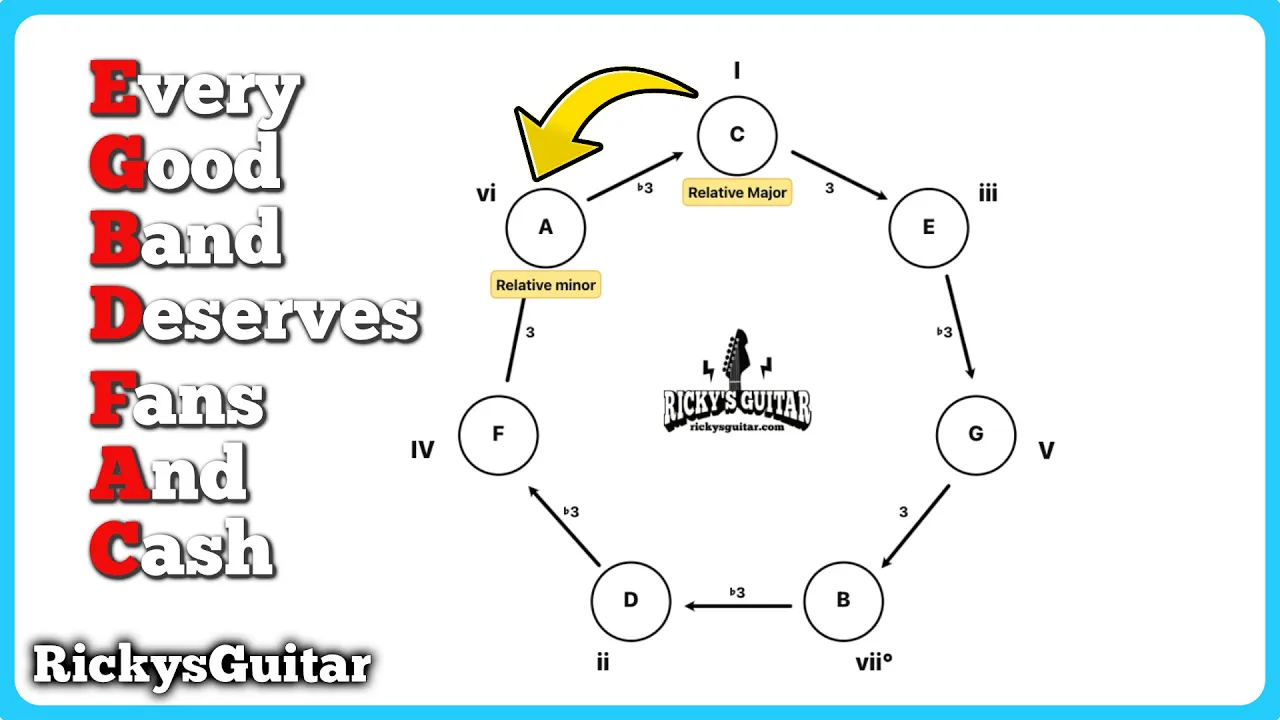
Why this video
This video introduces the "Circle of Thirds," an invaluable mental shortcut for spelling seventh chords rapidly. By mastering this cyclical spelling method, you bypass slow interval-counting and instantly visualize the root, third, fifth, and seventh of any given chord.
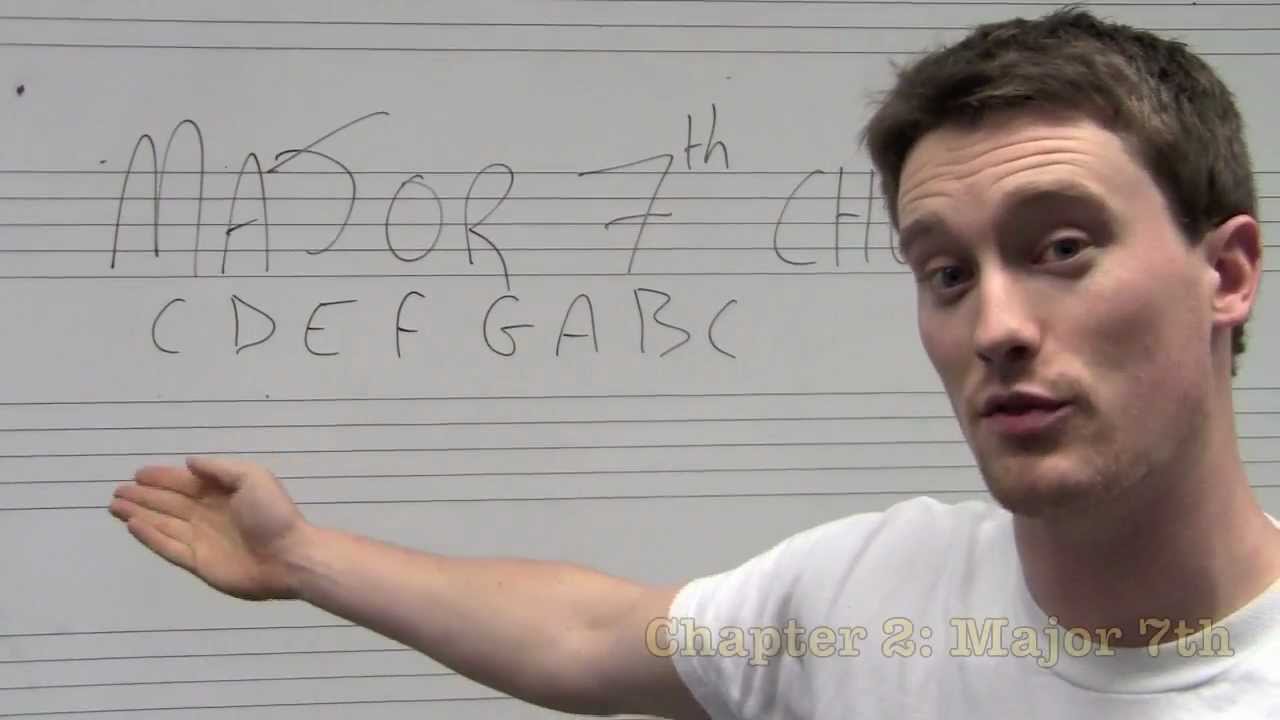
Why this video
Addressing a critical feedback gap, this video clearly details the structural differences between major 7th, minor 7th, dominant 7th, and half-diminished/diminished 7th chords. It outlines how altering a single scale degree (such as flatting the 3rd or the 7th) completely changes a chord's harmonic function and emotional color.
Knowledge Checkpoint
- You can define and construct all diatonic intervals (m2 through Maj7) from any given root note.
- You can write down the step formula for both Major scales (W-W-H-W-W-W-H) and Natural Minor scales.
- You can explain the "Circle of Thirds" and use it to instantly spell a Cmaj7, Dm7, and G7 chord.
- You can list the specific interval spelling formula for major 7th (1-3-5-7), minor 7th (1-b3-5-b7), and dominant 7th (1-3-5-b7) chords.
Module 2: Functional Harmony & The Jazz ii-V-I Progression
Once chords are built, they must be arranged to create motion. This module introduces Roman numeral analysis, functional harmony (tonic, subdominant, dominant), and the mechanics of the iconic ii-V-I chord progression. You will also learn how to decode these elements directly from a jazz lead sheet.
Recommended Videos
Why this video
This animated lesson breaks down functional harmony into its three primary classes: Tonic (stability), Subdominant (departure), and Dominant (tension/resolution). It explains how chords naturally transition between these states to create a musical narrative.
Why this video
Directly addressing the lead sheet interpretation gap, this video teaches beginners how to approach fake books and real books. You will learn how to identify chord qualities from standard shorthand symbols and extract the underlying harmonic skeleton of a song.

Why this video
This video reveals how to interpret the rigid notations of a lead sheet with a flexible jazz mindset. It teaches you how to look past the written notes to apply authentic swing phrasing, syncopation, and chordal fills, transitioning you from a passive reader to an active arranger.
Knowledge Checkpoint
- You can perform Roman numeral analysis on a standard chord progression, identifying the tonic (I or i), subdominant (ii or IV), and dominant (V) functions.
- You can spell the ii-V-I progression in the keys of C Major, F Major, and Bb Major.
- You can locate a song's melody, key signature, and chord symbols on a standard jazz fake book page.
- You can explain why jazz musicians do not play lead sheets strictly as written, detailing how they adapt the rhythm and voicings.
Module 3: Tritone Substitutions & Altered Dominants
This module introduces chromaticism and tension generation. You will master the mechanics of the tritone substitution—one of the defining sounds of jazz reharmonization—along with the altered dominant scale and voice-leading techniques used to guide tense dominant chords smoothly into tonic targets.
Recommended Videos
Why this video
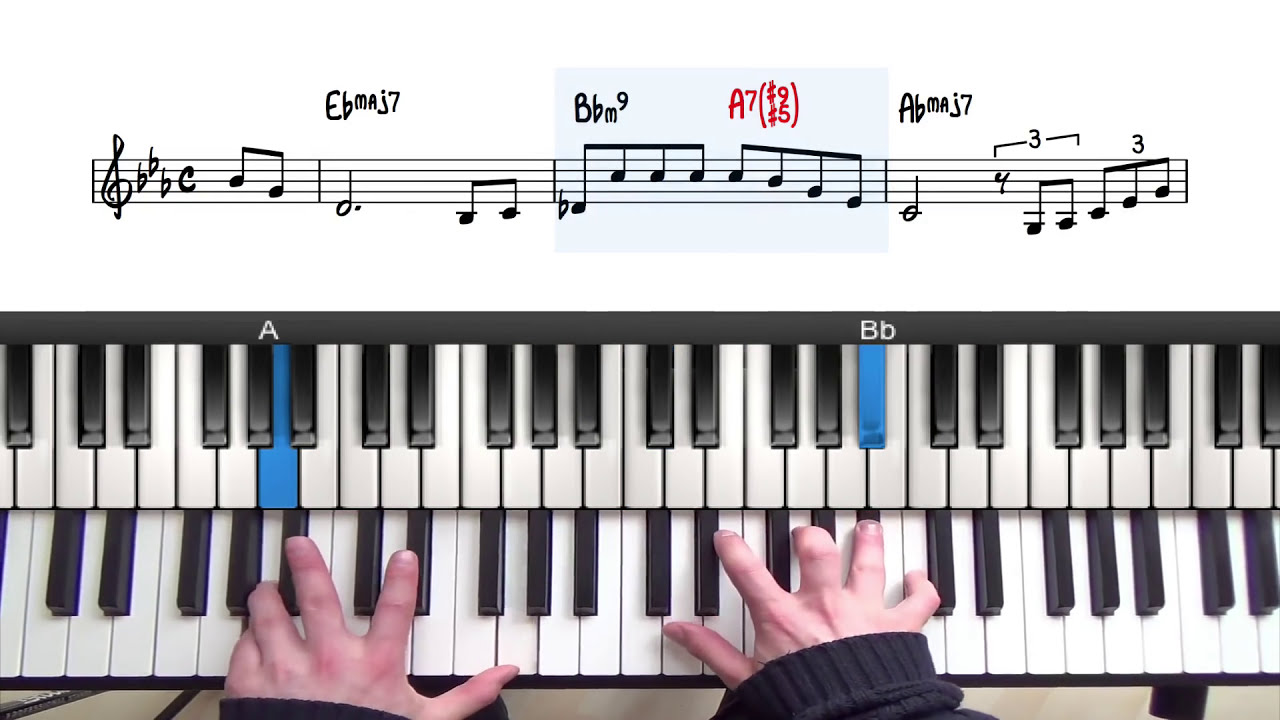
This deep dive explores the core mechanism of the tritone substitution. It details how dominant 7th chords that are a tritone apart (such as G7 and Db7) share the exact same active tritone interval (B and F), allowing you to swap them and create chromatic bass motion.
Why this video
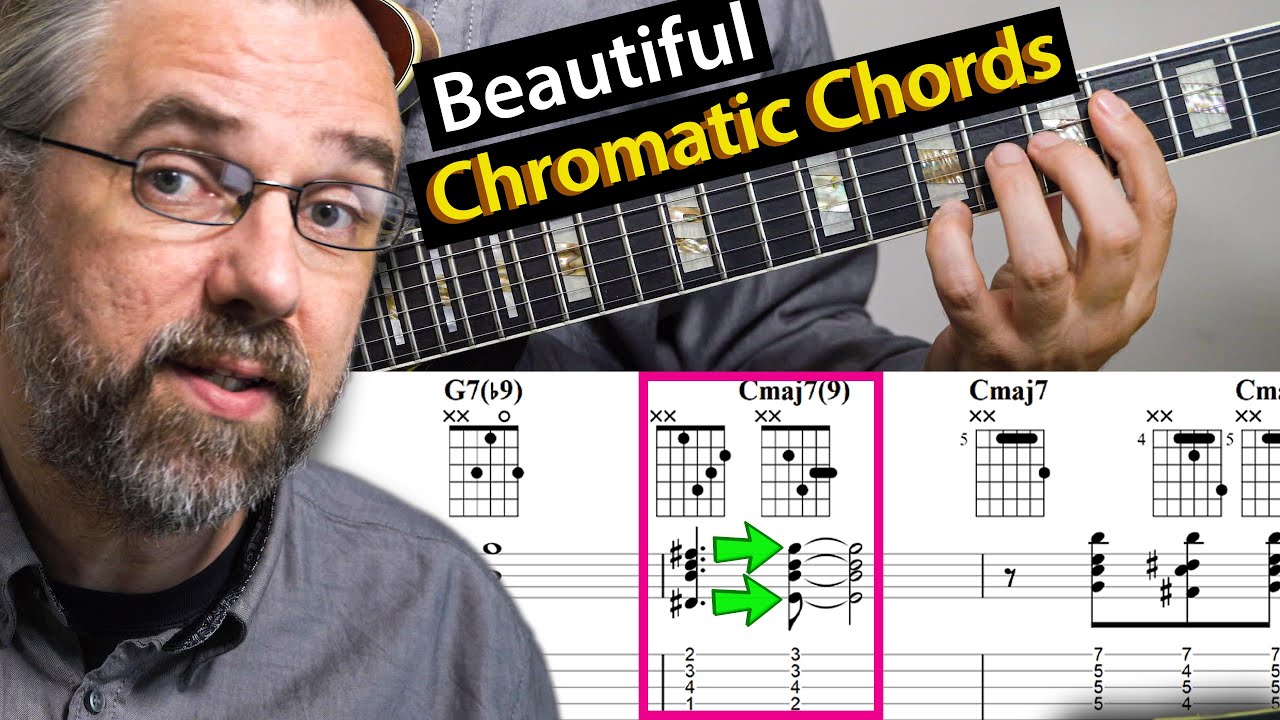
This masterclass teaches the mechanics of chromatic voice leading, showing how to move individual voices of a chord by half steps. It directly addresses the gap regarding how to transition tense, altered dominant chords smoothly into their tonic targets.
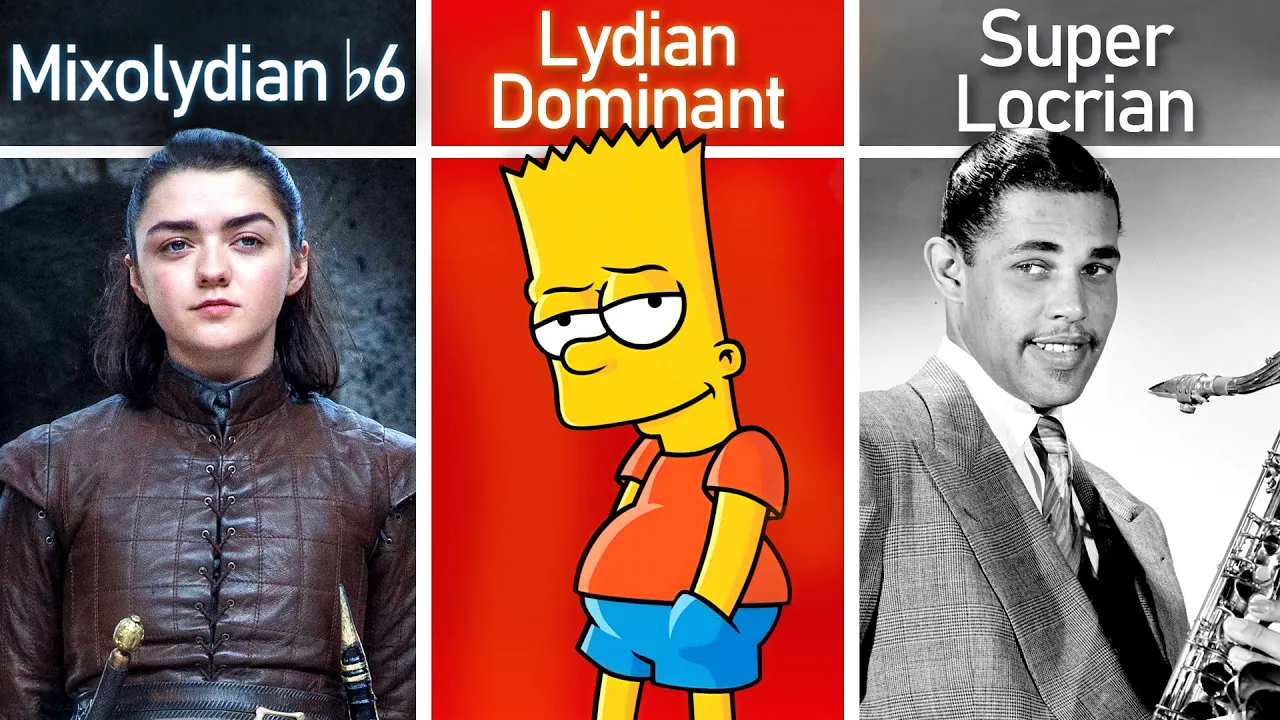
Why this video
This video bridges the gap between scales and altered dominants. It introduces the Melodic Minor scale and its modes, focusing specifically on how the 7th mode (the Super Locrian, or Altered Scale) provides the perfect note set for altered dominant chords containing b5, #5, b9, and #9 extensions.
![The SMART Way To Think About Chord Names and Labels [+FREE PDF] [MUSIC THEORY LESSON]](https://i.ytimg.com/vi/2SeN9W1CIrI/maxresdefault.jpg)
Why this video
This quick guide simplifies the complex nomenclature of altered chord symbols. It explains exactly what notation symbols like 7alt, 7(#9), or 7(b13) mean, preparing you to read and write advanced chord symbols during reharmonization.
Knowledge Checkpoint
- You can identify the shared tritone interval between any two dominant seventh chords a tritone apart (e.g., the 3rd and 7th of G7 are the 7th and 3rd of Db7).
- You can substitute a standard ii-V-I progression (e.g., Dm7 - G7 - Cmaj7) with a tritone-substituted progression (Dm7 - Db7 - Cmaj7) and explain the resulting chromatic bass movement.
- You can build a dominant
7altchord by spelling its scale degrees: 1, 3, b7, along with the altered tensions (b9, #9, b5/#11, #5/b13). - You can explain why the altered scale is also known as the 7th mode of the melodic minor scale (e.g., G altered is derived from Ab melodic minor).
Module 4: Upper Structure Triads (UST) for Rich Voicings
Upper Structure Triads (USTs) provide a streamlined, highly effective method for playing complex altered dominants. By stacking a simple major or minor triad in your right hand over a basic dominant chord shell (root-3rd-7th) in your left hand, you can instantly produce sophisticated, modern jazz colors.
Recommended Videos
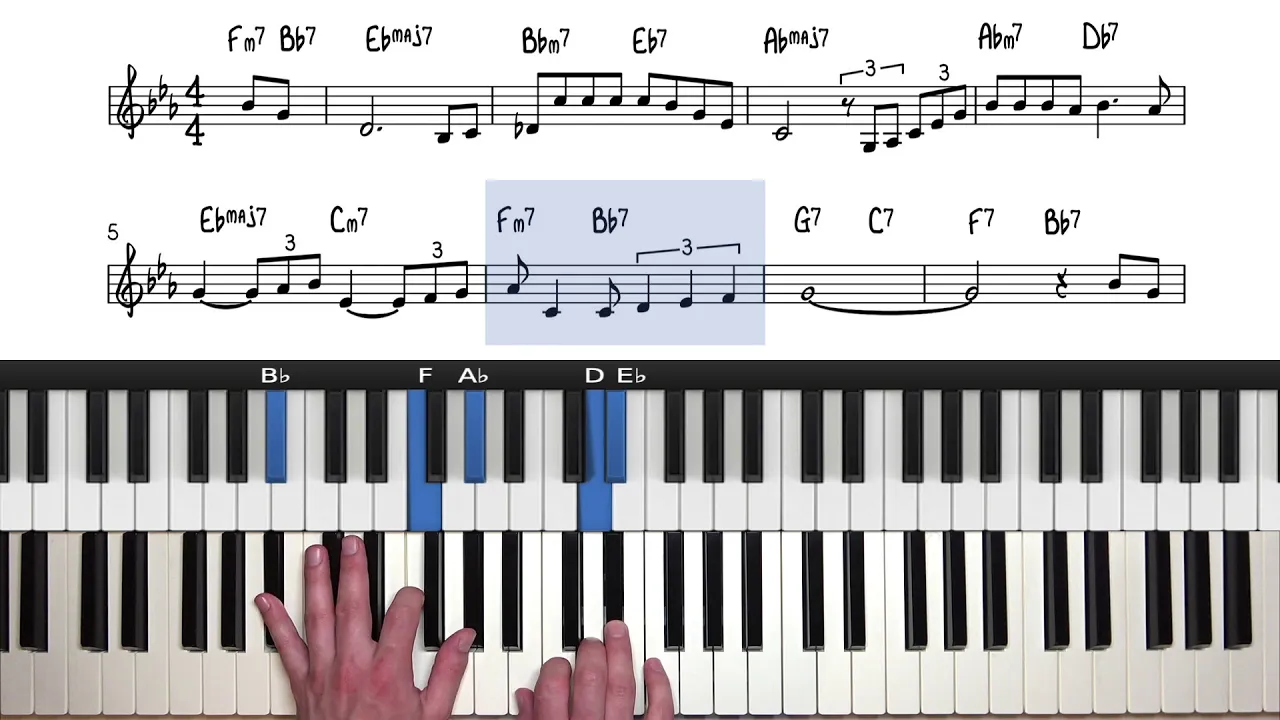
Why this video
This video is an excellent introduction to USTs for pianists. It explains the foundational division of labor: the left hand plays a "shell voicing" (root, 3rd, and 7th), while the right hand superimposes simple, unrelated triads to easily voice complex alterations.

Why this video
This lesson expands the concept of USTs to all instruments, including guitar and horn ensembles. It provides systematic formulas to analyze how different triad choices interact with the underlying root to produce distinct altered dominant colors.

Why this video
This concise guide provides specific UST formulas. For example, it explains how playing a Major II triad (e.g., D major over a C7 shell) creates a bright Lydian Dominant sound (#11, 9, 13), and how a Major bVI triad creates an altered sound (#9, b13).
Knowledge Checkpoint
- You can explain the "split-hand" concept of voicing upper structure triads on the keyboard or fretboard.
- You can identify which extensions are highlighted when you play a D major triad over a C7 shell (C-E-Bb), and name the resulting parent scale (C Lydian Dominant).
- You can calculate and play the "US bVI" formula (e.g., playing an Ab major triad over a C7 shell) to generate #9 and tensions.
- You can list at least three distinct UST formulas and describe the specific harmonic colors they produce.
Module 5: Coltrane Changes & Third-Relation Harmony
John Coltrane’s "Giant Steps" revolutionized jazz harmony by abandoning traditional fifth-relationship chord movements in favor of symmetric divisions of the octave by major thirds. This module covers Coltrane's multi-tonic system and explains how to insert these changes into standard ii-V-I progressions.
Recommended Videos
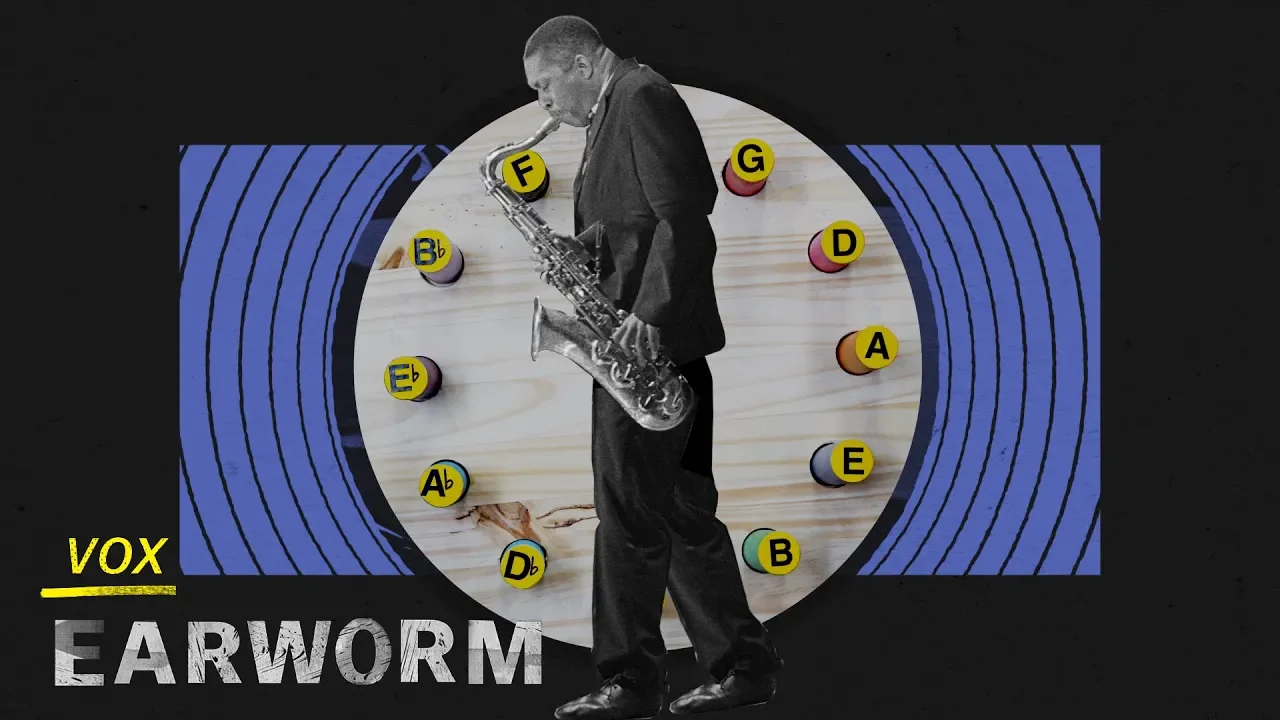
Why this video
This acclaimed video offers an excellent visual analysis of how Coltrane divided the octave into three equal parts (B, G, and Eb). It uses animation to explain third-relation harmony, showing why these keys feel distant yet remain mathematically and symmetrically connected.
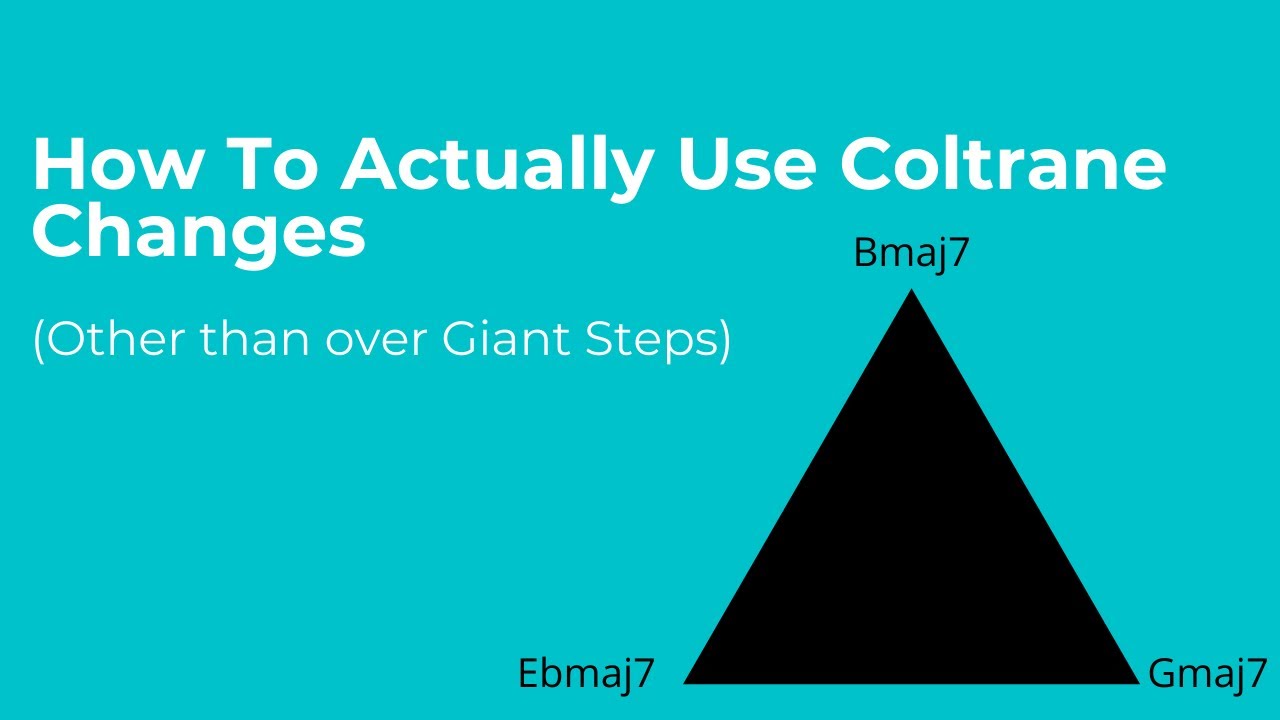
Why this video
This practical lesson demystifies Coltrane Changes, moving beyond pure theory to show how they can be used to reharmonize standard jazz repertoire. It teaches you how to superimpose Coltrane's three-key cycle directly over a standard ii-V-I progression.

Why this video
This video provides a step-by-step keyboard guide to Coltrane substitutions. It demonstrates how to insert intermediate dominant seventh chords to connect three tonics a major third apart, outlining the precise chord-by-chord voice leading required for smooth performance.
Knowledge Checkpoint
- You can list the three key centers of the standard "Giant Steps" cycle (B major, G major, Eb major) and show how they form an augmented triad.
- You can write out the chord substitution pattern used to replace a standard ii-V-I in C major (Dm7 - G7 - Cmaj7) with Coltrane Changes.
- You can explain how intermediate dominant chords (V7 of the next key center) are inserted to smoothly transition between key centers a major third apart.
- You can define "third-relation harmony" and explain how it differs from traditional circle-of-fifths movement.
Module 6: Reharmonizing Pop & Folk Melodies
This module brings together all the concepts you have learned. You will apply functional harmony, tritone substitutions, USTs, and Coltrane Changes to simple pop and folk melodies, turning them into sophisticated jazz arrangements.
Recommended Videos

Why this video
This video provides a clear, step-by-step framework for converting basic pop songs into jazz. Kent Hewitt details a 3-step approach: moving from simple block chords, to adding extensions, and finally introducing active chromatic substitutions beneath the melody.

Why this video
This comprehensive lesson offers a clear, structured template for reharmonization. It outlines seven distinct levels of increasing harmonic complexity, showing you how to progress from simple diatonic swaps to chromatic bass lines, and finally to advanced non-functional chord substitutions.
![The Best Exercise for Mastering Real-Time Reharmonization [Neo Jazz Piano Tutorial]](https://i.ytimg.com/vi_webp/4vTU5ey6ecI/maxresdefault.webp)
Why this video
This video introduces a powerful reharmonization exercise: holding a single melody note constant while moving the bass note chromatically up and down. This exercise trains your ear to find unexpected chord options for any given melody note.

Why this video
This masterclass walks you through a complete reharmonization of the folk hymn "Amazing Grace." It shows you how to take a simple, pentatonic melody and apply passing chords, secondary dominants, and altered extensions to build a modern gospel-jazz arrangement.
Knowledge Checkpoint
- You can reharmonize a simple folk melody (like "Amazing Grace" or "Twinkle Twinkle") using a step-by-step arrangement template.
- You can practice the single-note reharmonization exercise, finding at least five different chords (diatonic, altered, and substituted) to support a single sustained pitch.
- You can arrange a pop song melody using jazz block voicings (root-3rd-5th-7th/6th) and add 9th and 11th extensions.
- You can identify places in a pop standard where a standard ii-V progression can be replaced with a tritone substitution or Coltrane Changes.
Course Map
Key People Index
- John Coltrane (1926–1967): A pioneering jazz saxophonist and composer who introduced the "Coltrane Changes" on his 1959 album Giant Steps. His work challenged traditional functional harmony and introduced symmetric, third-relation key modulations to modern jazz.
- Kent Hewitt: A seasoned jazz pianist and educator known for his structured, step-by-step approach to transforming simple pop and classical melodies into sophisticated jazz arrangements.
- Jens Larsen: A prominent jazz guitarist and music theorist recognized for his detailed lessons on chromatic voice leading, chord voicings, and practical fretboard harmony.
Final Self-Assessment
Complete this comprehensive self-assessment to verify your mastery of the curriculum:
- Chord Construction: Spell any major 7th, minor 7th, dominant 7th, or half-diminished chord from any of the 12 chromatic roots without hesitation.
- Roman Numeral Analysis: Analyze a standard jazz lead sheet and correctly identify all ii-V-I progressions, key modulations, and chord functions.
- Tritone Substitution: Take any ii-V-I progression and replace the V7 chord with a dominant seventh chord a tritone away (e.g., swapping G7 for Db7), maintaining smooth voice leading.
- Altered Scale Spelling: Write out the altered scale for any dominant root (e.g., G altered: G, Ab, Bb, B, Db, Eb, F) and identify its parent melodic minor scale (e.g., Ab Melodic Minor).
- UST Voice Leading: Formulate and play an Upper Structure Triad voicing over a dominant 7th chord (e.g., playing a D major triad over C-E-Bb) and resolve it smoothly to a tonic target.
- Coltrane Changes Geometry: Map out the three key centers of a Coltrane cycle on the circle of fifths and explain how they divide the octave symmetrically.
- Coltrane Changes Insertion: Write out and perform a Coltrane Changes substitution (e.g., Cmaj7 - Eb7 - Abmaj7 - B7 - Emaj7 - G7 - Cmaj7) over a standard 4-bar ii-V-I progression.
- Single-Note Reharmonization: Take a single melody note (such as C) and harmonize it with five different chord qualities (e.g., Abmaj7, Am7, D7b9, F#m11, Db7#11).
- Arrangement Project: Create and perform a complete, 32-bar jazz reharmonization of a simple folk or pop melody (e.g., "Amazing Grace" or "Yesterday") that features at least two tritone substitutions, three upper structure triad voicings, and one Coltrane Changes insertion.