Health Sociology: Disparities & Medicalization
Learning Goal: Evaluate the social determinants of health and the process of medicalization, examining how race, class, and gender shape healthcare disparities and the social construction of mental illness.
- Prerequisites: None (Introductory level, progressing to advanced sociological synthesis)
- Estimated Total Study Time: 14 hours
Module 1: Introduction to the Sociology of Health and Illness
This module introduces you to medical sociology, highlighting how health, illness, and healthcare institutions are shaped by social, economic, and cultural forces rather than just biological processes. You will examine the critical differences between the traditional biomedical model and the social model of health.
Why this video is valuable: This introductory lecture serves as an ideal baseline for the course. It establishes that medical sociology is not merely the study of biology, but the study of how society shapes our physical experiences of wellness and illness. It introduces structural functionalist, symbolic interactionist, and conflict theory perspectives on medicine as a social institution.
- Knowledge Checkpoint:
- Explain how structural functionalism views the "sick role" and the social obligations of both patients and doctors.
- Contrast how conflict theory and symbolic interactionism interpret the power dynamics within clinical healthcare systems.
- Define the social construction of illness using examples of how diseases are framed across different cultural eras.
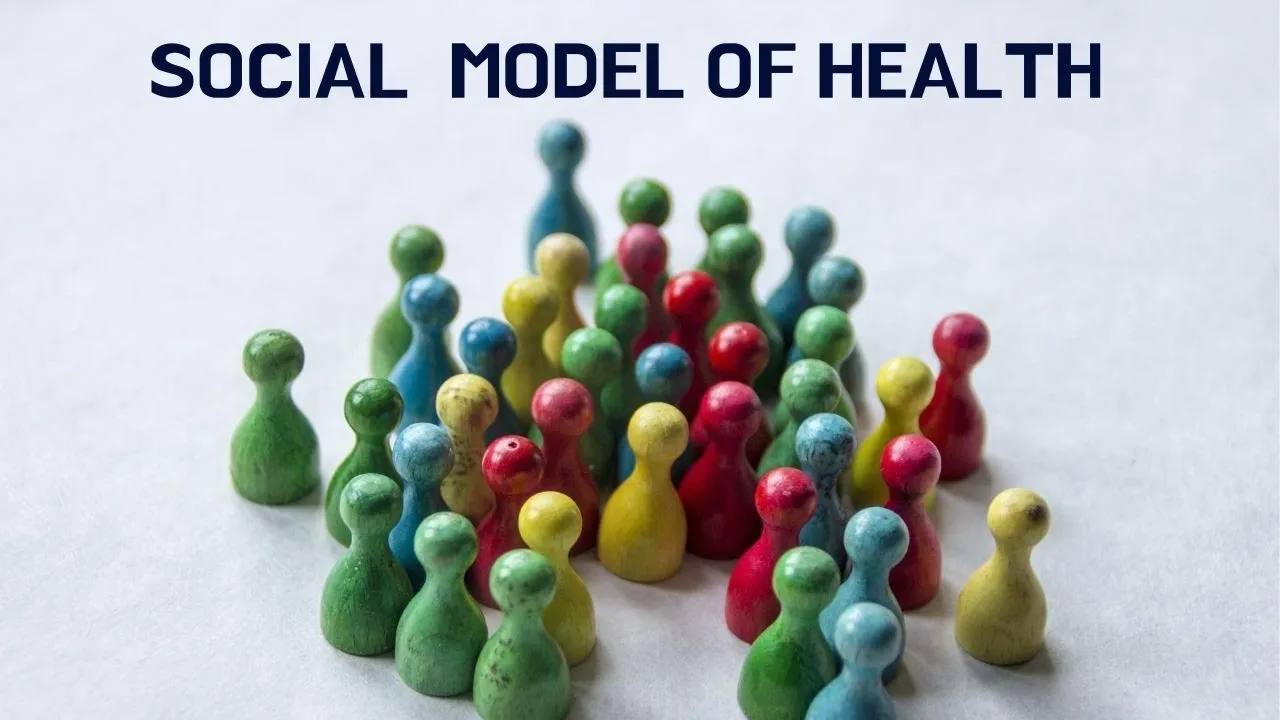
Why this video is valuable: This video provides a focused, comparative breakdown of the social medical model versus the traditional biomedical model. It details how upstream factors (like housing, education, and social environments) dictate health outcomes long before a patient ever presents with symptoms to a medical professional.
- Knowledge Checkpoint:
- Identify the core limitations of relying solely on a biomedical model when addressing population-level health trends.
- Describe how wider social factors like poor housing or lack of education physically manifest as medical issues.
- Differentiate between "upstream" social causes and "downstream" biological remedies.
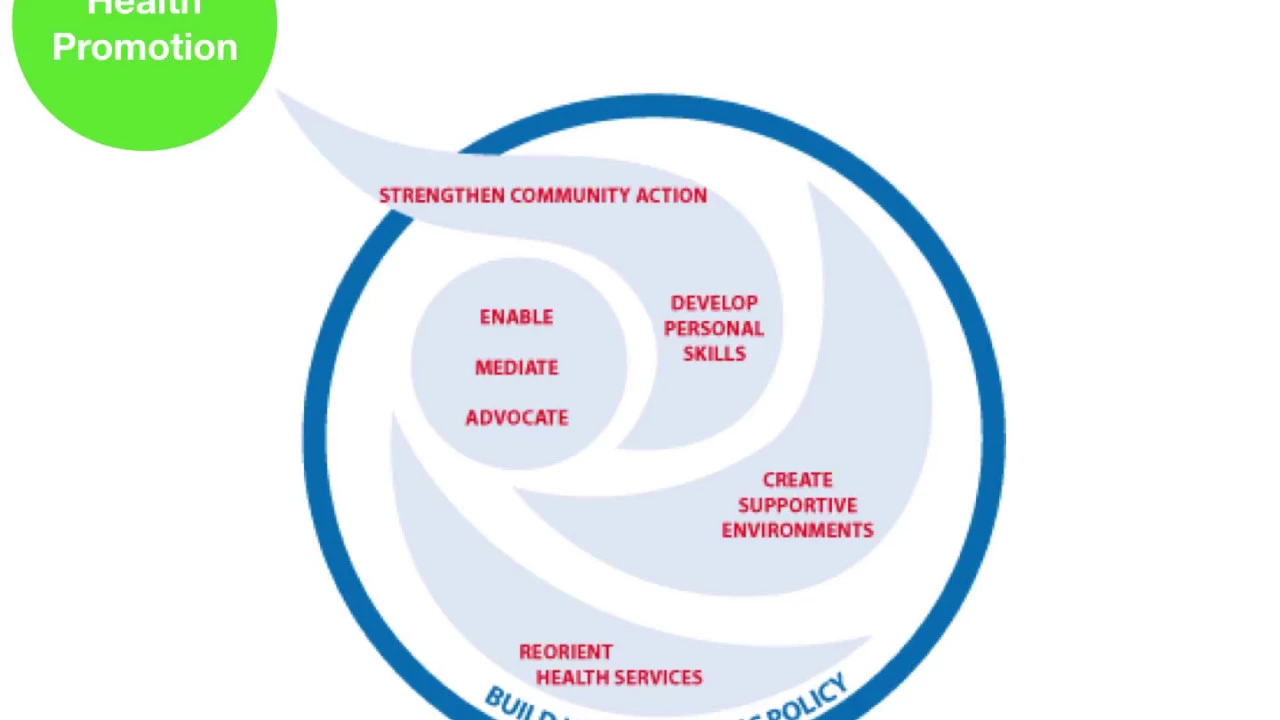
Why this video is valuable: This conceptual video traces the historical paradigm shift from the reactive, "find-it-and-fix-it" biomedical model to preventive, community-centered social models. It sets up the foundational sociological vocabulary necessary to evaluate public health interventions.
- Knowledge Checkpoint:
- Explain how the definition of health evolved from "the absence of disease" to a holistic state of physical, mental, and social well-being.
- Contrast individual-level diagnostic interventions with community-level health promotion strategies.
Module 2: The Social Determinants of Health (SDOH)
This module shifts focus to the material and structural conditions of everyday life. You will analyze how socioeconomic status, occupational hierarchies, and chronic environmental stressors shape cellular biology and determine life expectancy gaps across social classes.

Why this video is valuable: This clip highlights the landmark Whitehall study of British civil servants, led by Sir Michael Marmot. By investigating a population with equal access to healthcare (via the NHS) but differing levels of administrative hierarchy, the study proved that occupational status and corresponding levels of control directly correlate with cardiovascular disease risk and overall life expectancy.
- Knowledge Checkpoint:
- Explain how the Whitehall study isolated social hierarchy from healthcare access.
- Describe the biological mechanism linking lower occupational status (low job control) with increased arterial plaque and stress hormone levels.
- Critique the assumption that corporate executives suffer from higher stress-induced illnesses than lower-tier administrative workers.
Why this video is valuable: This lecture provides a comprehensive structural review of how social class produces stark inequalities in mortality and morbidity. It breaks down the materialist, behavioral/cultural, and psychosocial explanations for why lower social classes consistently experience worse health outcomes.
- Knowledge Checkpoint:
- Define and distinguish between materialist and cultural/behavioral explanations for class-based health disparities.
- Summarize how job insecurity, low wage growth, and physical labor cumulatively impact life expectancy.
- Analyze how structural differences in food security and neighborhood quality limit personal health choices.

Why this video is valuable: A concise, quantitative micro-lecture highlighting the stark disparity in lifespans between the highest and lowest income percentiles in modern societies, establishing social class as a direct, physical determinant of survival.
- Knowledge Checkpoint:
- Articulate the statistical difference in life expectancy between the top and bottom income percentiles for both men and women.

Why this video is valuable: This summary systematically itemizes the key institutional social determinants of health, showing how non-medical social conditions—such as physical environment, social support networks, and gender—aggregate to dictate baseline physiological vulnerability.
- Knowledge Checkpoint:
- List at least five distinct social determinants of health outside of direct clinical care.
- Explain how personal support networks and social environments act as buffers against disease vulnerability.
Module 3: Race, Gender, and Systemic Healthcare Disparities
This module examines how institutionalized racism, historical medical exploitation, and pervasive gender biases interact to produce deeply unequal treatment, clinical stereotyping, and life-threatening diagnostic gaps within modern medicine.
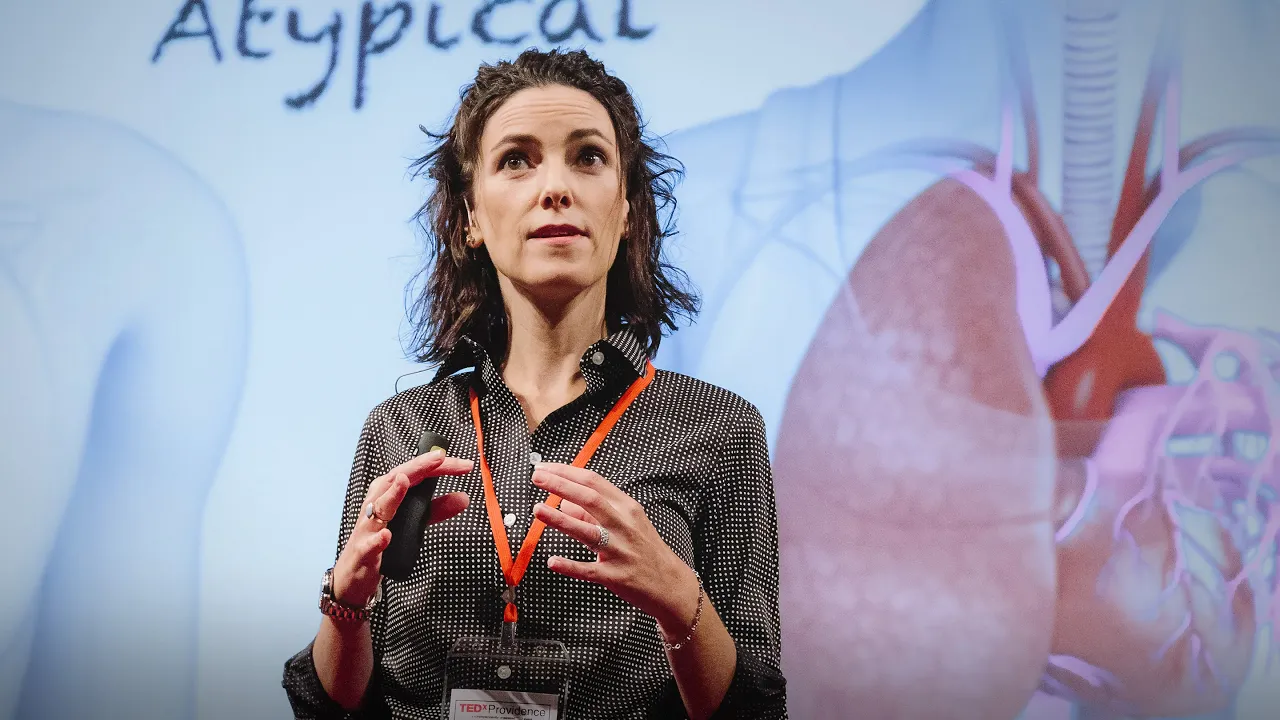
Why this video is valuable: Dr. Alyson McGregor exposes how the historical reliance on male cells, male animal models, and male clinical trial participants has institutionalized gender bias in modern medicine. You will learn how this baseline physiological bias leaves women vulnerable to missed diagnoses (such as atypical heart attack presentation) and toxic drug interactions.
- Knowledge Checkpoint:
- Describe the historical reason why medical research and drug trials systematically excluded female subjects.
- Contrast the presentation of cardiovascular symptoms in women versus the standardized "male" diagnostic template.
- Explain how cellular-level differences between biological sexes affect pharmaceutical processing and prescription dosages.

Why this video is valuable: This clinical perspective addresses how systemic racism operates within modern healthcare delivery. It unpacks the biological myth of "race" and contrasts it with the reality of how racialized social structures physically pathologize marginalized patient bodies, directly contributing to maternal and infant mortality crises.
- Knowledge Checkpoint:
- Articulate the sociological distinction between viewing "race" as a biological variable versus a social construct with physical health consequences.
- Identify the disproportionate mortality rates faced by Black mothers compared to white mothers in high-income nations.
- Explain how implicit clinical biases and systemic stereotyping lead to the dismissal of Black patients' physical pain.
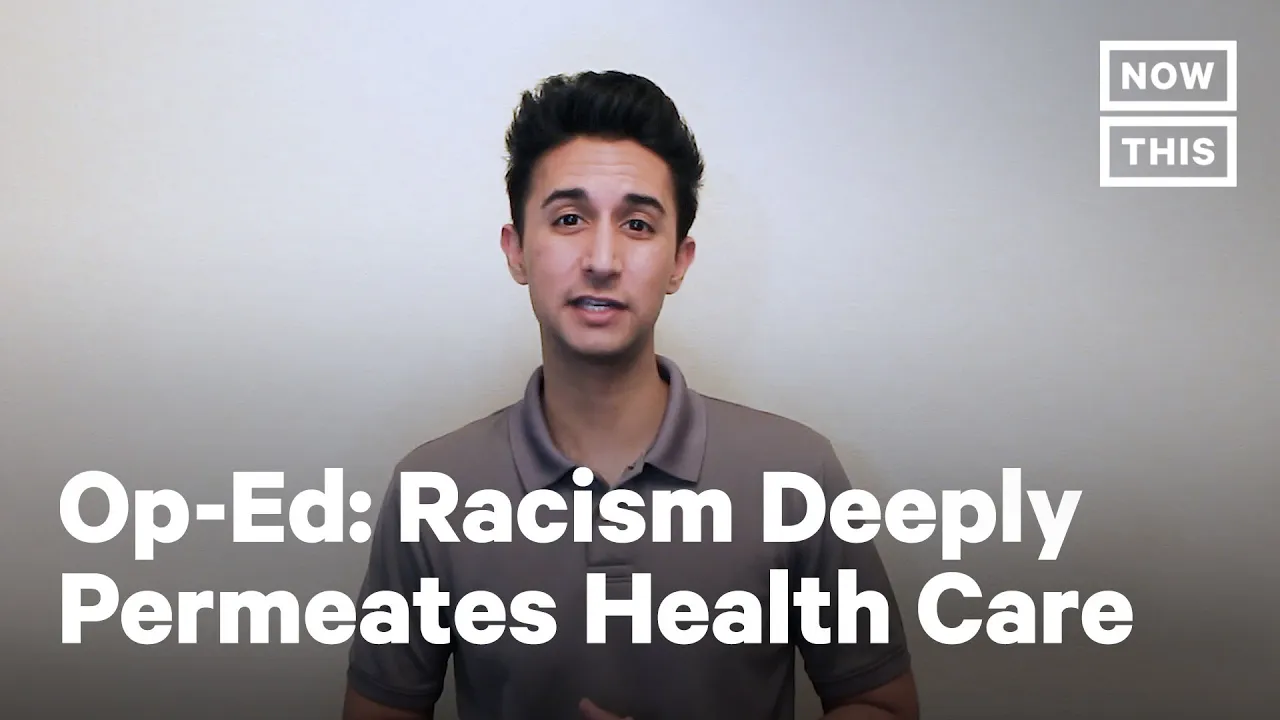
Why this video is valuable: This short documentary connects contemporary disparities directly to historical practices of medical apartheid and exploitation. It details how the legacy of segregated housing, systemic disinvestment, and clinical neglect generates persistent, multi-generational health disparities.
- Knowledge Checkpoint:
- Trace the historical link between legal housing segregation (such as redlining) and modern neighborhood-level environmental health hazards.
- Describe how unequal clinical funding impacts the quality of healthcare facilities available in minoritized neighborhoods.

Why this video is valuable: This segment highlights how racial bias is hardcoded into standard diagnostic devices and formulas. It presents concrete clinical examples—like pulse oximeter inaccuracies on darker skin tones—to demonstrate that bias is embedded within physical medical technology itself.
- Knowledge Checkpoint:
- Explain why pulse oximeters can produce falsely elevated oxygen saturation readings on darker-skinned patients, and detail the clinical risks this presents.
- Critique how standard medical diagnostic formulas (like renal function estimators) have historically used race-based adjustments that delay life-saving care.
Module 4: The Sociology of Medicalization
- Prerequisites: Module 1, Module 3 (Marginalized bodies are historically the first to be medicalized as a mechanism of social control).
This module analyzes medicalization—the process where natural life processes, human behaviors, or social problems are redefined as biological, treatable medical disorders. You will evaluate how this dynamic expands the reach of clinical authority and functions as an agent of social control.

Why this video is valuable: This academic presentation introduces the core concepts of medicalization, defining its levels (conceptual, institutional, interactional) and exploring its drivers, including the pharmaceutical industry and insurance companies. It outlines how medicalization individualizes social problems, shifting focus away from structural inequality.
- Knowledge Checkpoint:
- Define the sociological concept of "medicalization" and identify its primary modern drivers.
- Discuss the social consequences of "individualizing" collective social issues (e.g., framing poverty-induced malnutrition as a personal metabolic disease).
- Explain how medicalization alters the moral status of behavior, shifting labels from "badness" to "sickness."
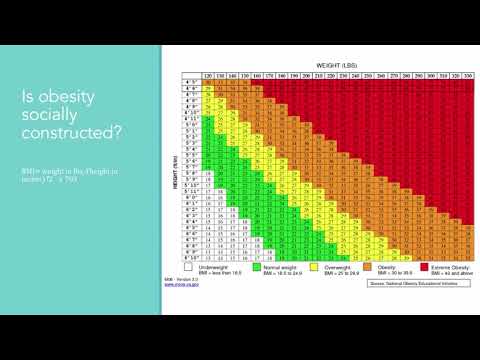
Why this video is valuable: This lecture establishes medicine as a powerful institution of social control. Drawing on functionalist and conflict theories, it explores how medical professionals act as gatekeepers of normalcy, dictating who is allowed to step away from societal labor obligations (the sick role) and defining what behaviors require chemical correction.
- Knowledge Checkpoint:
- Explain how medicine acts as an instrument of social control by defining what is "normal" versus "deviant."
- Critique the absolute authority of the medical profession from a sociological conflict perspective.
- Define the gatekeeping function of doctors in certifying sick leave, disability, or mental competence.

Why this video is valuable: This case study traces the historical transition of childbirth from a community-based, female-led midwifery process to a highly medicalized, male-dominated hospital intervention. It demonstrates how a natural, physiological process was systematically pathologized to assert institutional control over female reproduction.
- Knowledge Checkpoint:
- Describe the historical shift in childbirth care during the 18th and 19th centuries from midwives to male obstetricians.
- Analyze how the hospital setting reshapes childbirth from a natural life stage into a highly monitored, pathologized medical emergency.
- Discuss how professional turf wars between physicians and midwives led to the systematic marginalization of traditional birthing knowledge.

Why this video is valuable: A brief but critical conceptual update on the relationship between medicalization and pharmaceuticalization—the process where social and lifestyle conditions are directly re-engineered into highly profitable psychiatric or physical drug markets.
- Knowledge Checkpoint:
- Define "pharmaceuticalization" and distinguish it from the broader process of medicalization.
- Give an example of a non-medical human experience that has been commercialized into a pharmaceutical necessity.
Module 5: Social Construction of Mental Illness
This module investigates how mental illness is classified, diagnosed, and understood. You will analyze the history of psychiatric diagnoses (such as the Diagnostic and Statistical Manual of Mental Disorders, or DSM) and evaluate how deviance is pathologized based on shifting cultural norms and institutional labeling.

Why this video is valuable: Prominent medical sociologist Allan Horwitz breaks down the history of the DSM, revealing how psychiatric diagnoses have historically evolved. He illustrates how the transition from psychoanalytic descriptions to standardized behavioral checklists served political, institutional, and pharmaceutical goals rather than purely objective biological discoveries.
- Knowledge Checkpoint:
- Describe the structural shift in psychiatric classification between DSM-II (psychoanalytic) and DSM-III (symptom checklists).
- Explain how diagnostic categories are created, modified, or retired by clinical consensus rather than biochemical tests.
- Discuss Horwitz's argument regarding how the DSM conflates natural, contextual sadness or distress with internal brain dysfunctions (depressive disorders).

Why this video is valuable: This historical case study details the declassification of homosexuality as a mental illness. It shows how the APA's 1973 vote to remove homosexuality from the DSM was driven by social activism, civil rights protests, and changing political landscapes, proving that diagnostic manuals are socially constructed products of their era.
- Knowledge Checkpoint:
- Detail the historical timeline and mechanics of how homosexuality was classified and later removed from the DSM.
- Analyze the role of social and political advocacy groups in challenging medical authorities to change diagnostic frameworks.
- Explain how this case study challenges the idea that psychiatry operates as a purely objective, value-free science.

Why this video is valuable: Dr. James Davies presents a critical investigation into the behind-the-scenes construction of the DSM. He exposes the lack of biological markers for most psychiatric diagnoses, showing how the manual relies on clinical consensus, compromises, and negotiations among committee members.
- Knowledge Checkpoint:
- Critically evaluate the process of "consensus-based science" used to define DSM diagnostic criteria.
- Contrast how diagnostic validity is established in physical medicine (e.g., lab work, imaging) versus psychiatric medicine.
- Assess the influence of health insurance reimbursement policies on the continuous expansion of psychiatric categories.

Why this video is valuable: This video provides a solid foundation in labeling theory, an essential sociological perspective for understanding mental illness. It explains how once an individual is labeled as "deviant" or "mentally ill," this label becomes their master status, reshaping their self-concept and interactions to reinforce the pathologized behavior.
- Knowledge Checkpoint:
- Define "primary deviance" and "secondary deviance" in the context of mental health diagnoses.
- Explain the concept of a "master status" and how a psychiatric label can overshadow all other aspects of an individual's identity.
- Describe the self-fulfilling prophecy dynamic that occurs once an individual internalizes a medicalized label.
Module 6: Systemic Solutions and Health Equity
This module explores systemic solutions to healthcare disparities, focusing on concrete public health frameworks. You will examine the role of Community Health Workers (CHWs) and analyze "Health in All Policies" (HiAP) approaches designed to dismantle the structural roots of unequal health outcomes.
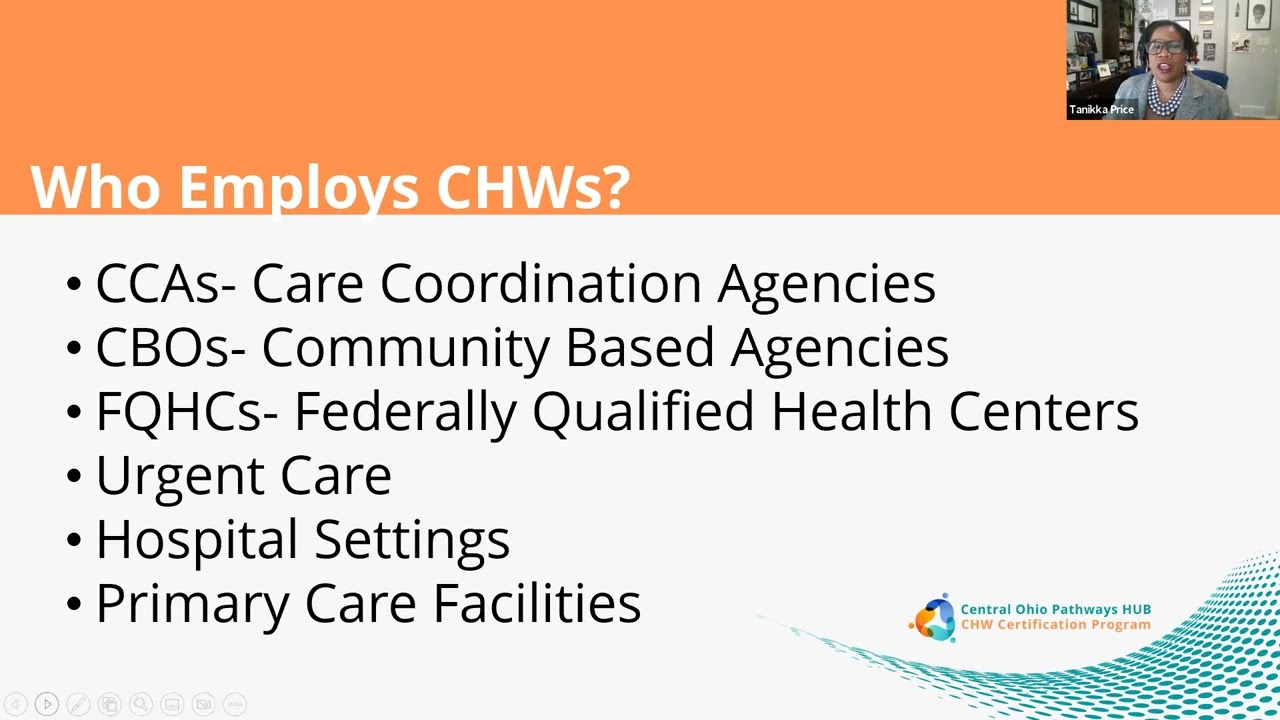
Why this video is valuable: This deep-dive panel explains how Community Health Workers (CHWs) serve as a vital link between underserved communities and formal healthcare systems. You will learn how CHWs leverage cultural competency and shared lived experiences to address social determinants of health directly, bypassing structural and clinical barriers.
- Knowledge Checkpoint:
- Define the role of a Community Health Worker (CHW) and explain how they differ from traditional medical professionals.
- Discuss how CHWs improve health outcomes by navigating language, cultural, and trust barriers.
- Identify concrete examples of CHW-led interventions that target non-clinical needs like housing stability, transportation, and food security.

Why this video is valuable: This public health explainer introduces "Health in All Policies" (HiAP). This collaborative framework integrates health considerations into decision-making across all government sectors—including housing, transportation, and education—recognizing that non-health sectors have the greatest influence over long-term population health.
- Knowledge Checkpoint:
- Explain the core objective of the "Health in All Policies" (HiAP) approach.
- Give a concrete example of how municipal transit policies or zoning laws directly impact chronic disease rates.
- Explain how inter-sectoral collaboration between public health agencies and urban planning departments can reduce local health disparities.

Why this video is valuable: This technical video breaks down the policy mechanics of HiAP. It shows how systemic interventions transition from high-level political theories into concrete, healthy public policies that target the social determinants of health across municipal, national, and global systems.
- Knowledge Checkpoint:
- Define "healthy public policy" and explain how it differs from traditional clinical healthcare policy.
- Outline the process through which a non-health agency (such as a local housing department) can evaluate the health impacts of its proposed policies.

Why this video is valuable: This video highlights how multi-level systemic interventions are required to dismantle racial health disparities. It presents concrete solutions, such as medical-legal partnerships, which address the upstream social root causes of illness to improve health outcomes in marginalized communities.
- Knowledge Checkpoint:
- Explain how a medical-legal partnership operates to resolve health-harming legal needs (e.g., forcing a landlord to remove toxic mold to treat a child's asthma).
- Discuss the limits of focusing solely on medical treatments when a patient's underlying illness is driven by social inequality.
Course Map
This map outlines the recommended learning path and module dependencies for this curriculum:
Key People Index
- Sir Michael Marmot: Lead epidemiologist of the landmark Whitehall Studies, which established that status syndrome, hierarchical rank, and low job control are primary social determinants of physical illness.
- Dr. Alyson McGregor: Clinical researcher and advocate who exposed how modern medical diagnostic standards, drug trials, and dosages are fundamentally biased toward male physiology, leaving women at risk for missed diagnoses and dangerous side effects.
- Dr. Allan Horwitz: Renowned medical sociologist whose historical research on the DSM tracks how psychiatry shifted from contextual, psychoanalytic diagnostic frameworks to symptom-based behavior checklists that serve institutional and commercial incentives.
- Dr. James Davies: Anthropologist and psychotherapist who exposed how political lobbying, consensus bargaining, and administrative constraints—rather than biological discoveries—shape diagnostic classifications in the DSM.
Final Self-Assessment
Test your understanding of the entire curriculum by verifying you can confidently complete each of the following tasks:
- Contrast the biomedical and social models of health, using a concrete example of an illness to show how each model diagnoses and treats it differently.
- Explain how the Whitehall studies proved that status and control affect physical health independently of financial resources or healthcare access.
- Summarize how chronic environmental and socioeconomic stressors lead to physical wear and tear on the body, using the concept of allostatic load.
- Detail how historical medical research has used the male body as the default standard, and explain two major consequences this has on women's healthcare today.
- Analyze how racial bias can be hardcoded into physical medical technologies, using pulse oximetry or diagnostic equations as an example.
- Define the concept of "medicalization" and describe its three levels: conceptual, institutional, and interactional.
- Discuss how medicalization can act as a form of social control, using historical or modern case studies like childbirth or the pathologizing of gender nonconformity.
- Explain the historical process and social factors that led to the American Psychiatric Association's 1973 vote to remove homosexuality from the DSM.
- Apply labeling theory to show how diagnostic labels can shape a patient's identity and lead to secondary deviance.
- Define the role of a Community Health Worker (CHW) and explain how they address health disparities more effectively than clinical interventions alone.
- Outline the "Health in All Policies" (HiAP) framework and provide a concrete example of how a municipal transit or housing policy can function as a public health intervention.