Microplastics: Marine Food Webs, Ecotoxicology, and Global Mitigation
Learning Goal: Analyze the sources, chemical degradation pathways, ecological impacts, and mitigation strategies of microplastic pollution in global marine food webs.
- Prerequisites: Introductory Biology and General Chemistry (specifically organic chemistry basics).
- Estimated Total Study Time: 12 Hours
Module 1: Foundations of Microplastics
This module establishes the core scientific principles of polymer chemistry and environmental degradation. You will learn the mechanical and chemical processes that break down synthetic plastics, distinguish between primary and secondary microplastics, and explore why traditional plastics resist natural biological decomposition.
Recommended Videos
- Why this video: Dr. Sarah Dudas provides an excellent, concise framework of the two main categories of microplastics: engineered primary microplastics (like microbeads and synthetic fibers) and secondary microplastics resulting from fragmented macro-debris.
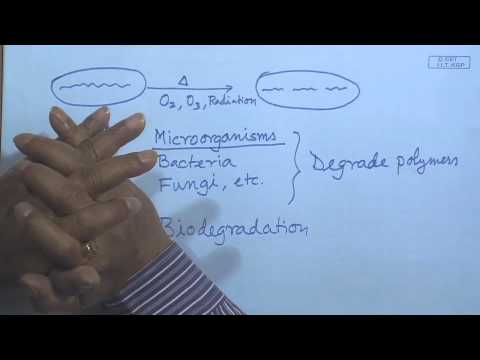
- Why this video: This academic lecture fills a critical technical gap. It explains the exact chemical pathways of polymer degradation—specifically thermal degradation, photo-oxidation via UV radiation, mechanical friction, and hydrolytic pathways. This provides the chemistry background required to understand how complex chains break down.
![S.3.2 What makes a Polymer Biodegradable ? [SL IB CHEMISTRY]](https://i.ytimg.com/vi_webp/yVHMwwxJuAk/maxresdefault.webp)
- Why this video: This chemistry-focused guide breaks down polymer structures at a molecular level. It demonstrates how hydrolysis reactions break ester or amide linkages in biodegradable polymers, contrasting them with the highly stable, non-hydrolyzable carbon-carbon backbone of petroleum-based plastics.

- Why this video: This video introduces industrial "nurdles" (pre-production plastic pellets) and secondary fibers, offering a visual bridge between polymer manufacturing, consumption patterns, and environmental fragment pathways.
Independent Study Note (Curriculum Gap): While the recommended videos offer solid academic foundations, you should independently research the molecular structures of Polyethylene (PE), Polypropylene (PP), and Polyethylene Terephthalate (PET) to understand how their molecular weights and lack of functional groups shield them from microbial enzymes.
Knowledge Checkpoint
- Can you explain the chemical difference between photodegradation (UV-mediated bond cleavage) and biodegradation (enzymatic breakdown)?
- What are the primary industrial uses of nurdles, and how do they differ from secondary microplastics?
- How does hydrolysis break ester and amide linkages in a polymer, and why is this reaction impossible for pure hydrocarbon chains like polyethylene?
Module 2: Transport and Distribution in Marine Environments
This module covers oceanography, tracing how microplastics travel from land-based municipal sewers and river basins to global marine sinks. You will study wind-driven surface currents, global thermohaline circulation, and the physical mechanisms that form ocean gyres.
Recommended Videos

- Why this video: Dr. Kara Lavender Law presents numerical ocean models demonstrating the global distribution and accumulation patterns of plastic debris. This introduces the application of quantitative modeling to marine pollution tracking.
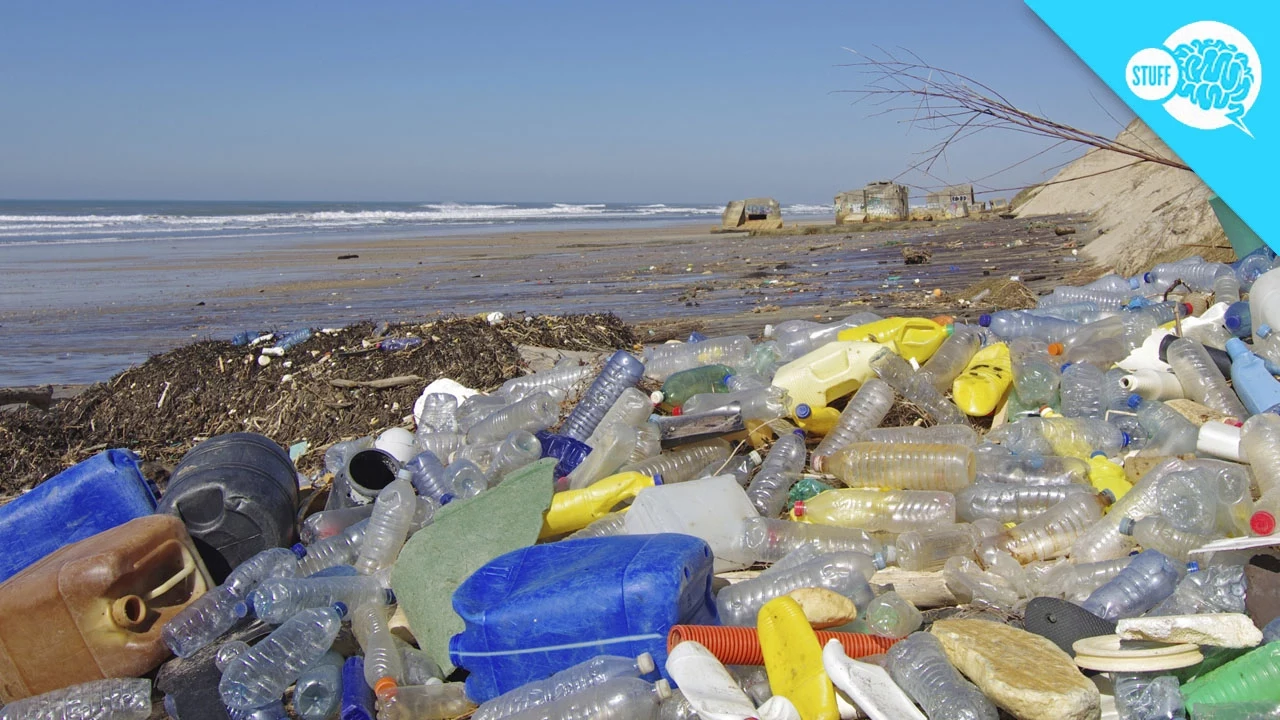
- Why this video: This video clarifies common misconceptions about ocean garbage patches, explaining that they are not solid islands of trash, but vast "plastic smogs" of suspended microplastics trapped inside rotating current systems called gyres.
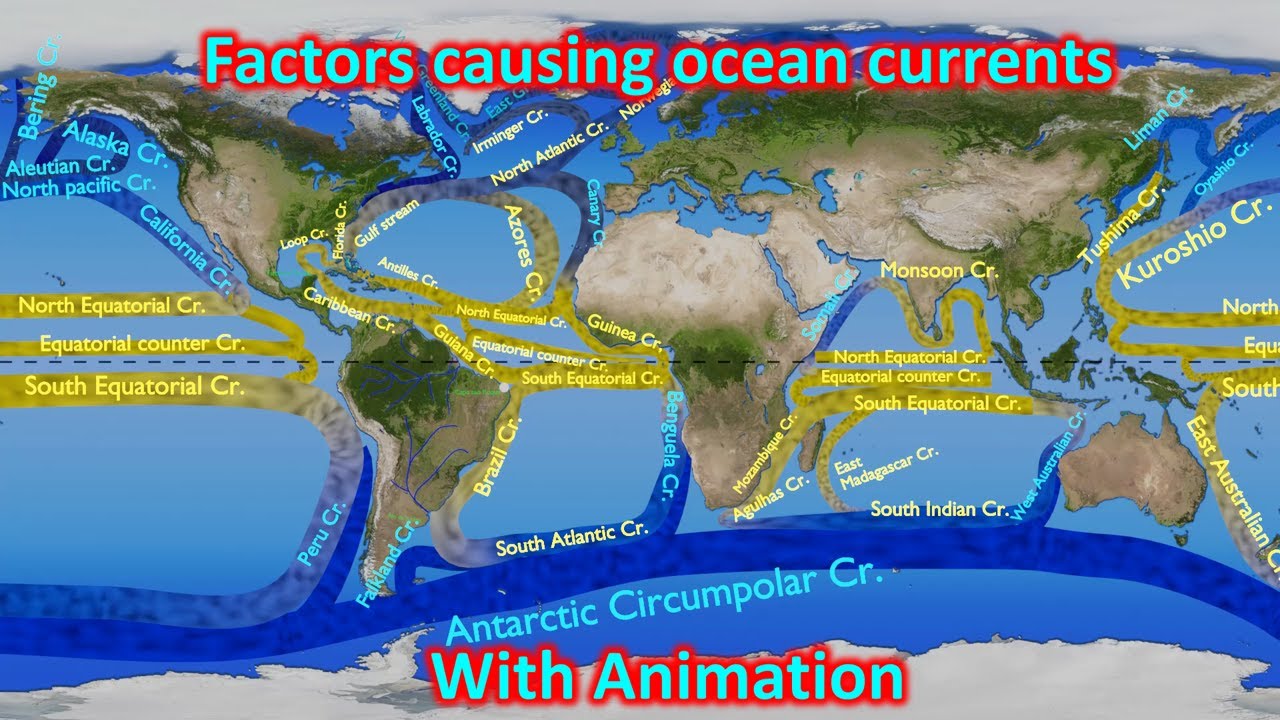
- Why this video: An in-depth physics lesson on the generation of ocean currents. Understanding the forces of wind friction, temperature, salinity gradients, and the Coriolis effect is essential to analyzing where and why microplastics aggregate globally.

- Why this video: Erik van Sebille explains the principles of Lagrangian oceanography. This presentation details how tracking virtual "particles" along simulated ocean pathways helps scientists predict where microplastics sink, drift, or wash ashore.
Knowledge Checkpoint
- How do global wind patterns and the Coriolis effect interact to produce the five major subtropical ocean gyres?
- What is the difference between Eulerian (fixed-point) and Lagrangian (particle-tracking) approaches to modeling ocean microplastics?
- Why do low-density microplastics sometimes sink into deep ocean trenches instead of staying buoyant on the surface?
Module 3: Microplastics in Marine Food Webs
This module focuses on marine ecology, illustrating how small plastics enter marine food webs. You will observe zooplankton ingestion, biological transport, and study how microplastics migrate up the trophic pyramid from filter feeders to apex predators.
Recommended Videos

- Why this video: This video shows direct laboratory footage from the University of Exeter of copepods (zooplankton) ingesting fluorescently labeled microplastics. This demonstrates how non-selective filter feeding introduces synthetic polymers into the base of the marine food web.
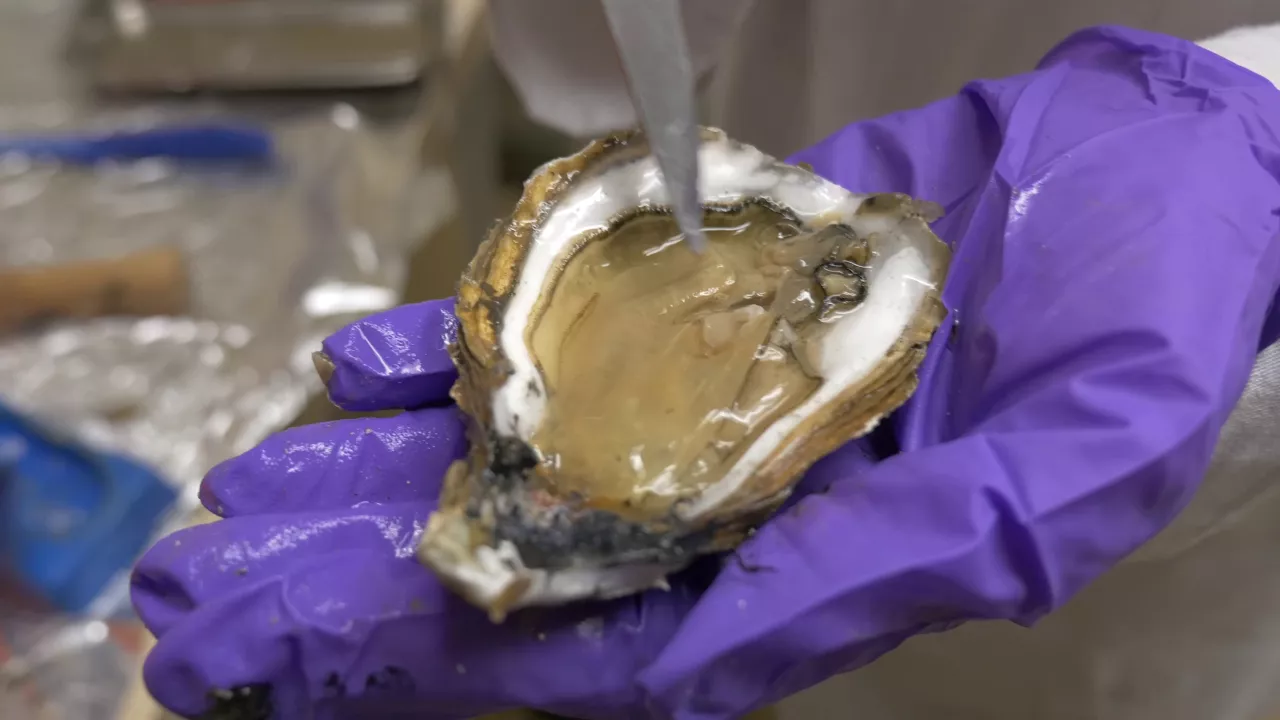
- Why this video: A practical study on benthic filter feeders (razor clams and oysters) off the Oregon coast. It illustrates the real-world abundance of synthetic fibers in wild shellfish harvested for human consumption.

- Why this video: This clip explains the energetic and reproductive costs of plastic ingestion. It covers how plastic consumption reduces natural prey intake, leading to lower energy reserves, smaller egg clutches, and diminished hatching success.

- Why this video: Discusses how microplastic fibers are packaged into planktonic fecal pellets. This process alters the density and sinking rates of marine snow, which affects carbon cycling and food sources in deep-sea ecosystems.
Knowledge Checkpoint
- Why are non-selective filter-feeding organisms particularly vulnerable to microplastic ingestion?
- How does plastic ingestion cause "physical satiation" and lead to nutritional deficiencies in marine life?
- How do contaminated zooplankton fecal pellets affect the transport of organic carbon to the deep seafloor?
Module 4: Ecotoxicological Impacts on Marine Organisms
This module examines the physical and chemical toxicity of microplastics, addressing a critical gap in ecotoxicological biochemistry. You will learn how plastics adsorb Persistent Organic Pollutants (POPs) from seawater, how these toxins translocate across gut tissues, and the health risks of microplastics in human food webs.
+--------------------------+ +--------------------------+ +--------------------------+ | Hydrophobic Pollutants | ---> | Microplastic Surface | ---> | Tissue Translocation | | (PCBs, DDT in seawater) | | (Concentrates toxins) | | (Passes gut into blood) | +--------------------------+ +--------------------------+ +--------------------------+
Recommended Videos

- Why this video: This video introduces the chemical toxicity of microplastics, focusing on how they leach manufacturing additives (like phthalates) and adsorb hydrophobic environmental pollutants (like PCBs) from the surrounding water.
- Why this video: This clip explains the role of plastics as chemical vectors. It describes how buoyant plastics collect oily, hydrophobic POPs on their surfaces, concentrating these toxic chemicals before they are ingested by marine wildlife.
- Why this video: This segment details bioaccumulation and biomagnification. It explains how lipid-soluble chemicals bind to animal fat tissue and increase in concentration at each step up the marine food chain.

- Why this video: National Geographic details how ingested plastics act as "Trojan horses." They transport hazardous compounds from the ocean directly into the edible tissues of commercial fish and shellfish.

- Why this video: This video reviews clinical evidence of human microplastic ingestion, focusing on a landmark study in The New England Journal of Medicine. It details how nano- and microplastics translocate into human coronary artery plaques, significantly increasing the risk of cardiovascular inflammation, stroke, and myocardial infarction.
Independent Study Note (Curriculum Gap): To understand chemical absorption, research hydrophobic partitioning. This is the process where non-polar organic pollutants (such as DDT and PCBs) dissolve out of polar seawater and adsorb onto the highly non-polar surfaces of polyethylene and polypropylene.
Knowledge Checkpoint
- Why do hydrophobic pollutants like PCBs adsorb onto plastics in concentrations up to one million times higher than in surrounding seawater?
- What is cellular translocation, and how do particles smaller than 1 micrometer (nanoplastics) cross biological membranes into circulatory and lymphatic systems?
- How does biomagnification differ from bioaccumulation within marine trophic levels?
Module 5: Global Mitigation and Solutions
This module evaluates potential solutions to the plastic crisis. You will examine the chemistry of seaweed-derived bioplastics, microbial biodegradation pathways, interceptor engineering systems, and international policy initiatives like the UN Global Plastic Treaty negotiations.
Recommended Videos

- Why this video: This video details the engineering journey of Boyan Slat's Ocean Cleanup project. It covers the challenges of passive ocean plastic collection, the physics of containment booms, and the shift from harvesting surface trash to intercepting plastic in rivers before it reaches the sea.

- Why this video: This segment details seaweed-based packaging solutions from Sway. It explains how biochemists use natural alginates and seaweed compounds to formulate polymers that biodegrade within weeks in natural marine environments.
- Why this video: This video explains how specific bacteria and fungi (such as Pseudomonas, Bacillus, and Aspergillus species) use specialized enzymes to degrade synthetic plastic structures, offering a potential biotechnological path for waste processing.
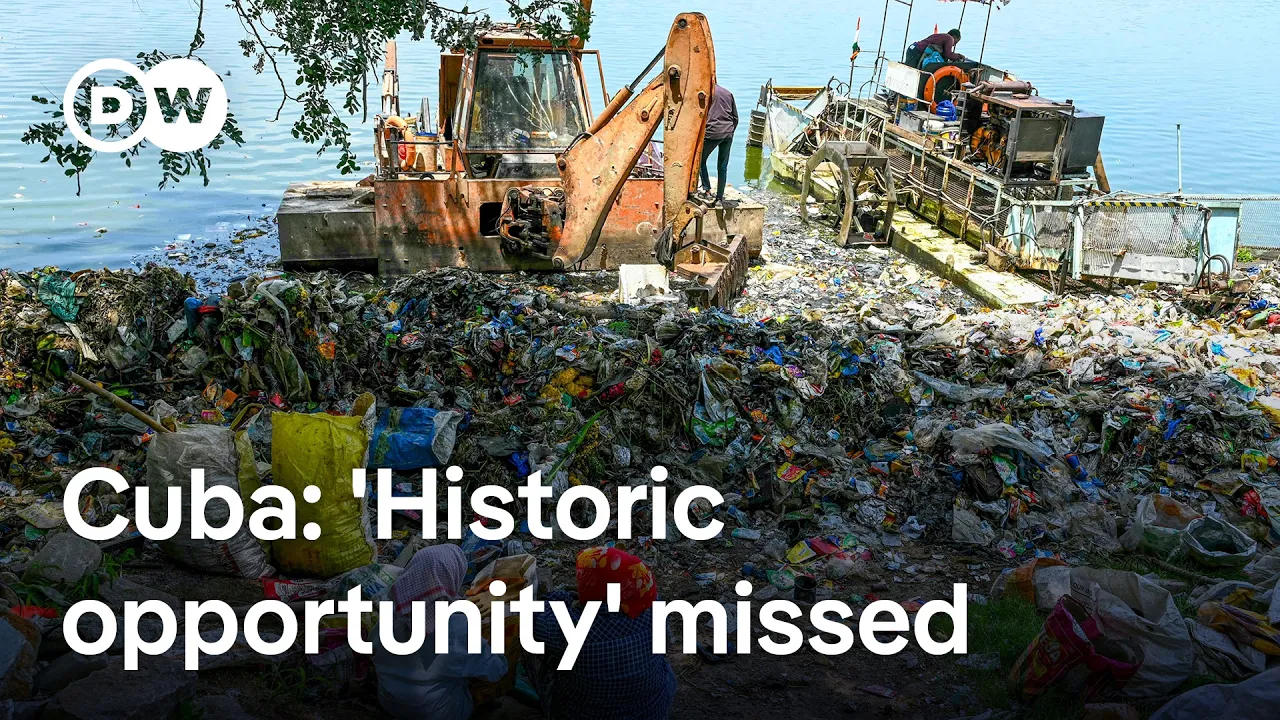
- Why this video: This news feature looks at the geopolitical and economic challenges of the UN Global Plastic Treaty talks. It details the debates between ambitious nations seeking plastic production caps and petrochemical-producing states pushing for downstream recycling-only mandates.
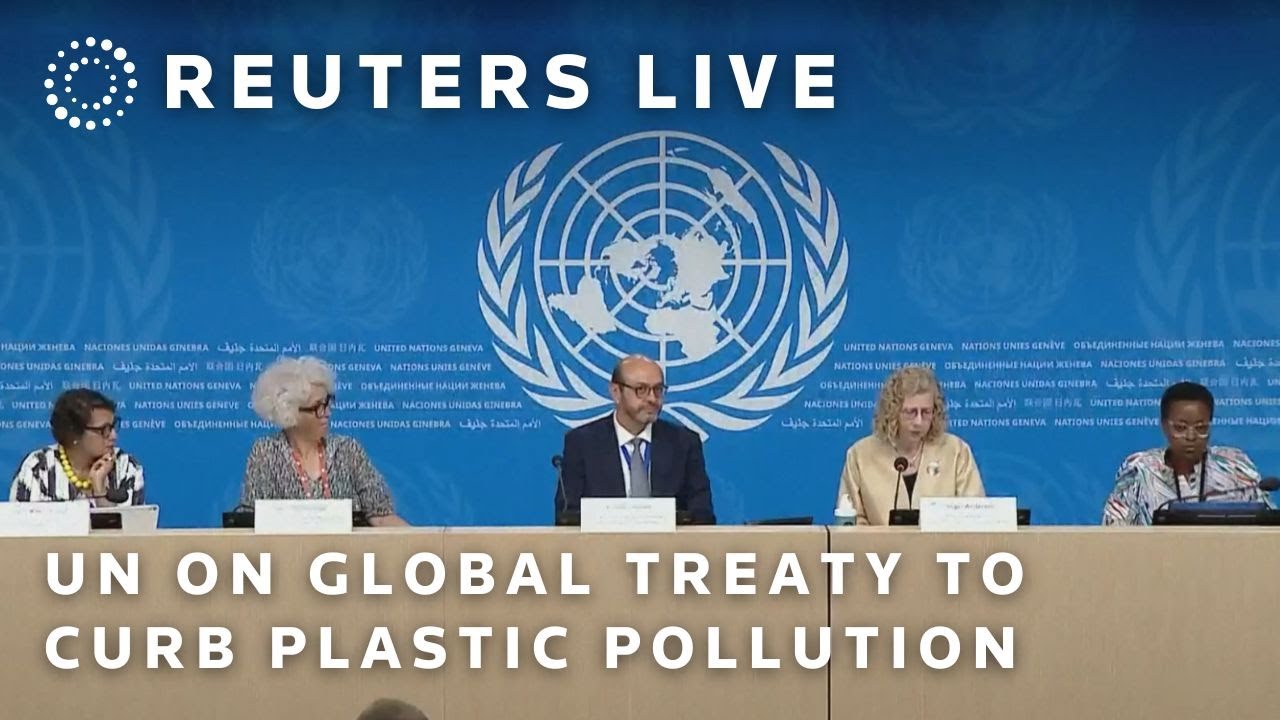
- Why this video: Live footage and direct debate from the United Nations Environment Assembly (UNEA) sessions. This video shows how international policy is negotiated and highlights the challenges of creating legally binding environmental regulations.
Knowledge Checkpoint
- Why are seaweed-derived bioplastics (such as those containing alginate) capable of marine biodegradation, whereas cornstarch-based PLA requires high-temperature industrial composting facilities?
- What is the main design feature of passive river interceptors compared to open-ocean cleanup systems?
- What are the primary disagreements between "High Ambition Coalition" countries and fossil-fuel producing states in the UN Global Plastic Treaty negotiations?
Course Map
Below is the recommended pathway through the modules. Each module builds the necessary foundational chemistry, physics, or biology required for the next.
Key People Index
- Dr. Sarah Dudas (University of Exeter / Vancouver Island University)
Context: Lead researcher on microplastic distribution in marine habitats. Highlighted in Module 1 for defining the distinction between primary and secondary microplastics. - Dr. Kara Lavender Law (Sea Education Association)
Context: Research Professor of Oceanography. Renowned for collecting long-term datasets on plastic accumulation in North Atlantic and Caribbean gyres, featured in Module 2. - Dr. Erik van Sebille (Utrecht University)
Context: Climate physicist and oceanographer. Leader in modeling global ocean current dispersion of microplastics using Lagrangian tracking paradigms, featured in Module 2. - Dr. Tamara Galloway (University of Exeter)
Context: Ecotoxicologist. Pioneered high-resolution imaging of live zooplankton ingesting microplastics, demonstrating food web impacts in Module 3. - Boyan Slat (The Ocean Cleanup)
Context: Dutch inventor and entrepreneur. Founded the organization that designed passive surface barriers for gyre trash cleanups and active River Interceptor systems, featured in Module 5.
Final Self-Assessment
Test your understanding of the entire curriculum by answering this comprehensive self-assessment:
- Explain how UV-induced photo-oxidation chemically weakens a polymer chain (e.g., polyethylene) and makes it susceptible to mechanical breakdown.
- Compare primary microplastics (like nurdles and microbeads) with secondary microplastics regarding their industrial origin and morphology.
- Describe the oceanographic forces (wind, Coriolis effect, Ekman transport) that concentrate plastic debris inside subtropical gyres.
- Explain the difference between Eulerian and Lagrangian ocean models, and how oceanographers use them to track floating microplastics.
- Describe the trophic journey of a microplastic fiber, starting from its release during washing, through its ingestion by marine zooplankton, up to its consumption by an apex predator.
- Explain why microplastics act as chemical "vectors." Specifically, address how the hydrophobic nature of both the plastics and certain organic pollutants (like PCBs and DDT) leads to high concentration of these pollutants on plastic surfaces.
- Define the process of cellular translocation. Explain how small nanoplastics can cross epithelial tissue barriers (such as the gut lining or circulatory systems) in marine life and humans.
- Cite clinical findings connecting microplastic particles found in human arterial tissues to physiological outcomes like vascular inflammation or cardiovascular events.
- Compare the chemical differences and environmental breakdown pathways of seaweed-derived polymers with industrial starch-based polylactic acid (PLA).
- Detail the main conflicts and compromise points between economic blocks in the UN Global Plastic Treaty negotiations.