Space Race: Cold War Proxy, Science & Politics
Learning Goal: Trace the scientific, political, and cultural dimensions of the US-Soviet Space Race (1955–1975), analyzing how it served as a proxy conflict during the Cold War.
- Prerequisites: High-school level understanding of World War II, basic geography of Europe, and basic physics concepts (thrust, orbit, and gravity).
- Estimated Total Study Time: 14 hours
Module 1: Post-WWII Geopolitics and the Birth of Rocketry
Overview
This module explores the geopolitical transition from World War II to the Cold War. You will trace how the destruction of Nazi Germany led to a race between the United States and the Soviet Union to capture advanced German rocket technology, specifically the V-2 ballistic missile. You will analyze "Operation Paperclip" and its Soviet equivalent, examining how both superpowers integrated German scientists to jumpstart their military rocket and future space programs.
Recommended Videos

- Why this video: This video provides an indispensable deep dive into the ethics and execution of Operation Paperclip. It details how the US government secretly bypassed immigration restrictions and war-crime background checks to integrate more than 1,600 German rocket engineers, including Wernher von Braun, directly into its military-industrial complex.
- Knowledge Checkpoint:
- Explain why the US military prioritized recruiting German rocket scientists over prosecuting them for war crimes.
- Identify Wernher von Braun's background in Germany and his primary destination/objective in the post-WWII United States.
- Describe how the Cold War geopolitical climate began to harden immediately following the collapse of Berlin in 1945.

- Why this video: This brief, powerful documentary traces the dark dual legacy of the V-2 rocket. It demonstrates that the technological foundation of modern space exploration—the first human-engineered object to cross into space—was simultaneously a brutal weapon built by enslaved laborers under horrific conditions.
- Knowledge Checkpoint:
- Define the double-edged legacy of the V-2 rocket program.
- State the approximate human toll associated with building the V-2 at the Mittelwerk underground factory.
- Explain the technological milestone the V-2 achieved in 1944 before its deployment as a weapon.

- Why this video: It bridges 1930s civilian rocket enthusiasm (Hermann Oberth, early VfR clubs) with militarized Nazi efforts, and eventually the post-WWII division of materials between the Western Allies and Soviet forces. This provides the direct technological link between pre-war science and early Cold War ICBM development.
- Knowledge Checkpoint:
- Outline how civilian interest in liquid-fueled rocketry in 1930s Germany was co-opted by the Nazi military state.
- Contrast how the US and USSR physically split up German assets (materials, engineers, and blueprints) at the end of WWII.
- Explain how the R-7 rocket in the USSR and Redstone rocket in the US directly descended from V-2 research.
Module 2: The Sputnik Shock and the Dawn of the Space Age (1955–1957)
Overview
This module explores the critical turning point of the Cold War: the launch of Sputnik 1 on October 4, 1957. You will study how this minor scientific payload triggered a profound psychological crisis in the United States, driving a wave of defense reforms, a major expansion of science education funding, and the creation of DARPA and NASA to catch up with Soviet capabilities.
Recommended Videos

- Why this video: It contains historical footage and audio of the Sputnik 1 launch. Hearing the actual radio beacon "beep" transmitted by Sputnik provides historical immersion, illustrating the raw signal that could be picked up by radio operators worldwide, proving Soviet space supremacy.
- Knowledge Checkpoint:
- Identify the physical dimensions, mass, and payload capabilities of Sputnik 1.
- Detail the method Sputnik 1 used to broadcast its presence back to listening stations on Earth.
- Contrast the simple nature of the satellite with the military implications of its booster rocket.

- Why this video: Produced with archival historical footage, this video explains how the International Geophysical Year (IGY) set the stage for Sputnik, and how the United States, caught off-guard, consolidated its military and civilian aerospace efforts to birth NASA in 1958.
- Knowledge Checkpoint:
- Explain the significance of the International Geophysical Year (IGY) in setting the timeline for both superpower launches.
- Describe how the US government consolidated the NACA (National Advisory Committee for Aeronautics) into NASA.
- Analyze why President Eisenhower wanted a civilian agency (NASA) rather than a military branch to lead the public-facing Space Race.

- Why this video: This snippet of investigative historian Annie Jacobsen’s lecture outlines the extreme technological panic in Washington after Sputnik's launch. It focuses on the realization that Sputnik was launched via an ICBM, meaning the Soviet Union had developed the ability to launch nuclear strikes across continents.
- Knowledge Checkpoint:
- Connect the launch of Sputnik 1 to the immediate threat of Soviet Intercontinental Ballistic Missiles (ICBMs).
- State how the "Sputnik Crisis" directly led to the formation of ARPA (later DARPA) in 1958.
- Evaluate the strategic and defensive panic that gripped US leadership during October and November of 1957.
Module 3: Human Spaceflight and the Propaganda War (1961–1965)
Overview
This module explores the heights of the Cold War propaganda battles fought through early human spaceflight. You will examine Yuri Gagarin’s historic Vostok 1 flight in 1961, the resulting US response through Project Mercury, and President John F. Kennedy's bold declaration at Rice University committing the United States to a manned lunar landing before the end of the decade.
Recommended Videos
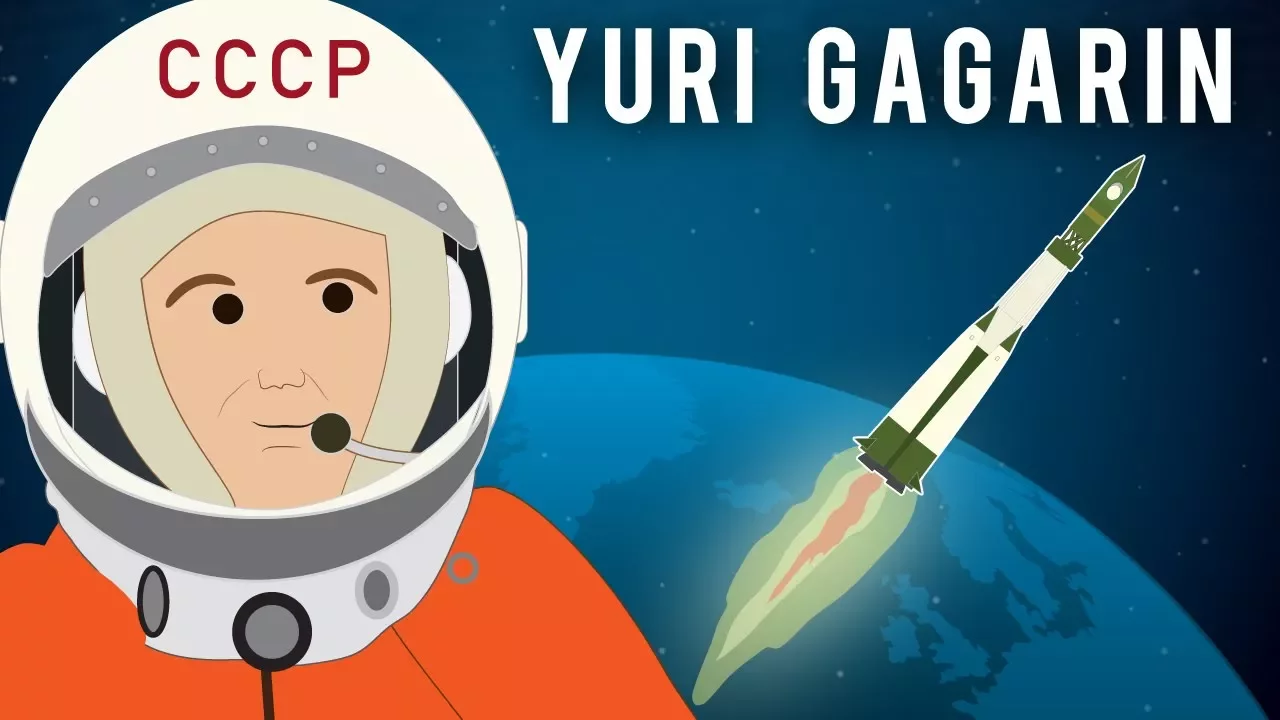
- Why this video: An educational animated summary of Yuri Gagarin’s life and his historic orbit on April 12, 1961. It details the flight of Vostok 1, Gagarin's background, and his selection from 20 cosmonaut candidates, framing it as a major political triumph for Nikita Khrushchev.
- Knowledge Checkpoint:
- Detail the flight profile of Vostok 1, including duration and orbital path.
- Describe the emergency precautions taken by the Soviets in case the automatic descent systems failed.
- Analyze how the Soviet leadership leveraged Gagarin's flight globally as a demonstration of communist superiority.
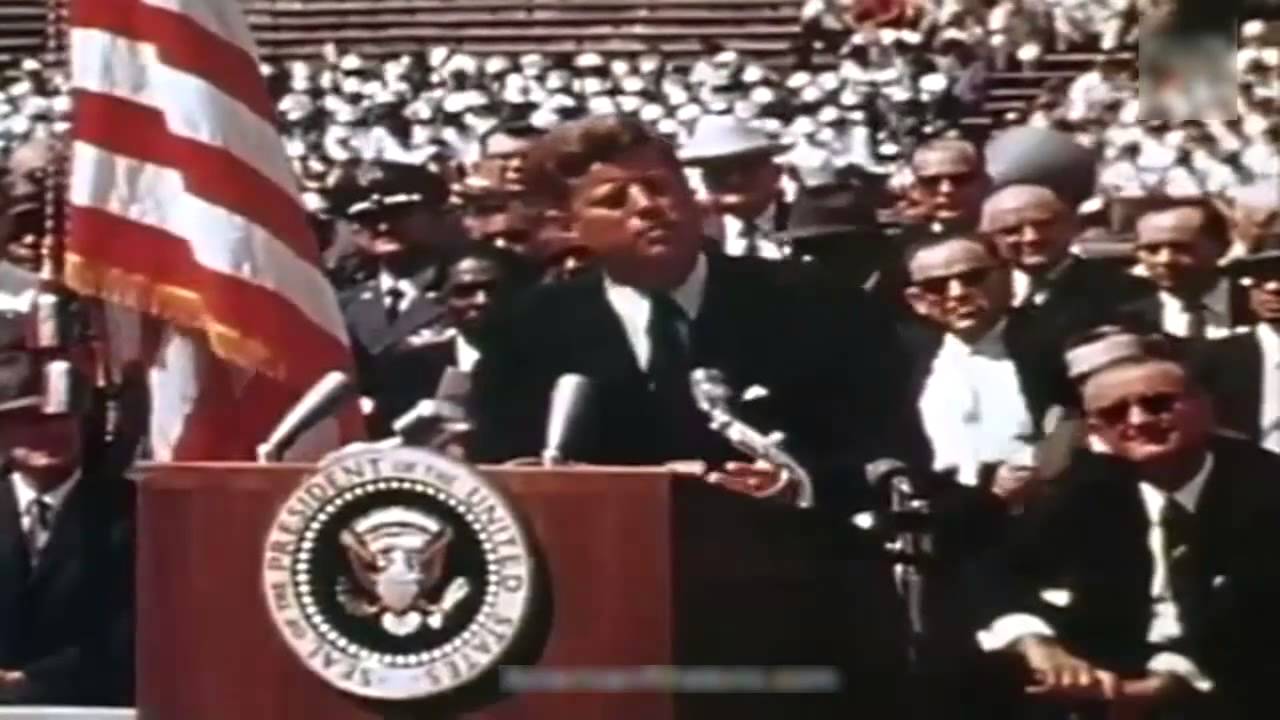
- Why this video: This video captures the core of President John F. Kennedy's iconic September 12, 1962 speech at Rice University. It demonstrates how political rhetoric was used to frame space exploration as a mandatory test of national character, technological capability, and democratic freedom.
- Knowledge Checkpoint:
- Recite the justification JFK gave for choosing to go to the Moon ("not because they are easy, but...").
- Explain the geopolitical stakes JFK outlined if the United States surrendered leadership in space to a hostile regime.
- Identify the time frame designated by JFK for achieving the goal of landing a man on the Moon.
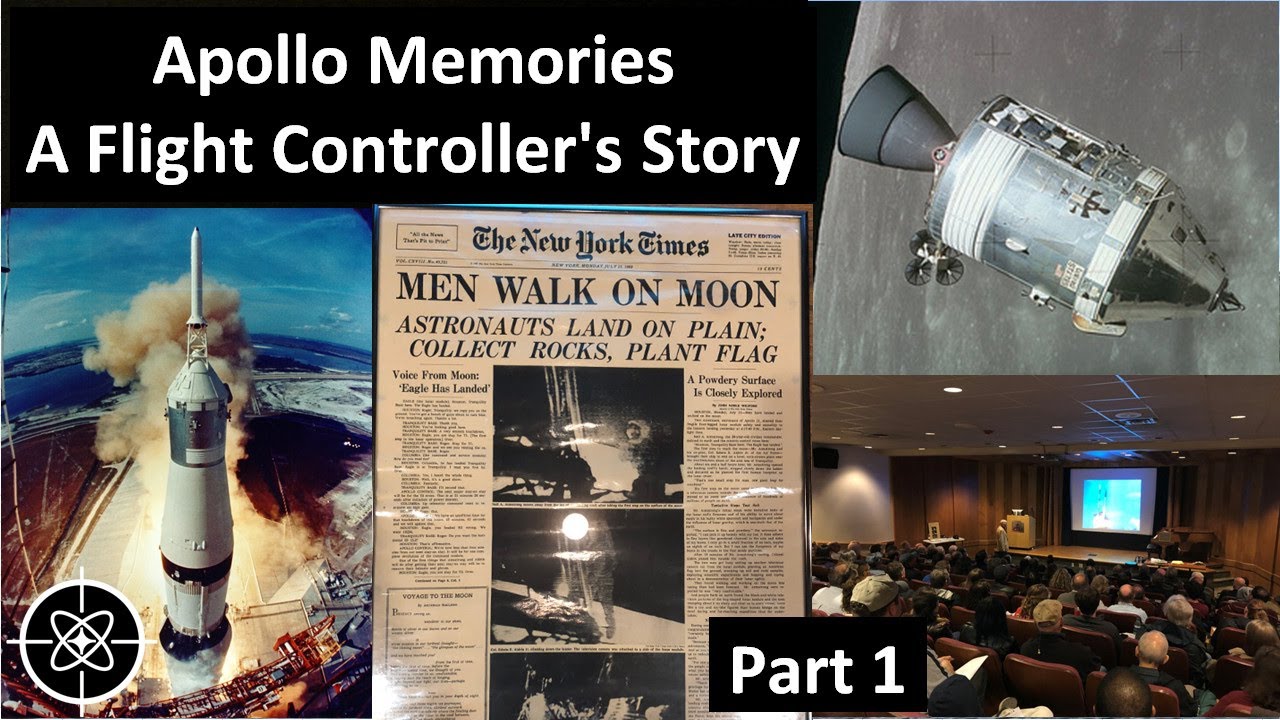
- Why this video: Provides an insider's view from a NASA flight controller regarding Project Mercury and the early progression toward Apollo. It details the suborbital flight of Alan Shepard and the historic orbital flight of John Glenn, illustrating how Mercury served as proof of concept for human spaceflight operations.
- Knowledge Checkpoint:
- Contrast the suborbital flight profile of Alan Shepard (Freedom 7) with the orbital profile of John Glenn (Friendship 7).
- Detail the operational responsibilities of the newly established NASA Mission Control during the Mercury program.
- Explain how Project Gemini built on Project Mercury to develop docking and spacewalk techniques.
Module 4: The Moon Shot: Apollo vs. the Soviet Lunar Program (1966–1969)
Overview
This module contrasts the two lunar programs at the peak of the Space Race. You will study the massive engineering achievements of the US Apollo program (the Saturn V rocket) alongside the secret, underfunded, and ultimately doomed Soviet lunar landing program (the N1 rocket). You will conclude with the successful Apollo 11 landing in July 1969 and analyze why the US "won" the race to the Moon.
Recommended Videos

- Why this video: A masterclass in rocket engineering. Host Destin Sandlin interviews Luke Talley, an actual Apollo electrical and system engineer, explaining the sheer scale, mechanical complexity, and stages of the Saturn V rocket.
- Knowledge Checkpoint:
- Name the three distinct stages of the Saturn V rocket and describe what propellants were used in each.
- Explain the function and power output of the F-1 rocket engine used on the first stage.
- Detail how the Instrument Unit (IU) on top of the third stage controlled the rocket’s guidance and navigation autonomously.
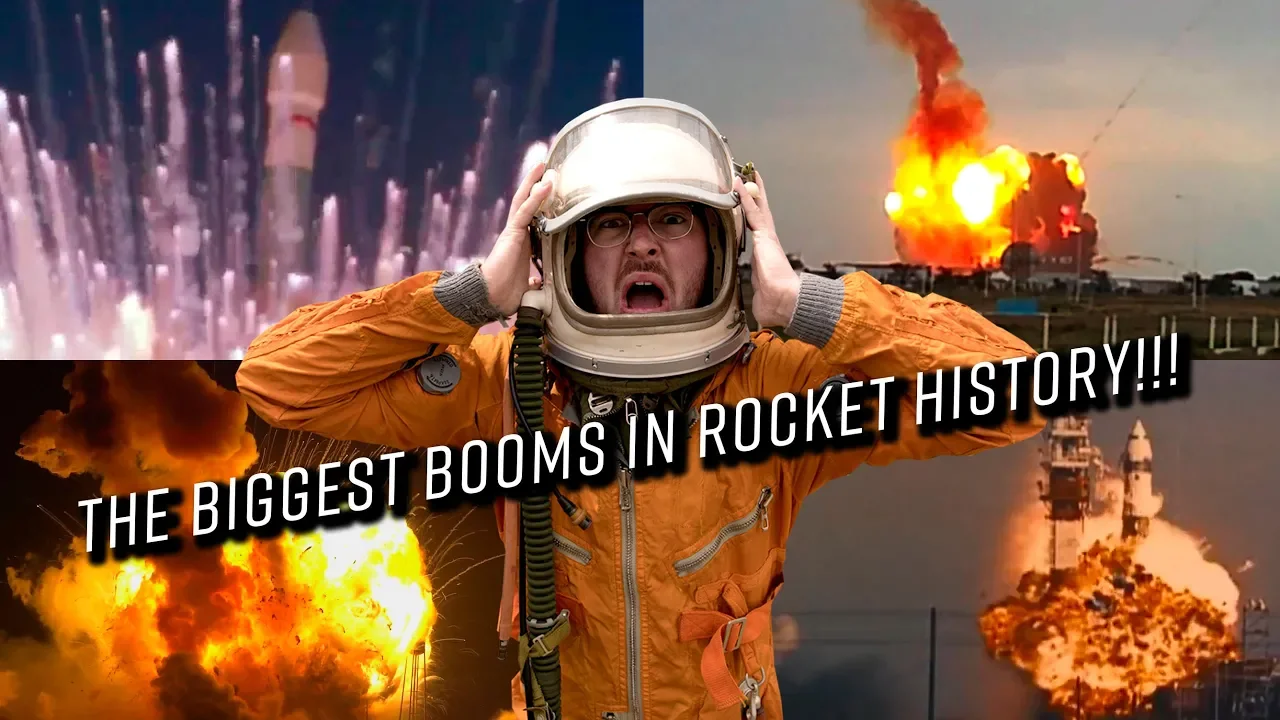
- Why this video: Addresses one of the major gaps in typical Space Race narratives: the Soviet N1 rocket. This video focuses on the catastrophic structural failures of the N1, particularly the July 3, 1969 explosion—one of the largest non-nuclear explosions in human history—which sealed the fate of the Soviet moon program.
- Knowledge Checkpoint:
- Explain why the N1 used 30 smaller engines (NK-15) on its first stage instead of fewer, larger engines.
- Detail the system failure (the KORD computer) that led to the catastrophic launch explosion on July 3, 1969.
- Contrast the funding and centralized leadership of NASA with the rivalries and fractured design bureaus in the Soviet Union.

- Why this video: This documentary details the history of Sergei Korolev's moon rocket efforts, the cancellation of the N1, and the secret preservation of highly advanced closed-loop oxygen-rich rocket engines (NK-33) that were later purchased by US aerospace firms.
- Knowledge Checkpoint:
- Discuss the impact of Chief Designer Sergei Korolev’s death in 1966 on the momentum of the Soviet space program.
- Describe the metallurgical breakthrough of Soviet rocket engines (staged combustion cycle) that made them highly efficient.
- Explain why the Soviet Union officially denied having a manned lunar program for decades after Apollo 11.
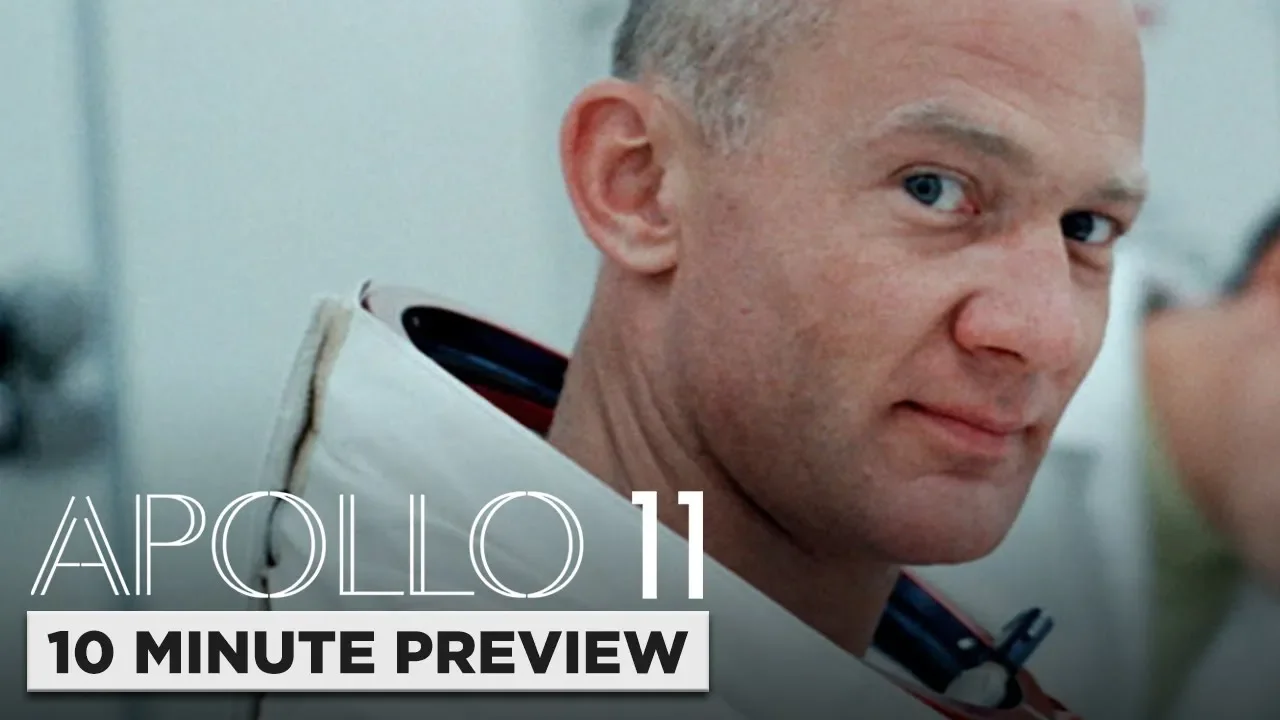
- Why this video: Features remastered historical audio and video of the July 1969 launch. This short film clip captures the tension of the launch sequence, illustrating the cultural impact and scale of the culmination of JFK's promise.
- Knowledge Checkpoint:
- Identify the names and roles of the three astronauts aboard Apollo 11.
- Explain how the Lunar Module (LM) separated, landed, and later rejoined the Command and Service Module (CSM) in lunar orbit.
- Analyze how the global television broadcast of the moonwalk acted as a soft-power victory for the United States.
Module 5: Detente and Cooperation: The Apollo-Soyuz Test Project (1970–1975)
Overview
This module traces the winding down of the Space Race as geopolitical relations warmed during the era of Détente. You will analyze how space stations (the Soviet Salyut program and the US Skylab) represented a shift toward long-duration missions, and study the symbolic end of the Space Race: the historic 1975 Apollo-Soyuz Test Project, where astronauts and cosmonauts shook hands in orbit.
Recommended Videos

- Why this video: This video addresses a major gap identified in the review feedback: it provides a high-level educational narrative on the political and diplomatic context of the Apollo-Soyuz Test Project (ASTP). Through first-hand astronaut accounts, it details how the docking of an Apollo capsule with a Soyuz capsule served as a public symbol of Cold War Détente.
- Knowledge Checkpoint:
- Define the diplomatic concept of "Détente" and explain how it facilitated joint space exploration.
- Describe the engineering challenge of docking two systems built in different languages, metrics, and atmospheric pressures (and how the docking module resolved it).
- Analyze the symbolic value of the orbital handshake between Tom Stafford and Alexei Leonov in 1975.
![The Past And Future Of Space Stations [History Of Human Spaceflight Part 3]](https://i.ytimg.com/vi_webp/n1gEwlpMysc/maxresdefault.webp)
- Why this video: Following the loss of the Moon Race, the Soviet Union shifted focus to Earth-orbital space stations. This video reviews the development of the civilian (DOS) Salyut stations and the secret military (Almaz) reconnaissance stations.
- Knowledge Checkpoint:
- Contrast the goals of the Soviet civil "Salyut" space station program with the secret military reconnaissance "Almaz" stations.
- Explain how the Soviets pivoted their space strategy after realizing they could not match the US lunar landings.
- Outline the technical successes and catastrophic failures (such as the Soyuz 11 depressurization) of early space station crew transfers.
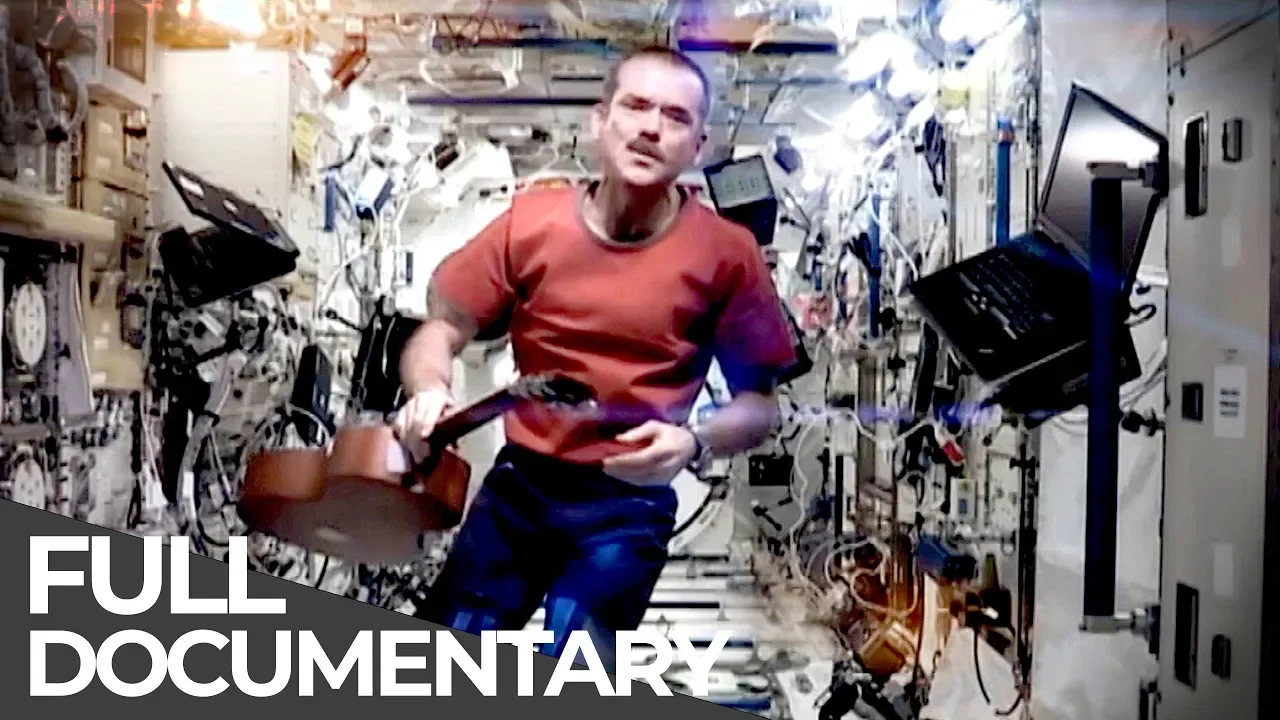
- Why this video: Focuses on NASA's Skylab program, launched in 1973 using a converted third stage of a Saturn V rocket. This clip illustrates the transition from the high-velocity "race" to long-duration biological and environmental science.
- Knowledge Checkpoint:
- Describe how the Skylab habitat was structurally created from leftover Saturn V hardware.
- Explain the primary scientific goals of the Skylab missions compared to Apollo lunar expeditions.
- Discuss how microgravity research on Skylab contributed to our early understanding of human physiology during long stays in orbit.
Module 6: The Legacy: Scientific, Cultural, and Geopolitical Impact
Overview
This final module reviews the long-term impact of the Space Race. You will evaluate how research during the 1960s transformed everyday consumer technology through "NASA spin-offs," explore the economic realities that led both superpowers to scale down their massive space budgets, and reflect on how the Space Race laid the groundwork for today’s era of international cooperation (ISS) and commercial spaceflight.
Recommended Videos

- Why this video: Features an educational presentation by former NASA Deputy Chief Technologist Jim Adams on how NASA systematically transfers technology designed for the extreme environment of space to commercial and consumer life on Earth.
- Knowledge Checkpoint:
- Define "Technology Transfer" and explain when NASA officially mandated the program.
- Describe how investments in specialized space engineering produce broad economic benefits in non-space sectors.
- Identify fields (e.g., medicine, food preservation, material science) that have benefited from space program developments.
- Why this video: This video directly addresses the need for clear educational overviews detailing modern everyday technology spinoffs. It presents concrete examples of Apollo-era materials research that have integrated into your daily routine.
- Knowledge Checkpoint:
- Identify the connection between NASA's Viking Mars Lander tires and modern heavy-duty radial truck tires.
- Explain how the safety features of highway pavement (safety grooving) came directly from NASA research on aircraft runways.
- Name three common domestic products (e.g., memory foam, cordless tools, water filters) that trace their engineering lineages back to space-program contracts.

- Why this video: A comprehensive animated summary that poses the fundamental question: "Who won the Space Race?" It highlights that while the US achieved the prestige of the Moon landing, the Soviets claimed first satellite, first dog, first man, first woman, and first spacewalk, demonstrating that "winning" depends heavily on which metrics you value.
- Knowledge Checkpoint:
- List three key early space milestones achieved by the Soviet Union before the US Apollo program.
- Discuss how the Cold War drive for military advantage led to civilian technological advancements.
- Explain how the competitive era of the Space Race set the engineering standards for the cooperative era of the International Space Station (ISS).

- Why this video: Explains the economic realities behind why the Apollo program was abruptly canceled. It details the massive budget consumption of the Apollo program (peaking at nearly 5% of the US Federal budget) and how public and political support evaporated once the proxy competition was won.
- Knowledge Checkpoint:
- State the percentage of the US federal budget consumed by NASA at the peak of the Apollo program in the mid-1960s.
- Explain the domestic political and economic pressures (e.g., the Vietnam War, social spending) that forced the cancellation of Apollo missions 18, 19, and 20.
- Detail the strategic pivot both countries made toward lower-orbit, reusable, and cost-effective operations in the late 1970s.
Course Map
Key People Index
- Wernher von Braun: Former Nazi SS officer and developer of the V-2 rocket. Recruited by the US under Operation Paperclip, he became the chief architect of the Saturn V rocket that propelled Americans to the Moon.
- Sergei Korolev: The "Chief Designer" of the Soviet space program. Imprisoned under Stalin's purges, he was later released to head the development of the R-7 rocket, Sputnik 1, and Yuri Gagarin's capsule. His identity remained a state secret until after his death in 1966.
- John F. Kennedy: 35th President of the United States. Politically shaken by Yuri Gagarin's flight, he committed the US to the Apollo program as a proxy ideological campaign of the Cold War.
- Yuri Gagarin: Soviet cosmonaut who became the first human in space on April 12, 1961, aboard Vostok 1. He became a global celebrity and the ultimate public symbol of Soviet technological success.
- Neil Armstrong: American astronaut and commander of Apollo 11. He became the first human to step onto the surface of the Moon on July 20, 1969.
- Alexei Leonov: Soviet cosmonaut who performed the first human spacewalk (Extravehicular Activity) in 1965. Later, he served as the Soviet commander of the historic joint Apollo-Soyuz docking mission in 1975.
- Tom Stafford: American astronaut and commander of the Apollo crew during the joint Apollo-Soyuz Test Project in 1975, executing the historic orbital handshake with Alexei Leonov.
Final Self-Assessment
- Proxy Warfare: Can you explain how the Space Race served as a bloodless proxy conflict that substituted orbital milestones for direct nuclear war between the US and the USSR?
- V-2 Technology Transfer: Can you trace the lineage of both the American Saturn V and the Soviet R-7 booster rockets back to German V-2 developments at Peenemünde?
- Sputnik Panic: Can you describe why Sputnik 1 was viewed by Western defense planners as a national security emergency rather than just a scientific accomplishment?
- NASA Consolidation: Can you detail how and why NASA was established as a civilian agency, and how that status helped the US project a message of peaceful intent?
- Propaganda Metrics: Can you compare the early propaganda victories of the Soviet Union (Sputnik, Gagarin, Leonov) with the ultimate American victory of Apollo 11?
- Saturn V vs. N1: Can you outline the engineering and structural reasons why the US Saturn V succeeded on its launches while the Soviet N1 program suffered four catastrophic failures?
- Bureaucratic Dynamics: Can you contrast the centralized funding and project management of NASA with the fractured, competitive design bureaus in the Soviet system?
- Détente Mechanics: Can you explain how the cooling of Cold War tensions (Détente) directly influenced the orbital architecture of the Apollo-Soyuz Test Project?
- Everyday Spin-offs: Can you identify at least five consumer or industrial technologies used today that were developed or improved by space program research?
- The Pivot to LEO: Can you explain why humanity stopped going to the Moon after 1972, including the economic, political, and social forces that shifted priorities to Low Earth Orbit (LEO)?