Microplastic Biodegradation: Consortia Design
Learning Goal: Designing and analyzing synthetic bacterial consortia for the biodegradation of synthetic microplastics in freshwater systems, covering strain selection, metabolic pathway mapping, and degradation kinetics analysis.
- Prerequisites: Basic general chemistry, introductory biochemistry, and high school-level algebra.
- Estimated Total Study Time: 32 Hours
Module 1: Foundations of Microbiology & Plastic Pollution
Overview
This module establishes the core ecological and biological frameworks necessary for microplastic bioremediation. You will learn the anatomical differences between bacterial strains, how plastics (specifically PET, PE, PP, PS) are classified chemically, and the critical environmental consequences of microplastic accumulation within freshwater systems.
Note: While the video pool provides extensive coverage of PET structures and ecological impacts, detailed molecular visualizations of PE, PP, and PS are scarce. To fully master the non-PET structures, we recommend independently searching for: "Chemical structure of Polyethylene, Polypropylene, and Polystyrene polymers."
Recommended Videos
- Why this video: This academic lecture provides an in-depth, rigorous assessment of how microplastics behave in actual freshwater ecosystems. It covers environmental concentrations, ecological transport vectors, and how microplastics interface with freshwater microbiology to form complex "plastisphere" communities.
- Knowledge Checkpoint:
- Explain how microplastic concentrations vary across freshwater environments.
- Define the term "plastisphere" and its significance in freshwater ecology.
- Describe the physical vectors by which microplastics are transported through river systems.

- Why this video: Before designing a bacterial consortium, you must understand bacterial anatomy. This video provides a high-yield summary of bacterial cell walls, detailing the structural differences between Gram-positive and Gram-negative bacteria—a crucial parameter for membrane-bound enzymatic secretions.
- Knowledge Checkpoint:
- Differentiate between Gram-positive and Gram-negative cell walls, highlighting peptidoglycan thickness.
- Identify key structural components of bacterial membranes that support transport proteins.
- Explain how cell wall structure affects a bacterium's environmental resilience in freshwater.

- Why this video: This bite-sized reference provides the fundamental chemical formula and polymer arrangement for Polyethylene Terephthalate (PET), establishing the baseline chemical architecture of ester linkages that are target-rich environments for bacterial hydrolases.
- Knowledge Checkpoint:
- Write down the chemical formula of Polyethylene Terephthalate (PET).
- Identify the two main monomers that synthesize PET.
- Pinpoint the ester bond linkage in a PET chain that is vulnerable to enzymatic hydrolysis.
- Why this video: This video bridges the gap between natural biopolymers and artificial synthetic plastics. It explains what makes a polymer specifically a "plastic," outlining the long chains of repeating monomers that make synthetic plastics highly resistant to natural decomposition.
- Knowledge Checkpoint:
- Explain the difference between natural polymers (e.g., cellulose) and synthetic plastics.
- Describe how polymer chain length and branching affect mechanical resistance to biodegradation.
- Define what a monomer is and how it polymerizes to create durable macromolecular chains.
Module 2: Microbial Metabolism and Enzyme Action
Overview
This module explores how microorganisms process organic carbon and harness energy. We will analyze the mechanics of enzyme-catalyzed reactions, comparing structural models (Lock and Key vs. Induced Fit), and walk through basic aerobic bacterial pathways (Glycolysis and the TCA cycle) which serve as downstream carbon assimilation pathways for degraded microplastic monomers.
Recommended Videos
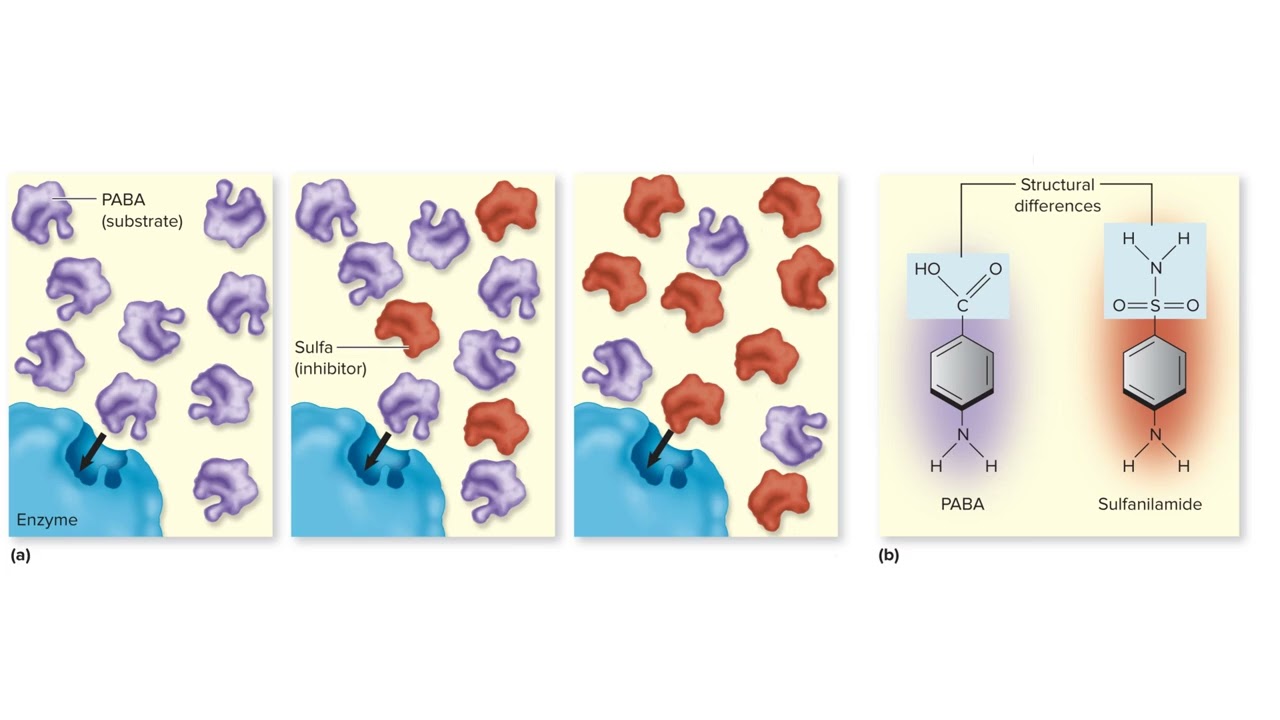
- Why this video: This comprehensive university lecture covers the entirety of bacterial catabolism and anabolism. It shows how cells generate ATP and metabolic intermediates, which is vital for understanding how a bacteria can utilize plastic degradation byproducts (like ethylene glycol) as primary carbon and energy sources.
- Knowledge Checkpoint:
- Distinguish between catabolic and anabolic pathways in bacterial cells.
- Explain how ATP is generated via substrate-level phosphorylation versus oxidative phosphorylation.
- Describe the ultimate metabolic fate of carbon molecules entering bacterial catabolism.

- Why this video: Glycolysis is the gateway of cellular respiration. This classic Khan Academy tutorial walks you step-by-step through the investment and payoff phases of glucose degradation, which serves as the foundational model for downstream processing of polymer-derived monomers.
- Knowledge Checkpoint:
- List the starting reactants and end-point products of glycolysis.
- Explain the thermodynamic difference between the ATP investment phase and the ATP payoff phase.
- State how many net ATP and NADH molecules are generated per single molecule of glucose.
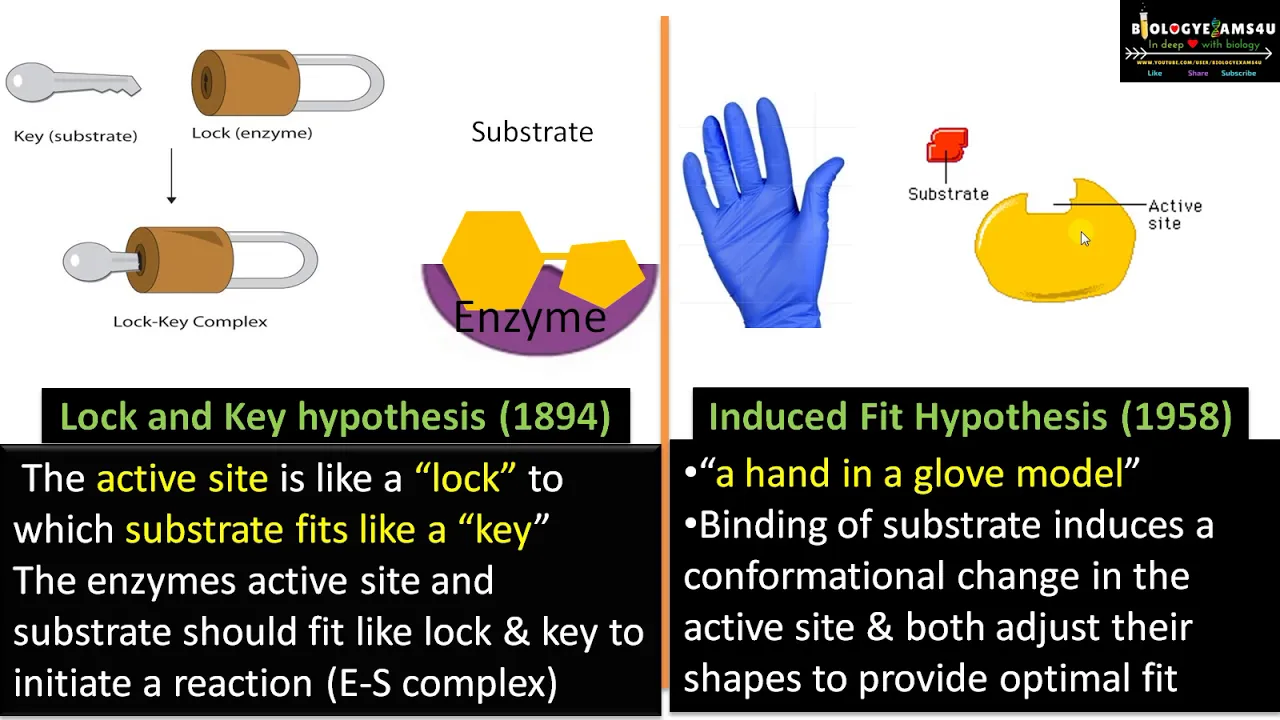
- Why this video: Enzymes are the biological catalysts that break down tough polymer bonds. This video contrasts Fischer's Lock and Key model with Koshland's Induced Fit model, showing how structural flexibility at the active site lowers the activation energy of complex polymers.
- Knowledge Checkpoint:
- Outline the core differences between the Lock and Key and Induced Fit models.
- Detail how active-site conformational changes stabilize the transition state of a substrate.
- Explain why the Induced Fit model is more biochemically accurate for complex enzymatic actions like plastic hydrolysis.
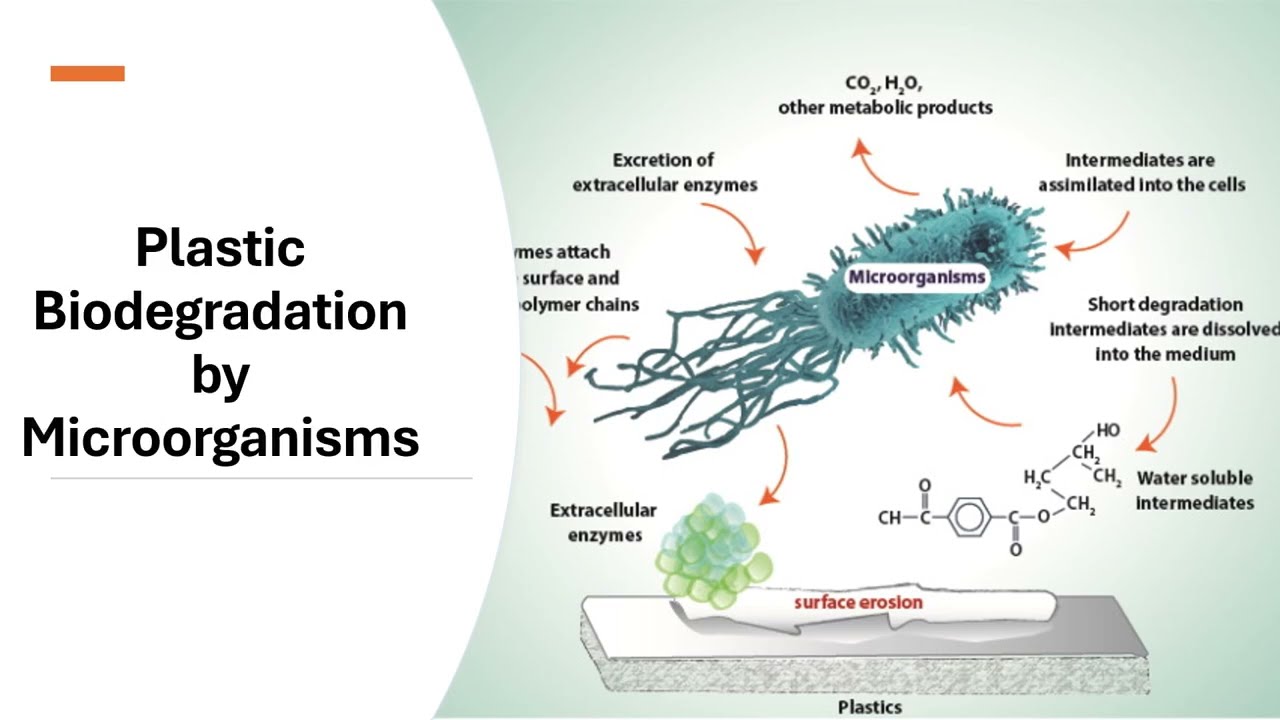
- Why this video: This video directly bridges general metabolism to polymer biodegradation. It breaks down the process into four distinct stages: biodeterioration, biofragmentation, assimilation, and mineralization, providing a conceptual map of how extracellular enzymes convert physical plastics into intracellular carbon.
- Knowledge Checkpoint:
- Define the four stages of microbial plastic biodegradation.
- Explain the role of extracellular vs. intracellular enzymes in polymer degradation.
- Describe "mineralization" and list its typical end-products (e.g., CO2, H2O).
Module 3: Designing Synthetic Bacterial Consortia
Overview
Single bacterial species often struggle to degrade complex, toxic synthetic polymers completely. This module covers synthetic biology engineering principles and demonstrates how to design "consortia"—cooperative microbial communities that distribute metabolic burdens. By dividing metabolic labor, strain-to-strain cross-feeding limits the accumulation of toxic intermediates.
Note: While these videos cover synthetic biology, metabolic division of labor, and metabolic engineering conceptually, we suggest looking up specific research papers on "design-build-test-learn cycle for synthetic microbial consortia" to supplement your wet-lab protocols.
Recommended Videos
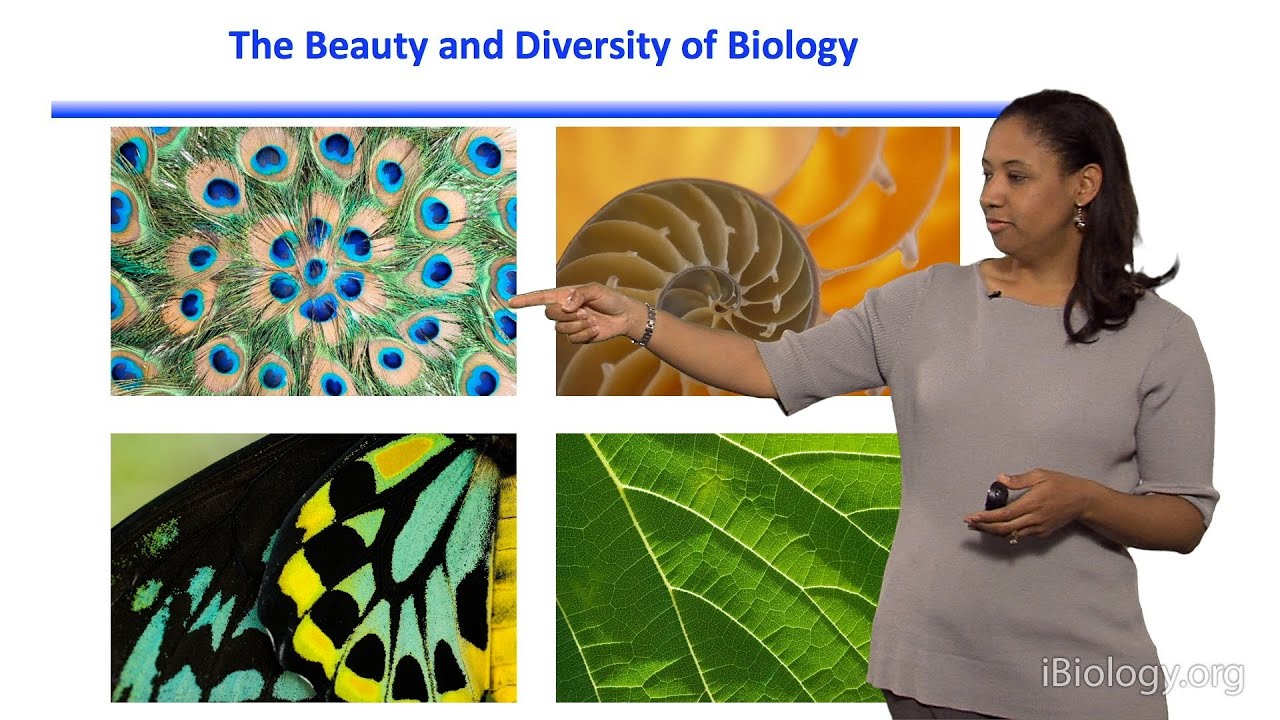
- Why this video: Dr. Kristala L. J. Prather of MIT explains how synthetic biology applies systematic engineering principles to biological systems. This foundational understanding is required to design customized, genetically stable consortia with predictable metabolic outputs.
- Knowledge Checkpoint:
- Explain how engineering principles (standardization, abstraction) apply to synthetic biology.
- Describe the basic concept of "metabolic engineering" and how pathway fluxes can be redirected.
- State how DNA synthesis acts as a fundamental enabling technology for metabolic pathway construction.
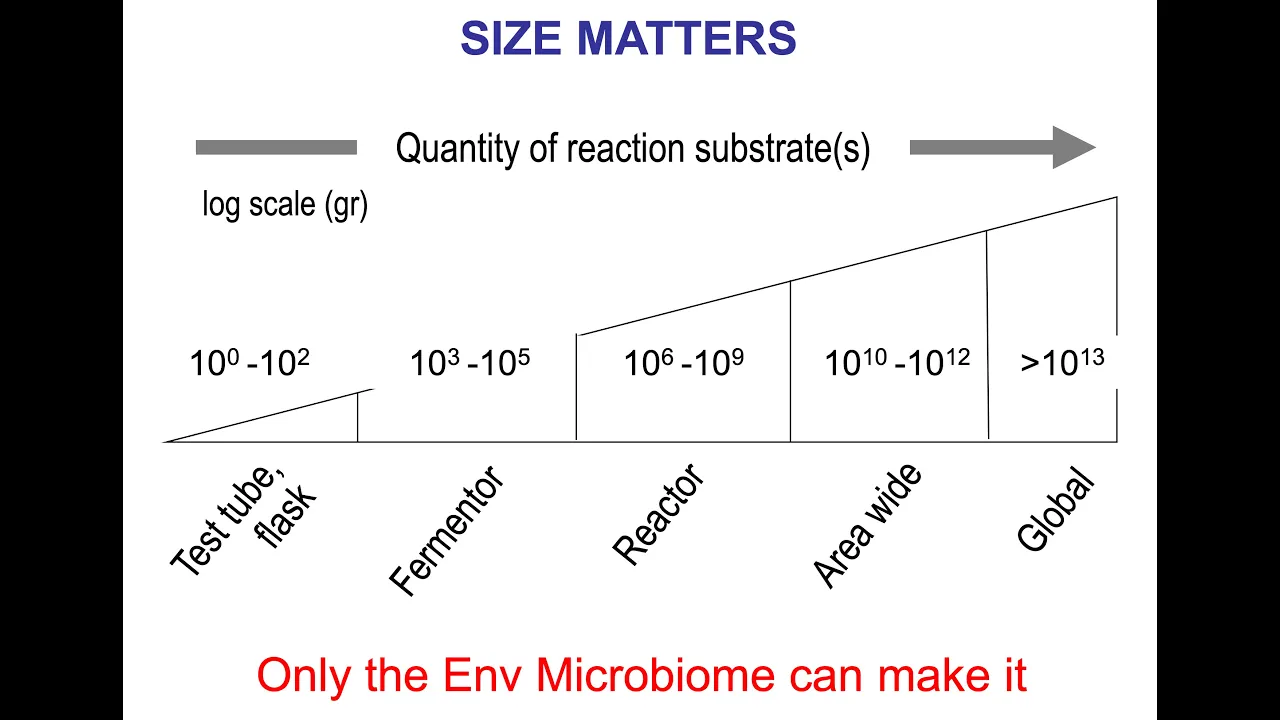
- Why this video: This lecture outlines how modern synthetic biology moves away from fragile, genetically engineered monocultures in favor of synthetic consortia. It introduces the vital concept of "metabolic division of labor," where different strains handle individual steps of xenobiotic degradation.
- Knowledge Checkpoint:
- Explain why a microbial consortium is often more robust than a single monoclonal strain for environmental bioremediation.
- Describe "metabolic division of labor" and how it prevents pathways from bottlenecking.
- Identify key safety controls required when releasing synthetic microbial consortia into environmental scenarios.

- Why this video: Although focused on gut biomes, this segment explains the concept of "microbial guilds" or collaborative consortia. It details how cross-feeding allows one species to consume metabolites produced by another, keeping toxic byproducts low and pulling thermodynamic reactions forward.
- Knowledge Checkpoint:
- Define "cross-feeding" (syntrophy) within a microbial community.
- Explain how the metabolic product of Strain A serves as a growth substrate for Strain B.
- Describe how mutualistic guilds achieve chemical transformations that neither strain could perform in isolation.
Module 4: Metabolic Pathway Mapping & Bioinformatics
Overview
To build a functional biodegradation consortium, you must map metabolic pathways to locate, extract, or upregulate plastic-degrading genes. This module covers essential bioinformatic databases, focusing heavily on KEGG (Kyoto Encyclopedia of Genes and Genomes) to trace gene sequences to metabolic pathways, using the PET degradation cascade of Ideonella sakaiensis as our primary case study.
Recommended Videos

- Why this video: This introductory tutorial teaches you how to navigate the KEGG database. You will learn how KEGG acts as an interactive bioinformatic map that ties genomic sequences directly to biochemical reaction networks.
- Knowledge Checkpoint:
- Navigate the KEGG database to search for a specific gene or compound.
- Explain the relationship between KEGG pathways, orthology (KO) groups, and EC numbers.
- Interpret a standard KEGG reference pathway map.

- Why this video: This practical guide takes KEGG navigation to the next level by demonstrating pathway analysis and visualization using the R programming language. This is highly useful for mapping RNA-seq or metagenomic datasets of microplastic-degrading consortia.
- Knowledge Checkpoint:
- Describe the purpose of using R packages (like
pathvieworgage) to interface with KEGG. - Explain how gene expression/metabolic flux data can be visualized directly on a KEGG pathway diagram.
- Define how to extract signaling or metabolic pathway indices programmatically.
- Describe the purpose of using R packages (like
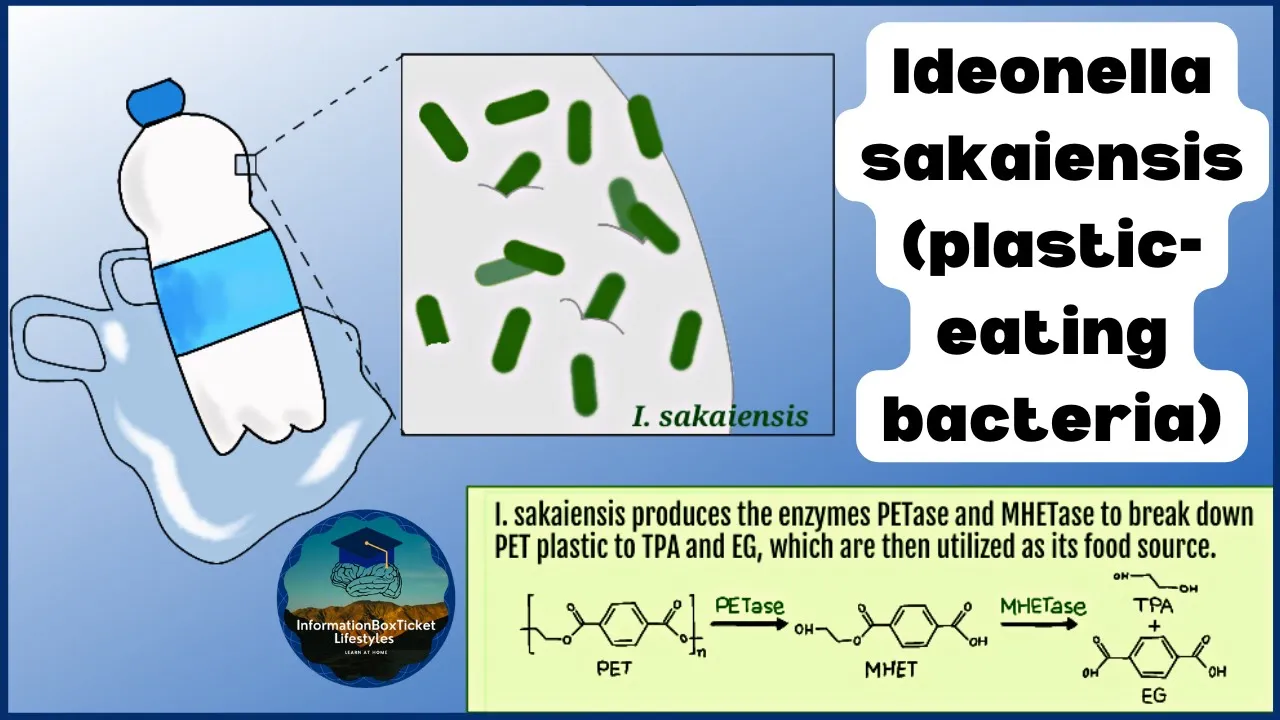
- Why this video: This video details the metabolic pathway of Ideonella sakaiensis, the classic model organism for PET degradation. It traces the biochemical process by which PET is sequentially degraded using two key enzymes: PETase and MHETase.
- Knowledge Checkpoint:
- Trace the chemical pathway from PET to BHET, MHET, and finally to terephthalic acid (TPA) and ethylene glycol (EG).
- Differentiate between the functions and cellular locations of PETase and MHETase.
- Explain how TPA and EG enter the bacterium's central metabolic pathway (TCA cycle).
Module 5: Degradation Kinetics and Mathematical Modeling
Overview
To evaluate and optimize your synthetic consortia, you must model their behavior mathematically. This module covers enzyme kinetics (using the Michaelis-Menten derivation) and microbial population dynamics (using the Monod equation) to build predictive models of microplastic degradation rates.
Recommended Videos
- Why this video: This highly analytical lecture derives the Michaelis-Menten equation from basic chemical principles, establishing the steady-state assumption. Mastering this derivation is critical for determining how substrate concentration affects the rate of enzyme-mediated polymer hydrolysis.
- Knowledge Checkpoint:
- Write down the Michaelis-Menten equation and define each variable (, , , ).
- Explain the steady-state approximation used in the derivation.
- Define the physical meaning of and describe what a low or high implies about enzyme-substrate affinity.

- Why this video: This lecture segment provides the mathematical foundation of microbial growth kinetics: the Monod equation. This equation models how the growth rate () of your consortium relates to the concentration of the limiting substrate (the plastic monomers).
- Knowledge Checkpoint:
- State the Monod equation and identify the similarities between it and the Michaelis-Menten equation.
- Define and in the context of bacterial population growth.
- Explain how a cell's growth kinetics shift when substrate concentration is much smaller than .
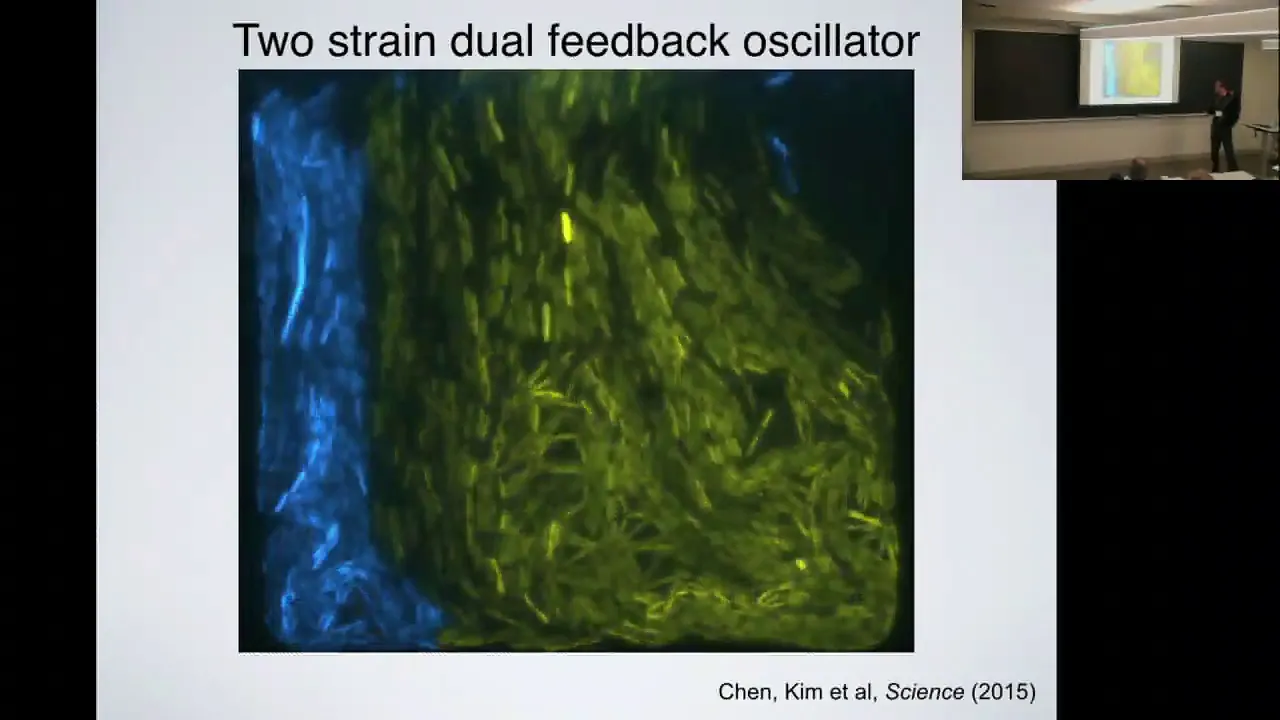
- Why this video: This advanced lecture by Krešimir Josić addresses the exact challenge of modeling multi-strain synthetic microbial consortia. It details how differential equations can model metabolic cooperation, strain-to-strain interactions, and population stability.
- Knowledge Checkpoint:
- Explain why single-strain models fail to predict the population dynamics of synthetic consortia.
- Describe how coupling differential equations can represent cooperative cross-feeding.
- Identify key parameters needed to mathematically model stable strain ratios over time.
- Why this video: To apply Monod growth equations, you must recognize the phenotypic lifecycle of a culture. This video explains the four distinct phases of bacterial growth: lag, log, stationary, and death phases, showing how physical systems transition across these phases.
- Knowledge Checkpoint:
- Sketch a standard bacterial growth curve and label its four main phases.
- Explain what occurs biologically during the lag phase and why it is crucial for enzyme induction.
- Identify the growth phase in which Monod kinetics are most accurately applied.
Module 6: Bioreactor Implementation & Analysis in Freshwater
Overview
This final module brings together the biological design, pathway planning, and kinetic modeling to build a physical bioreactor. You will learn how to design suspended or membrane-based bioreactor systems for wastewater treatment, and study analytical tools (like FT-IR and Nile Red staining) to measure microplastic degradation efficiency in freshwater.
Recommended Videos

- Why this video: This session breaks down standard biological reactor design. It shows the setup of stirred-tank and sparged bioreactors, detailing how agitators, oxygenation systems, and sensors maintain an optimal environment for biological processes.
- Knowledge Checkpoint:
- Describe the primary components of a stirred-tank bioreactor.
- Explain the function of a sparger and why oxygen transfer rates are critical for aerobic consortia.
- State how temperature, pH, and nutrient feedback loops are controlled within a bioreactor vessel.
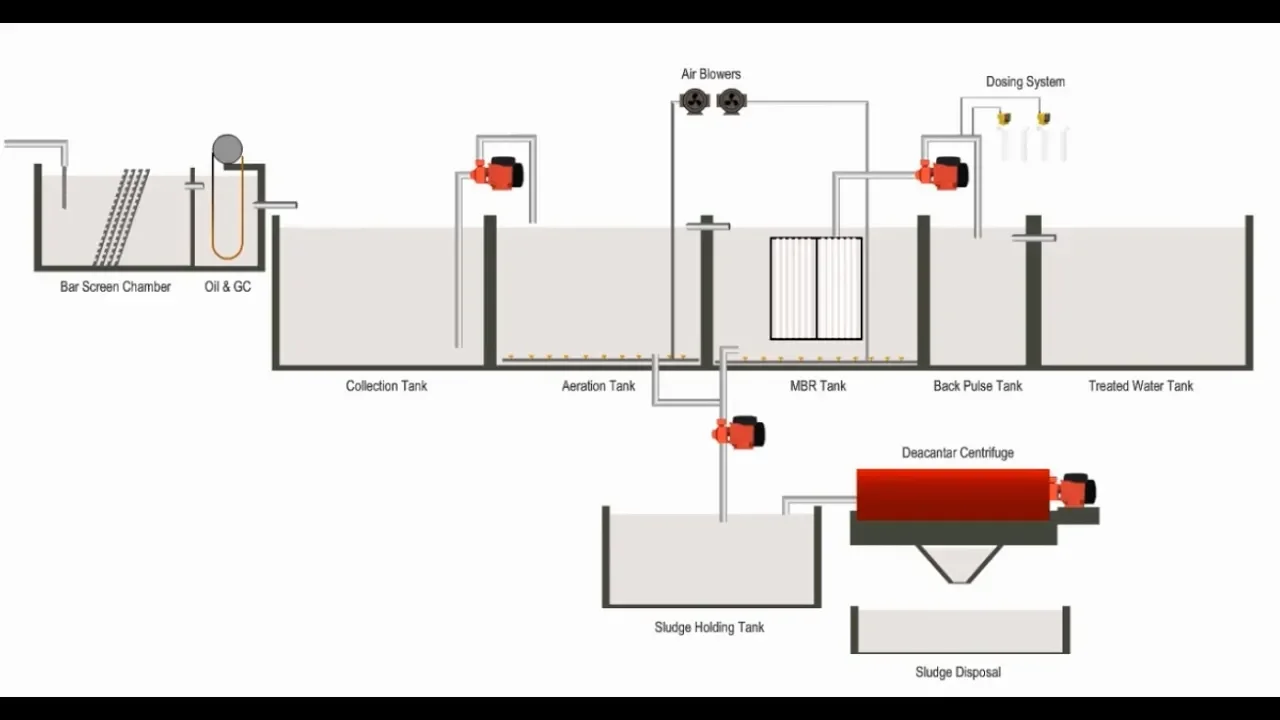
- Why this video: Membrane Bioreactor (MBR) systems are the industry standard for biological wastewater treatment. This video details how combining biological degradation with micro- or ultrafiltration membranes allows clean water to pass through while keeping your synthetic consortia safely inside the reactor.
- Knowledge Checkpoint:
- Explain how an MBR system differs from a traditional activated sludge bioreactor.
- Describe how ultrafiltration membranes prevent the escape of synthetic bacterial consortia into natural freshwater streams.
- Identify the main operational challenges of MBRs, such as membrane biofouling.

- Why this video: This video focuses on combining PETase and MHETase into a single, highly efficient system. It demonstrates how co-expressing or pairing enzymes yields synergistic degradation rates up to six times faster than using single enzymes, providing an excellent blueprint for designing multi-strain consortia.
- Knowledge Checkpoint:
- Explain why combining PETase and MHETase leads to a synergistic (non-additive) increase in degradation rate.
- Describe how genetic linkers or structural pairings are used to optimize cooperative enzymatic pathways.
- Discuss the industrial viability of scaling up dual-enzyme biodegradation systems.

- Why this video: To prove your synthetic consortium is actually degrading microplastics, you must measure their degradation. This guide reviews the primary analytical methods, contrasting Nile Red staining with state-of-the-art Fourier-Transform Infrared (FT-IR) microscopy.
- Knowledge Checkpoint:
- Contrast Nile Red fluorescence microscopy with FT-IR microscopy in terms of specificity and accuracy.
- Describe how FT-IR spectral peaks change as plastic polymers undergo biological oxidation and chain-scission.
- Outline the process for collecting, filtering, and preparing a freshwater sample for FT-IR analysis.
Course Map
Below is the recommended sequence of modules. Each module builds upon the metabolic, computational, or mathematical concepts established in the previous step.
Key People Index
- Dr. Kristala L. J. Prather (MIT): A pioneer in metabolic engineering and synthetic biology who specializes in developing recombinant pathways to produce value-added chemicals and degrade complex substrates.
- Dr. Krešimir Josić (University of Houston): A leading mathematician specializing in the modeling of synthetic microbial consortia, population dynamics, and biological feedback networks.
- Dr. Raul Cano: Renowned microbiologist whose work on microbial guilds and cross-feeding relationships laid the foundation for modern collaborative consortium designs.
- Dr. Sarah O'Connor & Dr. Lennart Schada von Borzyskowski: Key synthetic biologists investigating enzyme systems and engineered pathways to process synthetic plastic polymers.
- Emil Fischer & Daniel Koshland: Historic biochemists who proposed the "Lock and Key" (Fischer, 1894) and "Induced Fit" (Koshland, 1958) models of enzyme-substrate catalysis.
Final Self-Assessment
Test your mastery of the complete curriculum by completing this comprehensive self-assessment checklist:
- Bacterial Anatomy: Can you explain the structural differences between Gram-positive and Gram-negative bacterial membranes and how they affect protein secretion?
- Polymer Chemistry: Can you sketch the repeating monomer configuration of Polyethylene Terephthalate (PET) and highlight the target bond for enzymatic cleavage?
- Biodegradation Lifecycle: Can you list and define the four stages of polymer biodegradation (biodeterioration, biofragmentation, assimilation, mineralization)?
- Consortia Design: Can you explain the concept of "metabolic division of labor" and show how mutualistic cross-feeding prevents pathway bottlenecking?
- Bioinformatics: Can you navigate the KEGG database to identify a gene sequence, map its pathway, and locate its corresponding EC enzymatic classification number?
- Ideonella Cascade: Can you write down the step-by-step pathway showing how Ideonella sakaiensis breaks down PET into terephthalic acid and ethylene glycol using PETase and MHETase?
- Michaelis-Menten Kinetics: Can you derive the Michaelis-Menten equation from the steady-state assumption and explain what and represent?
- Monod Growth Modeling: Can you state the Monod equation and explain how it models microbial population growth relative to a limiting plastic substrate?
- Bioreactor Design: Can you compare a standard stirred-tank bioreactor with a Membrane Bioreactor (MBR) and explain why MBRs are well-suited for wastewater treatment?
- Analytical Validation: Can you describe how FT-IR spectra change as plastic polymers degrade, and outline how to confirm microplastic mass loss in a laboratory setting?