Adult Neurogenesis: Stem Cells & Integration
Learning Goal: Evaluate the mechanisms and functional significance of adult neurogenesis, detailing how neural stem cells in the dentate gyrus proliferate, mature, and integrate into existing hippocampal circuits.
- Prerequisites: Introductory biology or basic neuroscience foundations (structure of a neuron, concept of cellular division).
- Estimated Study Time: 12 Hours
Module 1: Foundations of Brain Anatomy and Synaptic Transmission
This module establishes the foundational neuroanatomy and electrobiology required to understand adult neurogenesis. You will learn the structural organization of the central nervous system, basic neuronal morphology, the architecture of the hippocampus, and how electrochemical signals are transmitted across synaptic junctions.

- Why this video: This video provides an energetic, high-level overview of the mammalian central nervous system (CNS), helping you visualize how specialized neurons cluster into functional nervous networks.

- Why this video: It bridges macro-anatomy and micro-physiology, clearly demonstrating how electrical action potentials transition into chemical signals at the synaptic cleft through neurotransmitters.
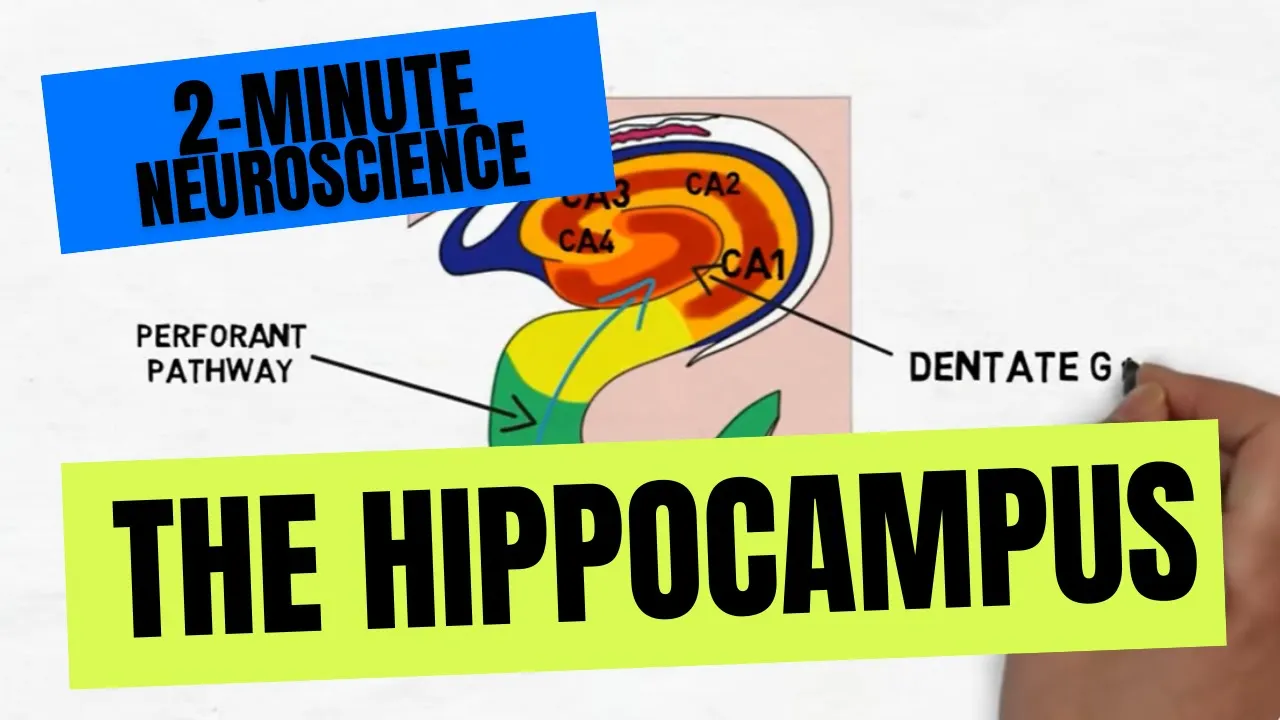
- Why this video: This highly visual, concise guide introduces the seahorse-shaped hippocampal formation within the medial temporal lobe, providing context for where neurogenesis takes place.
- Why this video: It presents a deep dive into the molecular components of chemical synapses, detailing vesicle docking, transmitter release, and the distinction between NMDA and AMPA glutamate receptors.
Knowledge Checkpoint
- Diagram a standard neuron, labeling the soma, dendrites, axon hillock, axon, and presynaptic terminals.
- Explain the step-by-step process of chemical synaptic transmission, from action potential arrival to neurotransmitter clearance.
- Locate the hippocampus within the human brain and name the core structures of the temporal lobe's limbic system.
Module 2: The Paradigm Shift: History of Adult Neurogenesis
For nearly a century, scientific dogma stated that the adult mammalian brain was completely incapable of generating new neurons. This module reviews the history of this scientific revolution, highlighting the shift from Santiago Ramón y Cajal's "fixed brain" doctrine to the definitive proof of lifelong neural stem cell activity.

- Why this video: Dr. Sandrine Thuret delivers a clear defense of adult neurogenesis in humans, demonstrating that we produce approximately 700 new hippocampal neurons daily and showing how this affects learning, memory, and emotional resilience.
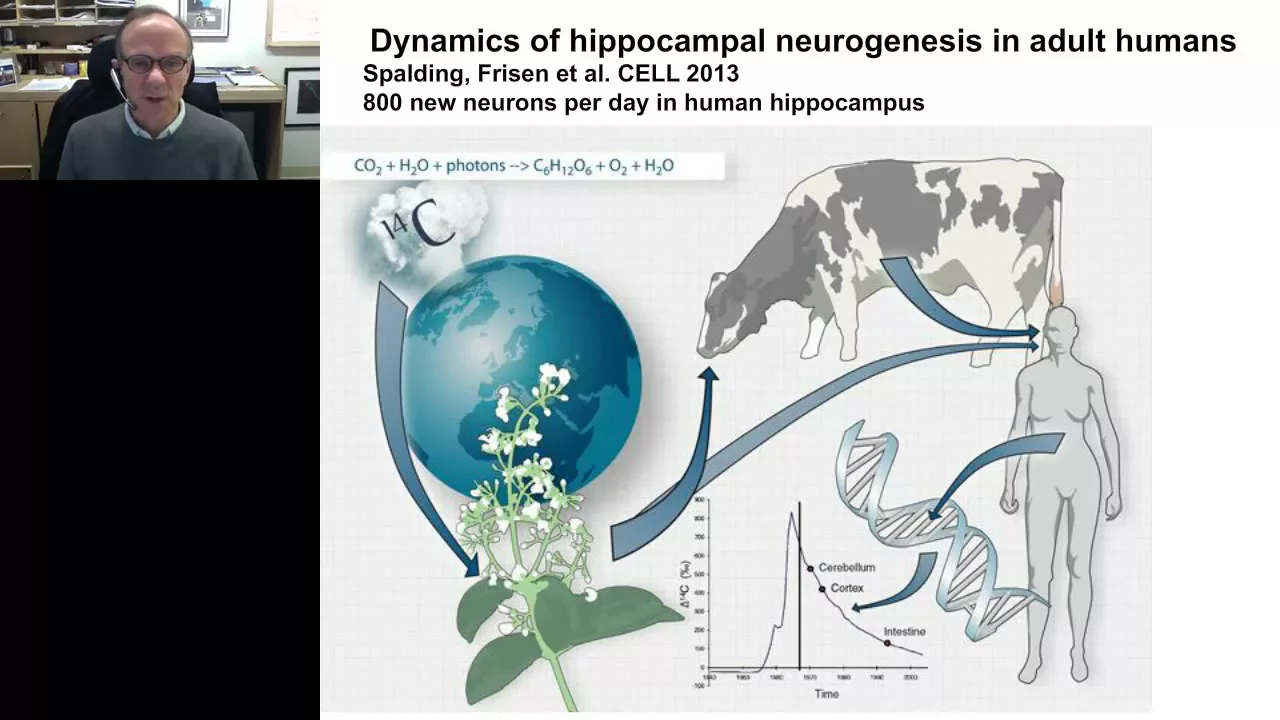
- Why this video: Dr. Fred Gage—one of the pioneers who proved human adult neurogenesis—explains the cellular mechanisms of neurogenesis, the history of its discovery, and the early skepticism surrounding the field.

- Why this video: This academic seminar tracks the technical milestones of the field, outlining how early autoradiography experiments in the 1960s by Joseph Altman were initially ignored, only to be validated decades later by advanced immunohistochemistry.

- Why this video: Dr. Alfredo Quiñones-Hinojosa traces the historical milestones from Santiago Ramón y Cajal's classic dogma to the discovery of neural stem cell niches, demonstrating how modern surgical tools continue to advance our clinical understanding.
Knowledge Checkpoint
- Explain the core assertion of Santiago Ramón y Cajal's "no-new-neurons" dogma and why it persisted for so long.
- Summarize Joseph Altman's landmark 1962 experiment using H3-thymidine autoradiography and explain why his peers initially rejected his findings.
- Describe the methodology used in the late 1990s (e.g., BrdU labeling in cancer patients) that definitively proved adult neurogenesis occurs in humans.
Module 3: The Neurogenic Niches: Focus on the Dentate Gyrus
Neurogenesis does not occur uniformly throughout the brain. It is restricted to highly specialized microenvironments called niches. This module explores the structural organization of these areas, focusing on the Subgranular Zone (SGZ) of the dentate gyrus and comparing it to the Subventricular Zone (SVZ).

- Why this video: This tutorial walks you through the 3D structures and cellular layers of the hippocampal formation, providing the anatomical context needed to understand where the subgranular zone is located.
- Why this video: This animated guide highlights the three major regenerative zones of the brain, comparing the subgranular zone of the dentate gyrus with the subventricular zone adjacent to the lateral ventricles.

- Why this video: This short lecture details how the SGZ and SVZ niches are regulated independently by external factors, noting that exercise selectively boosts hippocampal neurogenesis. (Spoken in Spanish with English auto-translation available).
⚠️ Independent Study Focus: Niche Microenvironments
While our video pool introduces these regions, you will need to supplement your learning to master the molecular details of the niche microenvironment.
Recommended Search Terms
"Subgranular zone niche vs Subventricular zone niche""Astrocytes endothelial cells extracellular matrix adult neurogenesis""Morphogens Wnt BMP Sonic hedgehog SGZ niche"
Key Concepts to Research
- The Cellular Niche: Research how local blood vessels (endothelial cells) and astrocytes secrete vital signaling proteins (such as VEGF, BDNF, Wnt, and BMPs) that sustain and guide developing stem cells.
- The SGZ vs. SVZ:
- The Subgranular Zone (SGZ) of the Dentate Gyrus produces glutamatergic granule cells that migrate locally into the granule cell layer to support memory processing.
- The Subventricular Zone (SVZ) of the lateral ventricles produces GABAergic interneurons that migrate along the Rostral Migratory Stream (RMS) to the olfactory bulb.
Knowledge Checkpoint
- Compare the SGZ and SVZ in terms of location, the types of mature neurons they produce, and their final migration destinations.
- Identify three distinct components of the SGZ niche microenvironment (e.g., blood vessels, astrocytes, extracellular matrix) and explain how they help sustain neural stem cells.
- Define the term "neurogenic niche" and explain why transplanting a stem cell outside of these areas usually prevents it from developing into a functional neuron.
Module 4: From Stem Cell to Neuron: Lineage and Maturation
This module covers the cellular stages of adult neurogenesis. You will follow the lineage of Type 1 radial glia-like stem cells as they proliferate, differentiate into intermediate progenitors, transform into migrating neuroblasts, and eventually mature into fully functional granule cells.

- Why this video: Dr. Yukiko Gotoh explains the molecular regulation of neural stem cell quiescence and division (specifically involving p57/Kip2), showing how stem cells manage self-renewal to prevent premature depletion.

- Why this video: This clinical talk introduces Doublecortin (DCX)-positive cells, highlighting their persistence in adult primates and humans as migrating neuroblasts.
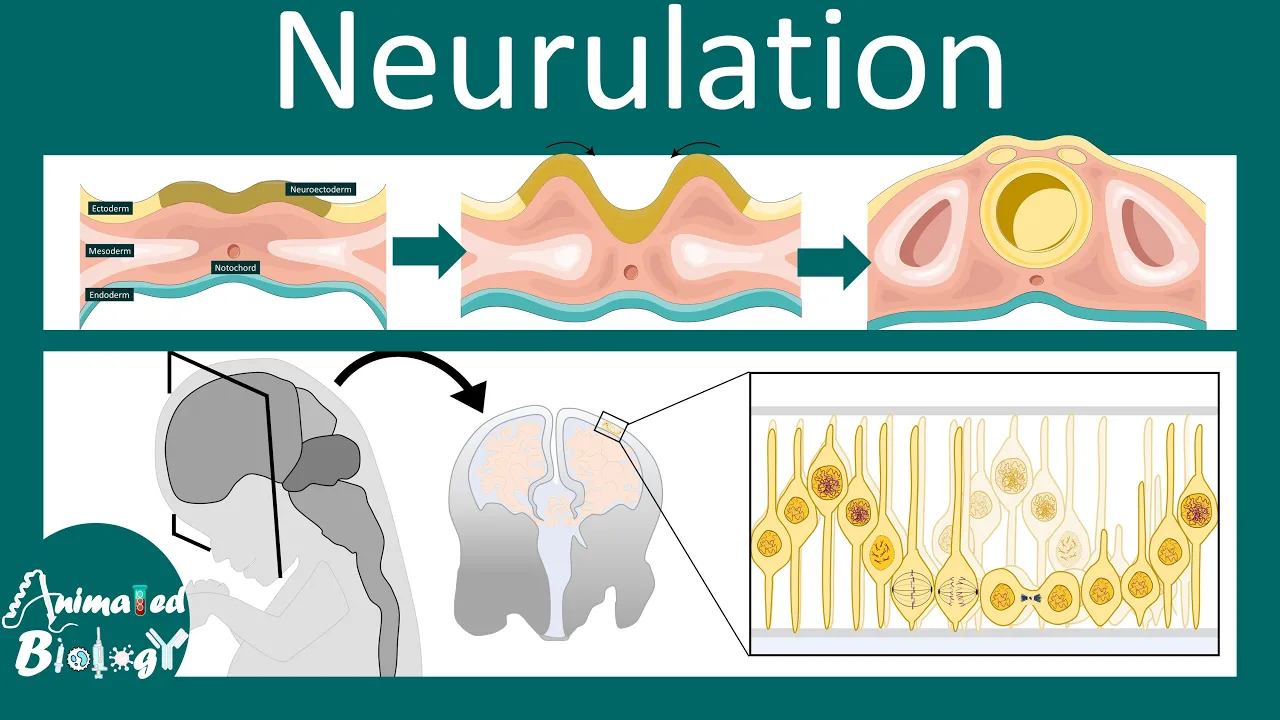
- Why this video: This video details the foundational concepts of symmetric and asymmetric stem cell division, explaining how a single precursor cell can both self-renew and produce differentiated offspring.
⚠️ Independent Study Focus: Lineage Stages & Biomarkers
To master the cellular biology of adult hippocampal neurogenesis, you must supplement these videos by studying the specific marker proteins used to track cells at each developmental stage.
Type 1 (Radial Glia-like) Type 2 (Amplifying Progenitors) Type 3 (Neuroblasts) Mature Granule Cell [GFAP+, Nestin+] [Nestin+, DCX+/-] [DCX+, PSA-NCAM+] [NeuN+] | | | | +----(Asymmetric Division)------+----------------(Migration)---------+----(Synaptic Integration)-+
Recommended Search Terms
"Type 1 Type 2 Type 3 cells adult subgranular zone""Doublecortin NeuN immunohistochemistry neurogenesis""Radial glial-like progenitor cell lineage dentate gyrus"
Key Concepts to Research
- The Cellular Lineage Stages:
- Type 1 Cells: Radial glia-like stem cells. They are slowly dividing or quiescent, feature a prominent apical process, and express GFAP and Nestin.
- Type 2 Cells: Highly active intermediate progenitor cells. They are divided into Type 2a (glial-like) and Type 2b (neuronal-committed) stages. They express Nestin and begin expressing Doublecortin (DCX).
- Type 3 Cells: Migrating neuroblasts. They exit the cell cycle, express DCX and PSA-NCAM, and orient horizontally along the subgranular layer.
- Mature Granule Cells: Fully functional post-mitotic neurons that express NeuN (Neuronal Nuclei protein) and Calbindin.
Knowledge Checkpoint
- Outline the lineage stages from Type 1 to mature granule cells, listing at least one distinct physiological trait for each stage.
- Define "quiescence" in Type 1 cells and explain why regulating the rate of active division is critical to prevent stem cell exhaustion.
- Identify which cellular stages would show positive staining in an immunohistochemical assay using Doublecortin (DCX) versus NeuN.
Module 5: Wiring the Circuit: Synaptic Integration
To contribute to cognitive function, adult-born neurons must integrate into established, active brain circuits. This module details how newborn granule cells connect with existing networks, highlighting their pathway within the classic trisynaptic circuit and explaining the functional transition of GABA from an excitatory to an inhibitory neurotransmitter.

- Why this video: Dr. Zafar Bashir breaks down the structure of the hippocampal trisynaptic circuit, detailing how information flows from the entorhinal cortex to the dentate gyrus, on to CA3, and finally to CA1.

- Why this video: This animation traces the flow of signals through the perforant pathway into the dentate gyrus and details how long-term potentiation (LTP) alters synaptic strength during learning.
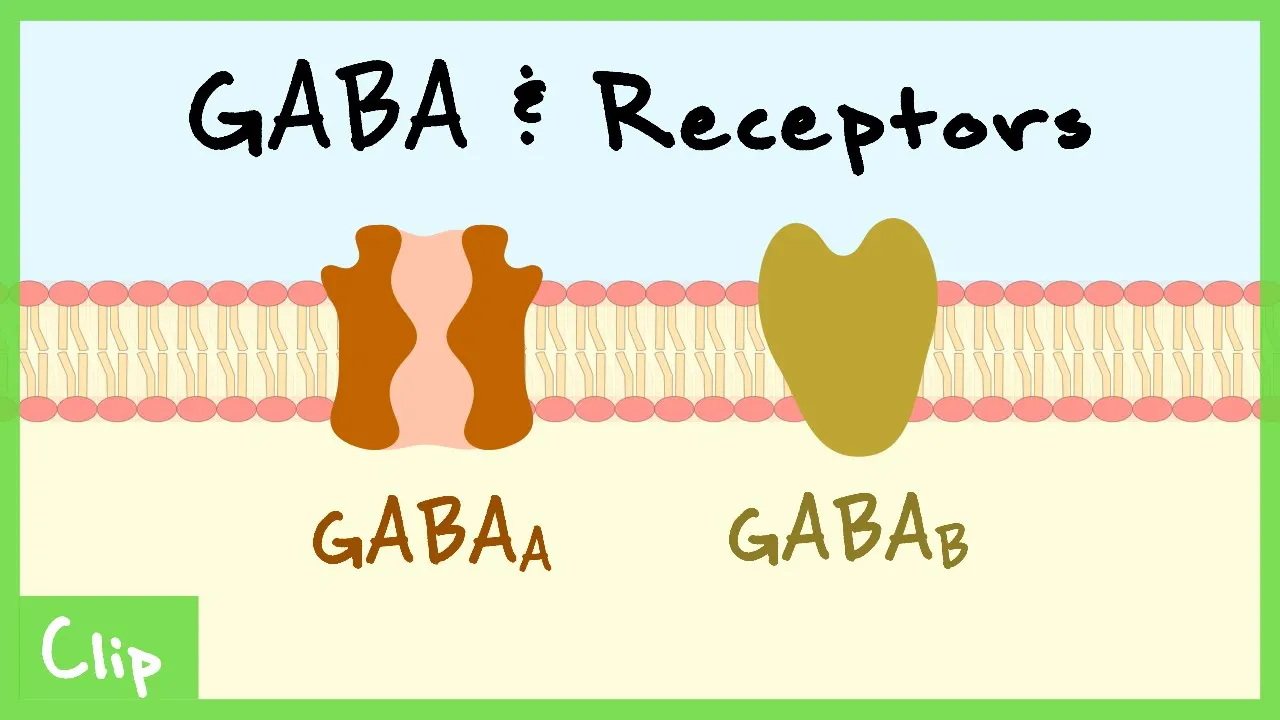
- Why this video: This video explains shunting inhibition and chloride equilibrium potential, providing the biophysical foundations of how GABA receptors function.

- Why this video: Dr. Najeeb explains how GABA receptors open chloride ion channels, showing how the movement of chloride ions alters the charge of a cell to make it less excitable.
⚠️ Independent Study Focus: The GABA Excitatory-to-Inhibitory Shift
To understand how newborn neurons integrate into adult circuits, you must study a unique developmental phenomenon: the functional transition of the neurotransmitter GABA.
IMMATURE NEURON MATURE NEURON
High intracellular Cl- Low intracellular Cl- (Due to NKCC1 activity) (Due to KCC2 activity)
  [GABA-A Receptor]                           [GABA-A Receptor]
       |                                           |
 (Cl- exits cell)                            (Cl- enters cell)
       |                                           |
 Depolarization (Excitation)                 Hyperpolarization (Inhibition)
Recommended Search Terms
"GABA depolarizing hyperpolarizing shift newborn neurons""NKCC1 KCC2 adult neurogenesis GABA""Synaptic integration adult born granule cells timeline"
Key Concepts to Research
- NKCC1 vs. KCC2 Expression:
- Early in development, young granule cells express high levels of the NKCC1 cotransporter, which pumps chloride ions into the cell. Because of this high internal chloride concentration, opening GABA-A channels causes chloride to exit the cell, depolarizing (exciting) the immature neuron.
- As the neuron matures, it downregulates NKCC1 and upregulates the KCC2 exporter, which pumps chloride out. This lowers internal chloride levels, so opening GABA-A channels causes chloride to enter the cell, hyperpolarizing (inhibiting) the mature neuron.
- Why Excitatory GABA Matters: This early depolarization is not a bug; it is a vital feature. The moderate calcium influx triggered by depolarizing GABA acts as a developmental signal that guides dendritic growth and early synapse formation.
Knowledge Checkpoint
- Trace the path of an electrical signal through the trisynaptic circuit, naming each anatomical region and the key axonal tracts connecting them.
- Explain why GABA depolarizes immature neurons but hyperpolarizes mature neurons, citing the roles of the NKCC1 and KCC2 cotransporters.
- Describe the developmental benefit of depolarizing GABA signaling in young, migrating neuroblasts.
Module 6: Functional Significance: Mood, Memory, and Modulation
What role do adult-born neurons play in daily life? This final module examines the cognitive and computational functions of adult neurogenesis—focusing on pattern separation—and reviews its clinical links to stress, major depressive disorder, and lifestyle factors like exercise.

- Why this video: This seminar discusses how feedback inhibition in the dentate gyrus regulates signal flow, preventing runaway excitation and laying the groundwork for pattern separation.
- Why this video: This video explores how antidepressants stimulate adult neurogenesis, explaining why SSRIs typically take several weeks to improve a patient's mood.

- Why this video: This video details how physical exercise triggers the release of Brain-Derived Neurotrophic Factor (BDNF), serving as a powerful environmental stimulator of adult hippocampal neurogenesis.

- Why this video: This clip highlights Fred Gage's classic studies showing that mice housed with exercise wheels and environmental enrichment developed double the number of new hippocampal neurons compared to control animals.
⚠️ Independent Study Focus: Pattern Separation
To complete your understanding of hippocampal function, you must study the computational process of pattern separation.
Recommended Search Terms
"Dentate gyrus pattern separation adult neurogenesis""Computational models of adult neurogenesis memory interference""Adult-born granule cells hyper-excitability pattern separation"
Key Concepts to Research
- What is Pattern Separation? It is the computational process of transforming highly overlapping, similar sensory inputs (e.g., finding your car in a parking lot today versus yesterday) into distinct, non-overlapping neural representations.
- The Role of Young Neurons: Young, developing granule cells (around 4-6 weeks old) are temporarily more excitable and plastic than mature neurons. This unique excitability allows them to act as a highly sensitive detector for new, subtle differences in environments, preventing old memories from interfering with new ones.
Knowledge Checkpoint
- Define the term "pattern separation" and explain how it prevents cognitive interference between highly similar memories.
- Explain why there is a 3-to-4-week delay before SSRI antidepressants begin to ease symptoms of depression, citing the timeline of neurogenesis.
- Describe the molecular pathway linking aerobic exercise to increased neural stem cell proliferation in the subgranular zone.
Course Map
Key People Index
- Santiago Ramón y Cajal (1852–1934): The father of modern neuroscience. He established the "neuronal doctrine" and famously argued that the adult mammalian brain was completely fixed and incapable of regeneration.
- Joseph Altman (1925–2016): An American neurobiologist who discovered adult neurogenesis in the 1960s using radioactive labeling, though his revolutionary findings were dismissed by the scientific community for decades.
- Elizabeth Gould (1962–Present): A prominent neuroscientist whose research in the 1990s proved adult neurogenesis occurs in primates and demonstrated that chronic stress suppresses the production of new neurons.
- Fred Gage (1950–Present): A professor at the Salk Institute who definitively proved adult neurogenesis occurs in the human brain, showing that the adult hippocampus continuously generates functional new neurons.
- Sandrine Thuret (Present): A leading neurobiologist at King's College London who studies how diet, exercise, and mental state regulate the rate of adult hippocampal neurogenesis.
Final Self-Assessment
Use this self-assessment to test your understanding of the entire curriculum. You should be able to confidently check off each item before concluding your studies.
- I can describe the structural boundaries of the dentate gyrus and identify where the subgranular zone (SGZ) is located.
- I can explain the historical transition from Cajal's dogma of a "fixed brain" to modern consensus, citing the contributions of Joseph Altman and Fred Gage.
- I can contrast the subgranular zone (SGZ) and the subventricular zone (SVZ) in terms of location, stem cell type, and where their mature neurons migrate.
- I can map the entire cellular lineage of hippocampal adult neurogenesis from Type 1 radial glia-like cells to mature granule cells.
- I can identify the specific stage of cellular maturation targeted by immunohistochemical assays using Doublecortin (DCX) versus NeuN.
- I can trace the trisynaptic circuit of the hippocampus, identifying the starting inputs, intermediate tracts, and final output areas.
- I can explain the biophysical mechanism behind the GABA developmental shift, citing the roles of the NKCC1 and KCC2 chloride transporters.
- I can define "pattern separation" and explain why young, highly excitable granule cells are uniquely suited to support this cognitive function.
- I can explain how chronic stress and elevated cortisol levels suppress neurogenesis, and contrast this with how exercise stimulates it through BDNF.
- I can explain the "neurogenesis hypothesis of depression," describing why there is a delay before SSRIs show clinical effectiveness.